
Have you ever picked figs from your tree only to wonder if they will sweeten and soften once off the branch? You’re not alone.
Many people ask, “Do figs ripen once picked? ” Understanding how figs mature can save you from disappointment and help you enjoy their full flavor. If you want to know when to harvest your figs and what to do if they aren’t perfectly ripe, keep reading.
This guide will give you clear answers so you can enjoy every bite of this delicious fruit at its best.

Credit: thekitchengarten.com
Figs And Ripening
Figs are unique fruits that need special care to enjoy at their best. Their ripening process is different from many other fruits. Understanding how figs ripen helps in choosing the right time to pick and eat them.
Many wonder if figs continue to ripen after harvesting. This affects how to handle and store them. Knowing the facts can improve your fig experience.
How Figs Ripen On The Tree
Figs ripen fully only on the tree. They develop sweetness and softness while attached to the branch. This process can take several weeks depending on the variety and climate.
Once ripe, figs change color and become tender. They also emit a sweet aroma. These signs help identify the perfect moment for picking.
Do Figs Ripen After Picking?
Figs do not ripen well after being picked. They stop getting sweeter and softer once off the tree. This means figs picked too early will remain hard and less tasty.
Unlike some fruits, figs lack the ability to continue ripening after harvest. This is why picking ripe figs is essential for good flavor.
Tips For Picking Ripe Figs
Look for figs that are slightly soft to the touch. A ripe fig often droops on the branch. The skin color should be rich and deep, depending on the variety.
Pick figs gently to avoid bruising. Harvesting at the right time ensures the best taste and texture. If unsure, wait a day or two before picking again.
Ripening After Picking
Figs are unique fruits with a delicate ripening process. Understanding whether they ripen after picking helps in harvesting and enjoying their best flavor. Many wonder if figs continue to ripen once off the tree. The answer is not straightforward and depends on several factors. This section explores how figs change after they are picked.
Softening Effects
Figs soften a little after picking. This softening happens because enzymes break down cell walls. The fruit becomes less firm but does not fully ripen like some other fruits. Softening improves texture, making figs easier to eat. However, this change is limited and does not develop deep sweetness.
Sugar Concentration
Sugar levels in figs do not increase after picking. The fruit stops producing sugars once it is removed from the tree. Ripe figs have the highest sugar content while still on the tree. Picking too early means the fig will remain less sweet. For the best taste, harvest figs when they are fully ripe on the branch.
Risks Of Rotting
Figs are very perishable after picking. Softened figs can quickly become overripe and start rotting. The high sugar content attracts molds and bacteria. Improper storage speeds up decay. Handle figs gently and store them in a cool place. Eat them within a short time to avoid spoilage.
Signs Of Ripeness
Knowing the signs of ripeness helps you pick the best figs. Ripe figs taste sweet and soft. Unripe figs can be hard and bitter. Watch for clear signs before picking.
Color Changes
Ripe figs show clear color changes. They turn from green to deep purple, brown, or yellow. The exact color depends on the fig variety. Avoid picking figs that remain pale green. Full color signals sweetness inside.
Texture And Softness
Ripe figs feel soft when gently squeezed. They give a little under light pressure. Hard figs are not ready to eat. Softness means the fruit has developed sugars and moisture. Avoid overly mushy figs to prevent overripeness.
Nectar Presence
Look for sticky nectar near the fig’s stem. This sweet liquid oozes when figs ripen fully. Nectar signals high sugar content inside. If you see no nectar, the fig might be underripe. Nectar also attracts pollinators and wildlife.
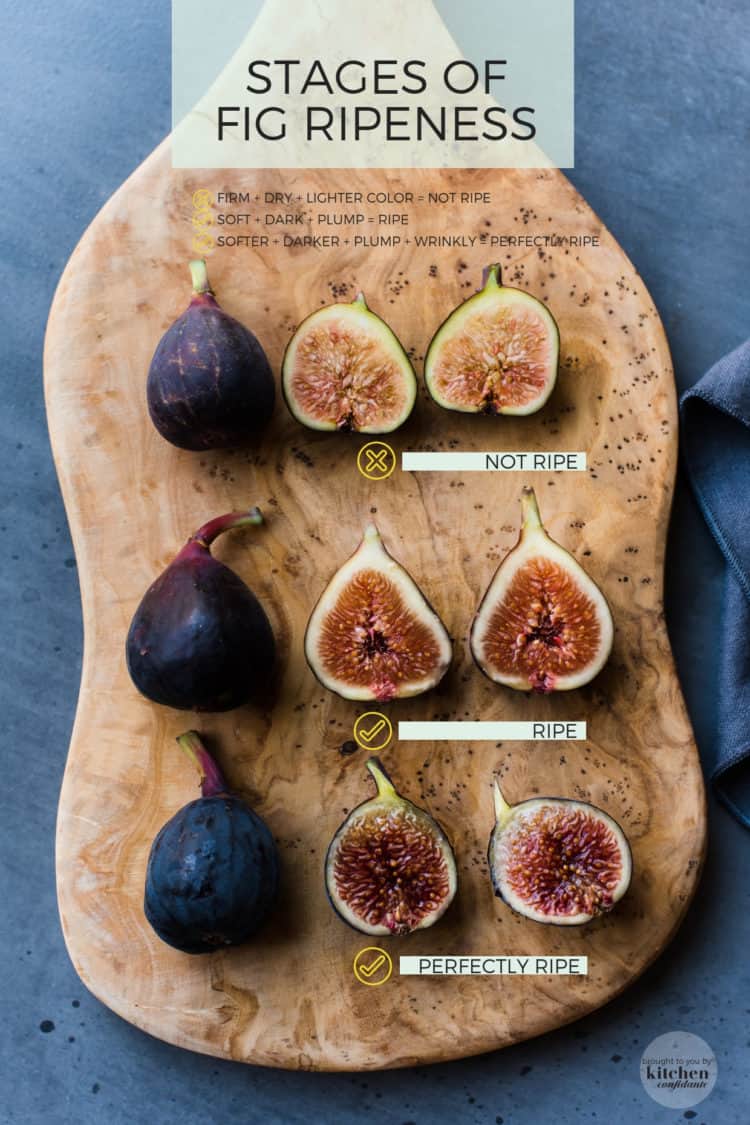
Credit: kitchenconfidante.com
Using Unripe Figs
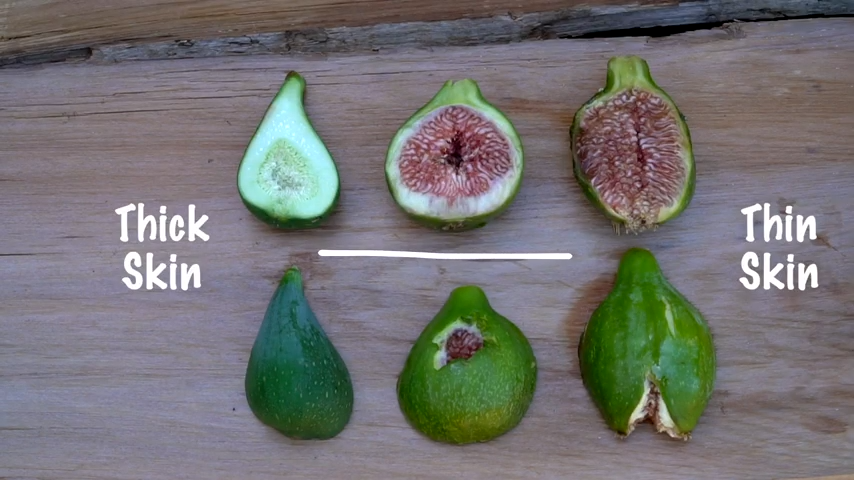
Unripe figs do not soften or sweeten after picking. They stay hard and less flavorful. Still, you can use them in various ways that bring out their unique taste. Cooking unripe figs changes their texture and enhances their flavor. This offers a tasty option instead of throwing them away.
Cooking Options
Unripe figs work well in cooked dishes. You can bake, stew, or roast them with spices. Cooking breaks down their firmness and brings out natural sweetness. Add cinnamon, nutmeg, or ginger for extra flavor. These dishes pair nicely with meat or cheese. They also make a warm, comforting dessert.
Jam And Preserves
Making jam or preserves is an excellent way to use unripe figs. Cook the figs slowly with sugar and lemon juice until soft. The mixture thickens into a sweet spread. This jam tastes great on toast or with yogurt. It also lasts longer than fresh fruit. You get a delicious treat from less ripe figs.
Olive Oil Method
Another option is to cook unripe figs in olive oil. Simmer the figs gently until tender. The oil absorbs the fig’s flavor, creating a rich taste. Use these figs as a topping for bread or salads. The olive oil method preserves the fig’s texture while adding depth. It is a simple way to enjoy unripe fruit.
Credit: lifecyclesproject.ca
Frequently Asked Questions
What To Do With Underripe Figs?
Use underripe figs to make spiced preserves or jams. Cook them with sugar and warm spices for sweet treats. These preserves pair well with cheese, meats, yogurt, or ice cream. Underripe figs won’t ripen off the tree, so cooking enhances their flavor and texture.
Will Figs Ripen In October?
Figs generally ripen on the tree and stop ripening after picking. October figs can ripen if the climate remains warm.
Can You Pick And Eat Green Figs?
Green figs are edible but usually taste bitter and less sweet. Wait until figs turn soft and easily detach before eating.
When To Pick Figs For Green Fig Preserve?
Pick small, firm, unripe green figs for preserves before they start softening or changing color. Harvest before frost threatens.
Conclusion
Figs need to ripen fully on the tree to taste their best. Picking them early means they won’t get sweeter or develop flavor. They may soften a little after picking, but the true sweetness stops growing. Watch for color, softness, and drooping to know when to harvest.
This way, you enjoy figs at their peak flavor and texture. Remember, patience helps you get the most from your fig harvest.