Are you tired of guessing when to water your plants? You’re not alone.
Many gardeners wonder if soil moisture meters really work or if they’re just another gadget collecting dust. These devices promise to take the guesswork out of watering by measuring how wet your soil really is. But can you trust their readings?
Will they help your plants thrive or lead you astray? You’ll discover how soil moisture meters work, their strengths and limitations, and simple tips to get the most accurate results. By the end, you’ll know exactly whether a moisture meter is worth adding to your gardening toolkit—and how it can help you keep your plants healthy and happy.
How Soil Moisture Meters Work
Soil moisture meters help gardeners and farmers check soil wetness quickly. These tools do not measure water directly. Instead, they rely on properties of soil and water to estimate moisture levels. Understanding how these meters work helps users trust their readings and use them correctly.
Electrical Conductivity Basics
Soil moisture meters work by measuring electrical conductivity in the soil. Water carries electric current better than dry soil. When soil is wet, it conducts electricity more easily. The meter sends a small electric current through the soil using its probe. Then, it measures how well the current flows. High conductivity means wet soil. Low conductivity means dry soil. This method provides a quick way to estimate moisture levels without digging or guessing.
Factors Affecting Accuracy
Several factors can affect the accuracy of soil moisture meters. Soil type is one key factor. Clay, sand, or loam soils conduct electricity differently. Mineral content in soil also changes readings. Salts and fertilizers increase conductivity, which can look like more moisture. Soil compaction affects probe contact with soil. Loose soil may give different results than compact soil. Temperature changes can alter conductivity too. Users should consider these factors when reading the meter. Comparing readings over time helps spot real moisture changes.

Credit: techinstrument.com
Types Of Soil Moisture Meters
Soil moisture meters come in different types to suit various gardening needs. Choosing the right meter helps monitor soil moisture accurately. This choice affects how well you water your plants and maintain soil health.
Analog Vs Digital Meters
Analog meters have a simple needle that moves along a scale. They do not need batteries and are easy to use. The reading is visual and sometimes harder to interpret for beginners.
Digital meters show numbers on a screen. They provide clearer and more precise readings. Some models also have additional features like temperature or pH sensors. Digital meters require batteries but offer better ease of use.
Single Probe Vs Multiple Probes
Single probe meters have one sensor that you insert into the soil. They are affordable and good for small gardens or pots. The reading reflects moisture near the probe only.
Multiple probe meters have two or more sensors spaced along a rod. This design measures moisture at different soil depths. It helps understand water distribution and root zone moisture better. These meters are often used in larger gardens or farms.
Accuracy Challenges
Soil moisture meters provide a quick way to check soil wetness. Their accuracy faces several challenges. These challenges arise from natural soil properties and environmental factors. Understanding these issues helps gardeners use meters more effectively.
Impact Of Soil Composition
Soil is made up of sand, clay, silt, and organic matter. Each type holds water differently. Clay soils hold water tightly, causing meters to show higher moisture. Sandy soils drain fast and may seem dry on meters. Organic matter can also affect readings by holding water unevenly. These differences make it hard for meters to give exact moisture levels.
Effect Of Mineral Salts
Mineral salts in soil conduct electricity like water does. Moisture meters rely on electrical signals to measure wetness. High salt content can confuse the meter, making dry soil appear wet. Salts from fertilizers or natural sources cause this problem. This leads to false readings and wrong watering decisions.
Soil Compaction Issues
Compacted soil has fewer air spaces. This changes how water moves through soil. Meters may not get good contact with compacted soil. This results in inaccurate moisture readings. Roots also struggle in compacted soil, affecting plant health. Proper soil aeration improves meter accuracy and plant growth.
Benefits For Gardeners
Soil moisture meters offer clear benefits for gardeners of all levels. They provide quick feedback on soil wetness, helping gardeners care for their plants better. Using these meters can improve plant health and reduce water waste. These tools guide watering choices with real data, not guesswork.
Preventing Overwatering
Overwatering can harm plants by drowning roots and causing rot. Soil moisture meters show if the soil is already wet. This helps gardeners avoid adding too much water. With the meter, plants get only the water they need. It saves water and protects plant roots from damage.
Avoiding Underwatering
Dry soil stresses plants and slows growth. Soil moisture meters detect dry spots below the surface. Gardeners can water exactly when plants need it most. This prevents leaves from wilting and roots from drying out. Timely watering keeps plants healthy and thriving.
Reaching Root Zone Moisture
Roots need moisture deep in the soil, not just on top. Soil moisture meters measure moisture at the root zone level. This helps gardeners water deeply and efficiently. Proper root zone moisture encourages strong root growth. It supports plant stability and nutrient uptake.
Best Practices For Use
Using a soil moisture meter correctly improves its usefulness and gives better results. Follow simple steps to get clear readings and protect your plants from over or underwatering. Consistent and careful use helps you understand your soil’s real moisture level.
Testing Multiple Spots
Check several areas around your plant’s root zone. Soil moisture can vary in small spaces. Testing only one spot may not show the full picture. Move the meter to different spots for a better average reading. This helps avoid watering mistakes and keeps plants healthy.
Waiting For Stable Readings
Insert the meter probe gently into the soil and wait a few seconds. Allow the reading to stabilize before noting it. Quickly pulling the meter out may give false results. Take your time for accurate moisture levels. Stable readings mean better watering decisions.
Cleaning And Maintenance
Keep the meter clean to maintain accuracy. Wipe the probes with a soft cloth after each use. Remove dirt and debris that can block signals. Store the meter in a dry place to avoid damage. Regular care extends the life of your tool.
Combining With Other Methods
Use the moisture meter alongside other checks. Feel the soil with your fingers for texture and dampness. Look at plant leaves for signs of stress. Combining tools and observation gives a clearer idea of water needs. This approach prevents overreliance on one method.
Choosing The Right Meter
Choosing the right soil moisture meter can make a big difference in your gardening success. A good meter helps you water plants just enough to keep them healthy. Not every meter works the same. Some give better readings and last longer. Think about what you need before buying one.
Focus on quality, features, and trusted models. This way, you avoid wasting money on tools that do not help.
Quality Vs Price Considerations
Cheap meters may seem attractive but often give inaccurate readings. They may fail to detect soil moisture correctly. High-quality meters cost more but provide reliable results. These meters use better sensors and materials. Investing in a good meter saves money on water and plant care. Look for meters with good reviews and strong build quality. Avoid models that feel flimsy or have poor customer feedback.
Features To Look For
Choose meters with clear, easy-to-read displays. Some have color codes or digital screens to show moisture levels. Consider meters with multiple probes for checking different soil depths. Look for waterproof or rust-resistant models for outdoor use. Some meters also measure soil pH or light levels, which can be useful. A simple, durable design often works best for beginners. Avoid complicated models that require frequent calibration.
Recommended Models
The Moistenland Soil Moisture Meter is popular for its quick and accurate readings. It has a single probe, making it easy to use. The Dr.meter Moisture Sensor offers good quality at a moderate price. It also provides reliable moisture information. For advanced users, the Sonkir Soil pH Meter measures moisture, pH, and light. These models suit different budgets and needs. Choose one that fits your garden size and plant types.
Common Misconceptions
Soil moisture meters are popular tools for gardeners and plant lovers. Yet, many misunderstand how these devices work and what they actually measure. Clearing up common misconceptions helps you use these meters better. It also sets realistic expectations about their readings and usefulness.
Meters Don’t Measure Water Directly
Soil moisture meters do not measure water content directly. Instead, they detect how well the soil conducts electricity. Water conducts electricity better than dry soil or air. The meter uses this property to estimate moisture levels. This means the reading shows electrical conductivity, not pure water amount.
Minerals and salts in the soil can affect conductivity too. This can cause the meter to show false moisture levels. For example, salty soil may read as wetter than it really is. Understanding this helps you interpret meter readings more accurately.
Limitations In Different Soil Types
Different soils behave differently with moisture meters. Clay soils hold water tightly and conduct electricity well, often giving higher readings. Sandy soils drain quickly and conduct less electricity, which can show lower moisture levels. Soil compaction also changes readings by altering air space and water flow.
These variations mean one meter reading can’t fit all soil types. You need to learn how your soil type affects readings. Testing several spots and comparing results over time improves accuracy. This knowledge helps avoid mistakes in watering your plants.

Credit: www.gropoint.com
When To Rely On Your Senses
Knowing when to trust your senses in gardening is key to healthy plants. Soil moisture meters provide useful data, yet your own observations often tell the true story. Combining both can improve watering decisions and plant care. Your senses offer immediate, hands-on feedback that no tool can fully replace.
Using Touch And Visual Cues
Feel the soil with your fingers to check moisture levels. Dry soil feels light and crumbly, while wet soil is cool and sticky. Look at the plant leaves for signs of stress. Wilting or yellowing leaves often mean water is needed. Soil color also helps; dark soil usually means it is moist. These simple checks guide timely watering.
Integrating Meters With Gardening Experience
Soil moisture meters work best when used alongside your gardening knowledge. Use meters to confirm what your touch and eyes tell you. Over time, you learn how meter readings match your plants’ needs. This helps avoid overwatering and underwatering. Meters add precision but do not replace experience.
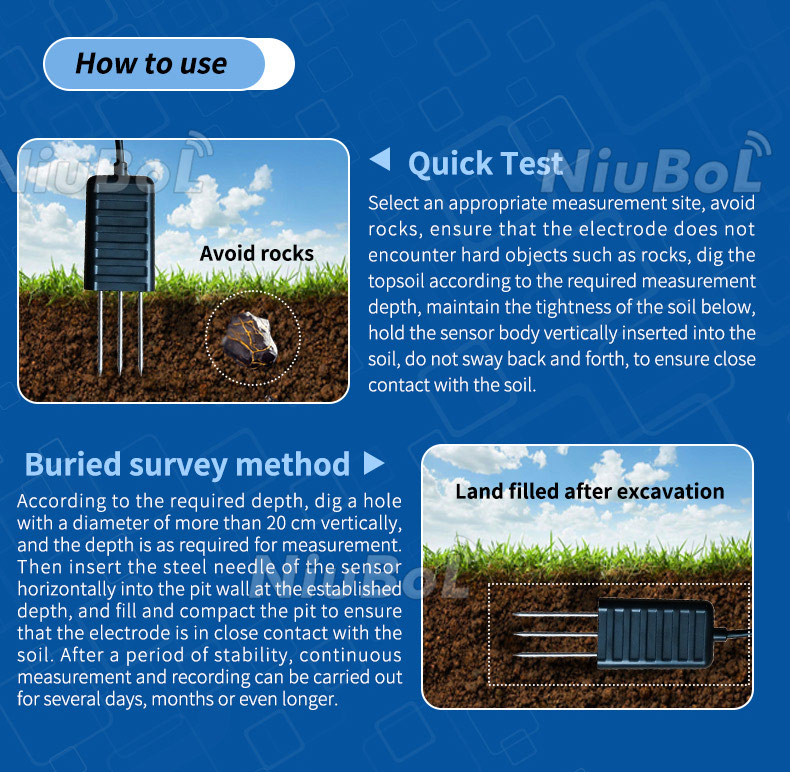
Credit: www.niubol.com
Frequently Asked Questions
Do Moisture Meters Work For Soil?
Yes, soil moisture meters work by measuring electrical conductivity, indicating soil wetness. Accuracy varies with meter quality and soil type. Use them as guides alongside touch to avoid over- or underwatering.
What Is The Most Accurate Soil Moisture Sensor?
The most accurate soil moisture sensors use capacitance or TDR technology. They measure soil water content precisely, unaffected by salts. Brands like Vegetronix and Decagon offer reliable, professional-grade sensors for accurate soil moisture monitoring.
Are Moisture Meters Really Accurate?
Moisture meters provide useful soil wetness estimates but vary in accuracy. Higher-quality meters offer more reliable readings. Use them as guides, not exact measures, and combine with other methods for best results.
How Long Do You Leave A Moisture Meter In The Soil?
Insert the moisture meter probe into the soil and leave it for 10 to 15 seconds. Wait until the reading stabilizes before removing. This ensures accurate moisture measurement.
Conclusion
Soil moisture meters provide helpful clues about soil wetness. Their readings vary with soil type and meter quality. They measure electrical signals, not exact water amounts. Using meters alongside touch tests gives better care results. Checking soil in several spots improves accuracy.
Clean meters after use to keep them working well. These tools assist in avoiding over- or underwatering plants. They are simple aids, not perfect answers. Use them wisely to keep your garden healthy and thriving.