You’ve just dethatched your lawn—a great step toward a healthier, greener yard. But what comes next?
If you think you can simply sit back and watch, think again. Your lawn is vulnerable after dethatching, and how you care for it now will decide how quickly it bounces back. You’ll discover simple, proven actions to help your grass recover fast, grow thicker, and look better than ever.
Keep reading to learn exactly what you should do after dethatching your lawn to get the best results possible.
Clear Dethatching Debris
Clearing dethatching debris is a key step after dethatching your lawn. Removing this loose material helps your grass breathe and grow better. It also prevents dead thatch from blocking water and nutrients. Taking time to clean the lawn properly sets the stage for a healthy recovery.
Rake Or Blow Loose Material
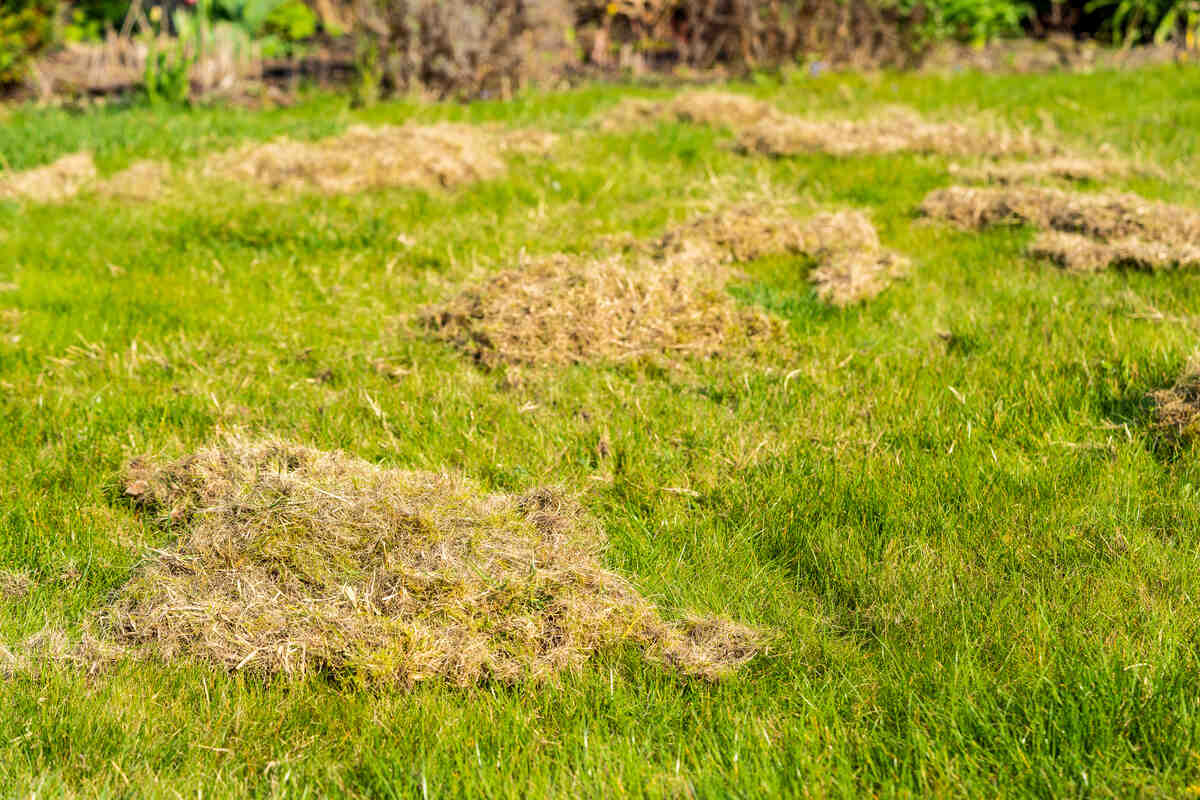
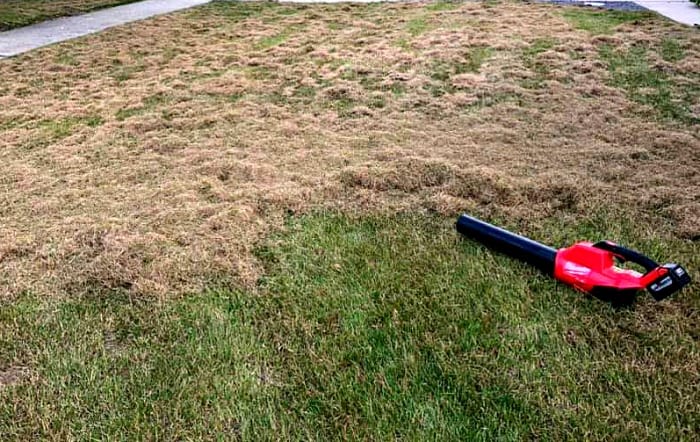
Start by raking the loose grass and thatch. Use a sturdy rake to gather all the debris into piles. This makes it easier to collect and remove. You can also use a leaf blower to clear the loose material quickly. Blowing works well for larger areas and saves time.
Remove Dead Grass And Thatch
Next, remove the dead grass and thatch piles from your lawn. Leaving them can smother new grass and cause mold. Bag the debris or compost it if possible. Clearing the lawn fully lets sunlight, air, and water reach the soil better. This boosts lawn health and speeds up recovery.
Credit: www.lawnstarter.com
Water The Lawn Deeply
Watering the lawn deeply after dethatching is a crucial step. It helps restore moisture lost during the dethatching process. Deep watering reaches the roots, supporting the grass as it heals. This practice promotes a healthier, stronger lawn. Light or shallow watering does not provide the same benefits. Consistent deep watering encourages the lawn to bounce back quickly and stay green.
Help Grass Recover
Deep watering soothes the grass blades and soil. It replaces the water lost during dethatching. This reduces stress on the grass. Moist soil encourages the grass to heal faster. Healthy moisture levels prevent the lawn from drying out. A well-watered lawn recovers stronger and looks better sooner.
Promote Root Growth
Watering deeply encourages roots to grow downward. Strong roots help the lawn absorb nutrients well. Deep roots make the grass more drought-resistant. They anchor the lawn firmly in the soil. Shallow roots lead to weak, patchy grass. Deep watering ensures roots develop fully and support healthy growth.
Aerate Compacted Soil
After dethatching your lawn, aerating compacted soil is a crucial next step. Compacted soil prevents roots from growing deeply. It blocks essential air, water, and nutrients. Aeration creates small holes in the soil. These holes help the lawn breathe and absorb what it needs. This process supports strong grass growth and a healthier lawn.
Improve Air And Nutrient Flow
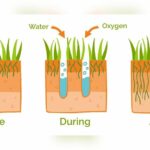
Aeration increases air flow to the grass roots. Roots need oxygen to survive and grow. Without air, roots can suffocate and weaken. The holes made by aeration allow fresh air to reach deep into the soil.
These holes also help nutrients move more freely. Fertilizers and natural nutrients travel through the soil better. This helps the grass get the food it needs. Strong roots mean a thicker, greener lawn.
Enhance Water Penetration
Compacted soil stops water from soaking in easily. Water tends to run off or pool on the surface. Aeration opens channels for water to reach the roots. This helps grass stay hydrated, especially during dry times.
Better water penetration reduces runoff and saves water. It also helps prevent dry patches and brown spots. Aerating after dethatching creates a better environment for water to nourish the lawn deeply.

Credit: www.pennington.com
Overseed Bare Areas
Overseeding bare areas is a key step after dethatching your lawn. Dethatching removes old, dead grass and exposes patches of soil. These bare spots need new grass seed to fill in and create a lush, healthy lawn. Without overseeding, your lawn may stay patchy and weak.
Adding seed helps grass grow thicker and stronger. It also prevents weeds from taking over the empty spaces. Start overseeding soon after dethatching while the soil is fresh and ready to support new growth.
Spread New Grass Seed
Choose a grass seed that matches your existing lawn. Use a spreader to distribute the seed evenly over the bare patches. Avoid clumping seed in one spot. Lightly cover the seeds with a thin layer of soil or compost. This protects the seeds and keeps them moist.
Ensure Good Seed-to-soil Contact
Press the seeds gently into the soil using a rake or by walking over the area. Good contact between seed and soil helps the grass roots grow quickly. Water the area lightly but often to keep the soil moist. Avoid heavy watering that can wash seeds away.
Fertilize For Growth
Fertilizing your lawn after dethatching is key for strong, healthy grass. Dethatching removes old, dead material but also stresses the grass. Fertilizer helps the lawn recover faster and grow thicker. Proper fertilization feeds the roots and encourages new shoots. This step supports your lawn’s overall health and green color.
Choosing the right fertilizer and timing the application carefully can make a big difference. Follow these tips to boost your lawn’s growth without causing extra stress.
Choose Balanced Or Starter Fertilizer
Use a balanced fertilizer with equal parts nitrogen, phosphorus, and potassium for steady growth. Nitrogen helps with green leaves, phosphorus strengthens roots, and potassium improves disease resistance. Starter fertilizers with more phosphorus promote root development after dethatching. Read the label to find the best option for your lawn. Avoid fertilizers high in nitrogen only; they can burn stressed grass.
Time Fertilization To Avoid Stress
Wait at least one to two weeks after dethatching before fertilizing. This gives your lawn time to recover from the dethatching process. Fertilizing too soon can cause extra stress and damage roots. Apply fertilizer during cooler parts of the day, such as early morning or late afternoon. Water the lawn after fertilizing to help nutrients soak into the soil and reduce burn risk.
Credit: plantforsuccess.com
Maintain Moisture Levels
Maintaining proper moisture levels after dethatching is vital for your lawn’s health. Dethatching removes layers of dead grass, exposing soil and roots. This process leaves the lawn vulnerable and thirsty. Keeping the soil moist helps grass recover faster and encourages new growth. Moisture supports the healing of grass blades and root systems. Without consistent moisture, your lawn may dry out and suffer stress. Pay close attention to watering habits after dethatching to ensure your lawn bounces back strong.
Water Lightly And Consistently
After dethatching, avoid heavy watering that can wash away seeds or soil. Instead, water your lawn lightly to keep the soil surface moist. Watering should be done daily or every other day, depending on weather conditions. This gentle watering helps prevent soil from drying out and cracking. Keep the water amount small but steady to maintain even moisture. Light, frequent watering encourages grass roots to grow deeper and stronger.
Support Seed Germination And Establishment
If you overseed your lawn after dethatching, moisture is even more important. Grass seeds need constant moisture to sprout and develop roots. Water the seeded areas gently but often to keep the soil damp. Avoid letting the soil dry out completely during this period. Consistent moisture improves seed germination rates and helps young grass establish quickly. A well-watered lawn after dethatching will fill in bare spots faster and become thicker over time.
Mow Carefully
After dethatching your lawn, mowing requires extra care. The grass is tender and needs gentle handling. Mowing too soon or too short can stress the lawn further. Follow these tips to help your lawn recover and grow strong.
Wait For New Growth
Do not mow immediately after dethatching. Wait until new grass blades reach at least 3 inches tall. This gives the grass time to heal and strengthens roots. Mowing too early can damage fragile shoots and slow recovery.
Use Proper Mowing Height
Set your mower to a higher cutting height than usual. Aim for about 3 to 3.5 inches. Taller grass shades roots and keeps soil moist. Avoid cutting more than one-third of the grass height at once. This reduces stress and helps the lawn stay healthy.
Bag Clippings To Keep Lawn Clean
Collect grass clippings after mowing. Remove them from the lawn to prevent thatch buildup. Clippings left on the grass can block sunlight and trap moisture. Keeping the lawn clean reduces disease risk and promotes faster recovery.
Avoid Common Mistakes
A healthy lawn needs proper care after dethatching. Avoiding common mistakes helps your grass recover faster. Follow these simple tips for the best results.
Dethatch At Right Time
Choose the right season for dethatching. Early spring or early fall works best. Grass grows actively during these times. This helps your lawn heal quickly. Avoid dethatching in hot summer or frozen winter. These conditions can stress your grass and slow recovery.
Avoid Over-dethatching
Remove only the thatch layer, not healthy grass. Over-dethatching damages roots and weakens turf. It makes your lawn more vulnerable to weeds and pests. Stop dethatching as soon as you see bare spots. Light dethatching is better for long-term lawn health.
Use Proper Tools
Use a dethatching rake or machine designed for lawns. Avoid sharp or heavy tools that tear the grass. Proper tools remove thatch gently and evenly. This prevents damage and helps your lawn bounce back. Maintain your tools for the best performance.
Create Ideal Recovery Conditions
Creating ideal recovery conditions after dethatching helps your lawn heal fast. The process removes old, dead material but also stresses grass roots. Proper care supports strong new growth and a green, healthy lawn. Follow simple steps to protect the lawn and encourage recovery.
Limit Foot Traffic
Avoid walking or playing on the lawn for at least two weeks. Foot traffic compacts the soil and damages tender new shoots. Keep pets and children off the grass to prevent stress. Use temporary barriers or signs if needed. This rest period lets roots strengthen and blades grow back quickly.
Encourage Healthy New Growth
Water your lawn deeply but gently to keep soil moist. Proper moisture helps roots absorb nutrients and supports leaf growth. Avoid overwatering to prevent disease and fungus. Use a balanced fertilizer after a week to feed the grass. Mowing should be done carefully; keep blades high to reduce stress.
Frequently Asked Questions
How Long Does It Take For A Lawn To Recover From Dethatching?
A lawn typically recovers from dethatching within 2 to 3 weeks. Proper watering, fertilizing, and avoiding heavy traffic help speed recovery.
Do I Have To Fertilize After Dethatching?
Fertilizing after dethatching is recommended but wait about two weeks to avoid stressing the grass. Water the lawn deeply first. This helps grass recover and supports healthy new growth. Use a balanced or starter fertilizer for best results.
Do I Need To Seed After Dethatching?
Seeding after dethatching is optional but recommended. It helps fill bare spots and promotes a thicker, healthier lawn.
What Are Common Dethatching Mistakes?
Common dethatching mistakes include dethatching too aggressively, doing it at the wrong time, and using improper tools. Over-dethatching damages healthy turf and stresses grass. Avoid dethatching when the lawn is dormant. Always dethatch during active growth periods in early spring or fall for quick recovery.
Conclusion
Clear away all loose debris right after dethatching to keep the lawn clean. Water your lawn deeply to help grass recover quickly and stay healthy. Consider aerating if soil feels hard, allowing better air and water flow. Overseeding can fill in bare spots and make your lawn thicker.
Apply fertilizer carefully to give nutrients that support new growth. Avoid walking on the lawn too much while it heals. These simple steps help your lawn bounce back strong and green. Patience and good care will bring a lush, healthy yard soon.