Are you wondering whether to use a power rake or a dethatcher to keep your lawn healthy and green? Knowing the difference between these two tools can save you time, effort, and even prevent damage to your grass.
Both power rakes and dethatchers help remove thatch—the layer of dead grass and debris that builds up—but they work in different ways and are best suited for different lawn conditions. You’ll discover exactly how each tool works, when to use them, and which one is right for your lawn care needs.
Keep reading to make sure your lawn gets the perfect treatment it deserves!
Power Rake Basics
Understanding the basics of a power rake helps you maintain a healthy lawn. This tool plays a key role in lawn care by removing old grass and debris. It improves soil health and promotes new grass growth.
What Is A Power Rake
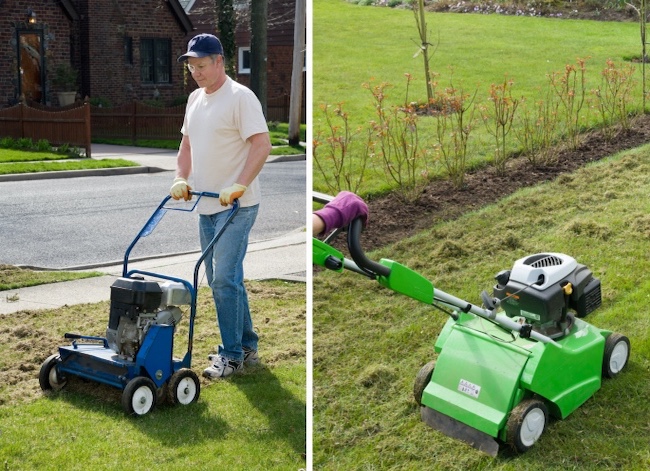
A power rake is a lawn tool with rotating blades. It pulls up dead grass, roots, and thatch from the lawn surface. It is stronger than a regular rake and covers larger areas faster.
How It Works
The power rake uses sharp blades or tines that spin quickly. These blades dig into the lawn and lift up dead material. The debris is then collected or left on top for removal. This process helps air, water, and nutrients reach the roots.
Common Uses
Power rakes are used to clear heavy thatch and soil buildup. They prepare the lawn for overseeding or fertilizing. They also help repair damaged lawns by removing dead grass and moss. This tool is ideal for spring or fall lawn care routines.

Credit: www.youtube.com
Dethatcher Essentials
Dethatching is a key lawn care task that helps grass grow healthy. It removes thick layers of dead grass and debris. This allows air, water, and nutrients to reach the soil. Understanding dethatchers helps you keep your lawn green and strong.
Knowing how dethatchers work guides you in choosing the right tool. Using them correctly improves lawn health and prevents damage. Below are the basics to get started with dethatching.
What Is A Dethatcher
A dethatcher is a lawn tool designed to remove thatch. Thatch is a layer of dead grass, roots, and debris on the lawn surface. This layer blocks air, water, and nutrients from reaching grass roots. A dethatcher clears this layer, improving lawn health.
How It Operates
Dethatchers use small blades or tines to pull up thatch. These blades cut through the layer without harming live grass. As the machine moves, it lifts dead material to the surface. You then rake or vacuum this debris away to leave a clean lawn.
Typical Applications
Dethatchers work best on lawns with thick thatch buildup. Use them in the growing season when grass can recover fast. They help lawns damaged by heavy use or poor care. Dethatching promotes stronger roots and healthier grass growth.
Key Differences
Understanding the key differences between a power rake and a dethatcher helps in choosing the right tool for lawn care. Both tools remove thatch, but they do it differently and serve distinct purposes. Knowing these differences improves lawn health and maintenance efficiency.
Function And Purpose
A dethatcher removes thin layers of dead grass and organic debris from the lawn surface. It helps improve air, water, and nutrient flow to the soil. Power raking is more aggressive. It removes thick thatch and moss, loosens compacted soil, and prepares the lawn for reseeding.
Equipment Design
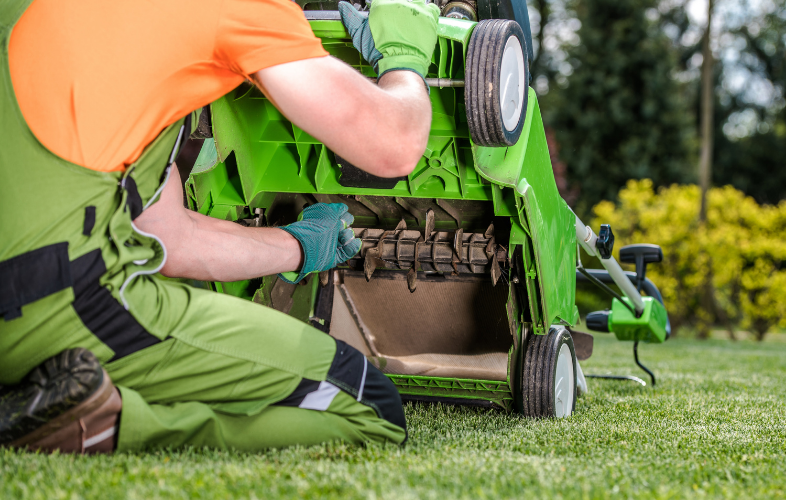
Dethatchers have flexible, spring-like tines that lightly pull up debris without damaging grass roots. Power rakes feature stiff, rotating blades or tines that dig deeper into the soil. This design allows power rakes to remove heavier thatch and break up hard soil crusts.
Lawn Impact
Dethatching causes less stress to the lawn and is safe for regular use during growing seasons. Power raking is harsher and can damage grass if used too often or at the wrong time. It is best for lawns with heavy thatch buildup or soil compaction.
When To Use Each Tool
Knowing when to use a power rake or dethatcher helps keep your lawn healthy. Each tool serves a different purpose and works best at certain times. Choosing the right moment ensures your grass recovers quickly and grows strong.
Ideal Timing For Power Raking
Power raking works best in early spring. This is just after your grass starts growing again. The tool removes dead grass, debris, and loosens compacted soil. It prepares the lawn for new growth without harming the healthy grass.
Avoid power raking during hot, dry weather or when the soil is wet. These conditions can stress your lawn or cause damage.
Best Time For Dethatching
Dethatching is most effective during peak growing seasons. For cool-season grasses like fescue or bluegrass, late summer to early fall is best. Warm-season grasses should be dethatched in late spring or early summer.
The goal is to remove thatch buildup while the grass can quickly recover. Avoid dethatching when the lawn is dormant or stressed from heat or drought.
Seasonal Considerations
Spring is ideal for power raking to clean and prepare the soil. Fall or late spring suits dethatching to clear thick thatch layers. Both tools need dry but moist soil conditions for best results.
Never use these tools on newly seeded or sod lawns. Wait until roots are well established. Also, avoid using them during extreme weather or when weeds dominate the lawn.
Signs Your Lawn Needs Care
Knowing when your lawn needs care helps keep it healthy and green. Lawns often show clear signs before problems get worse. Early attention can save time and money.
Thatch Layer Thickness
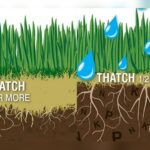
A thick thatch layer blocks water and nutrients. It feels spongy underfoot. If thatch is more than half an inch, your lawn needs dethatching or power raking. Removing excess thatch lets roots breathe and grow strong.
Turf Texture And Color
Dull or brown grass means stress or poor health. Grass blades may feel weak or thin. Healthy turf is thick, soft, and bright green. Changes in texture or color signal the need for lawn care to restore vitality.
Water Drainage Issues
Water pooling or slow drainage harms grass roots. Standing water can cause root rot and weeds. Good lawns absorb water quickly without puddles. Drainage problems often require dethatching or aeration to improve soil flow.
Credit: www.greendrop.com
Avoiding Lawn Damage
Both power raking and dethatching improve lawn health by removing thatch. Careless use can harm grass and soil. Knowing when to use these tools protects your lawn from stress and damage. Timing and conditions matter most for a healthy lawn.
Power raking is more aggressive and can damage grass if done at the wrong time. Dethatching is gentler but still needs proper conditions. Follow simple guidelines to avoid hurting your lawn.
Conditions To Skip Power Raking
Do not power rake during drought or heat waves. The intense action can tear up roots and dry out soil. Avoid power raking if the soil is wet or soggy. This causes compaction and root damage. Skip power raking on newly seeded lawns. Young grass cannot handle the stress. Wait until grass grows strong and thick before power raking.
When Not To Dethatch
Dethatching is best during active growth periods. Avoid dethatching when grass is dormant or brown. This includes winter or extreme summer heat. Do not dethatch wet soil. It leads to compaction and poor air flow. Avoid dethatching if weeds cover the lawn. Dethatching can spread weed seeds and worsen the problem. Wait for weeds to die back or be controlled first.
Handling Stress And Dormancy
Grass under stress needs rest, not raking or dethatching. Stress can come from heat, drought, or disease. During dormancy, grass stops growing and cannot repair damage. Raking or dethatching then will weaken roots and slow recovery. Wait for cooler, wetter weather when grass is green and growing. Moist soil and active roots help lawns bounce back quickly.
Choosing The Right Tool
Choosing the right tool for lawn care is key to a healthy yard. Power rakes and dethatchers serve different purposes. Knowing which one fits your lawn needs saves time and effort. This section helps you decide by focusing on lawn type, thatch problems, and equipment costs.
Assessing Lawn Type
Different grass types need different care. Cool-season grasses like fescue or bluegrass may respond better to dethatching. Warm-season grasses such as Bermuda or zoysia might benefit from power raking. Check your grass type before picking a tool. This ensures you do not harm your lawn.
Evaluating Thatch Problems
Thatch is a layer of dead grass and roots on the soil surface. Light thatch can be removed with a dethatcher. Thick or compacted thatch requires a power rake. Power rakes dig deeper and break up tough layers. Measure the thatch thickness to choose the right tool. Thin thatch needs gentle care. Thick thatch demands more power.
Equipment Availability And Cost
Power rakes are often more expensive and less common to rent. Dethatchers are easier to find and usually cheaper. Consider your budget and how often you will use the tool. Renting a power rake might make sense for one-time heavy thatch removal. For regular light maintenance, a dethatcher works well and costs less.
Maintenance Tips
Proper maintenance is key after using a power rake or dethatcher. Good care helps your lawn recover fast. It also keeps your grass healthy and green.
Follow simple steps before and after to get the best results. Regular care will improve your lawn’s look and strength.
Preparing Your Lawn
Start by mowing your lawn to a medium height. Remove any large debris like sticks or leaves. Check soil moisture; it should be damp but not wet. Dry soil can cause damage, while wet soil may compact. Mark any sprinkler heads or underground lines to avoid damage.
Post-care Practices
After dethatching or power raking, water your lawn lightly. Avoid heavy watering as it may wash away soil. Apply a thin layer of fertilizer to boost growth. Remove any leftover thatch or debris by raking. Keep foot traffic low for a few days to avoid stress.
Frequency Recommendations
Do not power rake or dethatch too often. For most lawns, once a year is enough. Cool-season grasses benefit from dethatching in early fall. Warm-season grasses respond best in late spring or early summer. Avoid dethatching during dry or hot periods to prevent damage.
Credit: www.bobvila.com
Frequently Asked Questions
Should I Use A Power Rake Or Dethatcher?
Use a dethatcher to remove light thatch and debris. Choose a power rake for heavy thatch or soil aeration. Both promote lawn health.
When Should You Not Dethatch Your Lawn?
Avoid dethatching when your lawn is dormant, stressed by heat or drought, wet, newly seeded, or heavily infested with weeds. These conditions can damage grass and hinder recovery. Instead, dethatch during peak growth seasons when grass is healthy and soil is moist but not soggy.
Does Power Raking Damage A Lawn?
Power raking can stress grass if done incorrectly but does not damage a healthy lawn. Perform it during peak growth for quick recovery. Avoid power raking when the lawn is dormant, wet, or stressed to prevent harm. Proper timing and technique ensure lawn health.
What Is A Power Rake Good For?
A power rake removes thatch, dead grass, and debris, improving soil aeration and promoting healthier lawn growth. It also helps level uneven soil.
Conclusion
Choosing between a power rake and a dethatcher depends on your lawn’s needs. Power rakes remove thick thatch and debris deeply. Dethatchers gently clear lighter thatch and surface buildup. Use a dethatcher for regular maintenance and a power rake for heavy thatch problems.
Both tools help your lawn breathe and grow healthier. Timing matters—use them when grass is actively growing. Proper care leads to a green, lush lawn all season. Understanding these differences keeps your yard in top shape.