Is dethatching your lawn really necessary? If you’ve noticed your grass looking dull, patchy, or struggling to grow, the problem might be hidden right beneath your feet—in a layer called thatch.
Thatch is a mix of dead grass, roots, and debris that can build up and block water, air, and nutrients from reaching your soil. But before you rush to rent a dethatcher or grab a rake, it’s important to know when and why dethatching is truly beneficial for your lawn.
You’ll discover how to tell if your lawn needs dethatching, the best time to do it, and how this simple step can bring your grass back to life. Keep reading to find out if dethatching is the secret your lawn has been waiting for.
Signs Your Lawn Needs Dethatching
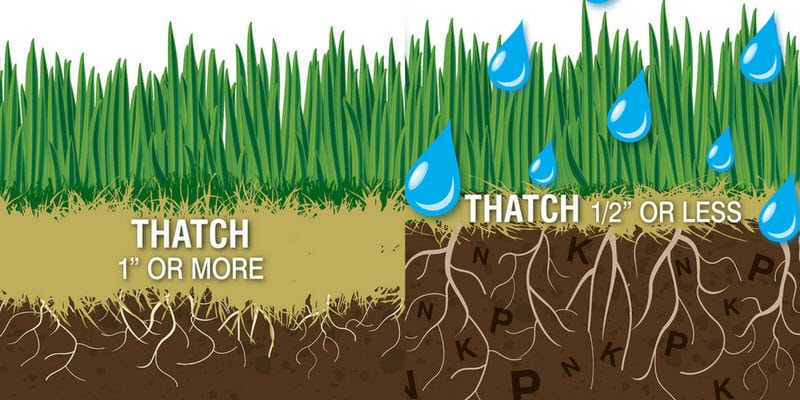
Knowing the signs your lawn needs dethatching helps keep it healthy and green. Thatch is a layer of dead grass, roots, and debris that builds up between soil and grass blades. Too much thatch stops water and nutrients from reaching the roots. It also blocks air, which grass needs to grow strong.
Checking your lawn regularly allows you to spot problems early. Early action prevents damage and keeps your lawn looking good all year round. Here are clear signs and ways to tell if dethatching is needed.
Measuring Thatch Thickness
Dig a small hole about two inches deep in your lawn. Remove soil carefully and look at the layer just above it. Measure the thickness of the thatch layer using a ruler. If the thatch is thicker than half an inch, your lawn needs dethatching. Thin thatch layers do not usually harm grass and can protect roots.
Effects Of Excessive Thatch
Too much thatch holds moisture, creating a breeding ground for insects and diseases. It can also cause the lawn to dry out quickly during hot weather. Grass roots grow upward into the thatch instead of deep into the soil. This weak root system causes the lawn to become thin and patchy.
Common Lawn Issues Linked To Thatch
Lawns with thick thatch often show signs of stress like yellowing grass and bare spots. Water pools on the surface instead of soaking into the ground. Weeds and moss may grow more easily because grass is weak. Lawn mowing becomes harder because the mower blade hits tough debris. These problems signal that dethatching will help restore your lawn’s health.

Credit: www.pennington.com
Benefits Of Dethatching
Dethatching removes the thick layer of dead grass and roots on your lawn. This layer, called thatch, blocks important elements like water and nutrients from reaching the soil. Removing it can help your lawn grow strong and healthy.
Here are some key benefits of dethatching your lawn.
Improved Nutrient Absorption
Thatch can stop nutrients from getting to the grass roots. Dethatching clears this barrier. Nutrients from fertilizers and soil reach the roots easily. This helps grass grow greener and thicker.
Enhanced Water And Air Flow
Water and air must reach the soil for healthy grass. Thick thatch stops water and air from flowing down. Dethatching opens the lawn surface. This allows water and air to move freely to the roots.
Weed And Pest Control
Thatch holds moisture and creates a perfect home for pests and weeds. Removing thatch reduces these hiding spots. This helps keep weeds and pests under control. Your lawn stays cleaner and healthier.
Best Time To Dethatch
Knowing the best time to dethatch your lawn helps keep grass healthy. Dethatching removes the thick layer of dead grass and roots that block water and nutrients. Proper timing depends on the type of grass you have. This guide explains the right timing for cool-season and warm-season grasses. It also highlights why fall is often the best time to dethatch.
Timing For Cool-season Grasses
Cool-season grasses grow best in cooler temperatures. These grasses include fescue, ryegrass, and bluegrass. The best time to dethatch cool-season grasses is early fall. The soil is warm and the air is cooler. This helps grass recover quickly from dethatching. Early spring is another option but fall is preferred.
Timing For Warm-season Grasses
Warm-season grasses like Bermuda, zoysia, and St. Augustine thrive in heat. Dethatch warm-season grasses in late spring or early summer. This is when the grass starts growing fast. Removing thatch during this time lets the grass heal before hot summer months. Avoid dethatching in fall or winter as grass growth slows.
Why Fall Is Ideal For Dethatching
Fall offers perfect conditions for dethatching most lawns. Cool-season grasses grow strongly and recover well in fall. Moist soil helps grass roots absorb water and nutrients. Dethatching removes dead material that blocks these essentials. Fall dethatching also reduces weeds and pests hiding in thatch layers. This helps your lawn stay healthy through winter.
Dethatching Methods And Tools
Dethatching a lawn improves its health by removing the thick layer of dead grass and roots. Choosing the right method and tool makes this task easier and more effective. Various options suit different lawn sizes and thatch levels.
Manual Rakes Vs Power Dethatchers
Manual rakes work well for small lawns or light thatch. They require physical effort but offer good control. Power dethatchers cover large areas faster and remove thick thatch layers with ease. They are ideal for medium to large lawns. Power tools may be heavier and need careful handling.
Using A Lawn Scarifier
A lawn scarifier cuts into the soil and removes thatch deeply. It is stronger than a dethatcher and suits lawns with heavy thatch buildup. Scarifiers often have rotating blades or tines to lift debris. Using a scarifier can also improve soil aeration.
Choosing The Right Equipment
Consider lawn size, thatch thickness, and your physical ability. For small lawns, a manual rake is simple and cheap. Medium lawns benefit from lightweight power dethatchers. Large or very thatchy lawns need a scarifier for best results. Renting equipment is an option for one-time use. Proper equipment helps keep your lawn healthy and green.
Step-by-step Dethatching Process
Dethatching your lawn can bring fresh life to tired grass. Following a clear, step-by-step dethatching process ensures the best results. This guide breaks down the task into simple parts. Each step prepares your lawn for healthy growth and beauty. Understanding each phase helps avoid common mistakes and improves your lawn’s health.
Preparing Your Lawn
Start by mowing your lawn shorter than usual. This makes dethatching easier and more effective. Remove any large debris like sticks or stones. Check the soil moisture. It should be slightly damp, not wet or dry. Wet soil can clog tools, and dry soil makes dethatching harder. Mark any sprinkler heads or underground lines to avoid damage. Clear the area for easy movement during dethatching.
Performing The Dethatching
Use a dethatching rake or a machine designed for this purpose. Begin at one corner of your lawn and work methodically. Pull the dethatcher across the grass, removing the layer of dead roots and stems. Avoid going over the same spot multiple times to prevent lawn damage. Collect the loosened thatch using a rake or lawn mower with a bag attachment. Dispose of the thatch to keep your lawn clean and healthy. Check the lawn for any missed spots and repeat lightly if needed.
Post-dethatching Care
Water your lawn lightly after dethatching to help recovery. Avoid heavy watering that can cause soil compaction. Apply a lawn fertilizer to support new growth and repair. Consider overseeding thin areas to improve grass density. Keep foot traffic on the lawn to a minimum for several days. Monitor your lawn for signs of stress or pests. Regular care after dethatching ensures a lush, green lawn all season long.
Alternatives To Dethatching
Not all lawns need dethatching. Some lawns can improve without it. There are several alternatives that help keep your grass healthy. These methods work well to reduce thatch and improve soil quality. They also support strong root growth and better water absorption. Consider these options before deciding to dethatch your lawn.
Lawn Aeration
Lawn aeration helps soil breathe and soak up water. It removes small plugs of soil from the ground. This creates space for air, water, and nutrients to reach roots. Aeration reduces soil compaction, which often causes thatch buildup. It also helps beneficial microbes break down organic matter. Aeration is gentle and supports natural lawn growth over time.
Topdressing And Overseeding
Topdressing means adding a thin layer of soil or compost. It improves soil quality and encourages healthy grass growth. Overseeding adds fresh grass seeds to bare or thin areas. This thickens the lawn and reduces weed growth. Both methods help the lawn recover without harsh treatments. They improve the lawn’s ability to naturally break down thatch and stay green.
Natural Thatch Breakdown
Thatch breaks down naturally through soil organisms. Earthworms, bacteria, and fungi eat dead grass and roots. Healthy soil life speeds up this process. You can help by keeping the lawn moist and not overusing chemicals. Regular mowing and watering also support natural breakdown. This method takes time but improves soil health and lawn resilience.
Common Mistakes To Avoid
Many lawn enthusiasts make mistakes that harm their grass instead of helping it. Avoiding common dethatching errors improves lawn health and appearance. Learn which mistakes to skip for the best results.
Dethatching Too Often
Removing thatch too often weakens grass roots. Lawns need time to recover after dethatching. Overdoing it leads to poor growth and bare spots. Check thatch thickness before deciding to dethatch again.
Ignoring Grass Type Needs
Different grass types have different dethatching needs. Warm-season grasses usually need dethatching less often than cool-season ones. Knowing your grass type helps avoid unnecessary damage. Tailor dethatching methods to suit your lawn species.
Poor Timing And Weather Conditions
Dethatching at the wrong time stresses grass. Avoid dethatching during drought or extreme heat. Early spring or fall works best for most lawns. Always pick a calm, moist day to support quick recovery.
Credit: www.milorganite.com
Maintaining A Healthy Lawn After Dethatching
Maintaining a healthy lawn after dethatching is key to its quick recovery and long-term vitality. Dethatching removes the layer of dead grass and roots that block water and nutrients. This process can stress your lawn, so proper care afterward helps it bounce back strong. Follow simple steps to support new growth and keep your lawn lush and green.
Watering And Fertilizing Tips
Water your lawn deeply but less often to encourage strong roots. Aim for early morning watering to reduce evaporation. Avoid overwatering, which can cause disease and weak grass. Apply a balanced fertilizer to supply essential nutrients. Use slow-release formulas to feed your lawn gradually. Fertilize about one to two weeks after dethatching for best results.
Regular Lawn Care Practices
Keep mowing your lawn at the proper height for your grass type. Avoid cutting too short to reduce stress on new shoots. Remove lawn debris and leaves to prevent smothering. Aerate the soil if it feels compacted to improve air and water flow. Watch for pests or weeds and treat them promptly to avoid damage. Consistent care supports healthy growth after dethatching.
Monitoring Lawn Recovery
Check your lawn weekly for signs of new growth and green color. Look for bare spots or thinning areas that need extra care. Give these spots more water and fertilizer if needed. Stay patient, as full recovery can take a few weeks. Early attention helps prevent problems and ensures your lawn stays vibrant and strong.
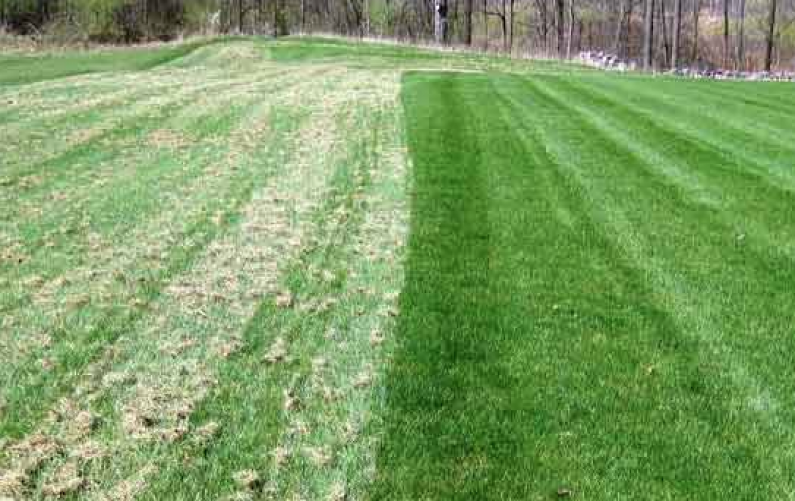
Credit: www.turftechnologies.co.nz
Frequently Asked Questions
How To Tell If A Lawn Needs Dethatching?
Check for a thick, spongy layer of dead grass and roots above soil. Measure thatch depth; over ½ inch means dethatching is needed.
Is It Worth It To Dethatch A Lawn?
Dethatching is worth it if your lawn’s thatch layer exceeds ½ inch. It improves air, water, and nutrient flow, promoting healthy grass growth.
What Is An Alternative To Dethatching?
A lawn scarifier serves as an effective alternative to dethatching. It removes thick thatch layers and promotes healthier grass growth.
Should You Dethatch Your Lawn In The Fall?
Dethatch your lawn in early fall for cool-season grasses. It removes thick thatch, improves nutrient absorption, and prepares grass for winter. Avoid dethatching wet soil. Pair with aeration and fertilizing for best results.
Conclusion
Dethatching can improve your lawn’s health and appearance. It removes old, dead grass that blocks water and nutrients. Not all lawns need dethatching, so check the thatch layer thickness. If it’s over half an inch, consider dethatching. Doing it at the right time, like in fall for cool-season grasses, helps the lawn recover faster.
Proper dethatching prevents weeds and promotes strong, green grass growth. Keep an eye on your lawn’s condition to decide when dethatching is necessary. A healthy lawn requires care, and dethatching is one important step.