If you’re caring for plants or managing a garden, you’ve probably wondered: are soil moisture meters accurate? You want to water your plants just right—not too much, not too little.
But can you really trust those little devices stuck in your soil to give you the truth? Knowing the real moisture level can save your plants from drying out or drowning, but not all meters work the same. You’ll discover how soil moisture meters work, what affects their accuracy, and whether they’re worth using in your garden or indoor plants.
Keep reading to make sure you’re giving your plants exactly what they need to thrive.
How Soil Moisture Meters Work
Soil moisture meters help measure the water content in soil. They give quick readings to guide watering plants. These tools work by sensing how much water is in the soil around the sensor. Understanding their function helps to know their accuracy and use.
The working principle depends on different types and technologies. Each type uses sensors to detect moisture levels. These sensors send signals to show if soil is dry, moist, or wet. The readings help gardeners water plants correctly.
Types Of Soil Moisture Meters
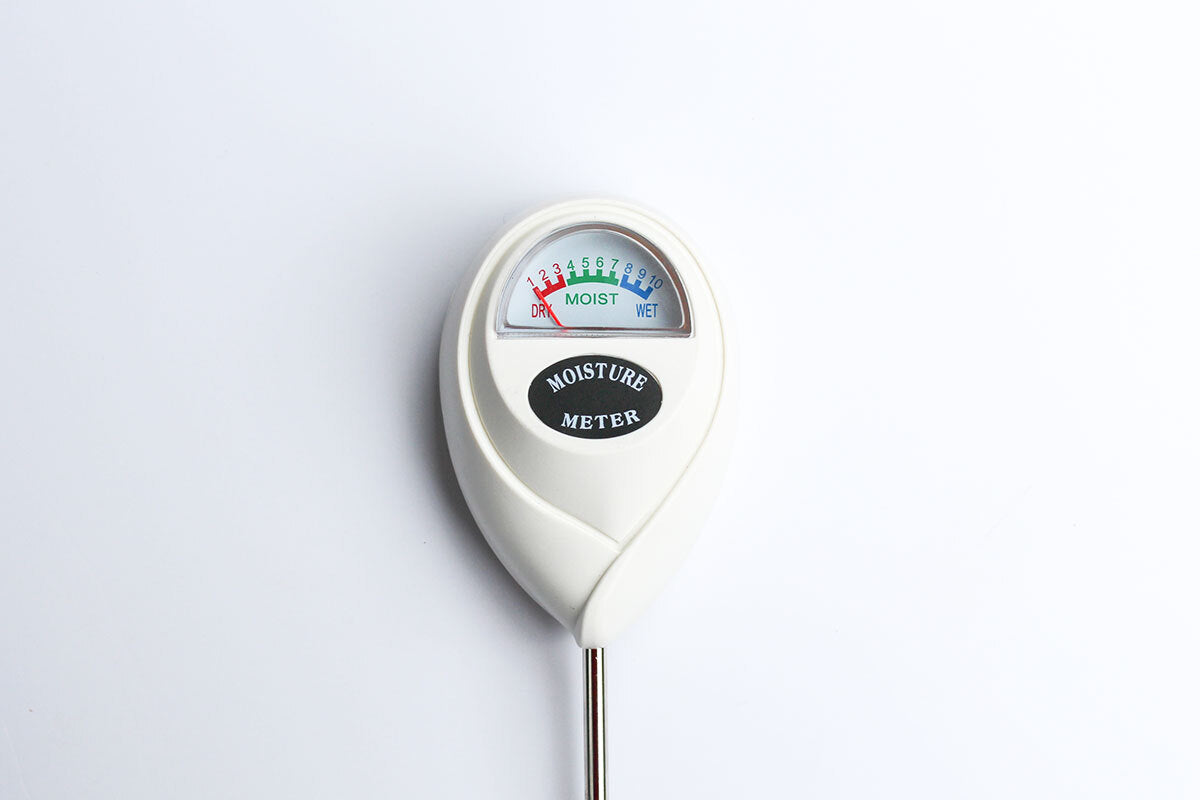
There are several types of soil moisture meters. The most common are analog and digital meters. Analog meters use a needle to show moisture level. Digital meters display numbers for precise reading. Some meters combine moisture with pH or light sensors. Choosing the right type depends on your needs.
Sensor Technologies Explained
Soil moisture meters use different sensor technologies. The two main ones are resistance and capacitance sensors. Resistance sensors measure electric current through the soil. Water affects how electricity flows, so moisture changes the reading. Capacitance sensors measure the soil’s ability to hold an electric charge. They are more accurate and less affected by soil type. Each sensor type has pros and cons for accuracy and cost.
Factors Affecting Readings
Many factors affect soil moisture meter readings. Soil type is important; sandy and clay soils hold water differently. Temperature can change how sensors work. Salt or fertilizer in soil can affect electric signals. Depth of sensor placement also matters for correct reading. Proper use and calibration improve accuracy. Understanding these factors helps get the best results.
Accuracy Challenges
Soil moisture meters provide quick readings, but their accuracy faces several challenges. Different factors can affect how well these devices measure moisture levels. Understanding these challenges helps in choosing and using meters wisely.
Impact Of Soil Composition
Soil type changes how moisture meters read water content. Sandy soils drain quickly and hold less water. Clay soils retain water longer and may cause higher readings. Organic matter can also affect readings by holding moisture unevenly. Each soil type needs careful interpretation of meter results.
Effect Of Air Gaps And Installation
Air gaps between the meter sensor and soil reduce accuracy. Loose soil or poor insertion causes these gaps. They block proper contact, leading to false low moisture levels. Firmly placing the sensor without disturbing roots improves reading reliability. Correct installation is key for dependable results.
Limitations Of Cheap Meters
Cheap soil moisture meters often lack precise sensors. They may not be calibrated for different soil types. This leads to inconsistent and misleading readings. Low-quality meters can also damage plant roots with electric probes. Investing in reliable meters avoids these common problems.
Testing Meter Reliability
Testing the reliability of soil moisture meters is essential for gardeners and farmers. Accurate readings help maintain plant health and avoid overwatering or underwatering. Simple tests can reveal if a meter gives consistent and trustworthy results. This section covers practical ways to check meter reliability.
Repeated Measurement Method
Take several readings from the same soil spot in a short time. Reliable meters show very little difference between these readings. Large fluctuations may indicate sensor issues or poor quality. Repeated tests help identify meters that provide stable moisture levels.
Calibration Techniques
Calibration adjusts the meter to match known moisture levels. Use soil samples with measured moisture content to compare against meter readings. Some meters allow manual calibration for improved accuracy. Regular calibration ensures the meter stays reliable over time.
Comparing Meter Readings
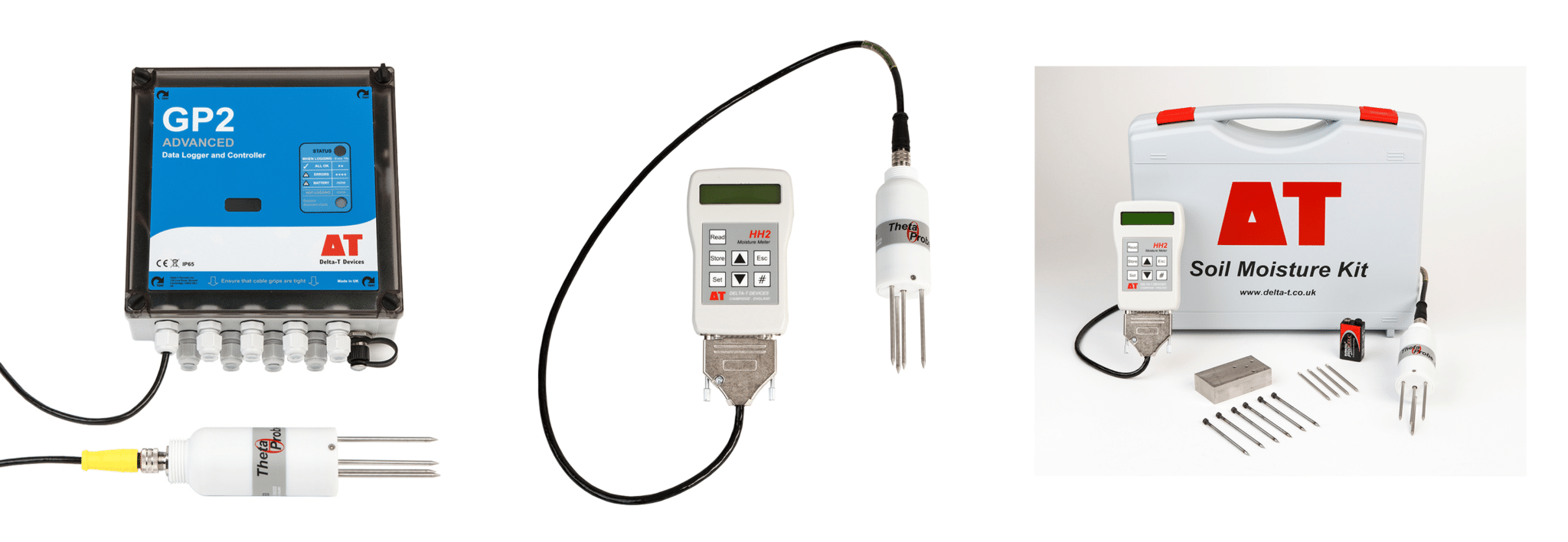
Compare results from different meters on the same soil sample. If readings vary widely, some meters may be inaccurate. Cross-checking helps find trustworthy devices. Comparing also highlights meters that perform better in specific soil types.
Credit: delta-t.co.uk
Risks Of Inaccurate Meters
Using soil moisture meters can help manage watering needs effectively. Yet, inaccurate meters pose risks that may harm plants. Understanding these risks helps gardeners avoid common mistakes and protect plant health.
Potential Root Damage
Inaccurate meters sometimes require repeated probing into the soil. This action can injure delicate roots. Damaged roots reduce the plant’s ability to absorb water and nutrients. Some meters use electric currents that may harm root cells. Frequent use of such meters risks stunting plant growth. Care is needed to prevent root damage during measurement.
Overwatering And Underwatering Consequences
Wrong moisture readings lead to improper watering decisions. Overwatering causes soil to stay too wet, suffocating roots. This condition invites root rot and fungal infections. Underwatering leaves plants thirsty and weak, slowing growth. Both extremes stress plants, making them vulnerable to pests. Accurate moisture data is essential to avoid these problems.
Long-term Plant Health Effects
Consistent misreading of soil moisture affects plants over time. Stress from poor watering reduces flowering and fruit production. Plants may become less resilient to weather changes and diseases. Soil quality can decline due to imbalance in moisture levels. Healthy plants need balanced moisture for strong roots and leaves. Reliable meters support long-term garden success.
Choosing The Right Meter
Choosing the right soil moisture meter is key to getting accurate readings. Meters vary in features, price, and quality. Picking one that fits your needs helps you care for your plants better. This section breaks down what to consider and shows top options.
Features To Look For
Accuracy is the most important feature. Check if the meter gives consistent readings on the same soil. Look for meters with easy-to-read displays. Some have digital screens, others use analog dials. A good probe length helps test deeper soil layers. Waterproof or durable designs last longer. Simple calibration options improve reliability. Avoid meters that need complex setup. Lightweight and portable meters are easier to use in the garden.
Price Vs. Performance
Low-cost meters often lack accuracy and durability. Cheap sensors can give wrong readings, leading to over or underwatering. Mid-range meters offer better sensors and build quality. They balance price and performance well. High-end meters provide precise readings and extra features, like multiple sensors or data logging. Decide how often you will use the meter. For casual gardeners, a mid-range meter works fine. Professional gardeners may benefit from investing in higher-end models.
Recommended Brands And Models
Several brands consistently earn good reviews. Dr. Meter offers reliable, easy-to-use models for beginners. XLUX produces meters with solid accuracy at a fair price. Sonkir meters are popular for their clear displays and durability. For advanced users, Vegetronix provides precise sensors with digital outputs. Always check user reviews to ensure the meter performs well in real gardens. Compare features and prices before buying.
Practical Tips For Use
Soil moisture meters can give useful information about your soil’s water content. Using them correctly improves their accuracy. Follow simple steps to get the best results. These tips help you avoid mistakes and protect your plants.
Proper Insertion Techniques
Insert the meter probe gently into the soil. Avoid forcing it, as this can damage roots. Push the probe deep enough to reach the root zone. Take readings at several spots for a better overview. Remove the probe slowly to keep it clean and accurate.
Cleaning And Maintenance
Wipe the probe clean after each use. Use a soft cloth to remove dirt and debris. Avoid using harsh chemicals that can damage the sensor. Store the meter in a dry place to prevent rust. Regular cleaning keeps the meter working well for a long time.
Interpreting Readings Effectively
Readings vary by soil type and conditions. Compare meter results with how the soil feels to touch. Use the meter as a guide, not an exact measure. Check moisture at different depths for a full picture. Adjust watering based on combined readings and plant needs.
Alternative Soil Moisture Assessment Methods
Soil moisture meters offer quick readings, but their accuracy can vary. Many gardeners explore other methods to check soil moisture. These alternative ways help confirm moisture levels and protect plant health. Some methods rely on simple senses, while others use modern technology. Here are some common alternatives to soil moisture meters.
Manual Soil Feel Test
This test uses touch to judge soil moisture. Grab a handful of soil and squeeze it gently. If it feels dry and crumbly, it needs water. If it holds shape but crumbles easily, moisture is good. Sticky or muddy soil means too much water. This method takes practice but works well for many gardeners.
Using Plant Behavior Signals
Plants show signs when thirsty or overwatered. Drooping leaves often signal lack of water. Pale or yellow leaves can mean too much moisture. Slow growth or leaf drop may also indicate moisture issues. Watching plants closely helps guide watering schedules. It’s a natural way to assess soil without tools.
Advanced Sensor Technologies
New sensors measure soil moisture with high precision. These devices use probes or wireless signals to track moisture levels. Some connect to smartphones for easy monitoring. They provide continuous data and alerts for watering needs. Though more expensive, they offer reliable and detailed soil moisture information.

Credit: innoquestinc.com
Credit: www.theholisticingredient.com
Frequently Asked Questions
How Do I Know If My Moisture Meter Is Accurate?
Test your moisture meter by measuring the same material multiple times. Consistent readings confirm accuracy. Calibrate regularly and avoid cheap models for best results.
What Soil Moisture Meter Actually Works?
Reliable soil moisture meters use advanced sensors and proper calibration for consistent, accurate readings. Avoid cheap models as they often give false results and can harm roots. Choose well-reviewed digital meters with TDR or capacitance technology for best performance and plant safety.
Are Cheap Moisture Meters Any Good?
Cheap moisture meters often provide inconsistent and inaccurate readings due to poor sensors and lack of calibration. They may harm delicate plant roots and lead to wrong watering decisions. Investing in a quality meter ensures reliable soil moisture measurement and better plant care.
Can You Damage Roots With A Moisture Meter?
Yes, using a moisture meter can harm roots if the device uses electric probes. Cheap meters increase this risk. Handle probes gently to avoid damage.
Conclusion
Soil moisture meters can provide helpful guidance but vary in accuracy. Quality and calibration matter most for reliable readings. Test your meter multiple times to check consistency. Avoid cheap models that often give false results. Use meters as a tool, not the only decision factor.
Combine readings with touch and visual checks for best care. Proper use helps keep plants healthy and soil well-watered. Choose wisely and maintain your meter for long-lasting use.