You’ve just rolled out your new lawn, and now you’re probably wondering: how long before it truly settles in and looks lush? You want to enjoy your green space without worrying about damaging delicate roots or waiting endlessly.
Knowing exactly how long roll on lawn takes to establish can save you time, effort, and frustration. You’ll discover the timeline for your lawn’s roots to take hold, the signs to watch for, and simple tips to help your grass thrive faster.
Keep reading to make sure your new lawn becomes the envy of your neighborhood in no time!
You May Like
No products found.
Roll On Lawn Basics
Roll on lawns offer a quick way to get a fresh, green yard. They come ready to lay and can transform bare soil fast. Understanding the basics helps set the right expectations for growth and care.
Choosing the right type of turf and knowing how it establishes will make your lawn healthier and last longer.
What Is Roll On Lawn
Roll on lawn is grass grown and cut into rolls at farms. These rolls are delivered and laid directly on prepared soil. The grass starts to grow quickly after installation.
This method avoids the wait time needed for seed to sprout. It also helps prevent soil erosion on slopes or bare patches.
Types Of Turf Available
Several turf types suit different climates and uses. Common options include Bermuda, Fescue, and Kentucky Bluegrass.
Bermuda turf is great for warm areas and recovers fast from wear. Fescue stays green in cooler weather and needs less sunlight. Kentucky Bluegrass offers a soft texture and rich color but requires more care.
Select turf based on your local climate, lawn use, and sunlight exposure.
Credit: tahoma31.com
Rooting Timeline
The rooting timeline of roll on lawn is vital for a healthy, green yard. It shows how the grass establishes underground. This process affects how soon you can enjoy your lawn. Understanding the rooting stages helps in proper care and maintenance.
Initial Root Establishment
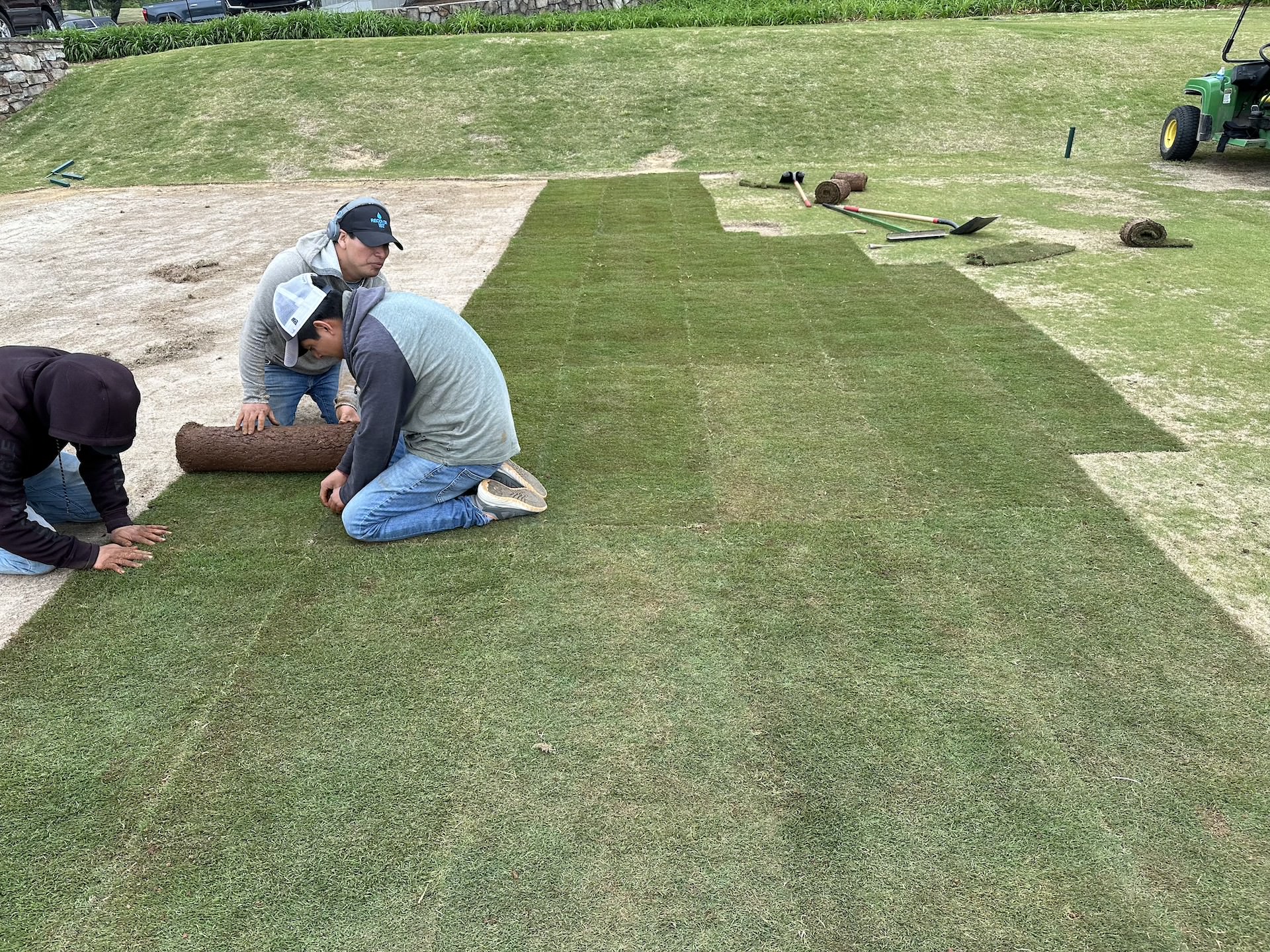
During the first 1 to 2 weeks, roots start to grow into the soil. The grass absorbs water and nutrients to survive. You should keep the soil moist but not soaked. Avoid heavy foot traffic to prevent damage. This stage is fragile but crucial for the lawn’s future.
Full Root Integration
Between 3 to 4 weeks, roots spread deeper and stronger. The lawn becomes firmly attached to the ground. At this point, you can gently walk on the grass. Mowing can begin once roots hold the turf well. Continued watering and care promote full growth.
Factors Affecting Establishment
Several factors influence how quickly a roll-on lawn establishes. Understanding these helps you create the best conditions for healthy growth. Each factor plays a key role in root development and grass health. Let’s explore the main elements affecting lawn establishment.
Soil Preparation
Proper soil preparation is essential for roll-on lawns. The soil must be loose and free of debris. This allows roots to spread easily. Testing soil pH helps ensure it suits the grass type. Adding compost or fertilizer improves soil nutrients. Well-prepared soil supports faster root growth and strong grass.
Weather Conditions
Weather greatly affects lawn establishment time. Warm temperatures encourage root growth. Cool weather may slow the process. Avoid laying turf during extreme heat or frost. Mild, moist conditions help grass settle quickly. Rain can be helpful but too much causes problems like waterlogging.
Watering Practices
Watering is critical during the first weeks after laying the lawn. Keep the soil moist but not soggy. Frequent light watering helps roots grow deeper. Reduce watering gradually as the lawn establishes. Overwatering or underwatering both harm new grass. Proper watering speeds up lawn establishment.
Grass Type
Different grass types establish at different rates. Warm-season grasses like Bermuda establish faster in warm climates. Cool-season grasses like fescue take longer to root. Choose a grass type suited to your region. The right grass type ensures quicker and healthier lawn establishment.
Credit: www.therebels.com
Walking On New Lawn
Walking on a newly rolled lawn requires patience. The grass needs time to settle and grow strong roots. Early walking can damage the young grass and slow down its growth. Knowing when to step onto your new lawn helps it establish faster and look healthy.
Safe Waiting Period
Wait at least two to three weeks before walking on your new lawn. This gives the grass time to root deeply into the soil. Strong roots help the lawn resist damage from foot traffic. During this time, avoid heavy use and keep the lawn moist.
Check if the turf is firmly attached by gently tugging on a grass roll. If it stays in place, it is safer to walk on. Also, wait until the grass grows to about 3 inches tall before mowing or walking.
Risks Of Early Use
Walking on a new lawn too soon can cause several problems. It may tear the grass away from the soil, creating bare patches. The soil can become compacted, making it hard for roots to grow. This weakens the lawn and invites weeds.
Damaged turf takes longer to recover and may need repair. Avoid heavy equipment or pets on the lawn during the first few weeks. Protecting your lawn during this critical phase ensures a lush, green yard for years.
First Mowing Tips
The first mowing after installing a roll-on lawn is a crucial step. It helps the grass grow stronger and look neat. Mowing too early or too short can damage young grass. Follow these tips to keep your new lawn healthy and beautiful.
When To Mow
Wait until the grass roots have settled well into the soil. Usually, this takes about two to three weeks. The grass blades should be around 3 to 4 inches tall before mowing. Avoid mowing if the soil is still soft or wet. This prevents damage to the roots and soil structure.
Mowing Height And Technique
Set your mower blade to a high setting for the first cut. Remove only one-third of the grass height at a time. Cutting too short stresses the grass and slows growth. Use a sharp mower blade for a clean cut. Clean cuts help prevent disease and promote quick recovery.
Seasonal Considerations
Seasonal considerations play a key role in how quickly your roll on lawn establishes. The weather and temperature impact root growth and grass health. Choosing the right season helps the lawn settle faster and look greener.
Understanding these seasonal effects can save time and effort. It also reduces the risk of lawn failure or slow growth. Let’s explore the best times and how winter and summer affect lawn establishment.
Best Time To Lay Lawn
The ideal time to lay roll on lawn is during mild, moist weather. Early spring and early autumn are perfect. The soil is warm enough for roots to grow. Rainfall is usually steady, helping the lawn stay hydrated.
Cold or dry soil slows root growth. Hot, dry conditions stress the grass. Avoid laying lawn in extreme weather. This gives your lawn the best start and faster establishment.
Winter Vs Summer Establishment
Winter slows down grass growth due to cold temperatures. The lawn takes longer to root and settle. Frost can damage young grass shoots. Extra care is needed to keep the lawn moist and protected.
Summer can be too hot and dry for new lawns. Grass may dry out before roots develop. Watering must be frequent to prevent stress. Strong sun can cause leaf burn on young grass.
Spring and autumn offer balanced conditions. Soil temperature and moisture encourage quick rooting. The lawn recovers faster from mowing and foot traffic. Plan your lawn installation around these seasons for best results.
Maintenance For Faster Establishment
Proper maintenance plays a key role in helping your roll on lawn establish quickly. Taking good care of your new lawn ensures strong roots and healthy grass growth. Simple steps like watering, fertilizing, and aerating can speed up the process. Here are the main maintenance tasks to focus on for faster lawn establishment.
Watering Schedule
Water your new lawn immediately after laying the rolls. Keep the soil moist but not soaked. Water lightly twice a day for the first two weeks. Early morning and late afternoon are best times. Reduce watering gradually as the grass roots grow deeper. Proper watering helps roots settle and prevents the grass from drying out.
Fertilizing
Apply a starter fertilizer rich in phosphorus right after laying the lawn. This nutrient encourages strong root growth. Avoid over-fertilizing, which can burn young grass. After 3 to 4 weeks, use a balanced fertilizer to support leaf growth. Fertilizing at the right time boosts lawn health and speeds up establishment.
Aerating And Rolling
Aerate the soil before laying the roll on lawn to improve air and water flow. Aeration helps roots grow deeper and stronger. Rolling the lawn after laying ensures good contact with the soil. Avoid heavy rolling that compacts the soil. Gentle rolling helps the grass settle and promotes faster rooting.
Common Issues And Solutions
Roll on lawns can face certain problems during the establishment phase. Knowing common issues helps you fix them early. Proper care ensures a healthy, green lawn faster. Here are frequent challenges and how to solve them.
Turf Drying Out
Newly laid turf needs regular watering to stay moist. Dry grass can die quickly and slow root growth. Water the lawn daily, especially during hot days. Early morning watering helps the grass absorb moisture better. Avoid overwatering, which can cause root rot.
Patchy Growth
Uneven grass growth may appear as bare or thin spots. This happens when soil contact is poor or watering is uneven. Press the turf firmly on the soil when laying it. Fill gaps with extra soil and seed to help fill patches. Keep watering consistent until grass grows evenly.
Pest Problems
Insects or pests can damage new turf. Watch for signs like holes, brown spots, or wilting grass. Use natural pest control methods or safe insecticides. Removing pests early protects the young lawn. Healthy grass recovers faster from minor pest damage.
Frequently Asked Questions
How Long Before You Can Walk On Roll Out Grass?
Wait at least 2-3 weeks before walking on roll out grass. This allows roots to establish firmly in the soil. Minimize foot traffic to ensure healthy growth.
How Long Does It Take For A Lawn To Establish?
A lawn typically takes 2 to 3 weeks to establish roots. Avoid heavy foot traffic during this period. Proper watering and care speed up growth.
How Long Does Rolled Turf Take To Root?
Rolled turf typically takes 2 to 3 weeks to root fully. Avoid heavy foot traffic during this period. Water regularly to encourage strong root growth. Once roots establish, the turf becomes stable and ready for mowing. Proper care speeds up the rooting process and ensures a healthy lawn.
What Month Should You Roll Your Lawn?
Roll your lawn in early spring when soil is moist to avoid compacting roots. This helps grass grow evenly and stay healthy.
Conclusion
A roll-on lawn usually takes about two to three weeks to establish. During this time, roots grow deep into the soil. Keep the lawn moist but avoid overwatering. Avoid walking on the grass until it feels firm. Mow carefully once the roots hold the turf in place.
Good care speeds up growth and creates a healthy lawn. Patience and proper watering make all the difference. Your new lawn will soon look green and lush.