If you’ve just rolled your lawn, you might be wondering what’s next. Should you aerate your lawn right after rolling it?
It’s a common question that can make a big difference in how healthy and lush your grass grows. You want your lawn to look its best, but doing the wrong thing at the wrong time can harm your grass instead of helping it.
You’ll discover when aeration works best after rolling and how to decide if your lawn really needs it. Keep reading to learn the simple steps that can transform your yard into the green space you’ve always wanted.
You May Like
No products found.
Benefits Of Rolling Lawn
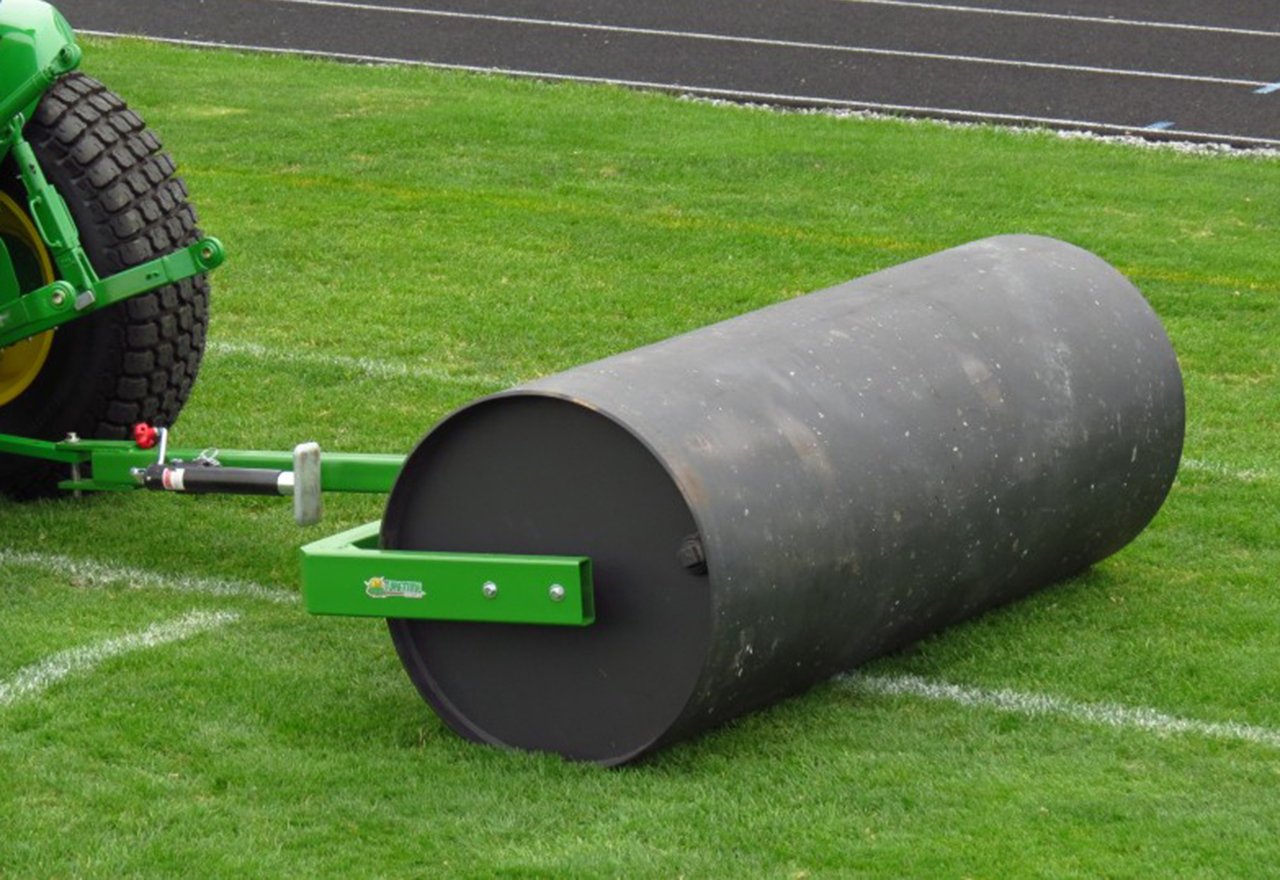
Rolling your lawn offers several benefits that improve its overall health and appearance. It helps to create a firm and even surface, making your lawn look neat and tidy. Rolling also aids in better soil and seed contact, which can lead to stronger grass growth. Understanding these benefits can help you decide on the best lawn care steps.
Improves Soil Contact
Rolling pushes soil particles closer together. This creates better contact between the soil and grass roots. Improved contact allows roots to absorb water and nutrients more efficiently. It also helps reduce air pockets that can dry out roots.
Smooths Uneven Surfaces
Lawns often develop bumps and dips from weather or foot traffic. Rolling presses these uneven spots down. This creates a flat, smooth surface that is easier to mow. A smooth lawn looks healthier and more attractive.
Enhances Seed Germination
After planting grass seed, rolling helps press seeds into the soil. This prevents seeds from washing away or being eaten by birds. Seeds in firm contact with soil absorb moisture better. This leads to faster and more even germination.
Credit: www.whygoodnature.com
Purpose Of Aeration
Aeration is an important lawn care practice that helps keep your grass healthy. It involves making small holes in the soil to improve its condition. Understanding the purpose of aeration can help you decide if you should aerate after rolling your lawn.
Relieves Soil Compaction
Soil compaction happens when the soil becomes too dense. This stops roots from growing properly. Aeration loosens the soil. It creates space for roots to spread out and take in nutrients.
Improves Air And Water Flow
Grass needs air and water to survive. Compacted soil blocks these essentials. Aeration opens the soil, letting air and water reach the roots. This helps the grass stay green and strong.
Promotes Root Growth
Aeration gives roots room to grow deeper. Strong roots make the grass more resistant to drought and stress. Healthy roots also help the lawn recover from damage faster.
Timing: Aerate Before Or After Rolling
Deciding the right time to aerate your lawn in relation to rolling is key. The timing affects soil health and grass growth. Aeration loosens the soil and allows roots to breathe. Rolling smooths the lawn surface and helps with leveling. Choosing whether to aerate before or after rolling influences these benefits.
Aerating Before Rolling
Aerating before rolling opens holes in the soil. This helps air, water, and nutrients reach roots easily. After aeration, rolling presses the soil gently. It smooths the lawn without closing aeration holes. This sequence keeps soil loose and healthy. It also reduces soil compaction caused by rolling.
Aerating After Rolling
Aerating after rolling can close some holes made by the roller. The soil becomes firmer and less penetrable. Aeration holes may not be as deep or effective. Roots get less air and moisture. This can reduce the benefits of aeration. It may also disturb the smooth surface created by rolling.
Ideal Sequence For Best Results
Perform aeration first to loosen compacted soil. Wait for the soil to dry slightly if wet. Then use the roller to level the lawn carefully. This order keeps aeration holes open and soil balanced. It improves root growth and water drainage. Your lawn looks even and stays healthy longer.
When To Avoid Aeration
Aeration helps your lawn breathe and grow stronger. Yet, aerating at the wrong time can harm your grass. Knowing when to avoid aeration protects your lawn’s health and saves effort. Here are key times to skip aeration after rolling your lawn.
During Dormant Lawn Periods
Do not aerate when grass is dormant. Grass slows growth in cold or dry seasons. Aeration can stress the lawn and delay recovery. Wait for the growing season to aerate. This timing helps grass heal and fill in holes.
On Frozen Or Waterlogged Soil
Avoid aerating frozen ground. Tools cannot penetrate hard, frozen soil. Aeration is also harmful on waterlogged soil. Wet soil compacts easily and may form clumps. Aerating in these conditions damages roots and soil structure. Wait for dry, thawed soil for best results.
After Recent Seeding
Do not aerate right after seeding. New seedlings are fragile and need time to grow roots. Aerating too soon can uproot or crush young grass. Wait until grass is established before aerating. This protects new growth and supports healthy lawn development.
Seasonal Considerations
Seasonal timing plays a big role in deciding whether to aerate after rolling your lawn. Each season affects soil, grass growth, and recovery differently. Choosing the right time helps your lawn stay healthy and strong. Knowing when to aerate can improve the benefits you get from lawn rolling.
Understanding seasonal changes helps you plan lawn care tasks better. Aerating at the wrong time can stress your grass. This section explains the best seasons for aeration after rolling and when to avoid it.
Fall Aeration Advantages
Fall offers cool air and warm soil, perfect for aeration. Soil is softer from autumn rains, making aeration easier. Aerating after rolling helps roots grow deeper before winter. This strengthens the lawn and prepares it for cold months. Fewer weeds grow in fall, so grass faces less competition. Aeration in fall helps grass absorb nutrients better. It also improves water drainage during winter rains.
Spring Aeration Benefits
Spring is a time of new growth, making it good for aeration. Rolling the lawn first smooths the surface for better aeration. Aerating in spring boosts root development as grass wakes up. It helps grass recover from winter damage faster. Spring aeration improves air and water flow to roots. This supports strong, healthy grass for the growing season. Timing is key: aerate after the soil thaws and dries.
Summer And Winter Restrictions
Summer heat can stress grass, so avoid aeration then. Aerating dry soil in summer can harm roots. Water needs increase if you aerate during hot months. Winter is not suitable because grass is dormant. Frozen soil is hard and aeration tools will not work well. Aerating in winter can damage the lawn and delay recovery. Wait until spring or fall for the best aeration results.
Aeration Techniques
Aeration improves soil health and helps grass roots grow strong. It allows air, water, and nutrients to reach deep into the soil. There are different ways to aerate a lawn. Choosing the right method depends on your lawn’s needs and soil type.
Core Aeration
Core aeration removes small plugs of soil from the lawn. This creates holes that let air and water reach the roots. It reduces soil compaction and helps roots grow deeper. Core aeration is best for heavy clay soils or thick lawns. It is a popular choice for improving overall lawn health.
Spike Aeration
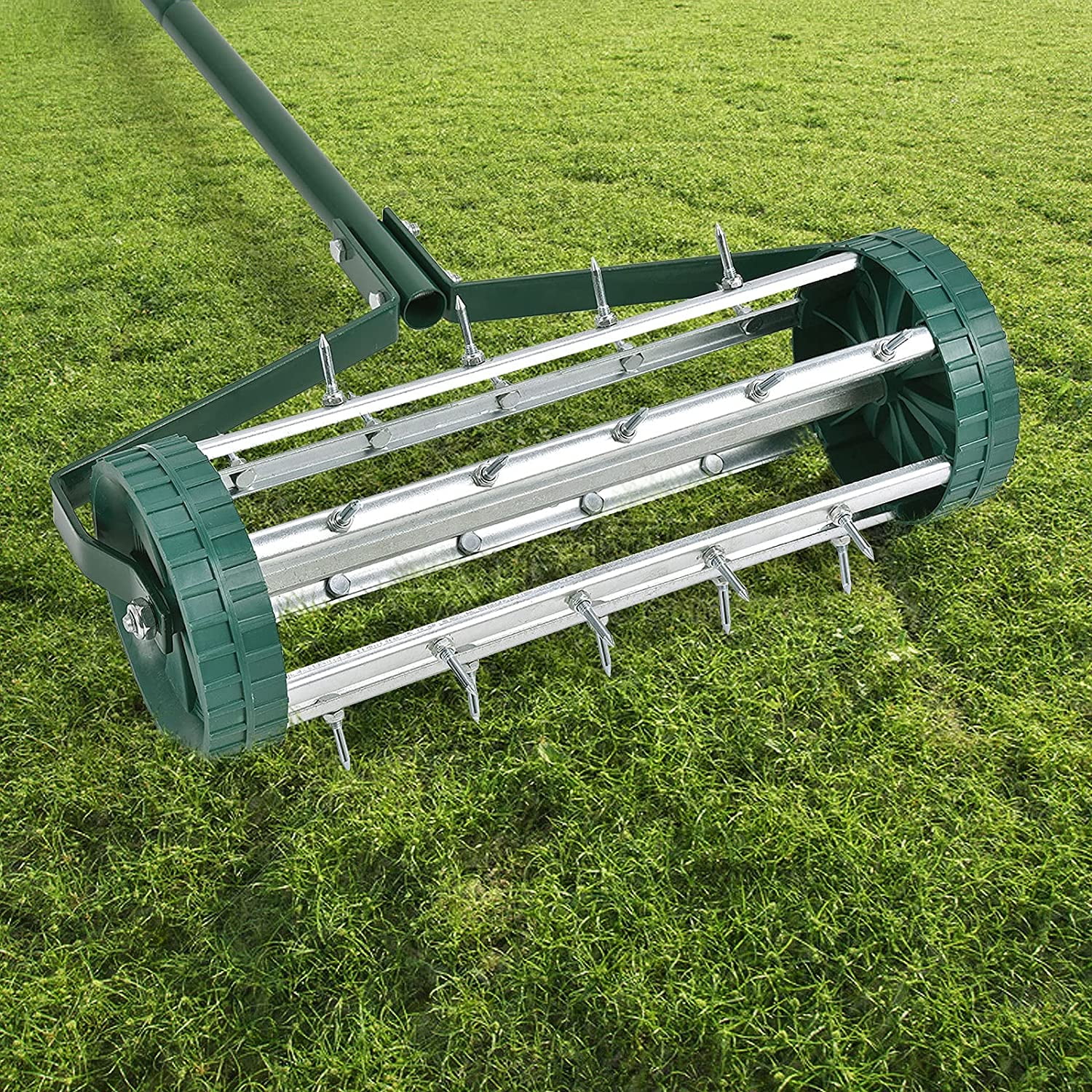
Spike aeration uses a tool with solid tines to poke holes in the soil. It does not remove soil plugs but makes small openings. This method is quicker and easier than core aeration. Spike aeration is good for light soil compaction. It works well for lawns that need mild aeration.
Liquid Aeration
Liquid aeration uses special solutions to break down compacted soil. It helps loosen the soil without mechanical tools. This method improves soil structure and promotes root growth. Liquid aeration is easy to apply with a sprayer. It suits lawns with minor compaction or those needing gentle care.
Lawn Roller Types
Choosing the right lawn roller affects your lawn’s health and appearance. Different rollers suit various lawn types and tasks. Knowing the types helps you decide when and how to roll your lawn properly.
Water-filled Rollers
Water-filled rollers are popular for their adjustable weight. You fill them with water to add weight or drain to make them lighter. These rollers are gentle on the lawn and easy to move around. They work well for small to medium lawns and help flatten uneven spots without damaging grass roots.
Steel Rollers
Steel rollers are heavy and durable. They provide firm pressure to level hard soil or freshly seeded areas. These rollers are best for large lawns or areas with thick soil. Their weight can compact the soil more, so use them carefully to avoid harming the lawn structure.
Lightweight Vs Heavy Rollers
Lightweight rollers are easier to handle and less likely to harm grass. They smooth minor bumps and help seed make good soil contact. Heavy rollers press deeper into the soil, which can cause compaction. Use heavy rollers only if the soil is loose or needs serious leveling. Choosing the right weight depends on your lawn’s condition and your goals.
Post-aeration Lawn Care
After aerating your lawn, proper care is crucial to help grass recover and grow healthy. Aeration creates holes that allow air, water, and nutrients to reach the roots better. Taking care of your lawn right after this process boosts its strength and appearance. Follow these simple steps for post-aeration lawn care to get the best results.
Watering Tips
Water your lawn lightly but often after aeration. Keep the soil moist but not soaked. Avoid heavy watering that can wash away nutrients or cause soil compaction. Early morning watering is best to reduce evaporation. Regular watering helps new roots grow deep and strong.
Fertilizing After Aeration
Apply fertilizer soon after aerating to feed your grass. Use a balanced fertilizer with nitrogen, phosphorus, and potassium. The holes from aeration help fertilizer reach the roots faster. Avoid over-fertilizing, which can harm your lawn. Follow package instructions for the right amount and timing.
Seeding And Topdressing
Aeration is a good time to seed bare spots in your lawn. Spread grass seed evenly over the aerated area. Cover seeds lightly with soil or topdressing like compost. Topdressing helps protect seeds and improves soil quality. Keep the seeded area moist until grass sprouts and grows strong.
Common Mistakes To Avoid
Many homeowners wonder about the best way to care for their lawn after rolling it. Avoiding common mistakes helps keep the grass healthy and strong. Rolling and aerating have different roles, and doing them wrongly can harm the lawn.
Understanding what not to do ensures better results and saves time. Here are some frequent errors to avoid after rolling your lawn.
Rolling Too Often
Rolling your lawn too often compacts the soil. Compacted soil blocks air, water, and nutrients. The grass roots cannot grow well in hard soil. Rolling should be done only when necessary to smooth bumps. Over-rolling damages the lawn’s health and slows growth.
Aerating Wet Or Frozen Ground
Aerating wet soil clogs the aerator and creates uneven holes. Wet ground also compacts more when disturbed. Frozen soil is too hard for aeration tools to penetrate. Aerate only when the soil is dry but not too dry. Proper timing helps the grass recover fast and grow deeply.
Ignoring Lawn Type Needs
Different grass types have different needs for aeration and rolling. Cool-season grasses may need aeration in fall, while warm-season grasses prefer spring. Some lawns tolerate rolling better than others. Know your grass type to apply the right care. Ignoring this can reduce the benefits of aerating and rolling.
Credit: ojoalconcejo.org
Tools And Equipment Recommendations
Choosing the right tools and equipment makes lawn care easier and more effective. Proper aeration and rolling require specific gear. Using the correct tools helps improve soil health and lawn appearance. Below are key recommendations for selecting and maintaining this equipment.
Choosing The Right Aerator
Select an aerator that suits your lawn size and soil type. Spike aerators push holes into the soil. Core aerators remove plugs of soil, allowing better air and water flow.
For small lawns, manual or handheld aerators work well. Larger areas benefit from gas or electric-powered aerators. Always check the aerator’s tine length and spacing for best results.
Selecting A Lawn Roller
Pick a lawn roller based on your lawn’s needs. Water-filled rollers offer adjustable weight and are easy to move. Steel rollers provide more pressure but are heavier to handle.
Use a roller to smooth out bumps after aeration or seeding. Avoid rolling too often to prevent soil compaction. Choose a roller width that matches your lawn size to save time.
Maintenance Tips For Equipment
Clean your aerator and roller after each use. Remove soil and grass debris to prevent rust. Store tools in a dry place to extend their life.
Check for damaged tines or parts regularly. Replace worn components to keep equipment working well. Lubricate moving parts to avoid stiffness and breakdowns.
Frequently Asked Questions
Should You Roll Before Or After Aeration?
Roll your lawn after aeration to smooth the surface and help soil settle evenly. Rolling before aeration can compact soil, reducing aeration effectiveness.
When Not To Aerate Your Lawn?
Avoid aerating your lawn during winter dormancy, on frozen or overly wet soil, and right after seeding new grass.
Is October Too Late To Aerate Your Lawn?
October is usually a good time to aerate cool-season lawns due to cooler temperatures and moist soil. Avoid aerating frozen ground or newly seeded areas. Aeration strengthens roots before winter, promoting healthier growth in spring. For warm-season grasses, October may be too late.
Should I Aerate After Rolling Lawn Reddit?
Aerate your lawn before rolling, not after. Aeration loosens soil, while rolling compacts it. Aerate first to improve root growth and soil health.
Conclusion
Aerating after rolling your lawn helps improve soil health and root growth. Rolling firms the surface, while aeration loosens compacted soil. This combination lets water, air, and nutrients reach grass roots better. For best results, aerate when the soil is moist but not soggy.
Avoid aerating frozen or overly dry ground. Timing matters to support lawn recovery and growth. Regular care with rolling and aeration keeps your lawn green and strong. Choose the right time and method for your grass type. Your lawn will thank you with a healthier, lush appearance.