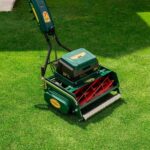
Are you tired of dealing with a bumpy, uneven lawn that spoils the look of your outdoor space? You might have heard that lawn rollers can smooth things out and give you that perfect, flat yard.
But do lawn rollers really work the way you expect? Before you invest time and money, it’s important to understand what a lawn roller can—and can’t—do for your lawn. You’ll discover the truth about lawn rollers, when to use them, and the best tips to get your lawn looking its best.
Keep reading to find out if a lawn roller is the right tool for your lawn care routine.
How Lawn Rollers Work
Lawn rollers help smooth out uneven ground and press seeds into the soil. They make lawns look neat and help grass grow evenly. Understanding how lawn rollers work can guide you in using them properly for the best results.
Types Of Lawn Rollers
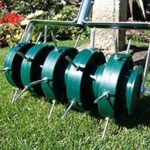
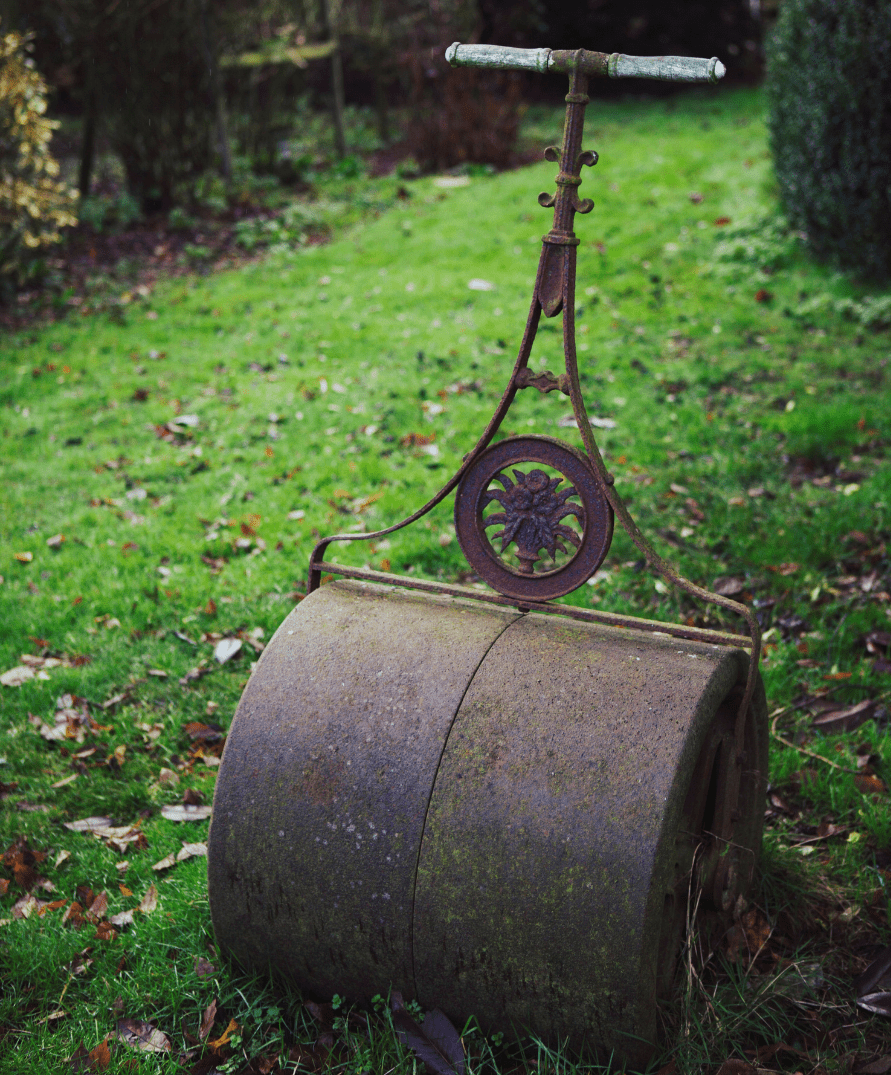
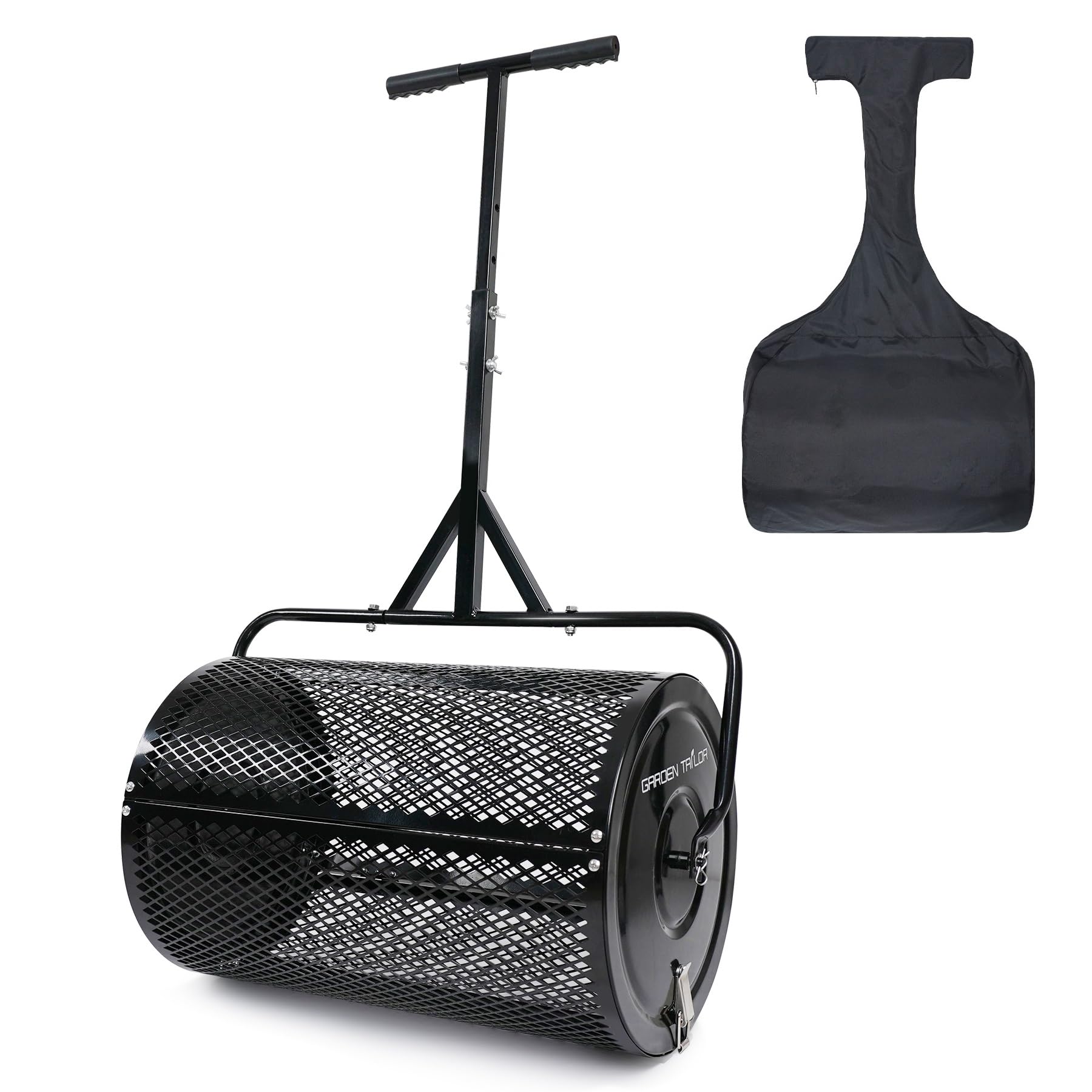
Lawn rollers come in different types. Some are filled with water or sand to add weight. Others are made of solid steel or plastic. Hand-pushed rollers suit small yards. Larger areas may need tow-behind rollers attached to a lawn tractor. The weight and size depend on your lawn’s needs.
Mechanics Behind Lawn Rolling
A lawn roller presses the soil surface flat. This reduces bumps and fills small holes. The roller compresses the soil, making it firm. It also presses grass seeds into the ground, helping them stay put. Rolling helps roots contact soil better, encouraging growth. But too much pressure can harm the grass roots.
Ideal Conditions For Use
Use a lawn roller when the soil is moist but not wet. Rolling dry soil can cause cracks. Rolling wet soil can compact it too much. The best time is early spring or after seeding. Avoid rolling during high heat or drought. Limit rolling to once or twice per year to keep soil healthy.
Benefits Of Using Lawn Rollers
Using a lawn roller offers several benefits that improve the health and look of your yard. This simple tool helps fix small lawn problems quickly. It also prepares the soil for new grass seeds. Plus, it makes the lawn look smooth and neat. Here are some main benefits of using lawn rollers.
Smoothing Minor Bumps
Lawn rollers press down small bumps and uneven spots. This creates a flat surface that is easier to mow. A smooth lawn also prevents damage to lawn mowers. Rolling helps settle the soil after heavy rain or frost. It makes the lawn safer to walk on and looks well cared for.
Improving Seedbed Preparation
Before planting grass seed, the soil must be even and firm. Lawn rollers press seeds into the soil for better contact. This improves seed germination and growth. Rolling reduces air pockets under the soil. This helps grass roots grow stronger and faster. A firm seedbed also lowers the chance of soil erosion.
Enhancing Lawn Appearance
Rolling your lawn gives it a clean, polished look. The tool presses grass blades down evenly. This makes the lawn look lush and well-kept. A smooth lawn reflects light better, making colors appear brighter. Regular rolling can improve curb appeal and make outdoor spaces more enjoyable.
Limitations And Risks
Lawn rollers have their uses, but they come with limits and risks. Understanding these helps you decide if a roller suits your lawn care needs.
Some problems can make lawn rolling less effective or even harmful. Knowing these issues prevents damage and wasted effort.
Soil Compaction Concerns
Soil compaction happens when the ground gets too hard. This blocks air, water, and nutrients from reaching grass roots. Over time, compacted soil hurts grass health and growth. Using a heavy roller often increases soil compaction. Rolling too often or on wet soil makes this worse. Compacted soil can cause poor drainage and patchy grass.
Effectiveness On Severe Unevenness
Lawn rollers work best on mild bumps and small dips. For deep holes or large bumps, rollers don’t fix the problem. Severe unevenness needs more work like filling holes or re-grading. Rolling a very bumpy lawn may only flatten the top layer. This leaves problems underneath, which can come back quickly.
Potential Grass Damage
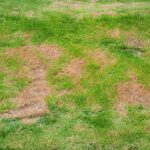
Rolling can damage grass if done incorrectly. Using a roller on wet grass can crush blades and roots. Rolling too often stresses the grass and slows growth. Heavy rollers or repeated rolling may kill grass in spots. Grass can become weak and patchy after damage. It’s safer to roll only when necessary and in dry conditions.
Alternatives To Lawn Rolling
Many gardeners seek smooth, even lawns but wonder if lawn rollers are the only solution. Several alternatives can help improve lawn surfaces without the risks of heavy compaction. These methods work well for different lawn types and conditions. They also support healthy grass growth while addressing bumps and uneven spots.
Topdressing With Sand Or Soil
Topdressing means spreading a thin layer of sand or soil over your lawn. This fills small dips and levels the surface naturally. The material settles into low spots, creating a smoother lawn. It also improves soil quality and drainage. Spread evenly and water lightly to help it settle. Repeat as needed for best results.
Using Lawn Drags And Rakes
Lawn drags and rakes help distribute soil and sand across the lawn. These tools break up clumps and smooth rough areas. Drags made from chain link or mesh work well for this task. Pulling a drag over your lawn evens out high and low patches. This method is simple and does not compact the soil like rollers.
Professional Grading Services
Professional grading involves reshaping your lawn’s surface using heavy equipment. Experts remove large bumps and fill deep holes quickly. This method provides a long-lasting, level lawn base. Professionals also ensure proper drainage to prevent future problems. Grading is ideal for major lawn repairs or new installations.
Best Practices For Lawn Rolling
Using a lawn roller can improve your lawn’s appearance and health if done correctly. Following best practices helps avoid damage and gets the best results. Learn how to roll your lawn at the right time, how often, and how to prepare properly.
When To Roll Your Lawn
Roll your lawn when the soil is moist but not wet. This helps the roller smooth the surface without compacting the soil too much. Early spring or after seeding works well. Avoid rolling during drought or heavy rain to protect grass roots.
Rolling Frequency Guidelines
Limit lawn rolling to once or twice a year. Too much rolling compacts the soil and harms grass growth. For new seed, roll gently to press seeds into the soil. Use a heavier roll only if your lawn has bumps or uneven spots.
Preparation Steps Before Rolling
Mow your lawn short before rolling. Remove rocks, sticks, and debris that can damage the roller or lawn. Water the lawn a day before rolling to soften the soil. Mark sprinkler heads or shallow areas to avoid damage during rolling.
Credit: oscillotamerica.com
Real User Experiences
Real user experiences provide valuable insights about lawn rollers. They reveal what works and what doesn’t. Listening to actual users helps to understand the tool’s true effectiveness on lawns. Below are common views shared by those who have tried lawn rollers.
Success Stories
Many users report smooth, even lawns after using a lawn roller. They say it helps flatten bumps and settle new soil. Some gardeners notice better seed-to-soil contact, improving grass growth. Rolling after seeding often leads to quicker, more uniform grass sprouting. Users appreciate how the lawn roller makes the yard look neat and tidy.
Common Complaints
Some users find lawn rollers heavy and hard to handle. They mention that rolling too often can compact the soil, hurting grass roots. Others say it does not fix deep dips or large uneven areas. Some complain about temporary results, with bumps returning after rain. Improper use may cause damage instead of improving lawn health.
Expert Opinions
Experts agree lawn rollers work best on new lawns or after soil leveling. They recommend light rolling to avoid soil compaction. Professionals suggest using rollers filled with water for better weight control. Experts warn against frequent rolling to prevent grass damage. They advise combining rolling with other lawn care practices for best results.
Choosing The Right Lawn Roller
Choosing the right lawn roller is key to getting a smooth, even lawn surface. Not all rollers are the same. Picking one that fits your lawn’s size and soil type makes a big difference. Understanding the options helps you avoid damage and get the best results.
Weight And Size Considerations
The roller’s weight affects how well it compacts the soil. Heavy rollers work better for large, uneven lawns. Light rollers suit small or soft lawns to avoid damage. Size matters too. A wider roller covers more ground but may be harder to move. Choose a size that fits your lawn area and your strength.
Water Vs. Solid Fill Rollers
Water-filled rollers let you adjust the weight. Fill them full for heavy rolling or partly for lighter work. Solid fill rollers are heavier and more durable. They give consistent pressure but can be hard to move. Water rollers are easier to store and transport. Think about how often and where you will use the roller.
Budget And Quality Factors
Cheaper rollers may save money but might not last long. High-quality rollers have better materials and construction. They resist rust and wear better. Consider how often you will use the roller. A good quality roller is a smart choice for frequent use. Balance your budget with the roller’s durability and features.
Credit: lawnsavers.com
Credit: www.g-locbrakes.com
Frequently Asked Questions
Can A Lawn Roller Repair A Bumpy Lawn?
A lawn roller can slightly smooth minor bumps but often compacts soil, worsening unevenness. Topdressing with sand or soil works better for fixing bumpy lawns.
How Do You Flatten A Bumpy Lawn?
Spread sand or topsoil over low spots, then drag a leveling tool across the lawn. Water to settle and repeat as needed for a smooth, even surface. Avoid heavy rolling, which can compact soil and harm grass.
Is A Roller Good For A Lawn?
A lawn roller helps level soil and seedbeds, promoting even growth. Use it sparingly to avoid soil compaction and grass damage.
Can A Yard Roller Damage My Lawn?
Yes, a yard roller can damage your lawn by compacting soil and stressing grass roots if overused. Limit rolling to once a year.
Conclusion
Lawn rollers can help smooth small bumps and prepare soil for seeding. Use them carefully to avoid soil compaction, which can harm grass roots. Rolling works best on newly seeded or freshly filled lawns, not on old, uneven turf. Combine rolling with other lawn care methods like topdressing and watering for better results.
Remember, moderation matters—too much rolling can damage your lawn’s health. Choose the right time and roller weight for your lawn’s needs. Overall, lawn rollers have a place but aren’t a fix-all solution.