Are you wondering if rolling your lawn after seeding is really worth the effort? You want your new grass to grow thick and healthy, but sometimes it’s tricky to know the best steps to take right after spreading seed.
Should you roll your lawn to press the seeds into the soil, or is it better to skip this step? Making the right choice now can save you time, money, and frustration down the road. You’ll discover exactly when and why rolling your lawn after seeding can boost germination and give your grass the best chance to thrive.
Keep reading to learn simple tips that will transform your lawn care routine and help you get that lush, green yard you’ve been dreaming of.
You May Like
No products found.
Credit: www.greengianthc.com
Benefits Of Rolling Lawn After Seeding
Rolling your lawn after seeding helps create a better environment for grass growth. It presses the seeds gently into the soil. This simple step improves seed contact and protects seeds from being washed away.
Proper rolling also speeds up the germination process. A firm seedbed keeps moisture and warmth close to the seeds. This encourages faster sprouting and stronger roots.
Enhancing Seed-to-soil Contact
Rolling pushes grass seeds into the soil surface. This contact is crucial for seed survival. Seeds need to touch the soil to absorb water and nutrients. Without good contact, seeds may dry out or blow away.
Firm soil around seeds helps keep them in place. Rolling reduces air pockets that can dry seeds quickly. It ensures seeds stay moist and ready to sprout.
Preventing Seed Washout
Loose seeds can wash away during rain or watering. Rolling creates a smooth, even surface that holds seeds firmly. This prevents seeds from moving or collecting in low spots.
By reducing seed movement, rolling helps maintain an even lawn. It lowers the chance of bare patches caused by seed loss. Your lawn grows more evenly and looks fuller.
Accelerating Germination
Seeds germinate faster in firm, moist soil. Rolling helps trap moisture around seeds. It creates a warm, stable environment ideal for growth.
Good seed-to-soil contact also helps seeds absorb nutrients quickly. This boosts early root development and strong grass blades. Rolling speeds up the time it takes for your lawn to green up.
When To Roll Your Lawn
Knowing when to roll your lawn is key for strong grass growth. Rolling helps press seeds into the soil. This creates better contact between seed and soil. Good seed-to-soil contact improves germination and reduces seed loss.
Different stages of lawn care call for rolling at different times. Choosing the right moment can boost your lawn’s health. Below are tips on when to roll before, after, and during overseeding.
Rolling Before Seeding
Rolling before seeding flattens the soil surface. It removes bumps and uneven spots. A smooth surface helps spread seeds evenly. Rolling first also firms loose soil. This prevents seeds from sinking too deep later.
Use a light roll to avoid compacting soil too much. Soil that is too hard stops roots from growing well. Rolling before seeding works best on bare soil. It prepares the ground for the new grass seed.
Rolling After Seeding
Rolling after seeding pushes seeds into the soil. This step improves seed contact with the dirt. Seeds that touch soil germinate faster and stronger. Rolling also helps stop seeds from washing away.
Do not roll too hard to avoid crushing seeds. A gentle roll is enough to press seeds into the soil. After rolling, keep the soil moist for good growth. Rolling after seeding is a common and helpful practice.
Rolling During Overseeding
Overseeding adds new grass seed to an existing lawn. Rolling during overseeding helps press seed into small soil gaps. It ensures more seeds reach the soil surface. This increases the chance of new grass growing.
Roll lightly to avoid damaging existing grass. A lawn roller with less weight works best here. Rolling during overseeding helps fill thin or bare lawn spots. It supports a denser, healthier lawn over time.
Methods For Rolling Lawn
Rolling your lawn after seeding helps press the seeds into the soil. This improves seed-to-soil contact and protects seeds from wind and birds. Several methods exist for rolling lawns. Choose the one that fits your lawn size and budget.
Using A Lawn Roller
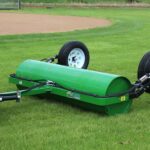
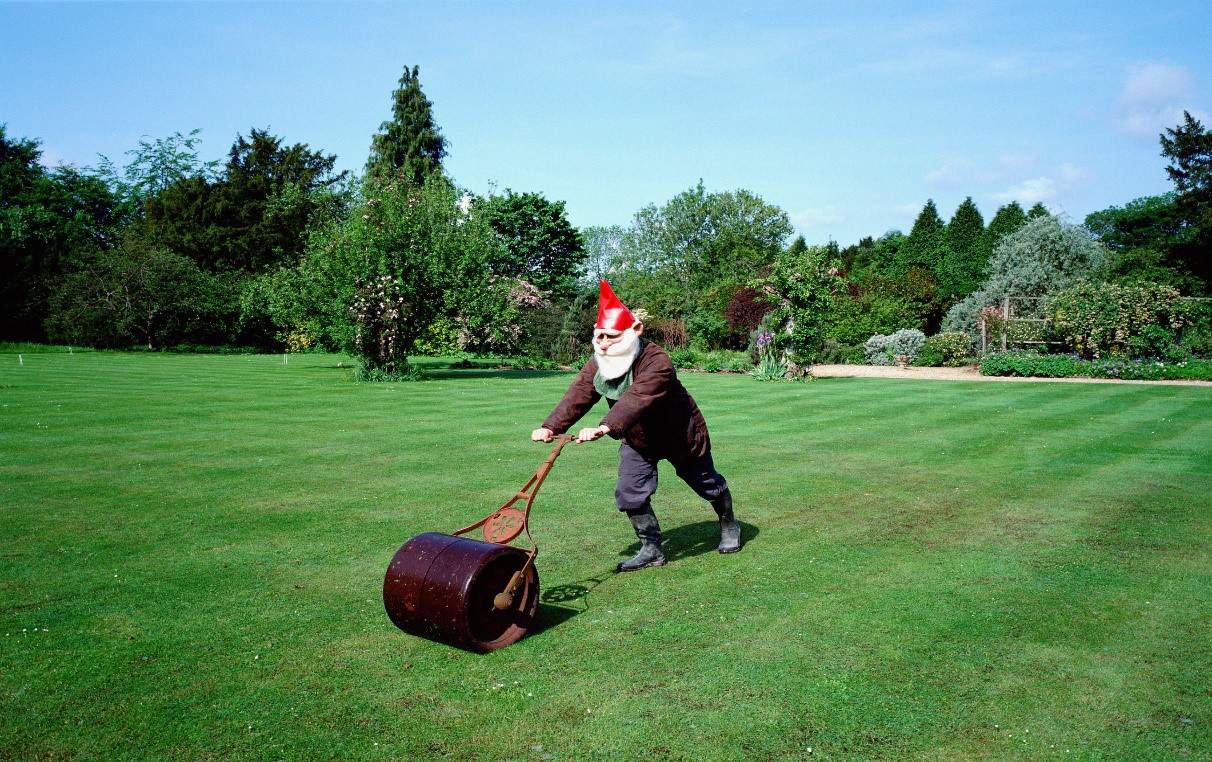
A lawn roller is a heavy cylinder that flattens the soil surface. Fill it with water or sand for weight. Push or pull it slowly across the seeded area. This presses seeds gently into the soil. It prevents seeds from washing away during rain. Lawn rollers are best for medium to large lawns.
Alternative Tools And Techniques
If you do not have a lawn roller, use a plank of wood. Place the plank on the soil and step on it evenly. Repeat across the lawn to press seeds down. Another option is a flat garden rake. Lightly rake the soil to cover seeds. Avoid disturbing the soil too much. These tools work well for small or uneven areas.
Diy Lawn Rolling Tips
Roll the lawn right after seeding for best results. Do not press too hard to avoid compacting the soil. Roll in one direction first, then at a right angle. Keep the soil moist but not soggy after rolling. Water gently to help seeds start growing. Avoid walking on the lawn until grass is strong.

Credit: www.turftimeeq.com
Watering And Aftercare Post-seeding
Watering and aftercare are vital steps after seeding your lawn. Proper care helps seeds germinate and grow strong roots. Without the right moisture, new grass can dry out or fail to sprout. Understanding how to water and care for your lawn ensures better results after seeding.
Maintaining Moisture Levels
Keep the soil consistently moist but not soaked. Moisture helps seeds absorb water and start growing. Check the soil daily and water lightly if the top inch feels dry. Avoid overwatering, which can wash away seeds or cause mold.
Frequency Of Watering
Water your lawn two to three times a day during the first two weeks. Early morning and late afternoon are ideal times for watering. After two weeks, reduce watering to once daily. Gradually decrease frequency as grass grows stronger.
Managing Hot And Dry Conditions
Hot weather dries soil quickly and stresses new grass. Increase watering frequency during heatwaves or dry spells. Use a fine spray to avoid washing away seeds. Shade your lawn with light fabric if possible to reduce heat stress.
Risks And Drawbacks Of Rolling
Rolling your lawn after seeding seems helpful but has risks. It is not always the best choice. Understanding the drawbacks helps you make the right decision for your lawn care.
Soil Compaction Issues
Rolling can compact the soil too much. Compacted soil blocks air and water from reaching grass roots. This slows down seed growth and root development. Over time, compacted soil harms lawn health. It also makes future watering and fertilizing harder.
Potential Damage To Seedlings
New seedlings are fragile. Rolling may crush young grass shoots and seeds. This reduces the number of growing plants. Damaged seedlings take longer to recover or may die. Gentle care is better for delicate new grass.
When Rolling May Not Be Necessary
Some soils do not need rolling. Light, loose soils hold seeds well without compaction. If the soil is soft or sandy, rolling might harm it. Also, lawns with thick grass cover usually don’t need rolling. Seeds fall naturally between grass blades and root easily.
Expert Tips For Perfect Turf
Achieving a lush, green lawn starts with expert steps. Rolling your lawn after seeding can improve seed-to-soil contact. This boosts germination and helps new grass grow evenly. Follow these expert tips for perfect turf to get the best results.
Combining Rolling With Proper Soil Preparation
Prepare your soil before seeding for healthy turf. Remove debris, rocks, and weeds first. Loosen the soil surface to allow roots to grow easily. After spreading seed, use a lawn roller gently. This presses seeds into the soil, improving contact. Avoid heavy rolling that compacts soil too much. Good soil and careful rolling create a strong start for grass.
Timing And Weather Considerations
Roll your lawn soon after seeding, not before. Choose a day with calm weather and moist soil. Rolling on dry or wet soil can harm seeds or soil structure. Avoid rolling during heavy rain or very hot days. Ideal conditions help seeds stay in place and absorb moisture. Timing your rolling right supports faster, healthier germination.
Monitoring Seed Germination Progress
Watch your lawn closely after rolling and seeding. Keep the soil moist but not soaked. Mist the area daily to support seed sprouting. Look for tiny green shoots as a sign of germination. Avoid walking on the seeded area to protect young grass. Adjust watering based on weather to keep soil balanced. Careful monitoring helps you catch problems early and enjoy a thick lawn.
Frequently Asked Questions
Should You Roll Before Or After Seeding?
Roll your lawn after seeding to press seeds into the soil. This improves seed-to-soil contact and speeds germination. Avoid rolling before seeding, as it can compact the soil and hinder growth.
What To Do After Grass Seeding?
After grass seeding, keep the soil consistently moist by watering lightly once or twice daily. Avoid overwatering to prevent seed washout. Use a lawn roller to press seeds into the soil for better contact and faster germination. Protect the area from foot traffic until grass establishes.
Is It Better To Roll Then Seed Or Seed Then Roll?
Seed first, then roll your lawn to press seeds into the soil. This improves seed-to-soil contact and speeds germination. Rolling before seeding can cause uneven seed distribution.
Should You Roll A Lawn After Overseeding?
Rolling a lawn after overseeding helps press seeds into the soil for better contact and faster germination. It prevents seed washout and uneven growth. Use a lawn roller gently to avoid soil compaction and maintain moisture for optimal seed sprouting.
Conclusion
Rolling your lawn after seeding helps press seeds into the soil firmly. This improves seed-to-soil contact and speeds up germination. It also reduces seed washout from rain or watering. Keep the soil moist but not soaked for best results. Rolling is not always required but often benefits new grass growth.
Consider your lawn’s condition before deciding to roll. A smooth, even surface supports better seed placement. Use a lawn roller gently to avoid compacting soil too much. Healthy grass starts with good seed contact and care.