Is your once-lush lawn turning brown and patchy? You’re not alone, and the good news is, you don’t have to live with a dull yard.
Imagine stepping outside to a vibrant, green lawn that makes your home the envy of the neighborhood. It’s easier to achieve than you think. You’ll discover simple, effective steps to bring your brown lawn back to life. Keep reading, and you’ll learn how to transform your outdoor space into a healthy, green oasis you’ll love spending time on.
Causes Of Brown Lawn
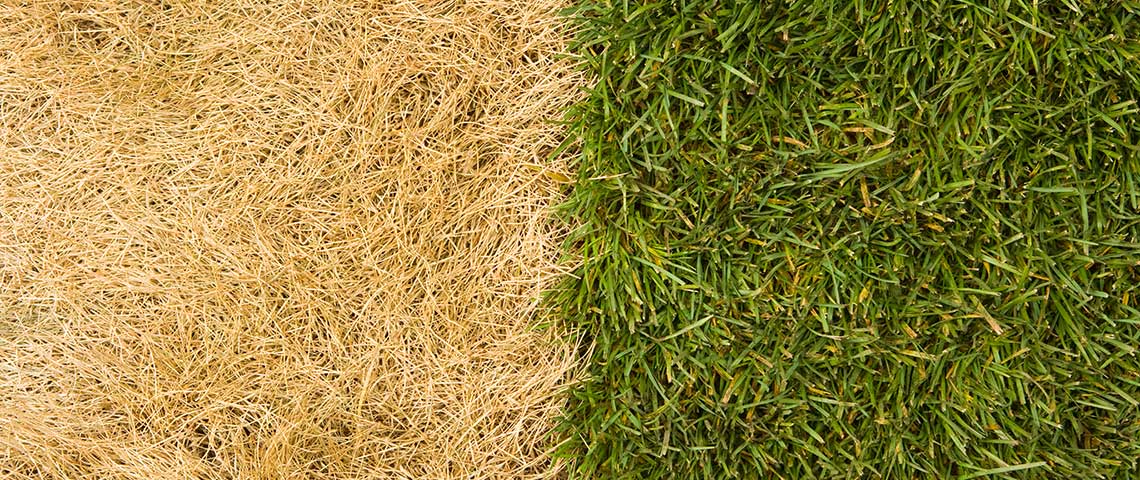
Brown patches on your lawn signal trouble. Understanding the causes helps bring it back to green health. Many factors cause brown grass, from water issues to pests. Identifying the main problem is the first step to fix it.
Drought And Water Stress
Grass needs water to stay green and healthy. Lack of rain or irregular watering causes drought stress. Grass turns brown and dry without enough moisture. Water deeply and regularly to keep roots strong.
Soil Compaction
Soil gets hard when compacted by foot traffic or machines. Compacted soil blocks air, water, and nutrients from roots. Grass struggles to grow and turns brown in these areas. Aerating soil helps roots breathe and absorb water.
Pest And Disease Damage
Insects like grubs eat grass roots, causing brown spots. Fungal diseases also damage grass blades and roots. These pests and diseases weaken the lawn quickly. Treating pests and diseases saves your grass.
Nutrient Deficiency
Grass needs nutrients like nitrogen, phosphorus, and potassium. Lack of nutrients causes yellow or brown grass. Fertilizing the lawn restores its green color and health. Test soil to know which nutrients are missing.
Excessive Heat And Sunlight
Too much sun and heat dry out the grass fast. Grass blades wilt and turn brown under strong sunlight. Shade or watering during hot days helps protect the lawn. Choosing heat-tolerant grass types also improves survival.
Assessing Your Lawn’s Condition
Before you start fixing a brown lawn, you need to know what is wrong with it. Assessing your lawn’s condition helps you find the real problems. This way, you can choose the right steps to make it green again. Take your time to check every part of your lawn carefully.
Identifying Problem Areas
Walk around your lawn and look closely at brown spots. Are they dry or patchy? Do some areas have more sun or shade? Note where the grass looks weak or dead. These problem areas tell you where to focus your efforts. Sometimes, the brown patches may be bigger or smaller in different spots.
Soil Testing Basics
Soil health is key for a green lawn. Use a soil test kit to check your soil’s pH and nutrients. These kits are easy to use and show what your soil lacks. Acidic or alkaline soil can stop grass from growing well. Knowing soil problems helps you add the right fertilizers or lime.
Checking For Pests And Diseases
Look for signs of bugs or diseases in your lawn. Small insects or holes in grass blades can cause damage. Diseases may show as spots, mold, or unusual colors on grass. Catching pests and diseases early stops them from spreading. Treating these problems quickly helps your lawn recover faster.
Watering Techniques
Watering techniques play a big role in turning a brown lawn green again. Proper watering helps grass grow healthy roots. It also prevents water waste and lawn diseases. Learning the right way to water saves time and money.
Optimal Watering Schedule
Water your lawn early in the morning. This reduces water loss from evaporation. Aim for about 1 inch of water each week. Spread this amount over two to three watering sessions. Avoid watering in the heat of the day. Evening watering can cause fungal growth.
Deep Vs. Shallow Watering
Deep watering encourages roots to grow downward. It helps grass stay strong in dry times. Water slowly so it reaches 6 to 8 inches deep. Shallow watering only wets the surface. It causes weak roots and dry patches. Choose deep watering for a healthier lawn.
Irrigation Systems Tips
Check your irrigation system regularly. Fix broken or clogged sprinkler heads fast. Adjust sprinkler patterns to avoid watering sidewalks or driveways. Use a timer to control watering length and frequency. Drip irrigation works well for small or dry areas.
Soil Improvement Methods
Improving soil is key to turning a brown lawn green again. Healthy soil helps grass roots grow strong. It holds water and nutrients better. Better soil means healthier grass and fewer brown spots.
Use these simple soil improvement methods to restore your lawn’s color and life.
Aeration Benefits
Aeration means poking small holes in the soil. This lets air, water, and nutrients reach grass roots. It reduces soil compaction, making it easier for roots to grow. Aeration helps your lawn absorb rain and fertilizer better. It also improves drainage and prevents water from pooling.
Topdressing With Compost
Topdressing is spreading a thin layer of compost over your lawn. Compost adds organic matter to the soil. This improves soil texture and increases nutrient content. It helps retain moisture and encourages beneficial microbes. Use high-quality compost to nourish your grass naturally.
Adjusting Soil Ph
Soil pH affects how well grass can absorb nutrients. Most grasses prefer a pH between 6.0 and 7.0. Test your soil to check its pH level. Add lime to raise pH if soil is too acidic. Use sulfur to lower pH if soil is too alkaline. Balanced soil pH helps grass grow thick and green.
Choosing The Right Grass Seed
Choosing the right grass seed is key to turning a brown lawn green again. The right seed grows well in your area and fits your lawn’s needs. This helps create a healthy, green lawn fast. Picking the best seed also saves water and care time.
Selecting Grass Types For Your Region
Grass types differ by climate and soil. Cool-season grasses like Kentucky bluegrass and fescue do well in northern areas. They stay green in spring and fall. Warm-season grasses like Bermuda and zoysia suit southern regions. They thrive in hot, sunny places.
Check your region’s average temperature and rainfall. Choose grass that matches these conditions. This helps the grass grow strong and resist brown patches. Local garden centers can guide you on the best grass types.
Overseeding Strategies
Overseeding fills bare spots with new grass seed. It helps thicken a thin lawn and improves color. Start by mowing your lawn short. Remove dead grass and debris. Spread seed evenly over the lawn. Lightly rake to cover the seed with soil.
Water the lawn gently after overseeding. Keep the soil moist until grass sprouts. This usually takes two to three weeks. Overseeding in early fall or spring gives the best results. It allows grass to grow before extreme weather arrives.
Credit: www.pennington.com
Fertilizing For Green Growth
Fertilizing is key to turning a brown lawn green again. It provides the grass with nutrients it needs to grow strong and healthy. Without the right food, grass can stay weak and brown. Proper fertilizing boosts growth and helps grass recover faster.
Choosing the right fertilizer and applying it at the right time can make a big difference. The soil and grass type also matter. Knowing how and when to fertilize helps keep your lawn lush and green all year.
Best Fertilizer Types
Use fertilizers with nitrogen for green, leafy growth. Nitrogen is the main nutrient grass needs. Look for products labeled as N-P-K, where N stands for nitrogen.
Slow-release fertilizers feed grass over time. They prevent burning and reduce frequent applications. Organic options like compost or manure improve soil health too.
A balanced fertilizer with nitrogen, phosphorus, and potassium helps roots and overall lawn strength. Choose a mix suited for your grass type and climate.
Application Timing And Frequency
Fertilize during the growing season when grass is active. For cool-season grasses, apply in early spring and fall. Warm-season grasses do best with summer feeding.
Avoid fertilizing during drought or extreme heat. This can stress the grass and cause damage. Water the lawn before and after applying fertilizer to help nutrients soak in.
Apply fertilizer every 6 to 8 weeks for steady growth. Do not over-fertilize as it can harm your lawn and environment. Follow package instructions for best results.
Pest And Disease Control
Pest and disease problems often cause lawns to turn brown and patchy. These issues weaken grass and stop it from growing well. Controlling pests and diseases helps the lawn recover its green color. Early action keeps damage small and saves your lawn.
Natural Pest Remedies
Use natural methods to control pests without chemicals. Beneficial insects like ladybugs eat harmful bugs. Apply neem oil or insecticidal soap to affected areas. These products are safe for people and pets. Keep grass healthy by watering and mowing properly. Healthy lawns resist pests better than weak ones.
When To Use Chemical Treatments
Choose chemical treatments if natural remedies do not work. Use products made for your specific pest or disease. Follow instructions carefully to avoid harming grass or wildlife. Apply chemicals during calm weather to prevent drift. Avoid overuse to reduce resistance and damage to the lawn.
Mowing Tips For Lawn Health
Maintaining a green, healthy lawn needs smart mowing habits. Proper mowing helps grass grow strong and resist brown patches. It also improves water absorption and sunlight exposure. Follow these mowing tips to bring your lawn back to life.
Ideal Mowing Height
Set your mower blade to the right height. Most grasses do best between 2.5 and 3.5 inches tall. Cutting grass too short weakens roots and causes stress. Taller grass shades soil, keeping moisture longer. Adjust height depending on your grass type and season.
Mowing Frequency
Mow often enough to cut no more than one-third of the grass blade. Cutting too much at once shocks the grass. During fast growth, mow weekly. In slow growth periods, mow less often. Regular mowing keeps grass healthy and dense.
Seasonal Lawn Care
Seasonal lawn care plays a big role in turning a brown lawn green again. Each season has its own tasks that help grass grow strong and healthy. Following a simple plan keeps your lawn fresh all year.
Spring Preparation
Spring is the best time to start fixing a brown lawn. Begin by removing dead grass and leaves. Rake the lawn gently to clear debris. Aerate the soil to let air and water reach roots. Spread fertilizer to feed grass for new growth. Water the lawn deeply but less often to encourage roots.
Summer Maintenance
Summer heat can stress your lawn. Water early in the morning to reduce evaporation. Keep grass longer to protect roots from the sun. Mow regularly but never cut more than one-third of the grass height. Watch for pests and treat if needed. Avoid heavy foot traffic on wet grass to prevent damage.
Fall Recovery
Fall helps grass recover after summer stress. Rake leaves to keep sunlight reaching the grass. Overseed thin or bare spots to fill gaps. Apply a slow-release fertilizer to build strong roots. Water the lawn well before winter arrives. This care sets the lawn up for spring success.

Credit: www.wgcu.org
Credit: www.theenglishgarden.co.uk
Frequently Asked Questions
How Can I Revive A Brown Lawn Quickly?
Water your lawn deeply and consistently, preferably early morning. Aerate the soil to improve root growth. Apply fertilizer rich in nitrogen to encourage green growth. Remove dead grass and reseed bare patches for faster recovery.
What Causes A Lawn To Turn Brown?
Brown lawn patches often result from drought, over or underwatering, fungal diseases, or insect damage. Poor soil nutrition and compacted soil also contribute. Identifying the cause is essential for proper treatment and restoring lawn health.
How Often Should I Water A Brown Lawn?
Water your lawn 2-3 times per week, providing about 1 inch of water each time. Avoid frequent shallow watering as it weakens roots. Early morning watering reduces evaporation and fungal risks, promoting greener grass.
Which Fertilizer Works Best For Brown Lawns?
Use a balanced, slow-release fertilizer with high nitrogen content. Nitrogen supports leaf growth and green color. Applying fertilizer during the growing season improves lawn recovery and prevents future browning.
Conclusion
A green lawn takes time and care to grow back. Water your grass regularly and avoid walking on it. Use fertilizer to give nutrients and mow it properly. Remove dead grass and plant new seeds if needed. Keep pests and weeds away to protect your lawn.
Stay patient and watch your lawn turn green again. Healthy grass makes your yard look fresh and inviting. Small steps each day lead to big changes over time.