Are you tired of guessing when to water your plants? You’re not alone.
Many gardeners struggle with finding the perfect balance—too much water can drown roots, and too little can leave your plants thirsty. That’s where soil moisture meters come in. But are these gadgets really worth your money? Before you rush to buy one, let’s uncover the truth about how soil moisture meters work, their pros and cons, and whether they can truly make your gardening easier and more successful.
Keep reading to find out if this tool can help you grow healthier plants without the guesswork.
Soil Moisture Meter Basics
Soil moisture meters help gardeners understand how wet or dry the soil is. They give quick readings that show if plants need watering. Using these tools can save water and protect plants from overwatering or underwatering.
Understanding the basics of soil moisture meters is important before buying one. Knowing how they work, the types available, and their common features helps you choose the right tool for your garden.
How They Work
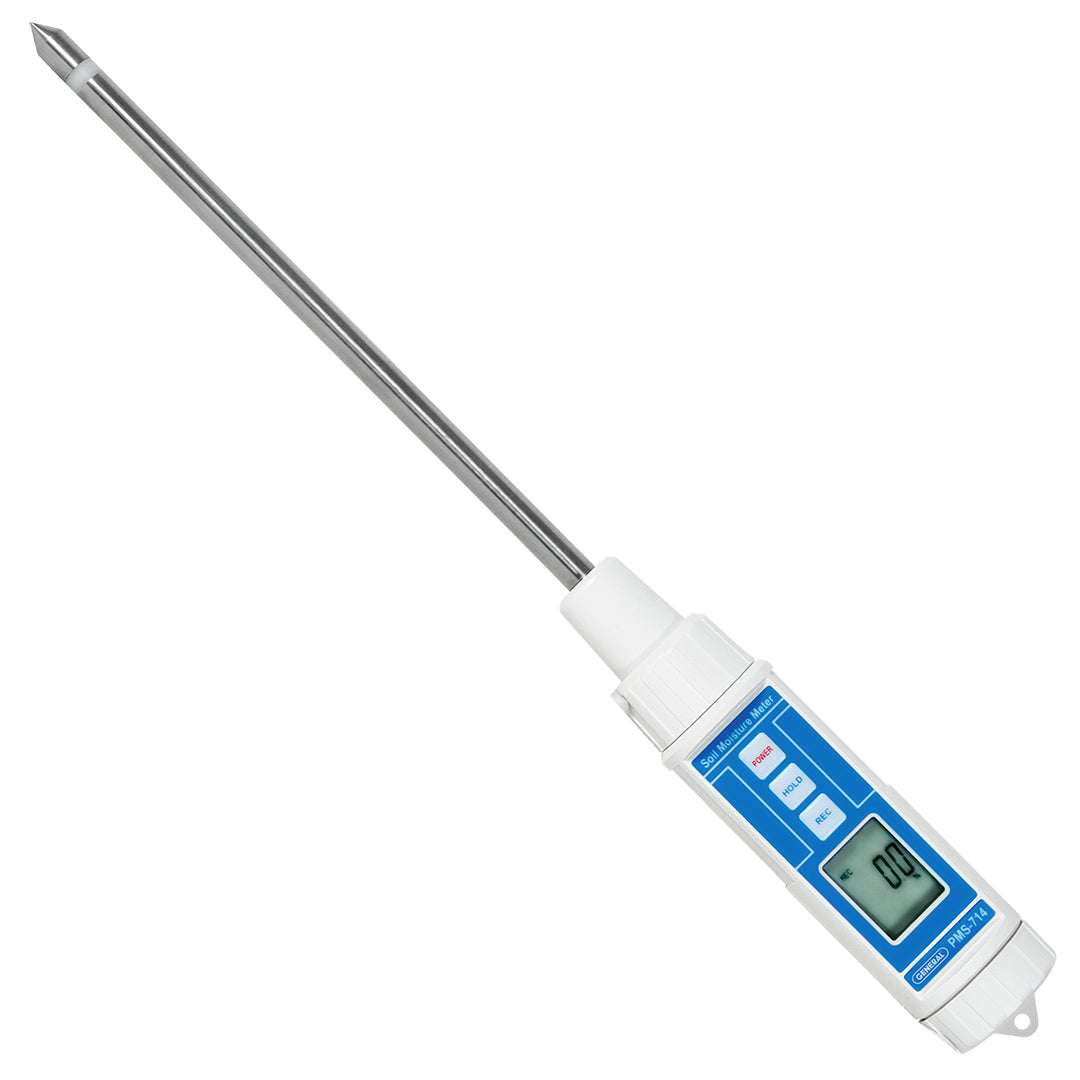
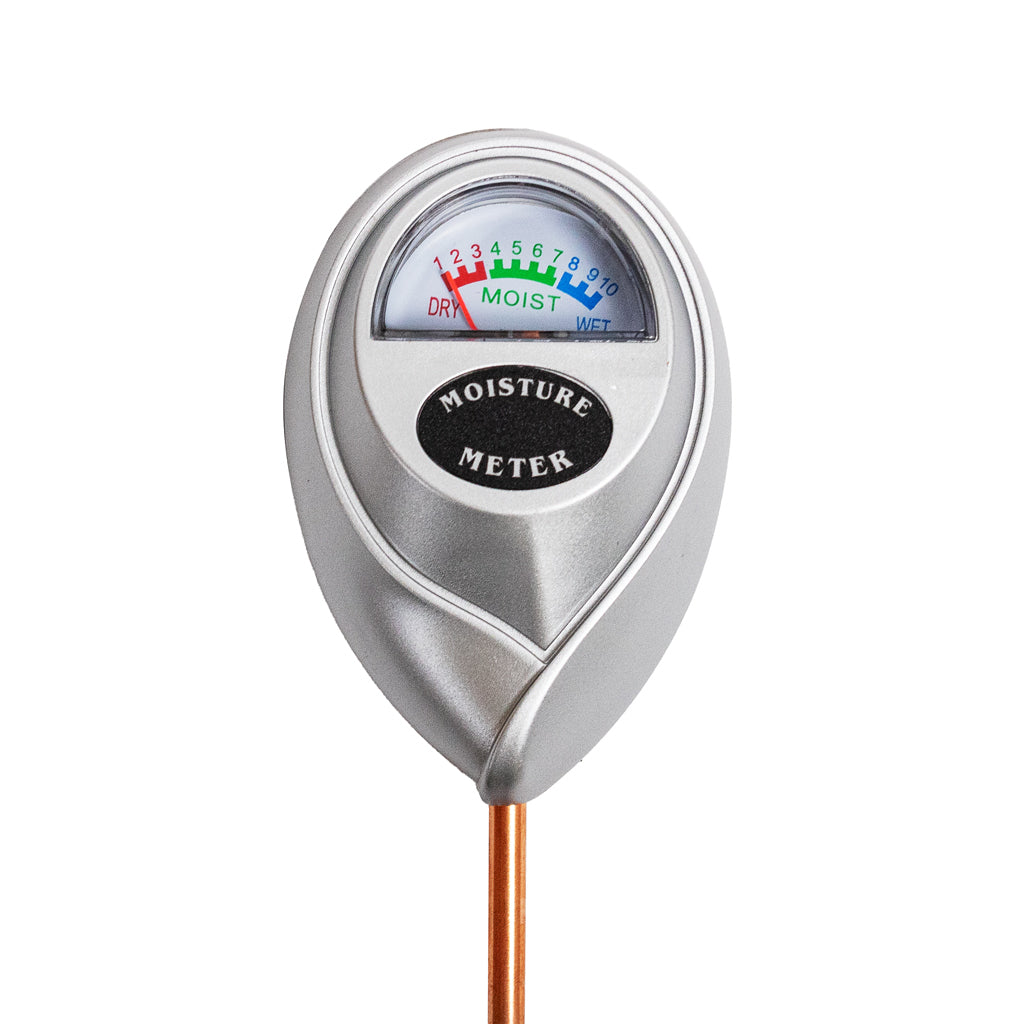
Soil moisture meters measure the water content in the soil. Most use probes that you insert into the soil. These probes detect electrical conductivity or resistance. Wet soil conducts electricity better than dry soil, so the meter shows higher moisture levels. Some meters give digital readings, while others have a simple needle gauge.
Types Available
There are several types of soil moisture meters. Analog meters use a needle to show moisture levels. Digital meters provide more precise readings on a screen. Some advanced models include temperature sensors or light sensors. You can find handheld meters or ones that stay in the soil for long-term monitoring.
Common Features
Most soil moisture meters share basic features. They have probes made of metal or plastic. The meters display moisture levels on a dial or digital screen. Many models are lightweight and easy to carry. Some come with extra sensors for temperature or pH levels. Battery-powered meters offer portability, but some work without batteries.
Credit: seedburo.com
Benefits For Gardeners
Soil moisture meters offer several key benefits for gardeners. They help make watering simpler and more precise. These tools provide valuable information that supports healthy plant growth and saves resources. Understanding these benefits can show why many gardeners find moisture meters useful.
Improved Watering Accuracy
Soil moisture meters show the exact wetness of the soil. This helps gardeners know when to water and when to wait. Avoiding overwatering or underwatering keeps plants healthy. Accurate watering means plants get just the right amount of water every time.
Plant Health Monitoring
Knowing soil moisture helps spot plant stress early. Dry soil can cause wilting and poor growth. Too much water can lead to root rot. By monitoring moisture levels, gardeners keep plants in good condition. This leads to stronger, more vibrant plants.
Water Conservation
Using a soil moisture meter reduces water waste. Gardeners water only when the soil needs it. This saves water and lowers utility bills. Conserving water is also better for the environment. Moisture meters support smart and eco-friendly gardening.
Limitations And Drawbacks
Soil moisture meters can help gardeners monitor soil water levels. Yet, these tools have some limits that affect their accuracy and usefulness. Understanding these drawbacks helps decide if a moisture meter fits your gardening needs.
Inaccuracy In Certain Soils
Moisture meters often give false readings in sandy or rocky soils. These soil types drain water quickly, causing meters to show dry conditions too soon. Clay soils, which hold water tightly, can also confuse meters. The sensor may read wet even when plants cannot access water.
Slow Response Time
Soil moisture meters do not always update readings quickly. After watering, it may take hours for the meter to show changes. This delay can mislead gardeners about the soil’s real moisture level. Fast decisions based on slow data may harm plant health.
Effect Of Temperature And Salinity
Soil temperature affects moisture meter accuracy. Cold or hot soil can change the sensor’s electrical signal. High salt levels in soil also interfere with readings. Saline soils can cause the meter to report higher moisture than present, leading to overwatering.
Credit: hortology.co.uk
Choosing The Right Meter
Choosing the right soil moisture meter makes a big difference in gardening success. Not all meters offer the same features or accuracy. Selecting a meter that fits your needs saves time and effort. Focus on key factors like price, durability, and ease of use. These help you pick a tool that lasts and works well.
Price Vs Quality
Soil moisture meters vary widely in price. Low-cost models may seem tempting but often lack precision. Higher-priced meters usually provide better readings and reliability. Balance your budget with the quality you need. Spending a bit more can avoid costly mistakes in watering.
Durability And Build
Meters must endure soil moisture, dirt, and outdoor conditions. Look for sturdy construction and water-resistant parts. Cheap plastic meters can break quickly or give faulty readings. A durable meter lasts longer and remains accurate over time. This reduces the need for frequent replacements.
Ease Of Use
Simple meters save time and reduce frustration. Choose a meter with a clear display and easy-to-read scale. Some models offer digital screens for quick results. Avoid complicated devices that require constant calibration. A user-friendly meter encourages regular use and better plant care.
Using Soil Moisture Meters Effectively
Using soil moisture meters effectively can improve your gardening results. These tools help you avoid overwatering or underwatering plants. Proper use ensures you get the most accurate readings and better plant health. Understanding how to place the meter and interpret its results is key. Pairing it with other gardening tools can give a clearer picture of soil conditions.
Proper Placement Techniques
Insert the meter probe deeply into the soil near the plant roots. Avoid placing it in dry or overly wet spots only. Take readings at several locations around the plant. This approach provides an average moisture level. Keep the probe clean for accurate results. Do not force the probe into hard soil, as it may break.
Interpreting Readings
Read the moisture level shown on the meter carefully. Different plants need different moisture levels to thrive. Use the meter’s scale to check if soil is dry, moist, or wet. Do not rely on one reading alone; check regularly. Look for trends over time to adjust watering habits. Trust your plant’s appearance along with meter readings.
Combining With Other Tools
Use soil moisture meters alongside tools like pH testers and thermometers. These provide more complete soil information. Visual checks of soil texture and color also help. A moisture meter works best as part of a broader gardening toolkit. This combination helps make smarter watering and care decisions. It supports healthier plants and saves water.
Alternatives To Moisture Meters
Soil moisture meters are popular tools for gardeners. Yet, some gardeners prefer other ways to check soil moisture. These alternatives can be simple and effective. They help you understand your soil without extra devices. Here are some common alternatives to moisture meters.
Soil Texture And Feel
Touching the soil is a classic method. Grab a handful of soil and squeeze it gently. If it feels dry and crumbly, plants may need water. If it feels moist and sticks together, the soil has enough water.
This method works well for many gardeners. It helps you learn your soil’s unique texture. With practice, you can tell moisture levels just by feel.
Visual Plant Signs
Plants often show signs when thirsty. Leaves may wilt, curl, or turn yellow. New growth might slow down or stop.
Watching plants closely gives clues about soil moisture. Different plants show different signs. Understanding these signals helps you water at the right time.
Soil Testing Kits
Soil testing kits provide more detailed information. They test moisture, pH, and nutrients. These kits are easy to use at home.
Using a kit gives a clearer picture of soil health. It helps you adjust watering and fertilizing properly. Kits are a good choice for gardeners who want more data.
Real User Experiences
Real user experiences provide valuable insight into the true value of soil moisture meters. These devices promise to help gardeners water plants accurately. Many users share their stories, both positive and negative. Their feedback reveals how these meters perform in everyday gardening.
Success Stories
Some gardeners report great success with soil moisture meters. They say the meters help avoid overwatering, which often harms plants. Users find these devices useful for indoor plants and potted gardens. Many mention healthier plants and less guesswork. The meters help them know exactly when to water. These success stories show the meters can be helpful tools.
Common Complaints
Other users face challenges with soil moisture meters. Some say the readings are often inaccurate or inconsistent. The meters may give false readings in certain soil types. A few complain the probes corrode or break easily. Some users find the meters confusing or hard to read. These complaints suggest soil moisture meters have limits and may not suit every gardener.
Expert Opinions
Experts agree soil moisture meters can be useful but with caution. They note meters measure soil conductivity, not moisture directly. This means readings vary by soil type and composition. Professionals recommend using meters as a guide, not an absolute answer. They suggest combining meter readings with visual checks. Experts also advise regular calibration and cleaning of meters. This ensures better accuracy and longer device life.

Credit: www.amazon.com
Maintenance And Care Tips
Proper maintenance and care help soil moisture meters last longer. Regular attention keeps readings accurate and reliable. Small steps can prevent damage and errors in measurements. Understanding these simple tips improves your gardening experience.
Cleaning Procedures
After each use, wipe the probe with a soft cloth. Avoid using harsh chemicals or abrasive materials. Gently remove any dirt or debris stuck on the sensor. Clean probes prevent false readings caused by soil residue. Dry the meter before storing it to avoid rust.
Storage Advice
Store your moisture meter in a cool, dry place. Keep it away from direct sunlight and extreme temperatures. Avoid placing heavy objects on top of the device. Use a protective case if available to prevent damage. Proper storage helps maintain meter accuracy and extends its life.
Calibration Checks
Check calibration regularly to ensure accurate readings. Compare meter results with manual soil moisture checks. Adjust settings according to the manufacturer’s instructions if needed. Frequent calibration avoids errors caused by sensor drift. Keep a log of calibration dates for reference.
Frequently Asked Questions
What Are The Disadvantages Of Soil Moisture Sensors?
Soil moisture sensors can give slow responses and inaccurate readings in sandy soils. They are sensitive to temperature and salinity changes, which may affect reliability. Some models measure conductivity, not just moisture, leading to misleading results. Cheap sensors often lack precision and durability.
Are Soil Moisture Meters Good?
Soil moisture meters help monitor soil wetness but often give inaccurate readings due to varying soil types. Use them cautiously.
Is It Worth Investing In A Soil Thermometer?
Investing in a soil thermometer helps monitor soil temperature for optimal seed germination and plant growth. It ensures accurate planting conditions.
How Long Do You Leave A Moisture Meter In The Soil?
Insert the moisture meter probe into the soil and leave it for about 10 to 15 seconds. Remove and read the moisture level promptly. Avoid leaving it longer to prevent inaccurate readings or damage to the meter.
Conclusion
Soil moisture meters can help gardeners water plants more wisely. They give quick, simple readings about soil dampness. Yet, their accuracy depends on soil type and meter quality. Some meters may mislead if soil has salts or varies in texture.
Using a meter alongside observation works best. It saves water and prevents overwatering or underwatering. Overall, these tools add value but don’t replace gardener’s judgment. Try one if you want extra guidance for your garden’s health.