If you’re looking to keep your lawn mower in top shape, knowing the best way to remove lawn mower blades is a must. Whether it’s time for a blade replacement or a thorough cleaning, taking off the blade can feel tricky if you don’t know the right steps.
You might wonder: which way do you turn the bolt? How do you keep the blade from spinning? And what safety measures should you follow? This guide will walk you through simple, clear instructions that save you time and frustration.
Stick with us, and you’ll soon handle blade removal like a pro—making your lawn mower ready for a smooth, sharp cut every time.
Safety Precautions
Safety is the top priority when removing lawn mower blades. Taking proper precautions helps prevent accidents and injuries. Each step must be done carefully to protect yourself and your equipment.
Disconnect Power Sources
Always disconnect the mower from power before starting. For gas mowers, pull the spark plug wire out. For electric mowers, unplug the power cord or remove the battery. This stops the mower from accidentally starting while you work.
Cool Down Engine
Let the mower engine cool completely. Hot parts can cause burns. Wait at least 30 minutes after use. Handling a cool mower is safer and more comfortable.
Proper Mower Positioning
Place the mower on a flat surface. Tilt the mower with the air filter facing up. This prevents oil or fuel leaks. Secure the mower so it does not move while you remove the blade.
Wear Protective Gear
Wear thick gloves to protect your hands from sharp edges. Safety glasses shield your eyes from debris. Use closed-toe shoes to protect your feet. Proper gear reduces the risk of cuts and injuries.
Credit: www.aconcordcarpenter.com
Identifying Thread Type
Knowing the thread type on your lawn mower blade bolt is key to removing it safely and easily. Threads can be standard or reverse, and using the wrong direction to loosen the bolt can damage the blade or mower. This section explains how to identify the thread type before you start.
Standard Vs Reverse Threads
Most lawn mower blades use standard threads. These require turning the bolt counter-clockwise to loosen. Reverse threads are less common but important to know. They need a clockwise turn to loosen. Confusing these can lead to stripped bolts or broken tools.
Checking Owner’s Manual
Your mower’s owner manual is the best source for thread information. It clearly states if the blade bolt uses standard or reverse threads. Check the manual before removing the blade. This step saves time and prevents mistakes.
Observing Discharge Chute
The discharge chute direction gives clues about thread type. If the chute faces right, the bolt likely has standard threads. A chute facing left often means reverse threads. This tip helps when the manual is missing or unclear.
Testing Bolt Rotation
Try turning the bolt slightly to test the thread direction. Use a wrench and apply gentle force. If it loosens turning counter-clockwise, the threads are standard. If it loosens clockwise, you have reverse threads. Stop if you feel strong resistance to avoid damage.
Preparing To Remove The Blade
Preparing to remove the lawn mower blade is a crucial step. It ensures safety and makes the process easier. Taking time to prepare prevents accidents and damage to your mower. Follow these simple steps carefully before removing the blade.
Gathering Tools
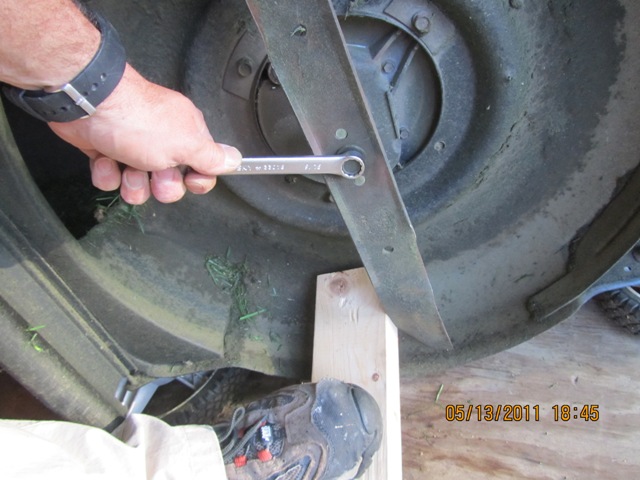
Collect all necessary tools before starting. You will need a socket wrench or breaker bar. A block of wood helps to stop the blade from spinning. Gloves protect your hands from sharp edges. Keep penetrating oil ready for rusty bolts. Having all tools at hand saves time and effort.
Applying Penetrating Oil
Spray penetrating oil on the blade bolt and nut. This loosens rust and dirt stuck on the threads. Let the oil sit for 10 to 15 minutes. It makes turning the bolt easier and prevents stripping. Use oil especially if the mower is old or stored outdoors.
Securing The Blade
Stop the blade from moving while loosening the bolt. Place a block of wood between the blade and mower deck. Hold the blade firmly or clamp it in place. This prevents injury and makes the bolt easier to turn. Always secure the blade before using any tools.
Loosening The Blade Bolt
Loosening the blade bolt is the key step to remove lawn mower blades safely. The blade bolt holds the blade tightly to the mower’s spindle. It can be very tight due to use and rust. Proper tools and techniques make this job easier. Always secure the blade before loosening the bolt to avoid injury. Follow the right direction to turn the bolt. Using the correct method saves time and effort.
Using Socket Wrench Or Breaker Bar
A socket wrench fits snugly over the blade bolt for good grip. It helps apply steady force to loosen the bolt. A breaker bar gives extra leverage for very tight bolts. Insert the tool firmly on the bolt head. Pull or push slowly to avoid slipping. Use gloves to protect your hands. A block of wood can hold the blade still.
Correct Direction For Standard Threads
Most lawn mower blades have standard threads. Turn the bolt counter-clockwise to loosen it. This direction is often called “lefty-loosey.” Check the bolt before turning to confirm thread type. Turning the wrong way can tighten the bolt more. Apply steady pressure in the correct direction for best results.
Correct Direction For Reverse Threads
Some lawn mowers use reverse threads. These bolts loosen when turned clockwise. This is “righty-loosey” for reverse threads. Always check your mower’s manual for thread type. Incorrect turning can cause damage or make removal harder. Confirm thread type before using force.
Tips For Stubborn Bolts
Rust and dirt can make bolts hard to loosen. Apply penetrating oil and wait 10–15 minutes. Tap the bolt lightly with a hammer to break rust bonds. Use a breaker bar for extra leverage. Heat the bolt gently with a heat gun if needed. Avoid using excessive force to prevent damage. Patience and proper tools work best.
Removing And Handling The Blade
Removing and handling the lawn mower blade requires care and attention. The blade is sharp and attached tightly. Taking it off properly prevents damage and injury. Follow simple steps to unscrew the bolt, keep track of small parts, and store the blade safely. Proper handling ensures your mower stays in good shape for the next use.
Unscrewing Bolt And Removing Blade
Start by disconnecting the mower’s power source. Use a wrench to loosen the bolt holding the blade. Note the bolt’s thread direction; most turn counter-clockwise to loosen. Some models use reverse threads, so check your manual. Use a block of wood to stop the blade from turning. Remove the bolt carefully, then take the blade off.
Keeping Track Of Washers And Adapters
Blades often have washers or adapters between them and the bolt. These parts must be saved for reassembly. Place them in a small container or bag. Losing washers or adapters can affect blade balance and mower performance. Label the container to avoid confusion during reinstallation.
Safe Blade Handling And Storage
Wear thick gloves to protect your hands from cuts. Hold the blade by its center, away from sharp edges. Store the blade in a dry place to prevent rust. Avoid stacking blades directly on top of each other. Use cardboard or cloth between blades if storing more than one. Proper storage keeps blades sharp and ready for use.

Credit: www.youtube.com
Common Mistakes To Avoid
Removing lawn mower blades can be tricky. Many people make simple mistakes that cause frustration or damage. Avoiding these errors saves time and keeps you safe. Below are common mistakes to watch out for when removing blades.
Ignoring Thread Direction
Not all mower blades loosen the same way. Most use standard threads that turn left to loosen. Some use reverse threads that turn right to loosen. Check your mower’s manual or look closely at the bolt. Turning the bolt the wrong way can strip threads or damage parts.
Skipping Safety Steps
Safety matters. Always disconnect the spark plug or battery before working. This stops the mower from starting by accident. Wear gloves to protect your hands from sharp blades. Let the engine cool down to avoid burns. Skipping these steps can cause injuries.
Using Incorrect Tools
Using the wrong tools makes blade removal harder. A socket wrench or breaker bar fits the bolt well. Avoid pliers or adjustable wrenches that can slip. A block of wood can hold the blade steady. Using proper tools prevents damage and speeds up the job.
Maintenance Tips After Blade Removal
After removing the lawn mower blade, proper maintenance keeps your mower running smoothly. These simple steps help maintain blade sharpness and mower safety. Regular care extends the blade’s life and improves cutting performance.
Inspecting Blade Condition
Check the blade for dents, cracks, or bends. A damaged blade cuts unevenly and can be dangerous. Look for dull or chipped edges that need sharpening. Replace the blade if damage is severe or if it bends out of shape.
Cleaning Blade And Mount Area
Remove grass, dirt, and debris from the blade and mounting area. Use a brush or cloth to clean thoroughly. Dirt buildup can cause imbalance and reduce cutting efficiency. Ensure the mounting surface is clean for a secure fit.
Reinstalling Or Replacing Blade
Place the blade back carefully, aligning it with the mounting holes. Tighten the bolt firmly using the correct wrench size. Do not overtighten to avoid damage. If replacing, use a blade matching the mower model and specifications.

Credit: www.youtube.com
Frequently Asked Questions
What’s The Best Way To Take Off A Lawn Mower Blade?
Disconnect the spark plug, flip the mower with carburetor up, block the blade to stop spinning, then loosen the bolt. Check your manual; turn counter-clockwise for standard threads or clockwise for reverse threads. Use a socket wrench and penetrating oil if needed.
Remove the blade carefully.
Which Way Do You Turn The Bolt To Remove A Lawn Mower Blade?
Turn the lawn mower blade bolt counter-clockwise to loosen standard threads. For reverse threads, turn it clockwise. Use a block of wood to prevent blade spinning. Always check your mower’s manual to confirm the correct direction before removal.
Are Lawn Mower Blades Reverse Thread?
Many lawn mower blades use reverse threads, meaning you turn clockwise to loosen. Always check your manual first.
Are Lawn Mower Blade Bolts Left-handed?
Many lawn mower blade bolts use reverse (left-handed) threads for safety. Check your manual to confirm your model’s thread type.
Conclusion
Removing lawn mower blades safely takes patience and the right steps. Always disconnect power and wear gloves to protect yourself. Know your blade’s thread type before loosening bolts to avoid damage. Use a block of wood to keep the blade steady while working.
Taking your time makes the job easier and safer. Following these simple tips helps your mower stay in good shape. Keep your lawn mower blades sharp and secure for the best cutting results.