Are your lawn mower blades leaving ragged cuts and making your grass look uneven? Dull blades don’t just ruin the appearance of your lawn—they can also harm your grass and strain your mower.
The best way to sharpen lawn mower blades is simpler than you might think, and doing it right can save you time, money, and frustration. Whether you prefer using power tools for a quick fix or a hand file for a careful touch, this guide will walk you through easy, effective methods to get your blades razor-sharp.
Stick with me, and you’ll learn how to sharpen your mower blades safely and perfectly, so your lawn looks its absolute best every time you mow.
Credit: www.youtube.com
Tools For Sharpening
Sharpening lawn mower blades requires the right tools to get a clean, sharp edge. Using proper tools makes the job faster and safer. Some tools are powered, while others rely on manual effort. Choose based on your comfort and how often you sharpen blades.
Angle Grinder
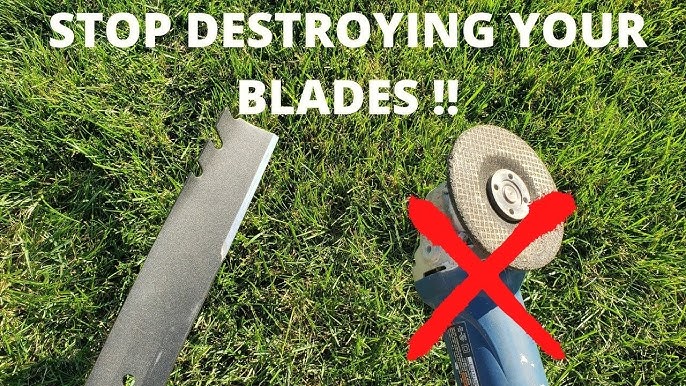
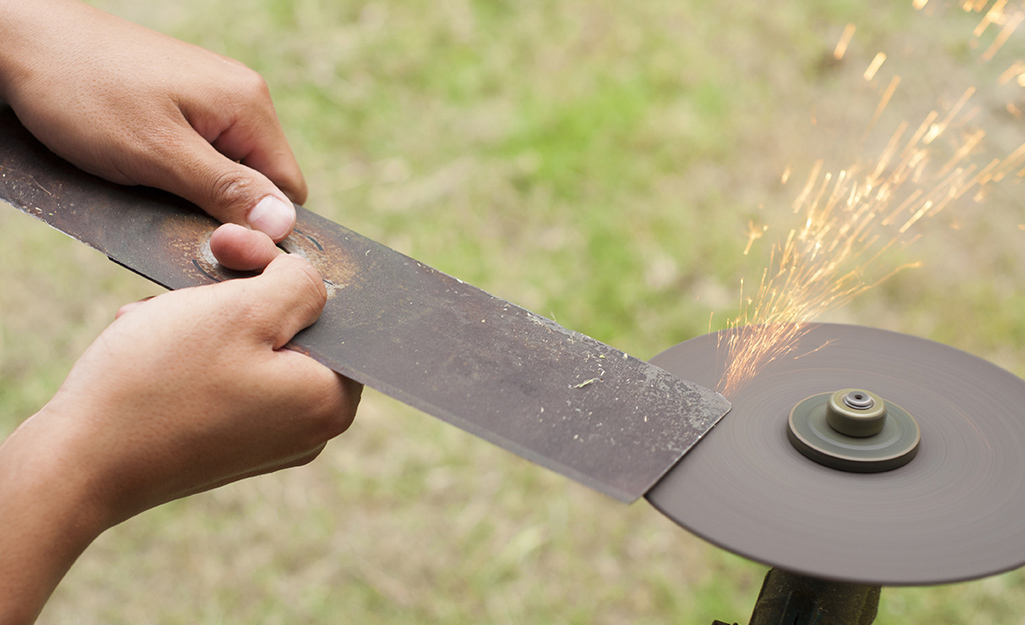
The angle grinder is the fastest tool for sharpening blades. It uses a rotating disc to grind the metal quickly. This tool works best for dull or damaged blades. Make sure to hold the blade steady and keep a consistent angle. Wear safety glasses and gloves to protect yourself from sparks and metal shards.
Drill Attachment
A drill attachment is a handy option for sharpening mower blades. It fits into your drill and has a sharpening stone or guide. This helps keep the correct angle while sharpening. The drill attachment makes light, even passes along the blade edge. It is less aggressive than an angle grinder but works well for regular maintenance.
Hand File
The hand file is a simple, no-power tool for blade sharpening. Use it to file in one direction, away from the blade edge. This removes small nicks and sharpens the cutting surface. After filing, deburr the back side of the blade for safety. It takes more effort but is very effective for light sharpening jobs.
Professional Service
Professional sharpening services offer a quick, easy way to sharpen blades. Local hardware stores often provide this service at a low cost. Experts use specialized tools for a precise, balanced edge. This option saves time and ensures your blade cuts well. Drop off the blade and pick it up sharpened, ready to use.
Safety Precautions
Before sharpening your lawn mower blades, safety must come first. Sharp blades and power tools pose risks. Taking simple safety steps prevents accidents. Protect yourself and your equipment during the process.
Disconnect Spark Plug
Always disconnect the spark plug wire. This stops the engine from starting accidentally. It is the first step to avoid serious injury. Pull the wire away from the spark plug carefully. Check it is secure before working on the blade.
Wear Protective Gear
Use safety glasses to protect your eyes from sparks and debris. Wear sturdy gloves to guard your hands from sharp edges. Choose long sleeves to shield your arms. Closed-toe shoes help protect your feet from falling tools or blades.
Secure The Blade
Clamp the blade firmly in a vise or use a strong surface. This keeps it steady while sharpening. A moving blade can cause slips and injuries. Make sure the blade is stable before starting any work.
Preparing The Blade
Start by disconnecting the spark plug for safety. Secure the blade firmly before sharpening. Mark the blade’s top side to keep the correct cutting angle.
Preparing the blade is the first step to sharpen lawn mower blades properly. It ensures safety and accuracy during sharpening. Taking time to prepare the blade makes the process easier and more effective.
Start by marking the cutting edge. This helps you keep track of the sharp side while sharpening. Next, safely remove the blade from the mower. Follow the right steps to avoid injury and damage.
Mark The Cutting Edge
Use a bright marker or paint to highlight the cutting edge. Marking helps you see where to sharpen clearly. It prevents confusion between the sharp edge and the dull side. This step is simple but very important for precise sharpening.
Remove The Blade
Before removing, disconnect the spark plug to avoid accidental starts. Use gloves to protect your hands from sharp edges. Then, use a wrench or socket to loosen the bolt holding the blade. Hold the blade steady with a block of wood to stop it from turning. Carefully take the blade off and place it on a flat surface for sharpening.

Credit: www.liftingitalia.com
Sharpening Steps
Sharpening lawn mower blades improves cutting performance and lawn health. Follow clear steps for the best results. These steps help maintain blade sharpness and extend blade life. Use the right technique to avoid damage and ensure safety. Below are the key sharpening steps.
File In One Direction
Use a metal file to sharpen the blade edge. Move the file away from the blade edge in one smooth direction. Avoid back-and-forth motions that can dull the blade. One-direction filing removes small nicks and evens the edge. This method works well with a hand file or sharpening tool.
Maintain Correct Angle
Keep the blade at the original cutting angle while sharpening. Usually, this angle is between 30 and 45 degrees. Holding the correct angle ensures the blade cuts cleanly. Use a guide or visual reference to keep the angle steady. Consistency in angle prevents uneven edges and blade damage.
Light Consistent Passes
Make several light passes over the blade edge. Avoid heavy pressure that can remove too much metal. Light passes give better control and a smoother edge. Repeat until the blade edge looks sharp and even. Finish by wiping the blade clean and checking for balance.
Deburring The Blade
Deburring the blade is a crucial step after sharpening lawn mower blades. It removes small, rough edges left from the sharpening process. These tiny burrs can cause uneven cuts and damage your lawn. Deburring helps maintain a clean, smooth edge for better performance.
Neglecting to deburr can reduce blade efficiency. It may also lead to faster blade wear. Taking a few minutes to deburr ensures a longer blade life and a healthier lawn.
What Is Deburring?
Deburring means smoothing out rough edges or burrs on the blade. Burrs form naturally after sharpening. They are thin, sharp pieces of metal sticking out from the blade edge.
Removing burrs makes the blade safer to handle. It also helps the blade cut grass cleanly without tearing.
Tools For Deburring
Use a flat metal file or a fine-grit sharpening stone to deburr. Light pressure is best to avoid damaging the blade edge.
A handheld file works well for small burrs. A sharpening stone offers a smooth finish and precise control.
How To Deburr The Blade
Secure the blade in a vise or hold it firmly. Run the file or stone gently along the back edge.
Move in one direction, usually away from the cutting edge. Check the blade edge regularly and stop when burrs disappear.
Safety Tips During Deburring
Wear gloves and safety glasses to protect hands and eyes. Keep fingers clear of the blade edge.
Work slowly and carefully to avoid slips. Make sure the blade is stable before starting.
Balancing The Blade
Balancing the blade is a crucial step after sharpening your lawn mower blades. An unbalanced blade causes vibration and uneven cuts. It also puts extra strain on the mower’s engine. Proper balance ensures smooth operation and extends the blade’s life. Follow these steps to check and adjust your blade’s balance effectively.
Check Blade Balance
Place the blade on a blade balancer or a nail driven into a wall. The blade should sit level and not tilt to one side. A tilt means one side is heavier. Mark the heavy side with a pencil for correction. Repeat until the blade stays horizontal. This step prevents mower shaking and uneven grass cuts.
Remove Excess Metal
Use a metal file or grinder to remove a small amount of metal from the heavy side. Work slowly and check balance often. Removing too much metal weakens the blade. Aim for a perfect balance where the blade stays even on the balancer. This step improves cutting performance and mower stability.
Reinstalling The Blade
After sharpening your lawn mower blade, reinstalling it correctly is crucial. Proper installation ensures the blade works safely and cuts efficiently. Follow these steps carefully to secure the blade back in place.
Tighten To Specified Torque
Use a torque wrench for accurate tightening. Check your mower’s manual for the exact torque specification. Tighten the blade bolt to this setting. Over-tightening can damage the mower. Under-tightening may cause the blade to loosen during use.
Double Check Installation
Confirm the blade is mounted in the correct direction. The cutting edge should face the grass. Make sure the blade is centered and balanced. Spin the blade by hand to check for any wobble. A secure, balanced blade improves cutting and reduces vibration.
Tips For Effective Sharpening
Sharpening lawn mower blades keeps your grass healthy and your mower efficient. Sharp blades cut cleanly, preventing grass damage. Follow these tips for effective sharpening to extend blade life and improve cutting quality.
Regular Maintenance
Check blades often for dullness or damage. Sharpen blades every 20-25 hours of use. Regular upkeep avoids heavy sharpening later. Clean blades after each use to stop rust. Proper care keeps blades sharp longer.
Avoid Over-sharpening
Sharpen only enough to restore the edge. Removing too much metal weakens the blade. Over-sharpened blades may break or wear out fast. Stop when the blade edge is smooth and even. Balance the blade after sharpening for better performance.
Use The Right Tool
Choose tools based on your comfort and blade condition. A hand file works well for small nicks and quick touch-ups. Use an angle grinder for faster and more even sharpening. Drill attachments help maintain the correct angle easily. Always wear safety gear when using power tools.
When To Seek Professional Help
Knowing when to seek professional help for sharpening lawn mower blades is important. Some blade conditions need expert care for safety and quality. Attempting complex repairs alone can cause damage or injury.
Professional sharpening ensures blades are balanced and cut evenly. Experts use proper tools and techniques not always available at home. This can extend blade life and improve lawn health.
Signs Your Lawn Mower Blade Needs Professional Sharpening
Dull blades that still leave uneven cuts after home sharpening need a pro. If blades have deep nicks, bends, or cracks, stop sharpening yourself. Professionals can grind and reshape blades safely.
Complex Blade Damage Requiring Expert Attention
Bent or warped blades risk mower damage and unsafe operation. Professionals can inspect and fix blade alignment precisely. Serious damage may require blade replacement, which pros can advise on.
Safety Concerns During Blade Maintenance
Sharp blades and power tools cause risks if used incorrectly. Professionals have training and safety gear to handle blades safely. Avoid injury by trusting experts when unsure about the process.
When Equipment Or Skill Limits Home Sharpening
Not all households have angle grinders or sharpening attachments. Lack of skill can lead to poor blade edges and mower problems. Professional sharpening offers consistent, quality results without hassle.
Credit: www.homedepot.com
Frequently Asked Questions
What Is The Easiest Way To Sharpen A Lawn Mower Blade?
Use a power tool like an angle grinder or drill attachment for fast sharpening. Secure the blade, file evenly, deburr, and balance before reinstalling. For no-power option, sharpen with a hand file in one direction, then balance and clean the blade edge.
Should You Sharpen Both Sides Of A Lawn Mower Blade?
Sharpen only the cutting edge of the lawn mower blade. Lightly file the opposite side to remove burrs for better performance.
Will Sandpaper Sharpen A Lawn Mower Blade?
Sandpaper can smooth lawn mower blades but won’t sharpen them effectively. Use a file, grinder, or professional service for a sharp edge.
How To Sharpen A Mower Blade Without A Grinder?
Use a hand file to sharpen mower blades by filing away from the edge in one direction. Secure the blade, wear safety gear, and balance the blade after sharpening.
Conclusion
Sharpening lawn mower blades keeps your grass healthy and your mower efficient. Use the right tools and follow safety steps carefully. Regular sharpening prevents uneven cuts and extends blade life. Balancing the blade ensures smooth mowing without vibrations. Choose a method that fits your skill and tool availability.
A sharp blade means a cleaner cut and a greener lawn. Keep your mower blades sharp for the best lawn care results.