Is your lawn mower struggling to cut cleanly? Dull blades can leave your grass looking ragged and unhealthy.
But here’s the good news: you don’t need to spend money at a shop or buy expensive tools to fix this. Sharpening your lawn mower blades at home is easier than you think, and it can make a huge difference in your lawn’s appearance.
You’ll discover the best way to sharpen your mower blades quickly, safely, and effectively—so you can get back to enjoying a perfectly trimmed yard without hassle. Keep reading to learn how to bring your mower back to life with simple steps you can do today.
Credit: www.homedepot.com
Tools Needed
Having the right tools makes sharpening lawn mower blades easier and safer. You can choose between manual and power tools depending on your comfort and the tools available. Safety gear protects you from metal shards and sparks. Prepare all tools before starting the sharpening process for best results.
Manual Sharpening Tools
A metal file is the most common manual tool for sharpening blades. It is inexpensive and easy to use. You will need a clamp or vise to hold the blade steady. A wire brush helps clean the blade before sharpening. These tools require more effort but give good control.
Power Tools Options
An angle grinder with a flap disc sharpens blades quickly. Use a bench grinder for precise sharpening at home. A rotary tool with a grinding attachment works well for small blades. Power tools save time but need careful handling to avoid overheating the blade.
Safety Gear Essentials
Wear safety glasses to protect your eyes from flying metal. Heavy-duty gloves keep your hands safe from sharp edges. Use ear protection when working with noisy power tools. A dust mask prevents inhaling metal particles during grinding. Always work in a well-ventilated area.
Credit: www.homedepot.com
Preparing The Blade
Preparing the blade is the first key step to sharpen lawn mower blades at home. Proper preparation ensures safety and improves the quality of sharpening. It involves removing the blade, cleaning it thoroughly, and checking for any damage. Each step helps extend the blade’s life and maintain a healthy lawn.
Removing The Blade Safely
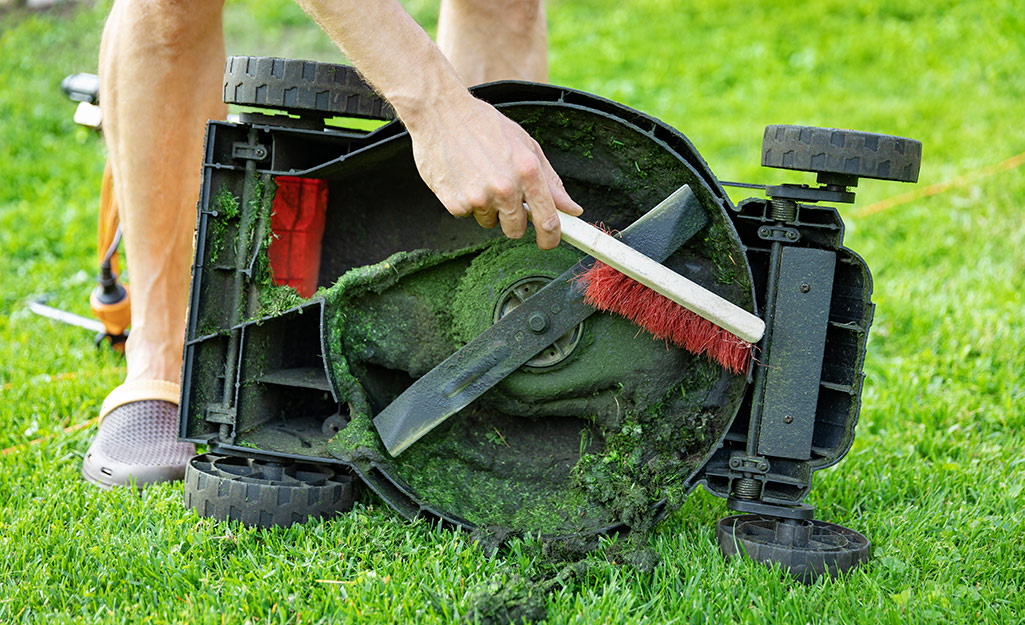
Turn off the lawn mower and disconnect the spark plug wire. This prevents accidental starts while working on the blade. Use a wrench to loosen the bolt holding the blade. Hold the blade firmly to stop it from moving. Remove the blade carefully and place it on a sturdy surface for sharpening.
Cleaning The Blade
Remove dirt, grass, and debris from the blade using a wire brush or rag. Cleaning exposes the metal surface and helps spot any cracks or dents. Soak the blade in warm soapy water if needed to loosen stubborn grime. Dry the blade completely before moving to the next step to avoid rust.
Inspecting For Damage
Look closely for cracks, bends, or heavy rust on the blade. Damaged blades can harm your mower and lawn. Small nicks or dull edges are normal and can be sharpened. Replace the blade if you find major damage or deep cracks. Using a healthy blade ensures safe and effective cutting.
Sharpening Techniques
Sharpening lawn mower blades improves cutting performance and lawn health. Sharp blades cut grass cleanly, preventing damage and promoting growth. Different sharpening techniques suit various tools and skill levels. Choose a method that fits your comfort and available equipment. Below are common techniques to sharpen blades safely and effectively at home.
Using A File
A file is a simple, low-cost tool for blade sharpening. Remove the blade and secure it firmly. Use a flat file with smooth, even strokes along the cutting edge. Maintain the original angle of the blade for best results. File both sides evenly to keep balance. Check sharpness by running a finger carefully along the edge. This method takes time but is safe and precise.
Using An Angle Grinder
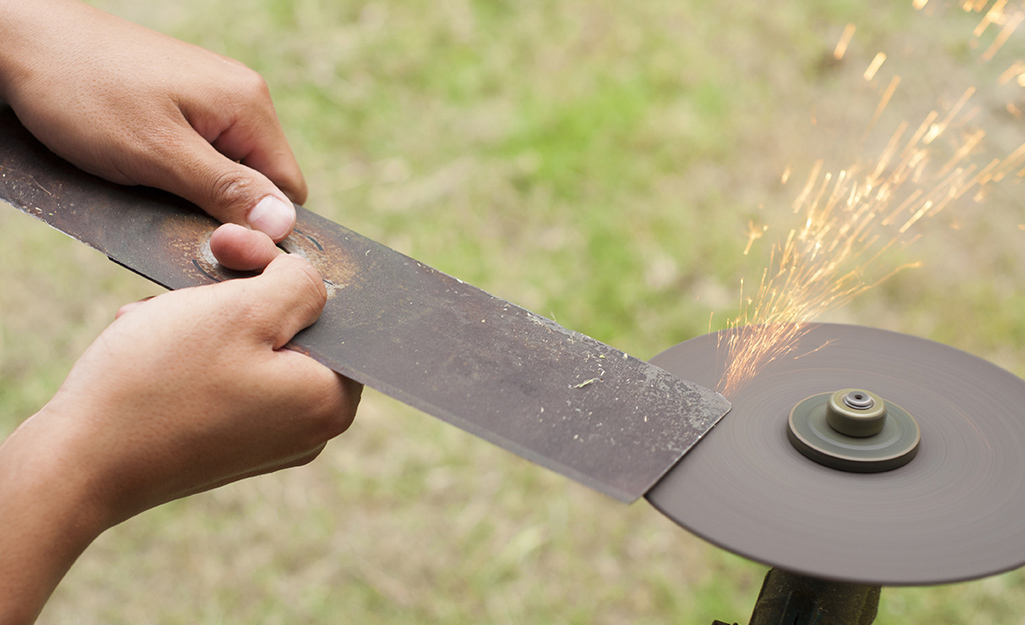
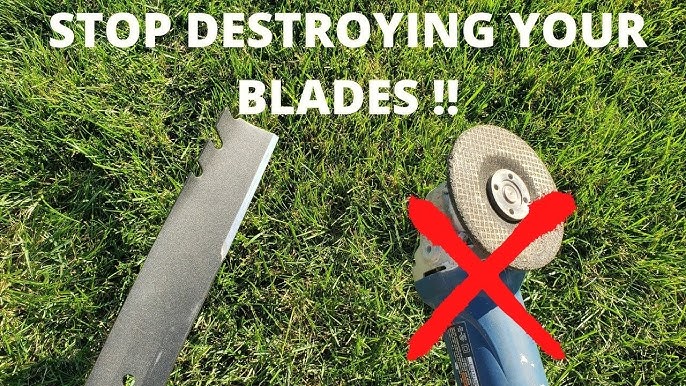
An angle grinder speeds up sharpening with a grinding disc. Clamp the blade securely before starting. Hold the grinder at the same angle as the blade edge. Move the grinder smoothly along the edge without staying too long in one spot. Avoid overheating, which can weaken the blade. Wear safety goggles and gloves for protection. This method works well for dull or damaged blades.
Using A Bench Grinder
A bench grinder offers a stable, controlled sharpening option. Mount the blade firmly on a workbench. Turn on the grinder and gently press the blade edge against the wheel. Keep the blade angle steady and move it evenly across the wheel. Cool the blade frequently in water to prevent heat damage. This technique is effective for frequent sharpening and harder blades.
Using A Sharpening Kit
Sharpening kits include all necessary tools and guides. Kits often have files, stones, or specialized sharpeners. Follow the instructions to set the correct blade angle. Use included clamps or holders to keep the blade steady. Sharpen edges step-by-step for even results. Kits simplify the process for beginners and ensure consistent sharpening. They provide a reliable way to maintain blade sharpness over time.
Balancing The Blade
Balancing the lawn mower blade is a key step after sharpening. A well-balanced blade spins evenly. This reduces vibration and wear on your mower. It also helps the blade cut grass cleanly and safely. Without balance, your mower may shake or cause damage. You can balance the blade easily at home with simple tools.
Why Balance Matters
Balanced blades spin smoothly. This lowers stress on your mower’s engine and parts. It prevents uneven wear on the blade edges. A balanced blade cuts grass evenly, giving your lawn a neat look. Imbalanced blades cause wobbling. This can lead to faster mower damage and poor cutting.
Methods To Check Balance
Check blade balance using a blade balancer tool or a nail. Hang the blade horizontally on the nail or balancer. Watch if one side drops lower than the other. The heavier side is unbalanced. You can also use a screwdriver through the blade’s center hole as a makeshift balancer. The blade should stay level when balanced.
Adjusting Blade Balance
To fix balance, remove metal from the heavier side. Use a file or grinder to carefully shave small amounts. Check balance often while adjusting. Remove only enough metal to make the blade level. Avoid removing too much metal, which weakens the blade. Rebalance after each adjustment until the blade stays even.
Reinstalling The Blade
After sharpening your lawn mower blade, reinstalling it correctly is crucial. Proper installation ensures safe operation and efficient cutting. Take your time to follow each step carefully. This will keep your mower running smoothly and your lawn looking great.
Proper Blade Orientation
Place the blade so the sharp edges face the direction of rotation. Check the mower’s manual if unsure. The cutting edge usually faces down, towards the grass. Installing the blade backward can damage your mower and lawn.
Torque Specifications
Use a torque wrench to tighten the blade bolt to the right pressure. Over-tightening can strip threads or break bolts. Under-tightening can cause the blade to come loose. Find the exact torque value in your mower’s manual for best results.
Final Safety Checks
Make sure the blade is secure and spins freely. Look for any wobbling or unusual movement. Reinstall the mower deck and reconnect the spark plug wire. Always wear gloves to protect your hands during this process.
Maintenance Tips
Proper maintenance keeps lawn mower blades sharp and effective. Regular care helps your mower cut grass cleanly and evenly. Following simple maintenance tips extends blade life and improves lawn health.
When To Sharpen Blades
Sharpen mower blades at least once every season. Check blades more often if you mow frequently. Rough or uneven cutting means it’s time to sharpen. Avoid waiting too long to prevent damage to grass.
Signs Of Blade Wear
Dull blades tear grass instead of cutting it cleanly. Look for ragged, brown grass edges after mowing. Vibration or noise from the mower can signal blade wear. Inspect blades for nicks, dents, or rust regularly.
Storage Recommendations
Clean blades before storing the mower for winter. Dry blades thoroughly to stop rust from forming. Store the mower in a dry, sheltered place. Cover blades or remove them to avoid damage during storage.
Common Mistakes To Avoid
Sharpening lawn mower blades at home saves money and improves your lawn’s health. Avoiding common mistakes ensures better results and safer work. Many people face issues that reduce blade life or cause injury. Learn what to watch out for during sharpening.
Overheating The Blade
Sharpening blades too fast creates heat. Excess heat can weaken steel and cause damage. Keep the blade cool by sharpening in short bursts. Use water to cool the blade if it becomes hot. Overheated blades lose strength and dull faster.
Uneven Sharpening
Uneven sharpening leads to unbalanced blades. This causes vibration and poor cutting performance. Sharpen both sides equally to maintain balance. Check blade edges regularly for smooth, even surfaces. Balanced blades extend mower life and improve cutting.
Ignoring Safety Precautions
Safety is critical when sharpening mower blades. Always wear gloves to protect your hands from sharp edges. Use eye protection to avoid flying sparks or debris. Disconnect the spark plug before starting any work. Proper safety reduces accidents and injuries.
Credit: www.youtube.com
Cost And Time Savings
Sharpening lawn mower blades at home saves both money and time. Dull blades reduce cutting efficiency, making your mower work harder. Regular sharpening keeps your lawn mower running smoothly and cuts grass cleanly. This means less fuel use and fewer repairs, lowering overall costs. You can choose to sharpen blades yourself or hire a professional. Each option has different impacts on your wallet and schedule.
Diy Vs Professional Sharpening
Sharpening blades yourself costs only tools and your time. You avoid fees charged by professionals. Basic sharpening tools are affordable and reusable. You control when and how often to sharpen. Professionals charge for labor and service, which adds up over time. However, they offer expert sharpening and balance. This can result in longer blade life but at a higher cost.
How Sharpening Extends Blade Life
Sharp blades cut grass cleanly and reduce mower strain. This prevents damage to the blade and motor. Regular sharpening avoids the need for frequent blade replacement. Balanced blades reduce vibration, protecting mower parts. Over time, this lowers repair and replacement expenses. Both DIY and professional sharpening can extend blade life. The key is to sharpen blades consistently.
Time Required For Each Method
DIY sharpening takes about 30 to 60 minutes per blade. Time varies with your skill and tools used. Professional sharpening usually takes a few days if you drop off the mower. On-site service may be faster but costs more. DIY lets you sharpen as soon as you notice dullness. This keeps your mower ready without waiting for appointments. Saving time means more lawn care and less downtime.
Frequently Asked Questions
What Is The Best Thing To Sharpen Lawn Mower Blades With?
The best tool to sharpen lawn mower blades is an angle grinder with a flap wheel. It sharpens quickly without overheating. Alternatively, a bench grinder or a metal file also works well for precise sharpening. Always maintain the blade’s original angle for optimal cutting performance.
How To Sharpen Mower Blades At Home Without?
Remove the blade, secure it, then use a metal file or sharpening stone. File at the original angle until sharp. Clean and balance the blade before reinstalling.
Will Sandpaper Sharpen A Lawn Mower Blade?
Sandpaper can lightly sharpen a lawn mower blade but won’t restore a sharp, durable edge. Use a grinder or file for best results.
How Much Does Ace Hardware Charge To Sharpen Lawn Mower Blades?
Ace Hardware typically charges around $6 to $10 to sharpen lawn mower blades. Prices may vary by location.
Conclusion
Sharpening lawn mower blades at home saves money and time. Keep blades clean and balanced for best results. Use the right tools and follow safety steps carefully. Regular sharpening helps your lawn look neat and healthy. Try these simple tips to maintain your mower blades easily.
A sharp blade cuts grass smoothly without tearing. Enjoy a greener, well-kept lawn all season long.