Have you recently had a hip replacement and find yourself wondering, “Can I mow the lawn after hip replacement?” It’s a common question because getting back to your normal routine feels like a big milestone in your recovery. You want to care for your home, but you also want to protect your new hip and avoid any setbacks.
Mowing the lawn might seem simple, but it involves balance, strength, and movement that could affect your healing. You’ll discover when it’s safe to start mowing again, what precautions to take, and how to do it without risking injury. Keep reading to regain your confidence and enjoy your yard without worry.
You May Like

- Effortless Power for ½ Acre Yards- Experience gas-like performance without…
- Ultra-Lightweight Design (35% Lighter)- 16″ cutting deck with ergonomic…
- Smart Cut Adjustment System- Single-lever 5-position height control…
- Zero Maintenance, Maximum Savings- No gas/oil costs, emissions, or engine…
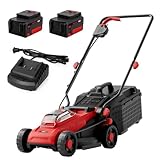
- Powerful Brushless Motor: Experience unmatched efficiency with our advanced…
- Wide Cutting Path: With a 13-inch cutting width and a 30-liter grass…
- 4 Adjustable Cutting Heights: Customize your lawn care with MZK’s four…
- Lightweight and Maneuverable: Weighing only 24.3 pounds, MZK’s mower is…

- Powerful Cordless Performance – Harness gas-like power without the hassle!…
- Lightweight & Durable Design – 13″ rust-resistant poly deck ensures…
- Smart Cutting Adjustments – Single-lever 5-position height control adapts…
- Zero-Maintenance Freedom – No gas, oil, or emissions—start instantly with…

- POWERFUL PERFORMANCE: Tackle your yard with 3,300 RPM of power and a…
- ENVIRONMENTALLY FRIENDLY: No gas or batteries needed to power the mower
- CUSTOMIZE YOUR CUT: Effortlessly change the height of your cut with 5…
- MAX MANEUVERABILITY: Features 7.75-inch rear wheels for easy navigation…
Timing For Lawn Mowing
Knowing the right timing to mow the lawn after a hip replacement is important. Doing it too soon may cause injury or delay healing. It is best to wait until your body is ready and your surgeon gives approval. Understanding the typical recovery period and signs of readiness helps you decide when to resume lawn mowing safely.
Typical Recovery Period
Most people take about six to twelve weeks to heal after hip replacement surgery. During this time, bones, muscles, and tissues repair themselves. Physical therapy plays a key role in restoring strength and movement. Lawn mowing involves standing, pushing, and bending, which may stress the hip. Waiting until you complete most of your rehabilitation reduces risks. Always listen to your body and avoid rushing back too early.
Signs You’re Ready
You may be ready to mow the lawn when you can walk without pain or limping. Your hip should feel stable and strong during daily activities. Avoid lawn mowing if you still have swelling or discomfort. Balance and endurance must improve to handle the task safely. Test yourself with short walks and light chores first. Stop immediately if you feel sharp pain or fatigue. Feeling confident and steady is a good sign to proceed carefully.
Consulting Your Surgeon
Your surgeon knows your specific condition best. They can tell you when it is safe to resume lawn mowing. Bring up your desire to mow during follow-up visits. Your surgeon may recommend waiting longer or suggest protective measures. Follow all instructions about movement limits and lifting restrictions. Do not start lawn mowing without their clearance. Proper guidance reduces complications and supports a smooth recovery.
Safety Precautions
Safety precautions are essential after a hip replacement. Taking care during lawn mowing helps prevent injury and supports healing. Simple steps can reduce strain on the new hip joint. These precautions protect your recovery and keep you safe while working outdoors.
Avoiding Twisting Movements
Twisting your hips can cause pain or dislocation. Move your feet to turn instead of twisting at the waist. Push the lawn mower straight ahead and avoid sharp turns. Keep your operated leg aligned with your body during activity.
Using Proper Footwear
Wear shoes that provide strong support and grip. Avoid slippery or loose footwear to prevent falls. Closed-toe shoes with firm soles protect your feet. Proper shoes help maintain balance while mowing the lawn.
Maintaining Good Posture
Stand upright and keep your back straight while mowing. Avoid bending forward or leaning to one side. Use your legs to move the mower, not your hips or back. Good posture reduces stress on the hip joint and lowers injury risk.
Choosing The Right Equipment
Choosing the right equipment is vital after a hip replacement. The right tools help reduce strain and keep you safe. This section explores types of mowers and ergonomic options. It guides you to make smart choices for lawn care.
Self-propelled Vs Push Mowers
Self-propelled mowers move forward with little effort from you. They reduce the need to push, which eases pressure on your hips. Push mowers require more physical effort and can strain your operated hip. For easier mowing, self-propelled models are usually better. Choose one with adjustable speed settings for more control.
Using Riding Lawn Mowers
Riding mowers let you sit while mowing, which lowers hip stress. They are excellent for large lawns or if walking is difficult. Make sure you can safely get on and off the mower. Use armrests and footrests for comfort and stability. Riding mowers save energy and reduce risk of overexertion.
Ergonomic Tools
Ergonomic tools support your body and reduce strain. Look for mowers with padded handles and adjustable heights. Handles that allow a natural grip help prevent twisting or bending. Lightweight equipment is easier to handle and control. Ergonomic design helps protect your new hip during lawn care tasks.
Preparing Your Lawn
Preparing your lawn carefully helps make mowing safer after hip replacement. Taking small steps can reduce strain on your hip. Organizing your yard lets you mow with less effort and risk.
Clearing Obstacles
Remove toys, rocks, and garden tools from the grass. Clear branches and leaves that might cause you to trip. A clear path helps you walk steadily and avoid sudden movements.
Adjusting Mower Height
Set the mower blade higher than usual. Taller grass means you cut less at once. This lowers the need to push hard or make quick turns. It helps protect your healing hip from extra stress.
Planning Your Route
Map out a simple, straight path to mow. Avoid sharp turns or steep slopes. Take breaks often to rest and keep balance. Slow, steady steps support your recovery and safety.
Modifying Your Technique
After a hip replacement, mowing the lawn can feel like a big task. Adjusting how you mow helps protect your new hip. Changing your technique reduces stress and makes the activity safer. Simple changes help keep your hip safe and speed recovery.
Focus on gentle movements and listen to your body’s signals. Small adjustments can make a big difference in comfort and safety.
Taking Frequent Breaks
Stop often while mowing. Short breaks help avoid tired muscles. Rest gives your hip time to recover. Use breaks to stretch gently or sit down. This lowers the risk of pain or injury. Don’t push yourself to finish all at once.
Pacing Yourself
Move slowly and steadily. Avoid rushing through the job. Slow pacing helps control your balance. It also reduces sudden movements that may hurt your hip. Divide the lawn into small sections. Take time to complete each part comfortably.
Avoiding Overexertion
Don’t lift or push too hard. Heavy effort can strain your healing hip. Use a lightweight mower if possible. Let others help with heavy tasks. Stop at the first sign of pain or fatigue. Protect your new joint by working within your limits.
Post-mowing Care
Taking care of your body after mowing the lawn post-hip replacement is essential. Proper post-mowing care supports healing and reduces risks of injury. Pay attention to how your hip feels and act accordingly. This section covers key steps to help you recover safely after mowing.
Stretching And Cooling Down
After mowing, spend a few minutes stretching gently. Focus on your hip, legs, and lower back. Stretching helps reduce muscle tightness and improves blood flow. Follow light movements without forcing any stretch. Cooling down prevents stiffness and aids muscle recovery.
Monitoring Pain Or Swelling
Check your hip for any pain or swelling after activity. Mild discomfort is normal but watch for sharp or increasing pain. Swelling can indicate irritation or strain. Use ice packs on the hip if swelling appears. Keep your leg elevated when resting to reduce swelling.
When To Seek Medical Advice
Contact your doctor if pain worsens or swelling does not improve. Sudden sharp pain, redness, or warmth around the hip needs urgent attention. Difficulty walking or moving the leg also requires medical help. Early care prevents complications and supports proper healing.
Alternatives To Mowing
After a hip replacement, mowing the lawn might be difficult or unsafe. Finding other ways to keep your yard neat is important. These options reduce strain on your hip while keeping your grass trimmed. Here are some alternatives to consider.
Hiring Lawn Services
Professional lawn services can handle all your yard work. They have the right tools and experience to mow safely. This option lets you rest and avoid injury. Scheduling regular visits keeps your lawn tidy without effort.
Using Robotic Mowers
Robotic mowers are an easy, hands-free solution. They move on their own and cut the grass automatically. You just need to set them up and let them work. This method saves energy and protects your hip from strain.
Enlisting Help From Family
Family members can assist with lawn care tasks. Sharing chores makes the work lighter and safer. It also gives you time to focus on healing. Accepting help is a smart way to protect your new hip.
Credit: www.fairviewrehab.com

Credit: melioguide.com
Frequently Asked Questions
What Will I Never Be Able To Do After A Hip Replacement?
After hip replacement, avoid crossing legs, deep squats, heavy lifting, and twisting the operated hip to prevent dislocation.
How Long Does It Take For The Bone To Adhere To A Hip Replacement?
Bone typically adheres to a hip replacement within 6 to 12 weeks. Healing time varies by individual health and activity level. Following surgeon’s guidelines ensures proper bone integration and joint stability. Early movement aids recovery but avoid high-impact activities during this period.
What Is The 90 Degree Rule After Hip Replacement?
The 90 degree rule after hip replacement means avoid bending your hip past a right angle. This prevents dislocation and aids healing. Always sit, bend, and lift without exceeding 90 degrees at the hip joint. Follow your surgeon’s specific guidelines for safety and recovery.
Can You Sit On The Ground After A Hip Replacement?
Sitting on the ground after hip replacement is usually unsafe initially. Wait until your doctor clears you, and your hip gains strength and mobility. Use chairs with firm, high seats to protect your hip during recovery. Follow your surgeon’s advice to avoid dislocation and ensure proper healing.
Conclusion
Mowing the lawn after hip replacement requires caution and patience. Wait until your doctor clears you for this activity. Use tools that reduce bending and twisting. Start with short sessions to avoid strain. Listen to your body and stop if you feel pain.
Following these steps helps protect your new hip. Taking care now leads to better recovery later. Always follow your healthcare team’s advice closely. Your safety and healing come first.