Are you wondering if using premium gas in your lawn mower will make it run better or last longer? It’s a question many lawn care enthusiasts ask, especially when they want the best for their equipment.
You might think that splurging on premium fuel could boost your mower’s performance or protect its engine. But before you reach for that expensive gas pump, it’s important to know what really works for your machine. You’ll discover whether premium gas is worth it for your lawn mower and learn the best fuel tips to keep your mower running smoothly all season long.
Keep reading to save money and get the most out of your mower!
You May Like

- Gas Powered Engine: A 144cc 4-cycle OHV engine equipped with recoil starter…
- 3-in-1 Steel Deck: All-steel deck built to last, combine mulching, bagging…
- 21″ Cutting Blade: The heavy-duty blade delivers better cutting effect,…
- Adjustable Cutting Height: Dual-lever height adjustment with 6 cutting…
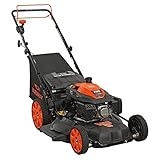
- Exclusive and industry-leading CVT (Continuously variable transmission)…
- Exclusive rubber tires with aggressive spiked tread pattern significantly…
- Starting made easier with the automatic choke system, no need to prime or…
- Quickly clean the underside of the cutting deck with the deck cleanout port

- 【4QL Powerful Engine】144CC 4QL gas engine with more explosive power,…
- 【7″/7″ Wheel Design】Front 7-inch and rear 7-inch wheel design greatly…
- 【20 inch Cutting Width】The 20-inch mower effectively increasing the…
- 【3 Position Cutting Height Adjustable 】3 levels of mowing height…
Fuel Types For Lawn Mowers
Choosing the right fuel for your lawn mower is key to good performance. Different fuel types affect your mower’s engine in many ways. Knowing the options helps you make smart choices. Here is a simple guide to common fuel types for lawn mowers.
Regular Gasoline
Regular gasoline is the most common fuel for lawn mowers. It usually has an octane rating of 87. This fuel works well for most small engines. It burns clean and keeps the mower running smoothly. Regular gas is easy to find and affordable. Most lawn mowers are designed to run on this fuel.
Premium Gasoline
Premium gasoline has a higher octane rating, often 91 or above. Some think it makes mowers run better. But most small engines do not need premium gas. Using it usually does not improve power or efficiency. It costs more and can be a waste of money. Check your mower’s manual before choosing premium gas.
Ethanol-free Gas
Ethanol-free gas is pure gasoline without added alcohol. It is better for small engines like lawn mowers. Ethanol can cause problems like corrosion and fuel system damage. This fuel lasts longer and keeps the engine cleaner. It is a smart choice for mower owners who want to avoid engine troubles.
Fuel Stabilizers
Fuel stabilizers keep gasoline fresh for longer periods. They prevent the fuel from breaking down and forming deposits. Adding a stabilizer is useful if you store your mower in winter. It protects the engine and fuel system from damage. Always use stabilizers with gas containing ethanol for best results.
Octane Ratings Explained
Understanding octane ratings helps you choose the right fuel for your lawn mower. Octane rating shows how well gasoline resists knocking or pinging during combustion. This knocking can harm small engines over time. Knowing octane basics lets you avoid unnecessary expenses and protect your mower.
What Octane Means
Octane rating measures gasoline’s ability to avoid premature ignition. Higher octane means fuel can handle more compression without igniting too soon. Engines designed for high compression need higher octane fuel to run smoothly. Lower octane fuels may cause knocking, which damages the engine.
Octane Needs Of Small Engines
Most lawn mowers use small engines with low compression. These engines work well with regular octane gas, usually 87. Using higher octane fuel does not improve performance or protect the engine. Small engines do not require premium gas because they are not built for high compression.
Premium Vs Regular Octane
Premium gas has an octane rating of 91 or higher. Regular gas usually has an octane rating of 87. Premium fuels cost more but do not benefit lawn mowers. Regular octane gas provides enough protection and power for small engines. Spending extra on premium gas for a mower is often unnecessary.
Impact Of Premium Gas On Lawn Mowers
Using premium gas in your lawn mower raises questions about its real impact. Many think premium fuel might boost mower performance. Others wonder about fuel savings or engine health. Understanding how premium gas affects lawn mowers helps you decide smartly.
Engine Performance Effects
Premium gas has a higher octane rating than regular fuel. This rating helps prevent engine knocking in high-compression engines. Most lawn mowers use low-compression engines that run fine on regular gas. Using premium fuel usually does not increase power or smoothness in these engines. The mower may run the same as with regular gasoline.
Fuel Economy Considerations
Premium gas costs more than regular gas. Lawn mowers do not gain notable fuel efficiency from premium fuel. The engine design does not allow full benefits of higher octane. Spending extra on premium gas often does not save money at the pump. Regular gas is more cost-effective for typical lawn mower use.
Potential Downsides
Premium fuel can contain additives that might harm small engines over time. Some additives cause deposits or clogging in carburetors or fuel lines. Ethanol content in premium gas can attract moisture and cause corrosion. Using ethanol-free, fresh gas with a stabilizer is safer for mower engines. Storing premium gas for long periods can degrade and harm performance.
Ethanol And Small Engines
Many lawn mower owners ask about using premium gas in their machines. One important factor is ethanol in fuel. Ethanol is a common additive in gasoline. It affects small engines differently than car engines. Understanding ethanol’s impact helps keep your mower running well.
Ethanol’s Effects On Engine Parts
Ethanol attracts water from the air. This water can cause rust inside the fuel tank. It also damages rubber seals and gaskets. Over time, ethanol can clog carburetors and fuel lines. These problems reduce engine performance. Small engines are more sensitive to ethanol than car engines.
Why Ethanol-free Is Preferred
Ethanol-free gas is better for small engines. It does not attract water or cause corrosion. It keeps fuel fresh longer. This means fewer repairs and less maintenance. Many lawn mower manufacturers recommend ethanol-free gasoline. Using ethanol-free gas can extend your mower’s life.
Using Stabilizers With Ethanol Gas
Fuel stabilizers help protect gasoline with ethanol. They prevent water buildup and corrosion. Stabilizers keep fuel fresh during storage. Add stabilizer to your fuel if you use ethanol gas. This step is important for off-season storage. Stabilizers help reduce engine problems caused by ethanol.
When To Use Premium Gas
Knowing when to use premium gas in your lawn mower helps protect the engine and improve performance. Premium gas has a higher octane rating than regular gas. This helps prevent engine knocking in certain engines. Using it at the right time can be helpful, but using it unnecessarily wastes money. Below are some key points to help you decide if your lawn mower needs premium gas.
Manufacturer Recommendations
Check your lawn mower’s manual for fuel advice. Some manufacturers require premium gas for specific models. They design engines to run best with higher octane fuel. Using the recommended fuel keeps the warranty valid. Avoid guessing; follow the instructions for best results.
High Compression Engines
Engines with high compression need premium gas. These engines squeeze fuel and air more tightly. Higher octane fuel resists knocking under pressure. If your mower has a high compression engine, premium gas improves power and efficiency. Using regular gas in these engines may cause damage or reduce performance.
Situations To Avoid Premium Gas
Do not use premium gas if your mower does not require it. Most small engines run fine on regular gas. Premium gas costs more and offers no extra benefit in low compression engines. Avoid premium gas in older mowers unless specified. It may not improve performance and wastes money.
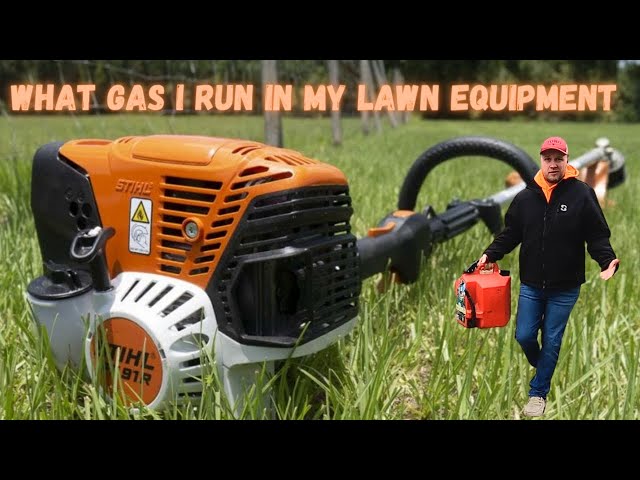
Credit: www.youtube.com
Fuel Storage Tips
Proper fuel storage keeps your lawn mower running smoothly. Gasoline can degrade over time, causing engine problems. Storing fuel correctly protects your mower and saves money. Follow these simple tips to maintain fuel quality and extend your mower’s life.
Keeping Gas Fresh
Use fresh gasoline for the best mower performance. Gas older than 30 days starts to break down. Store fuel in a cool, dry place away from sunlight. Keep containers tightly sealed to avoid moisture and air exposure. Avoid storing gas near heat sources or sparks.
Adding Fuel Stabilizer
Fuel stabilizer helps prevent gasoline from degrading. Add stabilizer to fresh gas before storage. It keeps fuel fresh for up to 12 months. Shake the container well after adding stabilizer. Use stabilizer especially if the mower stays unused for a long time.
Seasonal Storage Advice
Before winter, empty the fuel tank or add stabilizer. Run the mower until it stops to clear fuel from the carburetor. Store the mower in a dry, sheltered area. Clean the mower and remove grass clippings to avoid rust. Check fuel quality before starting the mower in spring.
Common Myths About Premium Gas
Many people believe premium gas can improve lawn mower performance. These ideas often come from car experiences. Lawn mowers, however, are different machines with distinct engine needs. Understanding myths about premium gas helps avoid unnecessary expenses.
Premium Gas Boosts Power
Some think premium gas makes mowers run stronger. Lawn mower engines do not need higher octane fuel. They are designed for regular gas. Using premium gas rarely changes power or speed. It does not make the mower cut grass better.
Premium Gas Prevents Engine Damage
People assume premium gas protects engines from harm. Lawn mower engines do not require premium gas to stay safe. Regular gas with the right octane is enough. Premium gas does not stop engine problems or wear. Proper maintenance matters more than fuel type.
Premium Gas Improves Fuel Economy
Many expect better mileage from premium gas. Lawn mowers do not gain fuel efficiency from it. Premium fuel costs more but does not burn cleaner in these engines. Regular gas gives similar fuel economy in most cases. Saving money is possible by choosing the right fuel.
Expert Recommendations
Experts offer clear advice on using fuel in lawn mowers. Understanding their recommendations helps you protect your mower’s engine and performance. Knowing the right fuel type and maintenance steps prevents common problems. Here are key points from professionals on premium gas and lawn mowers.
Choosing The Right Fuel
Most lawn mowers run well on regular unleaded gasoline. Premium gas is not necessary unless the mower’s manual says so. Using fuel with the correct octane rating prevents engine knocking and damage. Avoid fuels with more than 10% ethanol, which can harm small engines. Ethanol-free gasoline is often best for lawn mowers. Fresh fuel ensures smooth starting and operation.
Avoiding Costly Mistakes
Putting premium gas in a mower that doesn’t need it wastes money. Using old or contaminated fuel causes clogging and poor performance. Never mix fuel types or add additives not approved by the manufacturer. Store gasoline in a clean, sealed container away from heat. Adding fuel stabilizer helps prevent breakdown during storage periods.
Maintaining Engine Health
Regularly check and replace the air filter to keep the engine clean. Use fresh fuel and avoid letting gas sit in the tank for months. Clean the carburetor if the mower runs rough or stalls. Follow the manufacturer’s maintenance schedule for oil changes and spark plug checks. Proper care extends the engine’s life and keeps the mower running smoothly.

Credit: lawnphix.com
Frequently Asked Questions
When Not To Use Premium Gas?
Avoid premium gas if your engine does not require it. Using premium in regular engines wastes money without performance benefits. Regular gas suits most cars designed for standard octane. Premium fuel only benefits high-compression engines needing higher octane to prevent knocking and damage.
What’s The Best Gas To Run In A Lawn Mower?
The best gas for a lawn mower is fresh, unleaded gasoline with 87 octane or higher. Use ethanol-free fuel to prevent engine damage. Add fuel stabilizer if storing for months. Avoid premium gas, as it offers no performance benefit for standard mowers.
What If I Accidentally Put 93 Instead Of 87?
Putting 93 instead of 87 octane usually causes no damage. The engine adjusts timing to prevent knocking. Expect no performance benefit. Continue driving normally and avoid this habit to save money.
Can 87 Gas Go In A Lawn Mower?
Yes, 87 octane gas can go in most lawn mowers. Use fresh, ethanol-free gas for best performance and engine health.
Conclusion
Using premium gas in your lawn mower usually offers no real benefits. Most mowers run well on regular unleaded fuel. Premium gas costs more but does not improve engine performance or fuel efficiency. Always check your mower’s manual for the recommended fuel type.
Using the right fuel helps your mower run smoothly and last longer. Keep fuel fresh and add stabilizer if you store your mower. Stick to simple, proper fuel choices for easy and effective lawn care.