Are you wondering if you can simply fill your lawn mower with regular gas and get the job done? It’s a question many lawn care enthusiasts ask, especially when convenience and cost are on their minds.
Using the wrong fuel can lead to engine troubles, poor performance, and even costly repairs. But what exactly is the best type of gas for your mower? You’ll discover the truth about regular gasoline, why octane ratings matter, and how to keep your mower running smoothly all season long.
Keep reading to make sure you never make a fuel mistake that could ruin your mowing day!
You May Like

- Gas Powered Engine: A 144cc 4-cycle OHV engine equipped with recoil starter…
- 3-in-1 Steel Deck: All-steel deck built to last, combine mulching, bagging…
- 21″ Cutting Blade: The heavy-duty blade delivers better cutting effect,…
- Adjustable Cutting Height: Dual-lever height adjustment with 6 cutting…
- Exclusive and industry-leading CVT (Continuously variable transmission)…
- Exclusive rubber tires with aggressive spiked tread pattern significantly…
- Starting made easier with the automatic choke system, no need to prime or…
- Quickly clean the underside of the cutting deck with the deck cleanout port

- 【4QL Powerful Engine】144CC 4QL gas engine with more explosive power,…
- 【7″/7″ Wheel Design】Front 7-inch and rear 7-inch wheel design greatly…
- 【20 inch Cutting Width】The 20-inch mower effectively increasing the…
- 【3 Position Cutting Height Adjustable 】3 levels of mowing height…

- Powerful & Easy-Start Gas Engine: Get going quickly with the reliable 144cc…
- 8-Position Cutting Height: Achieve your ideal lawn with the single-lever,…
- Superior Maneuverability & Comfort: Glide effortlessly with 7″ rear / 6″…
- Durable 20-Inch Deck & Clean Cut: Built to last, the reinforced 20-inch…

- DURABLE 21″ STEEL CUTTING DECK FOR LONG-LASTING PERFORMANCE – Engineered…
- 6-LEVEL HEIGHT ADJUSTMENT & LARGE WHEELS FOR EASY HANDLING – Adjust…
- RELIABLE 144CC 4-STROKE ENGINE WITH EFFICIENT COOLING – The 144cc OHV…
- VERSATILE 3-IN-1 FUNCTION: BAGGING, MULCHING, SIDE DISCHARGE – Designed…
Fuel Types For Lawn Mowers
Choosing the right fuel for your lawn mower is important. Different fuel types affect how well your mower runs and how long it lasts. Knowing what fuel to use helps avoid engine problems and keeps your mower working smoothly. Let’s explore the common fuel types used in lawn mowers.
Regular Gasoline
Regular gasoline is the most common fuel for lawn mowers. It usually has an octane rating of 87. Most lawn mowers can run on regular gas without issues. But regular gas often contains ethanol, which can harm small engines over time. Ethanol attracts moisture and can cause corrosion inside the fuel system. Using regular gas means you should add a fuel stabilizer, especially if storing your mower for a long time.
Ethanol-free Gas
Ethanol-free gas is the best choice for lawn mowers. It does not contain ethanol, making it safer for small engines. This fuel prevents fuel system damage and keeps the engine cleaner. Ethanol-free gas also lasts longer without breaking down. Many mower owners prefer this type for better engine performance and fewer problems. It may cost a little more but saves money on repairs.
Premium Gasoline
Premium gasoline has a higher octane rating, usually 91 or above. Some people think it improves mower performance, but most lawn mowers do not need it. Using premium gas in a mower designed for regular gas does not add power or efficiency. It can be an unnecessary expense. Save premium gasoline for engines that require higher octane fuel.
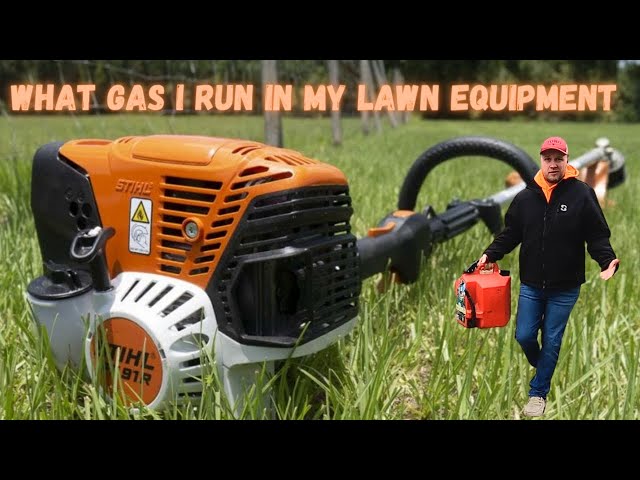
Credit: www.youtube.com
Octane Ratings And Engine Performance
Understanding octane ratings is key to choosing the right fuel for your lawn mower. Octane affects how well your mower’s engine runs. Using the proper octane can improve engine performance and avoid damage. Let’s explore what octane means and how it impacts your lawn mower.
What Octane Means
Octane rating measures fuel’s ability to resist knocking. Knocking happens when fuel burns unevenly in the engine. High octane fuel burns more smoothly under pressure. Most lawn mowers require regular octane, usually 87. Higher octane fuel is not always better for small engines.
Effects Of Low Octane Fuel
Using low octane fuel can cause engine knocking or pinging. This noise means fuel is burning too early. Knocking can damage your engine over time. Low octane fuel also lowers engine power and slows acceleration. Your mower may use more fuel to work harder.
When To Use Higher Octane
Higher octane fuel suits engines with high compression. Most lawn mowers do not need high octane gas. Check your mower’s manual for fuel recommendations. Use higher octane only if your engine knocks with regular gas. Otherwise, regular octane fuel is best and cost-effective.
Ethanol’s Impact On Small Engines
Small engines in lawn mowers react differently to ethanol in gasoline. Ethanol is a type of alcohol added to regular gas to reduce pollution. This additive can cause problems in small engines. Understanding how ethanol affects fuel stability, engine parts, and maintenance is important for mower owners. This knowledge helps keep engines running smoothly and extends their life.
Ethanol And Fuel Stability
Ethanol attracts water from the air. This causes the fuel to separate over time. The separated fuel can clog the carburetor and fuel lines. Small engines are more sensitive to this than car engines. Gas with ethanol breaks down faster. This means it loses its power quickly. Using ethanol-blended gas in a mower can lead to starting problems.
Corrosion And Engine Damage
Ethanol can cause rust inside the fuel tank. It also damages rubber and plastic parts in the fuel system. This includes fuel lines, gaskets, and seals. Corrosion can block fuel flow and reduce engine life. Small engines have thinner parts that ethanol can harm more easily. Over time, this damage leads to costly repairs or engine failure.
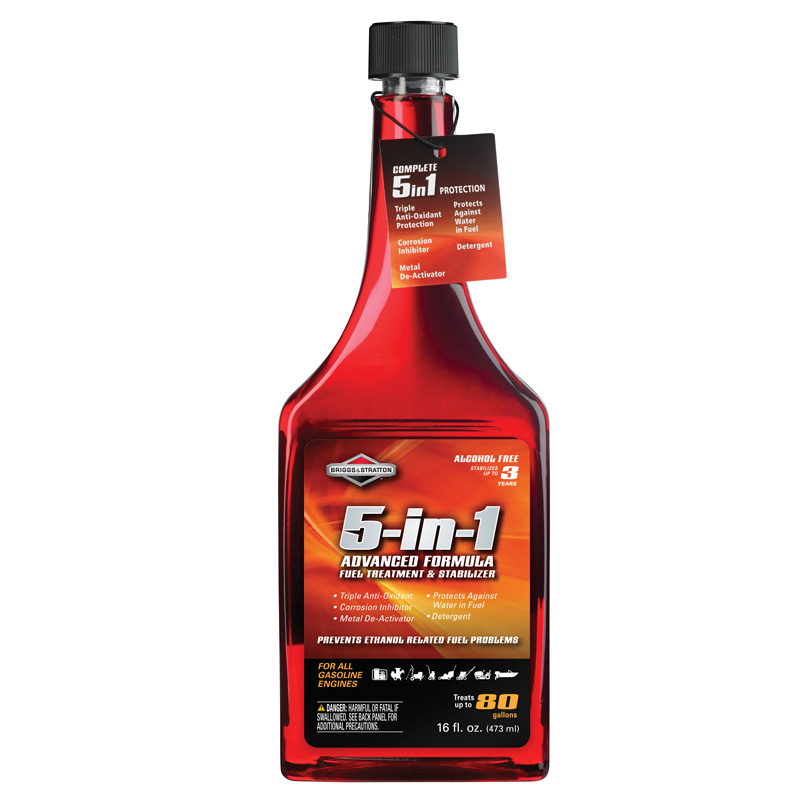
Using Fuel Stabilizers
Fuel stabilizers help prevent ethanol damage. They keep the fuel fresh and stop water absorption. Adding stabilizer to gas extends its shelf life. This is important for seasonal storage of lawn mowers. Stabilizers protect the fuel system and reduce corrosion. Using a stabilizer is a simple way to protect your mower from ethanol’s effects.

Credit: southernhardwareinc.com
Fuel Freshness And Storage Tips
Proper fuel freshness and storage play a big role in keeping your lawn mower running smoothly. Gasoline can degrade over time, causing starting problems and poor engine performance. Storing fuel the right way helps avoid costly repairs and keeps your mower ready for use.
Why Fresh Fuel Matters
Fresh fuel burns cleaner and more efficiently. Old gas can develop varnish and gum deposits that clog fuel lines and carburetors. These build-ups reduce engine power and cause rough idling. Using fresh fuel ensures your mower starts quickly and runs well every time.
Best Practices For Off-season Storage
Drain the gas tank or run the mower until it stops to empty the fuel system. Store the mower in a dry, cool place away from direct sunlight. Clean the mower and remove grass clippings before storage. Check and replace the oil to prevent engine corrosion during long storage.
Adding Stabilizers
Fuel stabilizers help keep gasoline fresh for months. Add stabilizer to the fuel tank or gas can before storage. Run the engine for a few minutes to circulate the stabilizer through the fuel system. Stabilizers prevent fuel breakdown and protect the engine from corrosion and gum build-up.
Common Mistakes Using Regular Gas
Using regular gas in your lawn mower might seem convenient and cost-effective. Many users make mistakes that affect their mower’s performance and lifespan. Understanding these common errors helps protect your equipment and keep it running smoothly.
Engine Knock And Pinging
Regular gas often has a lower octane rating than recommended. Low octane fuel can ignite too early. This causes knocking or pinging noises in the engine. The knocking can damage engine parts over time. It also reduces the mower’s smooth operation. Avoiding low octane fuel prevents this harmful effect.
Reduced Power And Efficiency
Using regular gas can lower your mower’s power output. The engine’s computer may adjust timing to stop knocking. This adjustment reduces horsepower and slows acceleration. Fuel efficiency also drops, causing more gas use per hour. Your mower will work harder but achieve less cutting power.
Potential Long-term Damage
Continuous use of regular gas can harm your mower’s engine long term. Deposits may build up inside the combustion chamber. These deposits reduce engine life and increase repair costs. Fuel system components can corrode due to ethanol in regular gas. Ethanol-free or higher octane fuel helps avoid these issues.
Choosing The Right Gas For Your Mower
Choosing the right gas for your lawn mower is important for its performance and lifespan. Using the correct fuel type helps the engine run smoothly and avoids damage. This section covers key points to help you select the best gasoline for your mower.
Checking Your Owner’s Manual
Start by reading your mower’s owner’s manual. It lists the recommended fuel type and octane rating. Some mowers need regular unleaded gas, while others require higher octane fuel. Following the manual prevents engine problems and keeps your warranty valid. Avoid guessing or using the wrong gas type.
Balancing Cost And Performance
Regular gas is often cheaper than premium options. Many mowers run well on regular unleaded fuel with an octane of 87. Premium gas may not improve performance enough to justify its cost. Use fresh gas and avoid old fuel to maintain power and reduce emissions. Adding a fuel stabilizer extends the life of stored fuel.
Adjusting For High Altitudes
Engines may run differently at high altitudes due to thinner air. Some mowers need a different fuel mixture or carburetor adjustment. Check your manual for altitude-related fuel advice. Using the correct gas mix prevents engine knocking and power loss. High-altitude users should consult local experts for the best fuel practices.
What To Do If You Use The Wrong Fuel
Using the wrong fuel in your lawn mower can cause serious problems. Knowing what to do right away helps protect your mower. Acting fast can save time and money. Read on to learn how to handle this issue properly.
Immediate Steps To Take
Stop the mower immediately. Do not try to start or run it again. Remove the spark plug wire to prevent accidental ignition. Drain the fuel tank completely. Dispose of the wrong fuel safely according to local rules. Check the carburetor and fuel lines for leftover fuel. Clean or flush them if needed. Refill the mower with the correct type of fuel. Use fresh, clean gasoline recommended by the manufacturer.
When To Seek Professional Help
Look for signs of engine trouble like rough running or smoke. Strange noises or failure to start also signal problems. If you notice any of these, call a lawn mower repair shop. Professionals can inspect the engine and fuel system closely. They may clean the carburetor or replace damaged parts. Early repair avoids bigger, costly damages later. Trust experts to keep your mower running well and safe.
Preventing Future Issues
Always check the fuel type before filling your mower. Use a fuel container labeled clearly for lawn equipment. Store fuel in a cool, dry place away from sunlight. Avoid using old or contaminated gasoline. Add fuel stabilizer if you store fuel for long periods. Clean the fuel system regularly as part of mower maintenance. Follow the owner’s manual instructions strictly. These steps keep your mower healthy and ready for use.
Credit: www.briggsandstratton.com
Frequently Asked Questions
What Is The Best Fuel To Use In A Lawn Mower?
The best fuel for lawn mowers is fresh, ethanol-free gasoline with at least 87 octane. Avoid stale or high-ethanol fuel. Add stabilizer for storage to prevent engine issues and maintain performance. Use fuel matching your mower’s manual recommendations for optimal power and longevity.
What Happens If I Use 87 Octane Instead Of 91?
Using 87 octane instead of 91 may cause engine knocking, reduced power, and lower fuel efficiency. Modern engines often adjust timing to prevent damage. One tank usually won’t harm your car, but check your manual and use recommended octane for optimal performance.
Do Lawnmowers Use Straight Gas?
Lawnmowers typically use straight gas with 87 octane or higher. Avoid gas with more than 10% ethanol. Use fresh, ethanol-free fuel for best performance.
Can You Put Regular Gas In A 4-stroke?
Yes, you can use regular gas in a 4-stroke engine if it meets the recommended octane level. Use fresh, ethanol-free gasoline for best performance. Avoid fuel with high ethanol content to prevent engine damage. Always check the owner’s manual for the correct fuel type and octane rating.
Conclusion
Using regular gas in your lawn mower can work, but it depends on the mower’s needs. Most small engines run fine on regular unleaded fuel with an octane rating of 87. Avoid fuels with more than 10% ethanol to protect your engine.
Always check your mower’s manual for the recommended fuel type. Fresh gas and adding a stabilizer help keep the engine running smoothly. Using the right fuel keeps your mower efficient and prevents damage. Take care of your mower, and it will take care of your lawn.