Can you cut tall grass with a reel mower? If you’ve ever faced an overgrown lawn and wondered whether your trusty reel mower could handle the job, you’re not alone.
Reel mowers are known for their clean, scissor-like cut and eco-friendly design, but when grass grows tall and thick, they can quickly feel like a struggle. Before you push your reel mower into battle against those towering blades, it’s important to understand its strengths and limits.
You’ll discover when a reel mower can tackle tall grass, when it can’t, and what alternatives might save you time and effort. Ready to find out if your reel mower is up for the challenge? Keep reading to get the full scoop.
You May Like

- 7-blade reel mower for specific lawns. 7-blade reel mowers are best suited…
- The 7-blade reel push mower is designed for the active lawn enthusiast…
- 7-blade reel with a cutting width of 16″ and a newly designed durable 10″…
- Mechanical lawn mower with an adjustable cutting height of 0.5″- 2.5″

- SCISSOR-LIKE CUT: No ripping or tearing of grass blades for a better and…
- DESIGNED FOR SMALL LAWNS: CUSTOMIZE YOUR CUT: Effortlessly change the…
- MAX MANEUVERABILITY: Features an 18-inch deck and 10-inch front wheels for…
- MOTORLESS DESIGN: Environmentally friendly with no gas or batteries needed

- 4-blade reel mower with a cutting width of 14” and durable 8.5” polymer…
- This push lawn mower has an adjustable blade height of 0.5”-1.75”….
- Manual grass cutter is environment-friendly alternative to other lawn…
- A reel mower uses a cutting action that does not bruise or damage the…
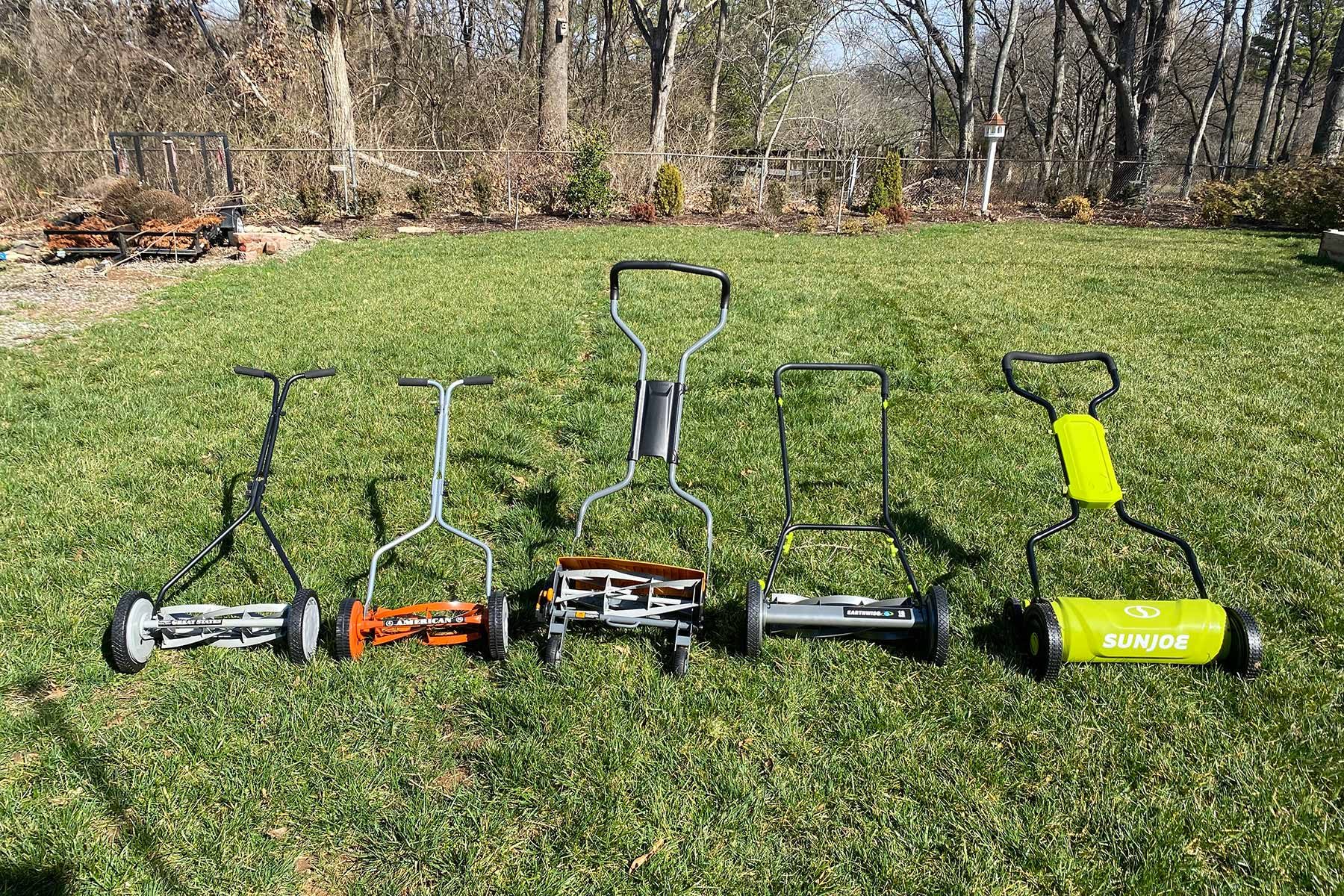
Credit: www.familyhandyman.com
Reel Mowers And Tall Grass
Reel mowers offer a traditional and eco-friendly way to maintain your lawn. Their simple design and manual operation appeal to many gardeners. However, cutting tall grass with a reel mower presents unique challenges. Understanding how reel mowers work and their blade spacing helps in deciding if they suit your lawn’s needs. Below, we explore important points about reel mowers and tall grass.
Blade Spacing And Grass Height
Blade spacing plays a key role in cutting tall grass. Reel mowers have blades that spin and pass close to a fixed bed knife. The gap between these blades limits how thick or tall the grass can be. If grass grows taller than the blade spacing, the mower may struggle to cut cleanly. Grass can bend or fold instead of being sliced.
Some reel mowers have wider blade spacing designed for slightly taller grass. However, very tall or thick grass can jam the blades. This causes extra effort and may damage the mower. For best results, keep grass at moderate height before using a reel mower.
How Reel Mowers Work
Reel mowers use a cylinder of blades that spin as you push the mower forward. These blades work like scissors, cutting grass with a shearing action. This method produces a clean cut without tearing the grass blades. It also helps keep the lawn healthy.
Because reel mowers rely on manual power, cutting tall grass can be difficult. The mower may slow or stop if the grass is too thick. Clearing debris from the lawn is important to avoid blade jams. Regular mowing prevents grass from growing too tall and maintains mower efficiency.
Challenges With Tall Grass
Tall grass poses specific challenges for reel mowers. These manual tools are designed for short, even lawns. Cutting long, dense grass requires more effort and care. The blades can easily jam or fail to cut cleanly. Understanding these issues helps you decide if a reel mower suits your lawn’s condition.
Jamming And Obstacles
Reel mowers often jam when grass is too tall or thick. The blades can get stuck on sticks, rocks, or debris hidden in the grass. This stops the mower and requires you to clear the blades frequently. Obstacles reduce mowing speed and can damage the mower if not handled carefully.
Performance On Wet Grass
Wet grass clumps together and sticks to the mower blades. This lowers cutting performance and causes the mower to clog. Mowing wet tall grass with a reel mower is tiring and less effective. It is best to wait for dry conditions to avoid these problems.
Difficulties On Slopes And Uneven Terrain
Reel mowers are hard to push on hills or uneven ground. Tall grass on slopes adds resistance and makes mowing tiring. Uneven terrain causes uneven cuts and blade damage. These mowers work best on flat, smooth lawns with short grass.
Ideal Conditions For Reel Mowers
Reel mowers work best under specific lawn conditions. They cut grass like scissors, offering a clean, neat finish. These mowers are perfect for certain lawn types and mowing habits. Understanding these ideal conditions helps you get the best results from a reel mower.
Small And Flat Lawns
Reel mowers perform best on small, flat lawns. Their manual design limits power and speed. Large lawns take longer to mow and require more effort. Flat surfaces allow the blades to cut evenly without extra strain. Uneven or hilly lawns make pushing a reel mower hard and tiring. Small, level areas help maintain a consistent cut and reduce blade wear.
Frequent Mowing Benefits
Frequent mowing keeps grass short and healthy. Reel mowers cut best when grass is not too tall. Regular mowing prevents the blades from jamming on long or thick grass. It also reduces lawn stress by trimming only a small amount each time. Frequent use encourages a tidy, well-kept lawn and less work per session. This routine extends blade life and improves cutting performance.
:max_bytes(150000):strip_icc()/reel-mowers-review-2130983-1e98544b20104878a13d9baf9d462438.png "Can You Cut Tall Grass With a Reel Mower? Expert Tips Revealed")
Credit: www.thespruce.com
Comparing Reel Mowers To Other Types
Comparing reel mowers to other mower types helps decide the best tool for tall grass. Each mower has unique strengths and weaknesses. Understanding these differences can guide you to the right choice.
Push Reel Vs Petrol Mowers
Push reel mowers rely on manual power. They need physical effort to move the blades. This makes cutting tall, thick grass difficult. The blades can jam on dense or wet grass easily.
Petrol mowers use engines for power. They cut through thick grass with ease. Their high torque prevents stalling on tough patches. Petrol mowers work faster on large lawns.
Push reel mowers are quiet and eco-friendly. Petrol mowers create noise and emissions. Maintenance for petrol mowers is more complex and costly. Push reel mowers need sharpening but less often.
Reel Vs Rotary Mowers
Reel mowers cut grass with a scissor-like action. This gives a clean, neat finish on short grass. Tall grass makes reel mowers work harder. They can leave patchy cuts if blades are dull.
Rotary mowers use fast-spinning blades to chop grass. They handle tall and thick grass better than reels. Rotary mowers can cut uneven terrain easily. They are more versatile but less precise.
Reel mowers require frequent mowing for best results. Rotary mowers can handle longer intervals between cuts. Both need blade maintenance, but reels need sharper blades for clean cuts.
Tips For Cutting Tall Grass
Caring for tall grass with a reel mower requires some preparation and smart techniques. Tall grass is tough and thick, making it harder for reel mowers to cut smoothly. These mowers work best on short, even grass. Follow these tips to get a cleaner cut and protect your mower from damage.
Pre-clearing Obstacles
Check your lawn for sticks, stones, and debris before mowing. These obstacles can jam the mower blades. Remove anything that might block the blades or cause damage. A clear path helps the mower cut smoothly and reduces effort. Always walk the lawn first to spot hidden objects.
Using Line Trimmers Or Scythes
Trim the tallest grass with a line trimmer or scythe before using the reel mower. These tools cut through thick, tall grass quickly. Lower the grass height first to avoid overworking the mower. After trimming, the reel mower can finish the job with a clean, even cut. This method saves time and protects your equipment.
Adjusting Mowing Frequency
Cut tall grass more often to prevent it from growing too high. Frequent mowing keeps grass at a manageable height. It also makes the reel mower’s job easier and improves cut quality. Try mowing every week or two during peak growth seasons. Consistent mowing keeps your lawn healthy and neat.
Maintenance And Care
Proper maintenance and care keep your reel mower working well. Regular upkeep helps the blades cut tall grass smoothly. It also extends the mower’s life and keeps it safe to use. Simple steps make a big difference in performance.
Sharpening Blades
Sharp blades cut grass cleanly and easily. Dull blades tear grass, causing damage and uneven cuts. Use a sharpening kit or take blades to a professional. Check blade sharpness every few mowing sessions. Sharpen blades more often if you mow tall or thick grass. Clean blades before sharpening to remove dirt and grass clippings.
Proper Adjustment After Use
Adjust the mower blades after every use. Check blade clearance to ensure smooth spinning without rubbing. Tighten any loose bolts or screws. Lubricate moving parts to prevent rust and friction. Store the mower in a dry place to avoid corrosion. Proper adjustment helps the mower cut well and last longer.
When Reel Mowers Are Less Effective
Reel mowers work best on well-maintained, shorter grass. They struggle under certain conditions that affect cutting quality and effort. Knowing when they are less effective helps keep your lawn healthy and your mowing easy.
These mowers rely on sharp blades and a clean cutting path. Tall grass, debris, and rough terrain can cause problems. Understanding these limits saves time and frustration.
After Long Periods Without Mowing
Tall grass becomes tough and dense after weeks of neglect. Reel mowers lack the power to cut thick, overgrown blades cleanly. The mower may jam or leave uneven cuts. In such cases, a rotary mower or trimmer works better. Regular mowing keeps grass manageable and reel mowers effective.
Presence Of Twigs And Debris
Twigs, sticks, and lawn debris block reel mower blades easily. These objects get stuck between the blades, causing the mower to stop. Clearing the lawn before mowing is necessary. A reel mower is not designed to handle rough or cluttered surfaces. Removing debris protects the mower and improves cut quality.
Large Or Hilly Lawns
Reel mowers require steady pushing and flat ground for best results. Large lawns take a long time to mow with this tool. Hills and uneven terrain make pushing difficult and tiring. The mower may skip or cut unevenly on slopes. For big or hilly yards, powered mowers offer more convenience and consistent results.

Credit: www.youtube.com
Practical Advice From Experts
Experts offer clear, practical advice about using reel mowers for tall grass. Their insights help homeowners make smart choices. Understanding the strengths and limits of reel mowers improves lawn care results. This section shares expert tips for better lawn maintenance with reel mowers.
Using Reel Mowers As Complementary Tools
Reel mowers work best on short, well-kept lawns. Experts suggest using them alongside other tools. Start with a petrol or rotary mower to cut tall grass first. After the initial cut, switch to the reel mower for a clean finish. This method reduces strain on the mower and user.
Reel mowers give a sharp, scissor-like cut. They improve lawn health and appearance when used properly. Avoid pushing reel mowers through thick, wet, or very tall grass alone. This practice can jam blades and damage the mower. Use reel mowers regularly to keep grass at a manageable height.
Best Practices For Lawn Health
Cut grass often to avoid letting it grow too tall. Experts say frequent mowing keeps the lawn healthy and strong. Use sharp blades on the reel mower to prevent tearing grass blades. Tearing causes stress and disease in grass.
Clear debris like sticks and stones before mowing. These obstacles can jam reel mower blades and harm the lawn. Mow during dry conditions for best results. Wet grass clogs reel mowers and creates uneven cuts.
Adjust cutting height to suit your grass type. Avoid cutting more than one-third of the grass height at once. This rule helps grass recover quickly and stay green. Combine proper mowing with watering and fertilizing for a lush lawn.
Frequently Asked Questions
Can Reel Lawn Mowers Cut Tall Grass?
Reel lawn mowers can cut tall grass but may struggle with thick, dense, or wet growth. They often jam and require more effort. Regular mowing and sharp blades improve performance, but petrol mowers handle tall grass more effectively. Reel mowers work best on flat, well-maintained lawns.
What Type Of Mower Is Best For Tall Grass?
A petrol mower works best for tall grass. It delivers strong power and torque to cut thick, overgrown vegetation efficiently without stalling.
What Are The Limitations Of A Reel Mower?
Reel mowers struggle with tall, thick, or wet grass and jam easily on debris. They require more effort on large, uneven, or hilly lawns. Blades need regular sharpening, and cutting can be uneven if not maintained properly. They work best on small, flat, well-kept lawns.
What Is The Best Way To Mow Tall Grass?
Mow tall grass in stages by raising mower blades high. Cut only the top third of grass each time. Use a powerful petrol mower to avoid stalling. Clear debris to prevent blade jams. Maintain sharp blades for a clean, even cut.
Conclusion
Reel mowers can cut tall grass, but with effort and care. They work best on small, flat lawns without many obstacles. Cutting very tall or thick grass may cause jamming or uneven cuts. Regular mowing keeps the grass manageable and the mower efficient.
For large or rough lawns, other mowers suit better. Keeping blades sharp helps improve cutting quality. Consider your lawn size and terrain before choosing a reel mower. It can be a good tool but not always the easiest choice for tall grass.