
Are you tired of lugging heavy tools, soil bags, and plants all over your garden? Imagine having a trusty garden cart that makes every task easier and even more enjoyable.
Whether you want to build one yourself, customize a store-bought model, or find clever ways to use it beyond just hauling, this guide has got you covered. Dive into these garden cart ideas and discover how a simple cart can transform your gardening experience—saving you time, effort, and frustration.
Ready to boost your garden game? Let’s get started!
Diy Garden Cart Basics
Building your own garden cart saves money and fits your needs perfectly. It also gives a sense of pride and control over your gardening tasks. Understanding the basics helps you create a cart that is strong, functional, and easy to use.
Start by gathering the right materials and tools. Pick a cart type that matches your garden size and the load you will carry. Always follow safety tips to avoid accidents during building and use.
Materials And Tools Needed
Gather wood or metal for the frame and sides. Use durable wheels that roll smoothly on rough ground. Screws, nails, and bolts hold parts together firmly. Tools include a saw, drill, hammer, and wrench. Sandpaper helps smooth rough edges. Gloves and safety glasses protect your hands and eyes.
Choosing The Right Cart Type
Decide between a flatbed cart or one with high sides. Flatbeds carry large items like bags or boards. High sides keep loose materials like soil or leaves inside. Consider a foldable design for easy storage. Lightweight carts are easier to move but carry less weight. Heavy-duty carts hold more but need more effort to push.
Safety Tips For Building
Wear protective gear at all times. Work in a clean, well-lit space. Check tools before use to ensure they work properly. Secure parts tightly to avoid breaks or wobbling. Lift heavy parts carefully to protect your back. Test the cart on flat ground before full use. Fix any loose parts immediately.

Credit: comfylanecottage.com
Creative Cart Designs
Creative cart designs add style and function to your garden work. These carts go beyond basic use. They help organize tools and move plants with ease. Choosing the right design can improve your gardening experience. Here are some inventive cart ideas to inspire your next project or purchase.
Multi-tasking Workstation Cart
A multi-tasking workstation cart combines storage and work surface. It holds pots, soil, and tools all in one place. The flat top allows for potting plants comfortably. Wheels make moving it around the garden simple. This cart saves time by keeping everything close at hand. It suits gardeners who like to have a mobile workstation.
Collapsible And Portable Options
Collapsible carts fold down to save space when not in use. Lightweight materials make them easy to carry. These carts are perfect for small gardens or patios. Portability lets you transport garden items quickly. Some models include handles or straps for easy lifting. They suit gardeners who need convenience without bulk.
Vintage And Rustic Styles
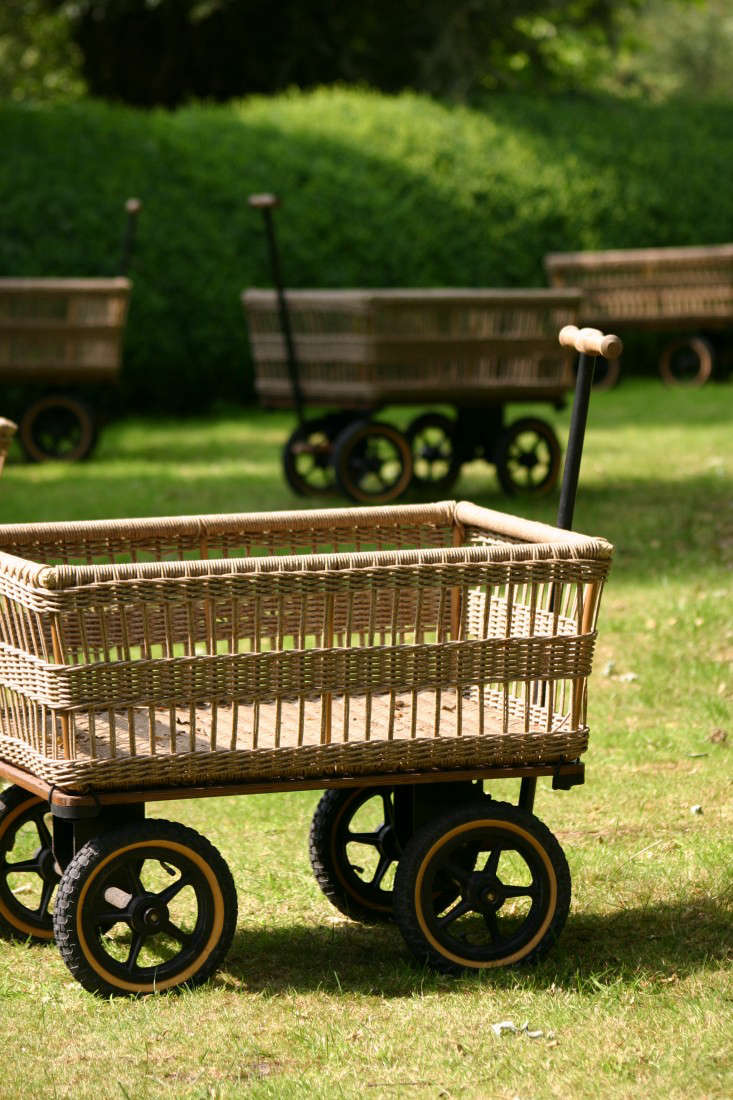
Vintage and rustic style carts bring charm to your garden. Wood and metal frames create a classic look. These carts often feature distressed finishes for character. They double as garden décor and functional tools. Sturdy designs provide reliable support for heavy loads. Choose this style to add warmth and personality to your garden space.
Customizing For Functionality
Customizing a garden cart improves how you work outdoors. Tailoring it to your needs saves time and effort. Small changes can make a big difference. Focus on adding features that help you carry tools and supplies easily. This boosts your gardening efficiency and comfort.
Adding Storage Compartments
Storage compartments keep your tools and supplies organized. You can add small boxes or trays inside the cart. These compartments prevent items from mixing or falling out. Use waterproof materials to protect items from rain. Separate spaces for seeds, gloves, and small tools help you find things fast.
Incorporating Folding Tables
A folding table attached to the cart creates a handy workspace. It offers a place to pot plants or arrange tools. Fold it down when not in use to save space. Choose a sturdy, lightweight material for easy handling. This feature turns your cart into a mobile garden station.
Tool Holders And Organizers
Tool holders keep your most-used tools within reach. Attach hooks or clips on the sides of the cart. Organizers help sort items by size or type. This avoids clutter and speeds up your work. Magnetic strips or elastic bands can also hold metal tools securely.
Eco-friendly Cart Ideas
Eco-friendly garden carts help reduce waste and protect nature. Using green materials and smart features makes gardening cleaner and safer. These carts serve the garden and the planet with care.
Using Recycled Materials
Choose wood, metal, or plastic from old items to build your cart. Recycled parts cut down waste and save resources. Old pallets, scrap metal, or plastic containers work well. They create strong carts without new material demand.
Composting And Waste Features
Add compartments for collecting garden waste like leaves and scraps. A small bin can hold compostable materials for easy transport. This makes turning waste into nutrient-rich soil simpler. It encourages recycling natural waste right in the garden.
Natural Finishes And Treatments
Use natural oils and waxes to protect wood parts. These finishes keep carts safe without harsh chemicals. Avoid paints with toxins that harm soil and plants. Natural treatments keep the cart durable and eco-friendly for years.
Garden Cart Hacks
Garden carts make outdoor work easier. Using simple hacks can improve their function and comfort. These ideas help you get more from your garden cart. Save time and effort in your garden chores.
Transforming Carts For Multiple Uses
Change your garden cart into a mobile potting station. Add shelves or trays to hold tools and soil. Use removable bins to separate plants and supplies. This setup lets you work anywhere in the garden. It keeps everything close and organized.
You can also turn your cart into a harvest carrier. Line it with a waterproof tarp to hold fruits or vegetables. This protects the cart and makes cleanup easier. A versatile cart cuts down on trips back and forth.
Upgrading Wheels And Handles
Switch old wheels to heavy-duty, all-terrain ones. Larger wheels roll smoothly on rough or soft ground. Look for wheels with good grip to avoid slipping. This upgrade reduces strain and improves control.
Replace basic handles with ergonomic grips. Soft, cushioned handles reduce hand fatigue. Adding adjustable handles lets you set the height for comfort. These changes make long gardening sessions easier and safer.
Weatherproofing Tips
Protect your cart from rain and sun damage with a sealant. Use a waterproof spray or paint designed for metal or wood. Cover the cart with a fitted tarp when not in use. Store carts inside if possible to extend life.
Check wheels and bolts regularly for rust or wear. Clean and oil moving parts to keep the cart working well. Weatherproofing saves money by preventing costly repairs or replacements.
Buying Vs Building
Deciding between buying or building a garden cart can shape your gardening experience. Each option offers unique benefits and fits different needs. Understanding these can help you choose the best path for your garden tasks.
Popular Store-bought Models
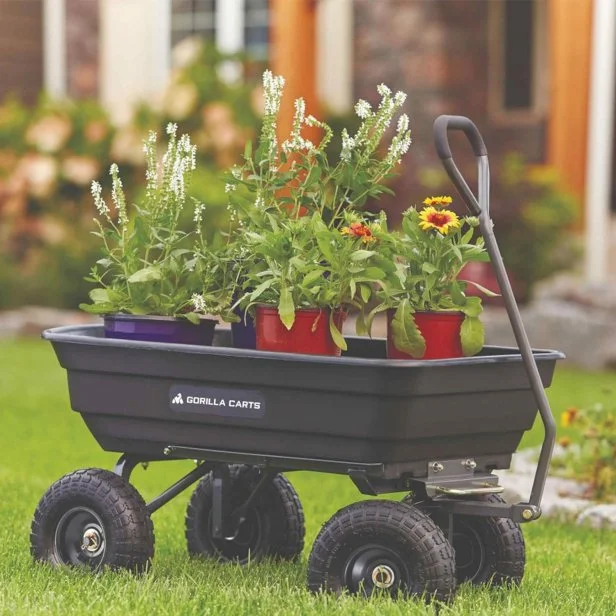
Store-bought garden carts come in many designs and sizes. Brands like Gorilla Carts, Karl Home, and Ozark Trail offer reliable options. Prices range from about $40 to over $200. Some carts have steel frames and large wheels for rough terrain. Others are lightweight with plastic buckets for easy carrying. These carts arrive ready to use and often include warranties.
Cost Comparison
Buying a garden cart usually costs between $40 and $200. Building your own can be cheaper, especially if you use scrap wood or recycled parts. Tools and materials might add to the cost if you don’t have them already. Building takes time and effort but saves money in many cases. Buying offers convenience and saves time but may cost more upfront.
When To Choose Diy
DIY suits those who enjoy hands-on projects and have basic skills. It allows customization to fit your garden’s size and style. You control the materials and design features. DIY helps if you want a unique cart or need specific dimensions. It also works when you want to reuse old materials. Building your own cart can be satisfying and practical.
Maintenance And Care
Proper maintenance and care keep your garden cart in top shape. Regular attention prevents damage and costly repairs. It also ensures smooth use season after season. Simple steps make a big difference in cart durability.
Cleaning And Storage
Clean your garden cart after every use. Remove dirt, leaves, and debris with a brush or cloth. Use mild soap and water for stubborn stains. Dry the cart thoroughly to stop rust and mold.
Store the cart in a dry, covered place. Keep it off the ground to avoid moisture damage. Covering the cart protects it from rain and sun. Proper storage keeps wheels and handles working well.
Repairing Common Issues
Check your cart regularly for loose bolts and nuts. Tighten them to keep the structure stable. Inspect wheels for flat spots or damage. Replace worn-out tires to maintain smooth movement.
Fix cracks or bends in the frame quickly. Use metal glue or welding for strong repairs. Lubricate moving parts like wheel axles to prevent squeaks. Small repairs stop bigger problems later.
Extending Cart Lifespan
Use your garden cart within its weight limit to avoid stress. Avoid dragging it over rough surfaces that can cause wear. Regularly oil metal parts to prevent rust and corrosion.
Apply a protective coat like paint or sealant on metal surfaces. This shields the cart from weather damage. Inspect the cart before each use to catch issues early. Careful use and maintenance extend your cart’s life.
Credit: www.hgtv.com
Credit: www.gardenista.com
Frequently Asked Questions
What Are The Best Garden Cart Ideas For Small Gardens?
For small gardens, choose compact, foldable garden carts. They save space and make transporting tools easier. Look for lightweight models with multiple compartments for organization.
How To Build A Diy Garden Cart At Home?
Use sturdy wood or metal frames for durability. Add large wheels for easy movement. Include handles and storage trays for convenience. Follow online tutorials for step-by-step guidance.
Which Materials Are Best For Durable Garden Carts?
Steel and heavy-duty plastic are top choices. Steel offers strength, while plastic resists rust and is lightweight. Combining both can enhance durability and portability.
What Features Make A Garden Cart User-friendly?
Look for ergonomic handles, large pneumatic wheels, and ample storage space. Collapsible designs and multi-functionality add convenience. These features reduce strain and improve efficiency.
Conclusion
A garden cart makes gardening tasks easier and more enjoyable. Choose a design that fits your needs and space well. Simple carts can carry tools, soil, and plants with ease. DIY options let you customize for specific garden jobs. Durable materials help carts last through many seasons.
Keep your garden organized and reduce heavy lifting. Start small and build or buy a cart that suits you. With the right garden cart, your work feels lighter and faster. Explore ideas and find the perfect cart for your garden today.