You want your garden sprayer to work perfectly every time, right? But if you don’t clean it properly after each use, residue and clogs can build up, ruining your equipment and wasting your time and money.
Cleaning your garden sprayer might sound like a hassle, but with the right steps, you can keep it in top shape for seasons to come. In this guide, you’ll learn simple, effective ways to clean your sprayer quickly and thoroughly—so you can get back to making your garden thrive without any interruptions.
Keep reading to discover how easy it is to protect your investment and boost your gardening success!
You May Like

- Chapin Garden Sprayer: Complete lawn care and basic cleaning tasks faster…
- Reliable performance: Achieve consistent spray coverage of weeds,…
- Comfortable handling: move easily around the yard during garden, cleaning…
- Versatile spraying: switch between targeted stream or broad spray for weed…

- Adjustable spray nozzle: Whether you’re taking care of your indoor plants…
- Lightweight and portable: Our half gallon home and garden mister is a handy…
- Half gallon translucent tank: The rust resistant tank is translucent so you…
- Durable & Chemical-Resistant: Engineered with Viton Seals so you can use…

- Designed for homeowners and professionals: reduce mess and speed up lawn…
- Versatile spraying: handle weed control, plant care, and cleaning tasks…
- Consistent performance: stay productive during garden projects with an…
- Comfortable control: work longer with less hand fatigue thanks to the…
Preparing The Sprayer
Preparing your garden sprayer properly is key to effective cleaning. It helps avoid damage and keeps the sprayer ready for the next use. Start by safely removing any leftover chemicals from the tank. This step ensures no harmful residues remain inside.
After emptying, take apart the sprayer’s removable parts. Cleaning each piece separately removes dirt and buildup. This makes the sprayer work better and lasts longer.
Empty Remaining Chemicals
Pour out any leftover spray solution into a safe container. Never dump chemicals on the ground or plants. Wear gloves to protect your hands from harmful substances. Rinse the tank with water to remove residual chemicals. Repeat rinsing until the water runs clear and no smell remains.
Disassemble Removable Parts
Remove the nozzle, filter, and wand carefully. Check for clogs or damage in each part. Soak these parts in warm soapy water for a few minutes. Use a soft brush to clean away dirt and chemical deposits. Rinse all parts thoroughly with clean water. Let them dry completely before reassembling the sprayer.
Cleaning Solutions To Use
Choosing the right cleaning solution keeps your garden sprayer in top shape. The right cleaner removes residues without damaging the sprayer parts. It also ensures safe use for your next spraying session.
Mild Detergents And Washing Soda
Mild detergents clean dirt and light residues effectively. Use a few drops mixed with warm water for best results. Washing soda is stronger and removes tough residues and buildup. It dissolves grease and old chemicals inside the sprayer tank. Both options are safe for most sprayer materials.
Avoiding Harmful Chemicals
Harsh chemicals can damage the sprayer’s seals and hoses. Avoid bleach, strong acids, or solvents. These may cause leaks or reduce sprayer life. Using gentle cleaners extends the sprayer’s usability and performance. Always rinse well after cleaning to remove any leftover solution.
Why Not Vinegar Or Ammonia
Vinegar and ammonia might seem like good natural cleaners. They can corrode metal parts inside your sprayer. These substances may also react with leftover chemicals, creating harmful fumes. Avoid them to protect both your sprayer and your health. Stick to mild detergents or washing soda instead.
Step-by-step Cleaning Process
Cleaning your garden sprayer regularly keeps it working well and lasts longer. Follow this step-by-step process for easy and effective cleaning. Each step targets parts that can clog or wear out, ensuring smooth spraying next time.
Soaking Filters And Nozzles
Remove filters, nozzles, and nozzle screens from the sprayer. Place them in a bucket with warm water mixed with mild soap or a specialized cleaner. Let them soak for 15 to 30 minutes to loosen dirt and residue. This softens hardened chemicals and plant matter that block spray paths.
Scrubbing With Soft Brushes
After soaking, use a soft brush to clean each part gently. Focus on small holes and crevices where debris collects. Avoid hard brushes that can damage delicate filters or nozzles. Scrubbing removes stubborn dirt and buildup that soaking alone cannot clear.
Rinsing Thoroughly With Water
Rinse all parts under clean running water to wash away soap and loosened debris. Check that all openings are clear by shining light through them. Rinse the sprayer tank and wand as well to remove leftover chemicals. Let everything dry completely before reassembling to prevent rust or mold.

Credit: www.wikihow.com
Unclogging Nozzles And Hoses
Clogs in garden sprayer nozzles and hoses reduce spray quality and pressure. Regular cleaning keeps your sprayer working well. Unclogging these parts restores smooth flow and improves spraying results.
Identifying Clogs
Check the nozzle if spray looks uneven or weak. Inspect hoses for any bends or blockages. Remove the nozzle and look through it against light. Dirt, debris, or residue often cause clogs. Notice any buildup inside hose openings or filters.
Using Water Pressure To Clear Blockages
Detach the nozzle and hose from the sprayer. Use a strong stream of water to flush out dirt. A garden hose or a pressure washer works well. Direct water through the nozzle opening and hose ends. Repeat flushing until water runs clear and freely.
When To Replace Nozzle Screens
Nozzle screens catch dirt and prevent clogging. Over time, screens get damaged or clogged beyond cleaning. Check screens for tears, holes, or heavy residue. Replace screens if water flow stays poor after cleaning. New screens keep your sprayer running efficiently.
Reassembling And Lubricating
After thoroughly cleaning your garden sprayer, the next step is reassembling and lubricating. This process ensures your sprayer works smoothly and lasts longer. Proper reassembly prevents leaks and damage during use. Lubrication keeps parts flexible and easy to operate.
Handle each part carefully to avoid breakage. Take your time to fit pieces correctly. Lubricate moving parts to reduce friction and wear. This will keep your sprayer in good condition season after season.
Reinstalling Cleaned Parts
Start by placing filters and screens back into their spots. Make sure they fit snugly without forcing them. Attach nozzles and pipe end caps carefully. Check for any cracks or damage before reinstalling. Tighten all parts securely but do not overtighten. Proper installation prevents leaks and spraying problems.
Lubricating O-rings With Vegetable Oil
Use vegetable oil to lubricate all O-rings in the sprayer. Apply a thin layer on each ring using a clean cloth or your finger. This keeps the rings soft and prevents cracking. Avoid using petroleum-based lubricants as they can damage rubber parts. Lubricated O-rings create a tight seal and improve sprayer performance.
Tips For Winterizing Sprayers
Proper winterizing helps keep garden sprayers in good shape. It prevents damage from cold weather. Taking simple steps protects your sprayer and saves money on repairs.
Follow these tips to prepare your sprayer for winter storage. Clear out all liquids and store it in a safe, dry spot. This care extends the life of your equipment.
Draining All Liquids
Empty the tank completely. Spray out any leftover liquid through the nozzle. Remove all filters and screens to clean and dry them. Leaving liquid inside can freeze and crack the tank or pipes. Make sure no water or chemicals remain in any part of the sprayer.
Storing In A Dry Place
Keep the sprayer in a dry and warm area. Avoid damp basements or outdoor sheds exposed to moisture. Moisture can cause rust and damage seals. Store it off the ground on a shelf or pallet to prevent contact with water. Cover the sprayer to keep dust away but allow airflow.
Maintaining Sprayer Performance
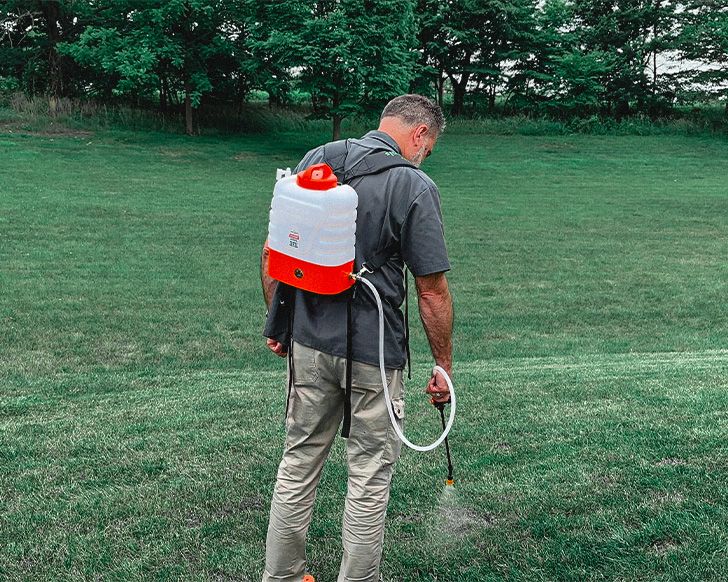
Maintaining your garden sprayer’s performance ensures it works well each time. Proper care helps avoid clogs and leaks. A clean sprayer sprays evenly and lasts longer. Follow simple steps to keep your sprayer in top shape.
Regular Cleaning Schedule
Clean the sprayer after every use. Empty any leftover liquid and rinse the tank thoroughly. Flush the hose and nozzle with clean water to remove residue. Wipe the outside to prevent dirt buildup. Sticking to a regular cleaning schedule prevents damage and keeps spray patterns consistent.
Checking For Wear And Tear
Inspect all parts before each use. Look for cracks, leaks, or worn seals. Check the nozzle for blockages or damage. Replace any damaged parts immediately. Lubricate moving parts like O-rings with vegetable oil for smooth operation. Regular checks help catch problems early and maintain sprayer efficiency.
Credit: www.petratools.com

Credit: www.wikihow.com
Frequently Asked Questions
How Do I Clean My Garden Sprayer?
Remove all nozzles, filters, and caps. Soak them in cleaning solution and scrub gently. Rinse the tank and parts thoroughly. Reassemble and lubricate o-rings with vegetable oil for smooth operation.
Can I Use Vinegar To Clean My Lawn Sprayer?
Avoid using vinegar to clean your lawn sprayer. Vinegar can damage seals and components. Use mild cleaners or specialized sprayer cleaning solutions instead. Rinse thoroughly with water after cleaning to ensure proper maintenance and longevity of your equipment.
What Is The Best Thing To Clean A Sprayer Tank With?
Use trisodium phosphate or washing soda to clean a sprayer tank effectively. Rinse thoroughly with water afterward. Avoid harsh chemicals to protect the sprayer.
How To Clean A Clogged Garden Spray Nozzle?
Remove the nozzle and soak it in warm, soapy water. Use a soft brush to scrub debris. Rinse thoroughly with clean water. Reattach and test the spray. Repeat if necessary.
Conclusion
Keeping your garden sprayer clean helps it work well every time. Remove all parts and wash them thoroughly with water and mild detergent. Check nozzles and filters for clogs and clean carefully. Rinse the tank and hoses to remove leftover chemicals.
Dry all parts before storing to avoid damage or rust. Regular cleaning saves money and makes your sprayer last longer. Simple steps keep your garden healthy and your tools ready for the next use. Clean sprayers mean better spraying and happier plants.