Is your once lush, green lawn now looking yellow and tired? You’re not alone, and the good news is—your lawn can bounce back.
Imagine stepping outside and seeing vibrant green grass under your feet again. It’s possible, and you don’t need to be a gardening expert to make it happen. You’ll discover simple, effective steps to restore your lawn’s health and bring back that fresh, green look you love.
Keep reading, and let’s get your lawn thriving again!
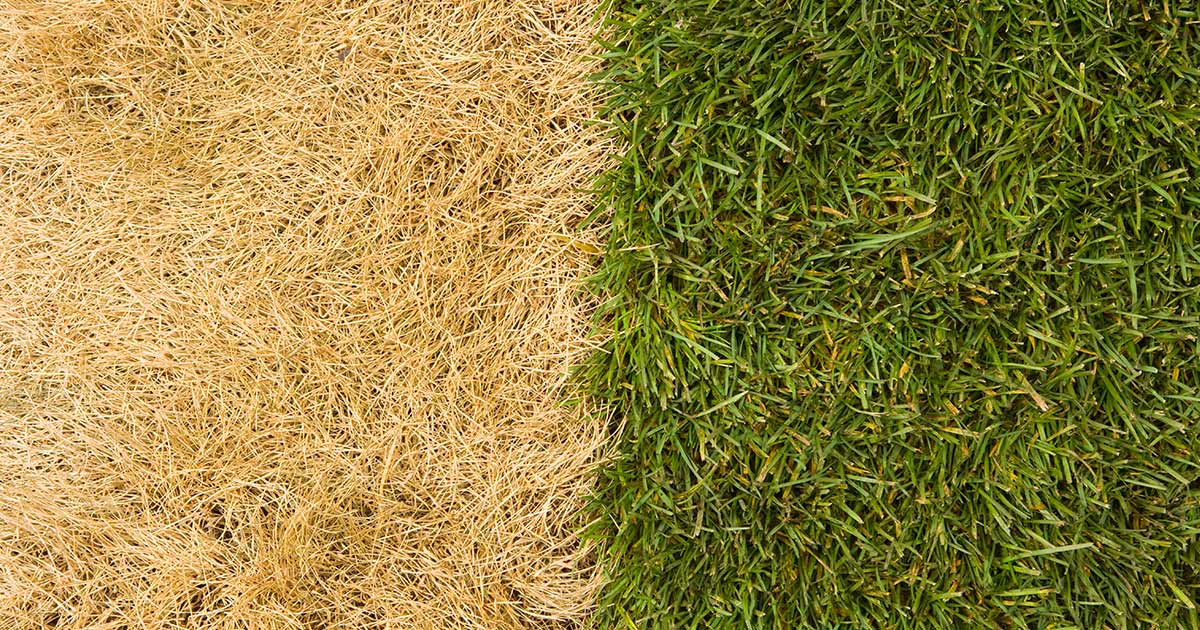
Credit: www.pennington.com
Causes Of Yellow Lawns
Yellow lawns are a common problem that many homeowners face. Understanding the causes helps to fix the issue quickly. Several factors can cause the grass to lose its green color and turn yellow. Identifying the root cause is the first step to restoring your lawn’s health and beauty.
Watering Issues
Too much or too little water can cause yellow grass. Overwatering drowns roots and stops oxygen flow. Underwatering causes the grass to dry out and die. Both problems make the lawn look yellow and weak. Proper watering helps grass stay green and strong.
Soil Nutrient Deficiency
Grass needs nutrients like nitrogen, iron, and potassium. Lack of these nutrients makes grass lose its green color. Poor soil or heavy rain can wash nutrients away. Testing soil and adding the right fertilizer improves lawn color. Healthy soil means green, lively grass.
Pest And Disease Damage
Insects like grubs and chinch bugs eat grass roots. Diseases like fungus create yellow patches on lawns. These problems stop grass from growing well and cause yellow spots. Treating pests and diseases early saves the lawn from damage. Regular lawn care helps keep pests away.
Environmental Stress
Heat, cold, and strong sun can stress grass plants. Stress causes grass to turn yellow and dry out. Heavy foot traffic can also harm the grass. Stress weakens grass and makes it less green. Protecting grass from harsh conditions keeps it healthy.
Assessing Lawn Health
To bring a yellow lawn back to green, start by assessing its health. This step helps you understand what caused the yellowing. You can then apply the right care to fix the problem. Careful observation and simple tests reveal what your lawn needs most. Check the soil, the grass type, and any common issues.
Soil Testing
Soil testing shows what nutrients your lawn lacks. Take a small soil sample from different spots. Send these samples to a local extension office or use a home test kit. The results tell you the soil’s pH and nutrient levels. Adjusting soil pH and adding missing nutrients helps grass grow strong and green.
Identifying Grass Type
Knowing your grass type guides proper lawn care. Different grass types have different water and sunlight needs. Look at the grass blade shape and texture. Check if it grows better in cool or warm weather. This knowledge helps you choose the right fertilizer and watering schedule.
Spotting Common Lawn Problems
Yellow patches may signal common lawn problems. Look for signs of pests, diseases, or poor drainage. Check for compacted soil or too much shade. Dead spots or uneven growth need attention. Early detection helps prevent further damage and restores lawn health faster.
Watering Techniques
Watering is key to turning a yellow lawn green again. Proper watering helps grass roots grow deep and strong. It also prevents stress during hot and dry days. Using good watering techniques saves water and keeps your lawn healthy.
Optimal Watering Schedule
Water early in the morning. This reduces evaporation and lets grass absorb water fully. Aim to water 2 to 3 times a week. Each session should give about 1 inch of water. Avoid watering in the midday sun. Evening watering can cause fungus problems.
Proper Watering Methods
Use a sprinkler that spreads water evenly. Move it around to cover the whole lawn. Water slowly so the soil can soak it in. Avoid letting water run off the lawn. Check soil moisture by digging a small hole. It should feel damp but not soggy.
Avoiding Overwatering
Too much water weakens grass roots. It makes the lawn prone to disease and pests. Watch for puddles or wet spots on your lawn. Cut back watering if the soil stays wet for days. Healthy grass needs less water once roots grow deep.
Fertilizing For Green Growth
Fertilizing plays a key role in turning yellow lawns green again. It feeds your grass the nutrients it needs to grow strong and healthy. Proper fertilizing improves the soil and helps grass recover from stress or damage. Understanding how to fertilize correctly can bring your lawn back to life.
Choosing The Right Fertilizer
Select a fertilizer with the right balance of nitrogen, phosphorus, and potassium. Nitrogen helps grass grow green leaves. Phosphorus supports root growth. Potassium boosts overall health and disease resistance. Look for a product labeled for lawns. Avoid fertilizers with too much nitrogen, which can burn grass.
Timing And Application Tips
Apply fertilizer during the growing season for best results. Early spring and fall are ideal times. Spread fertilizer evenly using a spreader to avoid patches. Water the lawn after applying fertilizer to help it soak into the soil. Avoid fertilizing during very hot or dry days to prevent stress.
Natural Fertilizer Alternatives
Natural options nourish your lawn without chemicals. Compost adds organic matter and nutrients to the soil. Grass clippings left on the lawn also recycle nutrients. Liquid seaweed or fish emulsion provide gentle feeding. These alternatives support healthy soil life and reduce pollution.
Lawn Aeration And Dethatching
Lawn aeration and dethatching help restore your yellow lawn to green health. These steps improve soil and grass conditions. They allow air, water, and nutrients to reach the roots more easily. The grass grows stronger and greener. Both processes remove barriers that stop growth. This section explains how to do aeration and dethatching effectively.
Benefits Of Aeration
Aeration creates small holes in the soil. It reduces soil compaction, making it easier for roots to grow. It improves water absorption and drainage. This helps prevent water runoff and puddles. Aeration also helps fertilizers reach the root zone better. It encourages healthy grass growth and reduces lawn stress. After aeration, your lawn can recover faster from heat and drought.
How To Dethatch
Dethatching removes the thick layer of dead grass and roots. This layer blocks water and nutrients from reaching the soil. Use a dethatcher or a rake with strong tines. Rake the lawn firmly to pull out the dead material. Do this when the grass is dry for best results. Remove all the thatch from the lawn surface. After dethatching, water your lawn to help it heal.
Tools You Need
Use a lawn aerator to make holes in the soil. Manual spike aerators or plug aerators work well. For dethatching, use a dethatching rake or machine. Some lawn mowers have dethatching attachments. A garden rake is useful for small areas. Choose tools based on your lawn size and budget. Proper tools make the job easier and faster.

Credit: www.wgcu.org
Pest And Disease Control
Pests and diseases can harm your lawn and turn it yellow. Controlling these problems helps your grass grow green and strong. Knowing common pests and diseases is the first step to protect your lawn.
Common Lawn Pests
Grubs, chinch bugs, and sod webworms are common pests. They eat grass roots and blades, causing yellow patches. Ants and mites can also damage your lawn. Watch for brown or yellow spots and dry areas. Early detection stops pests from spreading.
Disease Prevention
Diseases like fungal infections create yellow or brown spots. Avoid overwatering to prevent fungus growth. Mow your lawn regularly but not too short. Remove dead grass and debris to reduce disease risk. Good air flow and sunlight keep your lawn healthy.
Safe Treatment Options
Use natural insecticides like neem oil or insecticidal soap. They kill pests without harming grass or people. For fungal diseases, apply fungicides designed for lawns. Follow product instructions carefully. Water your lawn after treatment to help absorb medicine. Repeat treatments only if necessary.
Grass Repair And Reseeding
Repairing yellow patches in your lawn involves careful grass repair and reseeding. This process helps fill bare spots and promotes a healthy, green lawn. Choosing the right seed and using correct techniques ensures new grass grows strong and lush. Proper care after seeding helps the grass settle well and thrive.
Selecting Seed Types
Pick seed types that suit your climate and soil. Cool-season grasses like fescue and ryegrass grow well in cooler areas. Warm-season grasses such as Bermuda and zoysia thrive in warmer regions. Use a seed mix to cover various conditions and improve lawn durability.
Seeding Techniques
Prepare the soil by removing dead grass and loosening the top layer. Spread seeds evenly over the bare spots. Lightly rake the area to cover seeds with soil. Water gently but regularly to keep the soil moist. Avoid heavy watering that can wash seeds away.
Maintaining New Grass
Keep the soil moist until seeds germinate and young grass grows. Mow the new grass carefully once it reaches about 3 inches. Avoid cutting too short to prevent stress. Fertilize lightly to provide nutrients for strong roots. Watch for weeds and remove them to support new grass growth.
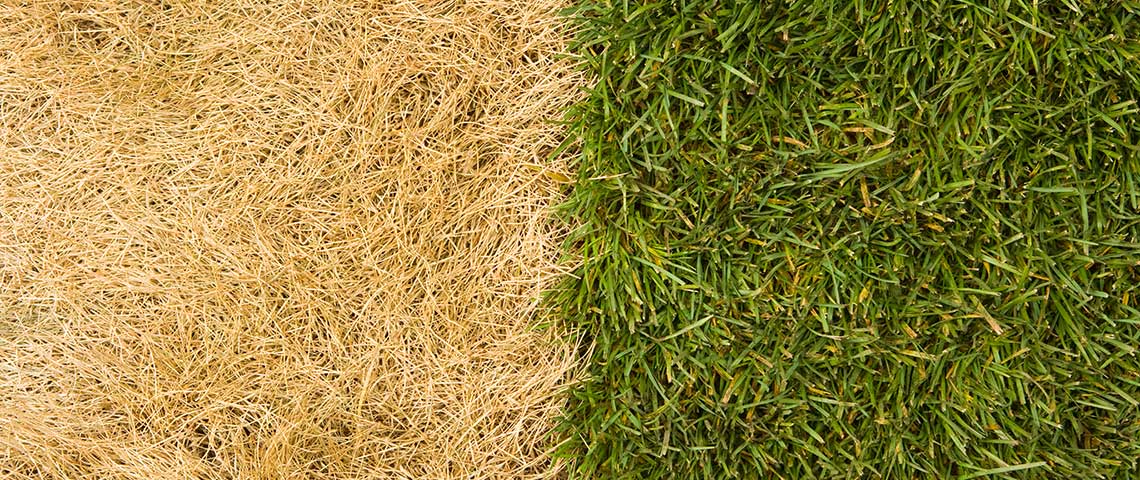
Credit: www.pennington.com
Preventing Future Yellowing
Preventing future yellowing is key to keeping your lawn green and healthy. A yellow lawn can be a sign of stress or poor care. Taking steps to avoid this problem saves time and effort later. Healthy grass needs good care all year long. Here are simple tips to keep your lawn vibrant and green.
Regular Lawn Maintenance
Cut your grass often, but not too short. Mowing helps grass grow thick and strong. Water your lawn deeply once or twice a week. Shallow watering causes weak roots and yellow patches. Remove weeds that steal nutrients from your grass. Aerate your lawn to improve soil and root health. Fertilize with balanced nutrients to feed your grass well.
Seasonal Care Tips
Adjust your lawn care with the seasons. In spring, rake dead grass and spread fertilizer. Summer needs careful watering to avoid dry spots. Fall is a good time to overseed and aerate. Winter lawns need less water and no mowing. Follow seasonal steps to keep grass healthy year-round.
Choosing Resilient Grass Varieties
Select grass types that grow well in your climate. Some grasses handle heat and drought better than others. Ask at local garden centers for the best grass for your area. Strong grass types resist yellowing and disease. Planting the right grass saves effort and keeps your lawn green.
Frequently Asked Questions
Why Is My Lawn Turning Yellow Instead Of Green?
A yellow lawn often indicates nutrient deficiencies, poor watering habits, or pest damage. Lack of nitrogen is a common cause. Checking soil quality and adjusting watering can help restore green color effectively.
How Can I Fix A Yellow Lawn Naturally?
Use organic fertilizers like compost or manure to boost nutrients. Water your lawn deeply but infrequently. Aerate soil to improve root growth. These natural methods encourage healthy, green grass without chemicals.
What Is The Best Fertilizer For Yellow Grass?
A fertilizer high in nitrogen is ideal for yellow grass. Nitrogen promotes lush, green growth quickly. Look for balanced options with slow-release nitrogen to avoid burning the lawn and ensure lasting results.
How Often Should I Water A Yellow Lawn?
Water your lawn about 1 to 1. 5 inches per week. Deep watering encourages strong roots and reduces stress. Avoid frequent shallow watering, which can worsen yellowing and cause weak grass.
Conclusion
A yellow lawn can turn green with simple care steps. Water your grass deeply but less often. Use proper fertilizer to feed your lawn. Remove weeds and aerate the soil regularly. Keep an eye on sunlight and shade. Small changes bring big results over time.
Patience and consistency will restore your lawn’s color. Enjoy a healthy, green yard again soon.