Do you want your lawn to stand out with a rich, green color that makes your home look inviting? A vibrant lawn not only boosts your curb appeal but also creates a relaxing outdoor space you’ll love spending time in.
If you’ve struggled with brown patches or dull grass, don’t worry—getting your lawn green and healthy is easier than you think. You’ll discover simple, proven steps to transform your lawn into a lush, green paradise. Keep reading, and by the end, your lawn will be the envy of the neighborhood.
Credit: www.lawnstarter.com
Choosing The Right Grass
Choosing the right grass is key to a green, healthy lawn. Grass types vary in color, texture, and growth needs. Picking the best grass matches your soil, sun, and climate. This helps your lawn stay green all year.
Cool-season Vs Warm-season Grass
Cool-season grasses grow best in cooler weather. They thrive in spring and fall. These grasses slow down in hot summer months.
Warm-season grasses do well in heat. They grow fast in summer and stay green longer. They go dormant and turn brown in cold weather.
Best Grass Types For Green Lawns
Kentucky Bluegrass is popular for cool climates. It has a rich green color and fine texture. Tall Fescue is tough and drought-resistant. It stays green with less water.
Bermuda grass suits warm, sunny areas. It spreads quickly and recovers fast. Zoysia grass is dense and soft. It tolerates heat and foot traffic well.
Selecting Grass For Your Climate
Know your region’s temperature and rainfall. Cool-season grasses fit northern areas with cold winters. Warm-season grasses suit southern areas with hot summers.
Check your soil type and sunlight. Some grasses need full sun, others tolerate shade. Match grass to your yard for best growth.
Soil Preparation
Preparing the soil is the first step to a green lawn. Healthy soil helps grass grow strong and stay green. It holds water, nutrients, and air that grass needs. Poor soil can stop grass from growing well. Taking time to prepare the soil leads to a better lawn.
Testing Soil Quality
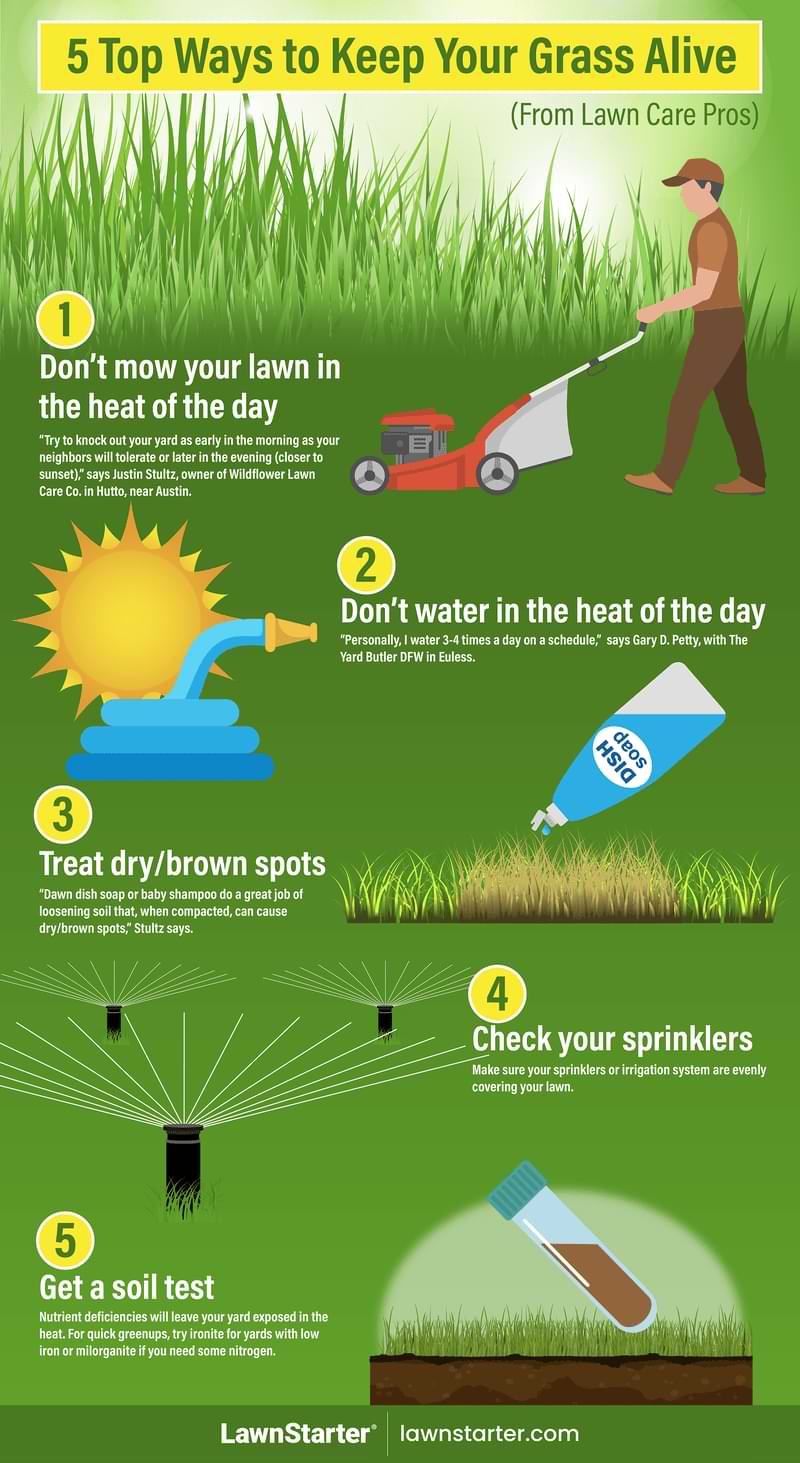
Start by testing the soil quality. A simple soil test shows its pH and nutrient levels. You can buy a test kit or send soil to a lab. Knowing the soil’s condition helps decide what to fix. Grass prefers soil with a pH between 6.0 and 7.0. Tests also reveal if your soil lacks important nutrients.
Improving Soil Drainage
Good drainage keeps water from pooling on your lawn. Waterlogged soil harms grass roots and causes fungus. To improve drainage, loosen compacted soil with a garden fork. Adding sand or organic matter helps water move through soil. Make sure the lawn slopes slightly to let water flow away. Proper drainage keeps grass healthy and green.
Adding Nutrients And Amendments
Grass needs nutrients like nitrogen, phosphorus, and potassium. Add fertilizer based on your soil test results. Organic compost enriches soil and improves texture. Lime can raise soil pH if it is too acidic. Use peat moss or sand to fix soil texture problems. Feeding soil with the right nutrients helps grass grow thick and green.
Watering Techniques
Watering is key to a green and healthy lawn. Using the right techniques helps grass grow strong. Proper watering saves water and avoids lawn problems. Below are simple tips to water your lawn well.
Optimal Watering Schedule
Water your lawn early in the morning. This reduces water loss from evaporation. Aim for two or three times per week. Each time, soak the soil deeply. Light watering only wets the surface. Deep watering helps roots grow down.
Avoiding Overwatering
Too much water can harm grass roots. It causes mold and fungus to grow. Water only when the soil feels dry. Check the soil by digging a small hole. If it is wet below, skip watering. Overwatering wastes water and weakens grass.
Using Efficient Irrigation Systems
Sprinkler systems save time and water. Choose systems that cover your lawn evenly. Drip irrigation works well for small areas. Smart timers control watering times automatically. These systems prevent water waste and keep grass green.
Mowing Tips
Mowing is a key step to keep your lawn green and healthy. Cutting grass correctly helps it grow thick and strong. It stops weeds and pests from taking over. Follow these mowing tips for a lush green lawn.
Correct Mowing Height
Set your mower to the right height. Too short cuts the grass roots, causing stress. Too tall lets grass grow uneven and weak. For most lawns, keep grass about 2.5 to 3 inches tall. This height helps grass absorb sunlight and water well.
Frequency Of Mowing
Mow your lawn often enough to cut no more than one-third of the grass length. Cutting too much at once hurts the grass. In spring and summer, mow every 5 to 7 days. In cooler months, mow less often. Regular mowing encourages strong growth.
Maintaining Sharp Mower Blades
Sharp blades make clean cuts that heal fast. Dull blades tear grass, causing brown edges and disease risk. Check your mower blades monthly. Sharpen or replace them if they look dull or nicked. Clean blades also prevent grass clumps from sticking.
Fertilizing Your Lawn
Fertilizing your lawn is key to keeping the grass green and healthy. Fertilizer supplies the grass with vital nutrients. These nutrients help the grass grow strong and resist disease. Regular fertilizing improves the lawn’s color and thickness.
Choosing The Right Fertilizer
Select a fertilizer based on your lawn’s needs. Look for a balanced mix of nitrogen, phosphorus, and potassium. Nitrogen promotes green growth. Phosphorus helps roots develop. Potassium boosts the lawn’s strength. Check your soil’s nutrient levels to pick the best fertilizer.
Timing Fertilizer Applications
Apply fertilizer during the growing season. Early spring and early fall are ideal times. Avoid fertilizing in extreme heat or cold. Spread fertilizer evenly to prevent burning. Water the lawn after applying fertilizer to help absorption.
Organic Vs Synthetic Fertilizers
Organic fertilizers come from natural sources like compost. They improve soil health slowly over time. Synthetic fertilizers act quickly and provide immediate nutrients. Organic options are safer for the environment. Synthetic fertilizers need careful use to avoid damage. Choose based on your lawn’s condition and your care preferences.

Credit: www.youtube.com
Controlling Weeds And Pests
Controlling weeds and pests is key to a green lawn. Weeds steal nutrients and water from grass. Pests damage grass blades and roots. Both make your lawn look patchy and unhealthy. Taking care of these problems helps grass grow thick and green.
Identifying Common Lawn Weeds
Know which weeds grow in your lawn. Dandelions have bright yellow flowers and deep roots. Crabgrass spreads fast with wide, flat blades. Clover has small, round leaves and white flowers. Identifying weeds early stops their spread. Check your lawn often for these signs.
Natural Weed Control Methods
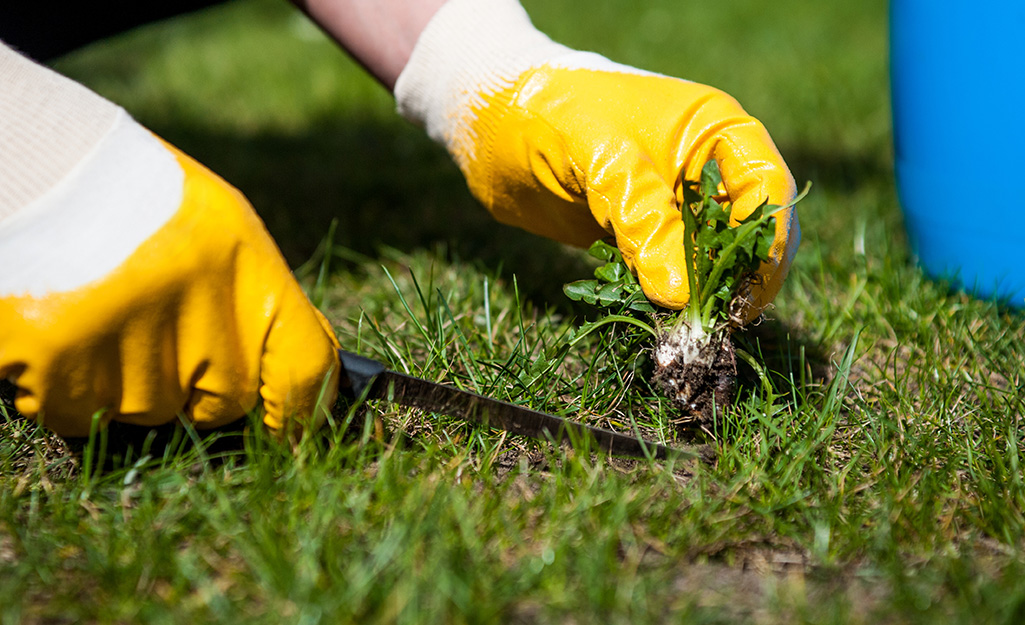
Pull weeds by hand before they seed. Use mulch to block weed growth in garden beds. Corn gluten meal stops weed seeds from growing. Mow regularly to keep grass strong and shade weeds out. Healthy grass can crowd out many weeds naturally.
Managing Lawn Pests Safely
Look for signs like brown spots or holes in grass. Use natural pest controls like neem oil or insecticidal soap. Encourage beneficial insects such as ladybugs to eat pests. Avoid harsh chemicals that harm grass and soil life. Maintain lawn health to reduce pest problems.
Dealing With Lawn Diseases
Dealing with lawn diseases is key to keeping your grass green and healthy. Diseases can harm your lawn quickly if ignored. Spotting problems early helps save your grass from serious damage.
Understanding common diseases and how to prevent them keeps your lawn strong. Knowing treatment options helps restore your lawn fast. Healthy lawns resist disease better and look great all year.
Common Lawn Diseases
Brown patch causes circular dead spots on grass. It appears in hot, wet weather. Dollar spot shows small, silver patches that grow. Red thread creates red or pink strands on blades. Snow mold happens in cold, wet conditions, causing grayish patches. Each disease affects the lawn differently and needs proper care.
Preventive Measures
Water early in the morning to avoid wet leaves at night. Mow regularly but do not cut grass too short. Use proper fertilizers to keep grass strong. Aerate the soil to improve air and water flow. Remove dead grass and leaves to reduce disease spread. Choose disease-resistant grass types for your region.
Treatment Options
Apply fungicides carefully following the label instructions. Spot treat affected areas to avoid overuse. Reseed bare patches after treating the disease. Improve lawn drainage to stop water buildup. Adjust watering habits to keep grass dry at night. Healthy care helps the lawn recover faster.
Credit: www.homedepot.com
Aeration And Overseeding
Aeration and overseeding are key steps to keep your lawn healthy and green. They work together to improve soil and grow thick grass. Aeration opens up the soil, letting air, water, and nutrients reach the roots. Overseeding adds new grass seeds to fill in bare spots and make the lawn dense.
Benefits Of Lawn Aeration
Aeration reduces soil compaction. This helps grass roots grow deep and strong. It improves water absorption and nutrient uptake. Aeration also lowers thatch buildup, which can block water and air. It creates a better environment for beneficial microbes in the soil. Overall, aeration makes grass healthier and more resistant to drought and disease.
When To Overseed
Overseeding works best during the grass growing season. For cool-season grasses, early fall is ideal. For warm-season grasses, late spring or early summer works well. The soil should be moist and warm for seeds to sprout. Avoid overseeding in very hot or cold weather. Choose a time when rain or watering is frequent.
Techniques For Successful Overseeding
Start by mowing the lawn short. Remove grass clippings and debris. Use a rake or aerator to create small holes or grooves. Spread the grass seed evenly over the lawn. Lightly rake the seeds into the soil. Water the lawn gently but deeply right after seeding. Keep the soil moist until new grass grows strong.
Seasonal Lawn Care
Seasonal lawn care keeps your grass healthy and green all year. Each season needs a different approach. Following these simple steps helps your lawn grow strong and look fresh.
Spring Lawn Maintenance
Spring is the time to wake up your lawn. Start by removing dead leaves and debris. Aerate the soil to improve air and water flow. Apply a balanced fertilizer to feed the grass. Reseed bare patches to fill them in. Water regularly but avoid overwatering. Mowing should begin once grass grows about 3 inches tall.
Summer Lawn Tips
Summer heat can stress your lawn. Water deeply early in the morning to keep roots cool. Raise your mower blade to avoid cutting grass too short. This helps shade the soil and reduce water loss. Remove weeds quickly to prevent them from spreading. Avoid heavy foot traffic during hot days to protect grass blades.
Fall Lawn Preparation
Fall is perfect for strengthening your lawn before winter. Rake fallen leaves to prevent mold growth. Apply a slow-release fertilizer to boost root growth. Overseed thin areas to promote thick grass. Aerate soil to ease root expansion. Lower your mower blade gradually as growth slows. Keep watering until the ground freezes.
Winter Lawn Care
Winter needs gentle lawn care. Avoid walking on frozen grass to prevent damage. Clear heavy snow from small areas to stop mold. Do not apply fertilizer or cut grass in winter. Plan for spring by checking your tools and supplies. Protect young trees and shrubs near your lawn from frost.
Frequently Asked Questions
How Often Should I Water My Lawn For Greener Grass?
Water your lawn deeply 2-3 times a week. Early morning watering helps prevent disease and evaporation. Adjust frequency in rainy or dry seasons to maintain consistent moisture without overwatering.
What Fertilizer Is Best For A Green Lawn?
Use a balanced fertilizer with nitrogen, phosphorus, and potassium. Apply in early spring and fall for best results. Organic options improve soil health and promote strong, green growth naturally.
How Can I Prevent Weeds In My Lawn?
Apply pre-emergent herbicides in early spring to stop weed seeds. Maintain thick, healthy grass to naturally crowd out weeds. Regular mowing and proper fertilization also reduce weed growth.
When Is The Best Time To Mow For A Greener Lawn?
Mow your lawn when grass reaches about 3 inches. Keep mower blades sharp and cut only the top third. Mowing in the morning reduces stress and promotes greener, healthier grass.
Conclusion
A green lawn needs regular care and simple steps. Water your grass deeply but not too often. Cut the grass at the right height for its type. Use fertilizer to give your lawn the nutrients it needs. Remove weeds to keep grass strong and healthy.
With patience and care, your lawn will turn green and lush. Small actions make a big difference over time. Enjoy the beauty of a fresh, green lawn every day.