
Is your lawn looking dull and brown instead of lush and green? You’re not alone, and the good news is, you can bring your grass back to life.
Imagine stepping outside and seeing a vibrant, healthy lawn that makes your home stand out. It’s easier than you think, and with the right steps, your grass can thrive again. Keep reading to discover simple, effective tips that will transform your yard and give you the green grass you’ve been dreaming of.
Identify Lawn Problems
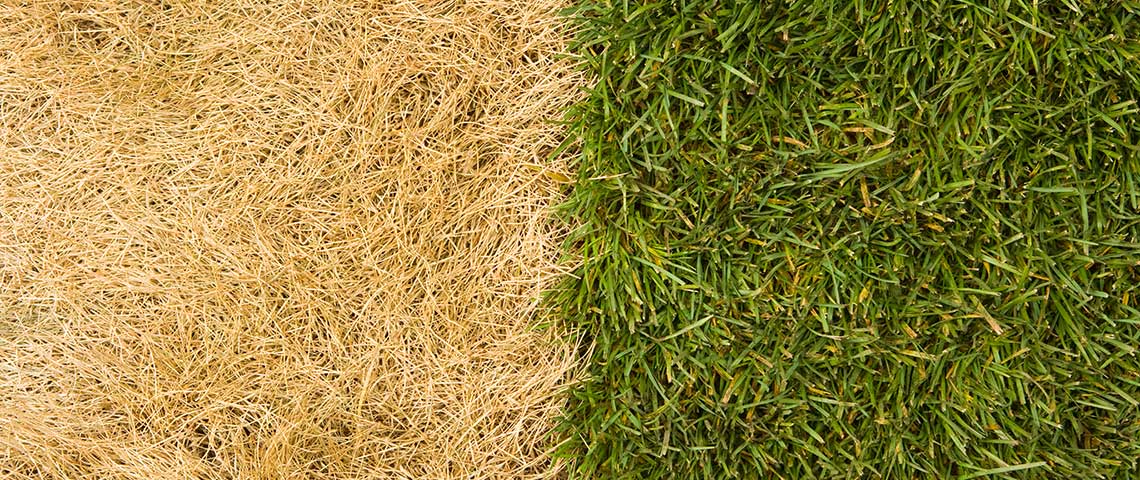
Before making your grass green again, find out what is wrong. Identifying lawn problems helps you fix the right issues. It saves time and keeps your lawn healthy. Check different areas carefully. Small problems can grow big fast.
Check Soil Health
Healthy soil is the base for green grass. Take a soil sample from your lawn. Test it for pH and nutrients. Low nutrients cause yellow or patchy grass. Add fertilizer if your soil lacks food. Good soil holds water and air well.
Spot Pest Damage
Look closely for signs of pests. Small insects or worms can harm grass roots. You might see dead patches or holes. Pests often hide under grass blades. Use natural pest control or insecticide if needed. Early action stops spread and saves grass.
Assess Watering Patterns
Water your lawn the right way. Too much water causes root rot and fungus. Too little makes grass dry and brown. Water early in the morning for best results. Check if sprinklers cover the lawn evenly. Adjust watering times for rainy days.
Look For Disease Signs
Diseases make grass weak and spotty. Watch for unusual colors or spots on leaves. Fungal diseases cause rings or patches. Remove dead grass to stop disease spread. Use fungicides only if necessary and follow instructions carefully.
Credit: www.pennington.com
Improve Soil Quality
Improving soil quality is key to making your grass green again. Healthy soil gives grass the right support to grow strong and lush. Poor soil often lacks nutrients or has the wrong pH, which stops grass from thriving. By focusing on soil quality, you help your lawn absorb water and nutrients better. This creates a solid base for green, healthy grass.
Test Soil Ph
Soil pH affects how well grass can use nutrients. Most grasses grow best with a pH between 6.0 and 7.0. Testing soil pH is easy with a home test kit. These kits show if your soil is too acidic or alkaline. Adjusting the pH helps grass take in nutrients more effectively. Lime can raise pH, while sulfur can lower it.
Add Nutrients And Fertilizers
Grass needs nutrients like nitrogen, phosphorus, and potassium to stay green. Fertilizers supply these essential nutrients. Choose a fertilizer suitable for your grass type and season. Apply fertilizer according to package instructions to avoid burning the lawn. Regular feeding improves grass color and growth, making your lawn look fresh and green.
Aerate Compact Soil
Compact soil blocks air, water, and nutrients from reaching grass roots. Aeration creates small holes in the soil, easing compaction. This allows roots to grow deeper and stronger. Use a garden fork or aerator tool to aerate your lawn. Aeration improves drainage and helps grass absorb nutrients better.
Optimize Watering
Optimizing watering is key to making your grass green again. Proper water use helps grass grow healthy and strong. It stops dry patches and keeps the lawn fresh. Watering right saves water and prevents lawn problems.
Set Proper Watering Schedule
Water your lawn early in the morning. This reduces water loss from evaporation. Two to three times a week is enough for most lawns. Adjust the schedule based on weather and soil type. Avoid watering during hot midday hours.
Use Efficient Irrigation Methods
Use drip irrigation or soaker hoses for even watering. Sprinklers can waste water with mist and runoff. Check sprinkler heads for leaks or misalignment. Water deeply and slowly to reach grass roots well.
Avoid Overwatering
Too much water can harm grass roots and cause fungus. Watch for puddles or soggy soil as signs of overwatering. Let the soil dry slightly between watering sessions. Proper balance keeps grass healthy and green.
Choose The Right Grass
Choosing the right grass is the first step to bring your lawn back to life. The type of grass you select affects how green and healthy your lawn looks. Different grasses grow better in different places. Picking the right one saves time and effort later.
Select Suitable Grass Types
Some grasses grow well in cool climates, others in warm areas. Cool-season grasses include fescue and bluegrass. These thrive in the north and stay green in cooler months. Warm-season grasses like Bermuda and zoysia prefer hot, sunny places. Choose a grass type that matches your region for best results.
Consider Climate And Sunlight
Grass needs the right amount of sun to grow. Some types do well in full sun. Others can handle shade under trees or buildings. Know how much sunlight your lawn receives daily. Pick grass that fits your lawn’s sun and climate conditions. This helps the grass stay green and strong.
Use Quality Seeds Or Sod
Good seeds or sod make a big difference. High-quality seeds grow faster and resist pests better. Sod gives instant green coverage and reduces weeds. Check seed or sod sources for freshness and health. Healthy plants give your lawn a better start to stay green longer.
Control Weeds And Pests
Weeds and pests harm your lawn’s health and appearance. Controlling them helps grass grow strong and green. Using safe and natural methods protects your lawn and the environment. Follow these tips to keep weeds and pests under control.
Apply Natural Weed Control
Natural weed control stops weeds without chemicals. Pull weeds by hand before they spread seeds. Use mulch to block weed growth around plants. Corn gluten meal prevents weed seeds from growing. Vinegar sprays kill young weeds but avoid grass contact. Natural methods keep your lawn safe and green.
Use Safe Pest Treatments
Choose pest treatments that do not harm grass or pets. Neem oil and insecticidal soap kill pests gently. Apply treatments early in the morning or late afternoon. Avoid strong chemicals that can damage grass roots. Monitor your lawn regularly to catch pests early. Safe treatments protect your lawn’s health and balance.
Maintain Lawn Health To Prevent Issues
Healthy grass resists weeds and pests better. Water your lawn deeply but less often to strengthen roots. Mow regularly, keeping grass at the right height. Fertilize with balanced nutrients to boost growth. Aerate soil to improve air and water flow. Strong grass naturally fights weeds and pests.
Maintain Regular Lawn Care
Maintaining regular lawn care is key to bringing your grass back to life. A well-kept lawn stays healthy and green through proper attention. Simple steps done often keep your grass strong and thick. This helps grass fight weeds, pests, and dry patches.
Regular care avoids common lawn problems and makes your yard look fresh. Focus on mowing, clearing debris, and overseeding. These tasks improve soil health and encourage new growth. Follow these tips to keep your grass vibrant all year.
Mow At Correct Height
Cutting grass at the right height helps it grow better. Keep your mower blades sharp for clean cuts. Set mower height between 2.5 and 3 inches. Shorter cuts stress grass and cause brown spots. Taller grass shades soil, reducing water loss. Mow regularly but never remove more than one-third of the blade.
Rake And Remove Debris
Clear leaves, sticks, and dead grass from your lawn. Debris blocks sunlight and traps moisture. This creates a perfect place for mold and pests. Raking helps air reach the soil. It also prevents thatch buildup, which chokes grass roots. Clean lawns recover faster and look greener.
Overseed Thin Areas
Thin patches make your lawn look uneven and weak. Spread grass seed over these spots to fill gaps. Choose seed type that matches your existing grass. Lightly rake soil before overseeding for better seed contact. Water new seeds gently but often until they sprout. Overseeding thickens your lawn and improves its color.
Seasonal Lawn Tips
Keeping your grass green requires care through every season. Each season has its own needs for your lawn. Following seasonal tips helps your grass stay healthy and vibrant year-round.
Knowing what to do in spring, summer, fall, and winter can prevent problems. It also saves time and money on repairs later. Let’s explore simple steps for each season.
Spring Lawn Revival
Start spring by removing dead leaves and debris. Rake the lawn gently to help air reach the soil. Apply a slow-release fertilizer to feed the grass. Water the lawn deeply but less often. Mow the grass at a higher setting to protect new shoots.
Summer Care Practices
Water early in the morning to avoid evaporation. Keep the soil moist but not soggy. Mow regularly, but never cut more than one-third of the blade. Avoid heavy foot traffic during hot days. Use mulch around plants to keep moisture in the soil.
Fall Preparation
Rake fallen leaves to prevent mold growth. Aerate the soil to improve root strength. Spread a balanced fertilizer to prepare grass for winter. Overseed bare patches to keep the lawn full. Water less often but deeply to encourage root growth.
Winter Lawn Protection
Avoid walking on frozen grass to prevent damage. Clear snow carefully without piling it on the lawn. Keep the lawn free from debris to reduce disease risk. Stop fertilizing to let grass rest. Plan next year’s lawn care based on winter observations.
Credit: experigreen.com
Frequently Asked Questions
How Often Should I Water My Lawn For Green Grass?
Water your lawn deeply 1-2 times a week. Early morning watering reduces evaporation. Avoid overwatering to prevent root rot and fungus.
What Is The Best Fertilizer For Green Grass?
Use a nitrogen-rich, slow-release fertilizer. Apply it in early spring and late fall. This promotes healthy, green, and strong grass growth.
How Can I Fix Brown Patches In My Lawn?
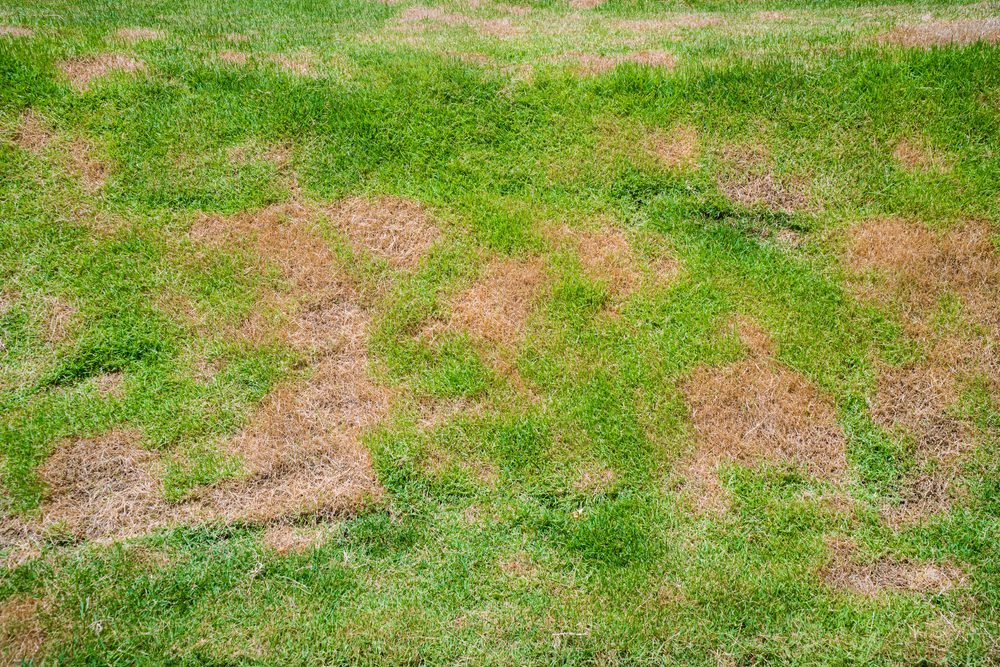
Remove dead grass and loosen soil. Reseed with the same grass type and keep the area moist. Regular care helps prevent future patches.
When Is The Best Time To Mow For Greener Grass?
Mow your lawn when grass is dry. Keep mower blades sharp and cut only one-third of grass height. This encourages healthy growth and prevents stress.
Conclusion
Healthy, green grass needs care and patience. Water your lawn regularly and avoid overwatering. Use fertilizer to give your grass the nutrients it needs. Mow your lawn at the right height to keep it strong. Remove weeds that steal water and nutrients from your grass.
With simple steps and consistent effort, your lawn will look green and fresh again. Enjoy the beauty of a healthy yard every day. Keep caring, and your grass will thank you.