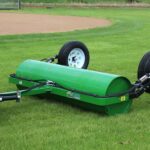
Is your lawn looking uneven or bumpy? Using a lawn roller can be the simple fix you need to get that smooth, even surface you’ve been dreaming of.
But how do you use a lawn roller the right way to avoid damaging your grass? If you want to level your lawn effectively without stressing your plants, this guide is for you. You’ll learn when to roll, how to prepare your yard, and the best rolling techniques to get professional-looking results.
Keep reading, and you’ll soon have a lawn that feels as good underfoot as it looks from your window.
You May Like

- 13-Gallon Large Capacity Design: The VEVOR lawn roller features a…
- Easy-Breezy Usage & Storage: Assembling and using this yard roller is a…
- Built to Last: The heavy-duty steel frame provides robust support and…
- Convenient and Thoughtful Details: The grass roller features an ergonomic…
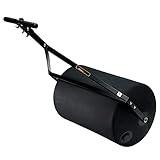
- NEW Easy-Turn Tethered Plug: Brinly Rollers now feature a new drum plug…
- Push/Pull Combination: Convenient push or tow-behind design provides…
- 28 Gallon Capacity: Sturdy roller holds up to 28 gallons (270 lbs.) of…
- Durable Construction: Sturdy poly roller drum won’t dent or rust, and…

- Exceptional Load Capacity: This lawn roller features a 61L large-capacity…
- Easy to Use & Store: The assembly process for this yard roller is simple…
- Durable & Long-Lasting: This sod roller features a thickened high-carbon…
- Effortless Operation: This lawn drum roller is thoughtfully designed with a…
- NEW Easy-Turn Tethered Plug: Brinly Rollers now feature a new drum plug…
- Push/Pull Combination: Convenient push or tow-behind design provides…
- 28 Gallon Capacity: Sturdy roller holds up to 28 gallons (270 lbs.) of…
- Durable Construction: Sturdy poly roller drum won’t dent or rust, and…

- MADE IN USA
- Durable 18″ diameter, 48″ wide poly roller drum
- 550 lbs weight with water to help flatten uneven grass and level new soil…
- Less than 60 lbs without water for easy storage and transport and roller…
Preparing The Lawn Roller
Preparing the lawn roller is a key step before you start smoothing your lawn. Proper preparation helps the roller work better and lasts longer. It also makes the rolling process safer and more effective. Focus on choosing the right filling material, filling the roller correctly, and checking for leaks.
Choosing Water Or Sand
Decide between water or sand to fill your lawn roller. Water is lighter and easier to fill or drain. Sand makes the roller heavier, giving more pressure to flatten the soil. Use water for small or soft lawns. Choose sand for larger or tougher lawns. Consider weight and ease of handling before filling.
Filling The Roller Safely
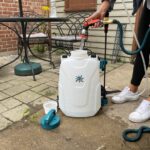
Place the roller on a flat surface before filling. Attach a hose to the fill hole for water filling. Fill slowly to avoid spills. For sand, use a funnel to guide sand inside. Do not overfill the roller. Leave some space to prevent damage or leaks. Securely close the fill hole after filling.
Inspecting For Leaks
Check the roller for leaks before use. Look around welds and the fill hole carefully. Wipe the roller dry and watch for water or sand spots. Small leaks can cause mess and reduce rolling pressure. Fix or replace the roller if leaks appear. A leak-free roller performs best and lasts longer.

Credit: ngturf.com
Preparing Your Lawn
Preparing your lawn properly is the first step to using a lawn roller effectively. A well-prepared lawn ensures even rolling and protects your grass from damage. Take time to prepare the area carefully before you start rolling.
Removing Debris
Clear your lawn of sticks, rocks, and leaves. Debris can cause uneven rolling and damage the roller. Use a rake or lawn mower bag to gather all loose materials. A clean surface allows the roller to smooth the soil evenly.
Marking Obstacles
Identify and mark any hidden obstacles like sprinkler heads or shallow pipes. Use flags or small markers to avoid rolling over them. This prevents damage to your lawn and roller. It also keeps your lawn safe for future maintenance.
Timing Your Rolling
Choose the right time to roll your lawn. Early spring or after seeding works best when the soil is moist but not soaked. Avoid rolling during hot or dry weather to protect grass roots. Rolling too often can compact the soil and harm your lawn.
Rolling Techniques
Rolling your lawn with the right techniques improves its appearance and health. Proper rolling helps smooth uneven spots and presses seeds into soil. Use careful methods to avoid damage and get the best results.
Working In Sections
Divide your lawn into small areas before rolling. Roll one section completely before moving on. This keeps your work organized and ensures even pressure.
Using Slow, Steady Passes
Move the roller slowly and steadily across the lawn. Quick or jerky movements can cause uneven rolling. Slow passes give the roller time to press soil gently.
Avoiding Over-rolling
Do not roll the same area many times. Too much rolling compacts the soil and harms grass roots. One or two passes per section are enough.
Letting Weight Do The Work
Let the roller’s weight press the ground naturally. Do not push hard or force it. Heavy rollers work best when you guide them without extra pressure.
Rolling Across Hills
Roll up and down hills, not across. Rolling sideways can damage grass and cause uneven soil. Careful rolling on slopes protects your lawn’s shape and health.
Post-rolling Care
After using a lawn roller, your lawn needs proper care to stay healthy. Post-rolling care helps the grass recover and keeps the soil in good condition. This step is important to avoid damage from soil compaction. Follow simple actions to protect your lawn and promote growth.
Watering Lightly
Water your lawn gently after rolling. Use a light spray to moisten the soil without soaking it. This helps the grass recover from stress. Avoid heavy watering as it can cause soil to become too soft. Light watering also prevents the soil from drying out too fast.
Aerating To Relieve Compaction
Rolling can compact the soil, making it hard for roots to grow. Aerate the lawn soon after rolling to reduce this compaction. Use a garden fork or aerator tool to poke small holes in the soil. This improves air, water, and nutrient flow to the roots. Aeration helps grass stay strong and healthy.
Common Mistakes To Avoid
Using a lawn roller can improve your lawn’s look and health. Avoid mistakes that harm your grass or soil. Knowing what not to do saves time and effort. Here are common errors to avoid for the best results.
Rolling On Dry Or Saturated Soil
Do not roll on very dry soil. It can crack and damage the lawn’s surface. Avoid rolling on saturated soil too. Heavy rolling on wet soil compacts it. This stops air and water from reaching roots.
Roll only when the soil is slightly damp. This helps smooth the ground without harming it. Check soil moisture before starting.
Rolling Too Frequently
Rolling often can stress your grass. It compacts soil and reduces root growth. Use a lawn roller no more than once a year. Too much rolling makes your lawn weak and patchy.
Space out rolling sessions to let your grass recover. This keeps your lawn healthy and strong.
Ignoring Lawn Health After Rolling
Rolling can compact soil and harm roots. Aerate your lawn after rolling to improve airflow. Water and fertilize to help grass recover faster. Neglecting post-rolling care can cause dry spots and poor growth.
Watch your lawn for signs of stress. Take quick action to maintain its health.

Credit: www.youtube.com
Benefits Of Using A Lawn Roller
Using a lawn roller offers several benefits that help maintain a healthy and attractive lawn. It smooths uneven surfaces, making your yard safer and easier to mow. Rolling also helps new grass seeds settle into the soil, boosting germination. A well-rolled lawn looks neat and well-kept, improving the overall curb appeal of your home.
Smoothing Bumpy Areas
A lawn roller flattens bumps and small holes. This creates an even surface that prevents tripping hazards. Rolling after winter or heavy rain helps fix ground irregularities. A smooth lawn is easier to walk and play on.
Enhancing Seed Contact
Rolling presses grass seeds firmly into the soil. This contact improves seed-to-soil adhesion, which increases germination rates. Seeds that touch the soil grow stronger roots and establish faster. Rolling soon after seeding supports a thick, healthy lawn.
Improving Overall Lawn Appearance
Regular rolling gives your lawn a tidy, uniform look. It reduces rough patches and compacts soil lightly for better grass growth. A smooth lawn reflects sunlight evenly, enhancing its green color. The improved appearance boosts your home’s outdoor charm.
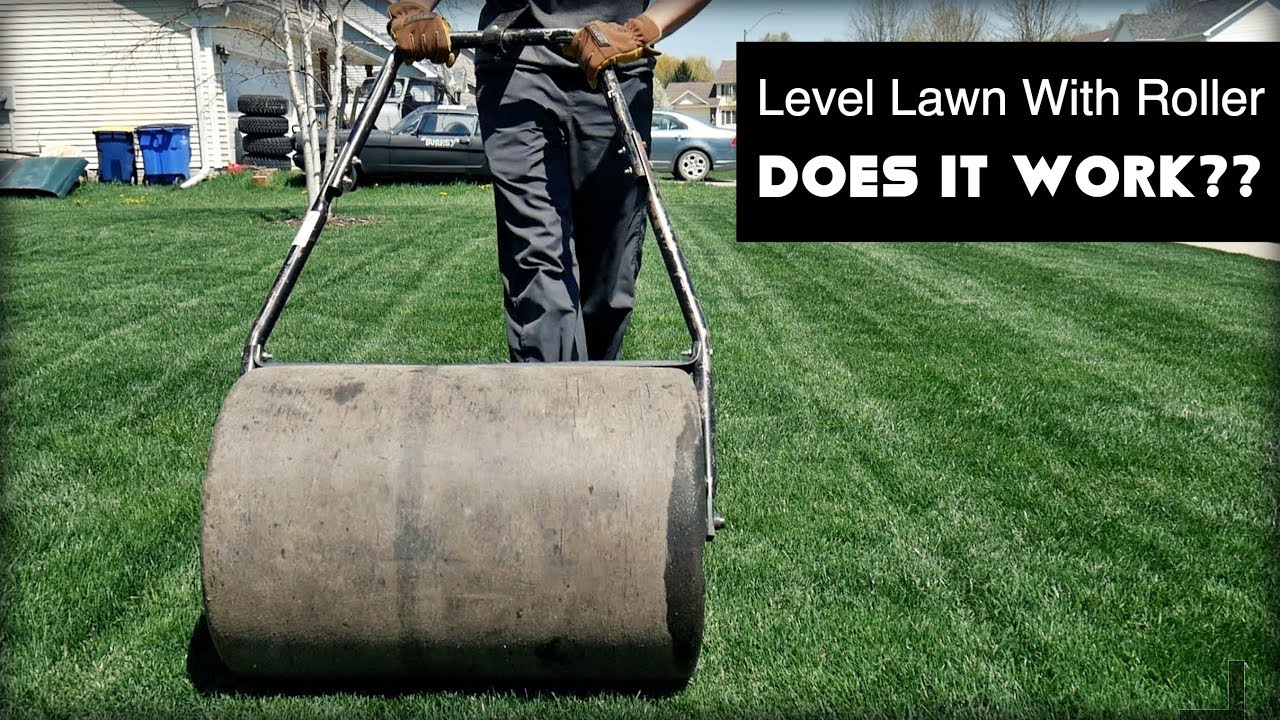
Credit: www.youtube.com
Frequently Asked Questions
Is It Good To Use A Roller On Your Lawn?
Using a roller on your lawn helps smooth uneven areas and improve appearance. Roll only once a year on moist soil to avoid damage. Avoid over-rolling to prevent soil compaction and grass stress. Aerate afterward to keep roots healthy and your lawn thriving.
Will A Lawn Roller Fix A Bumpy Lawn?
A lawn roller can reduce minor bumps by pressing uneven soil. It works best on moist ground in spring. Avoid overuse to prevent soil compaction and grass damage. For severe bumps, combine rolling with aeration and topdressing for better results.
How Often Should You Use A Lawn Roller?
Use a lawn roller once a year in spring on moist soil to smooth bumps. Avoid frequent rolling to prevent grass stress and soil compaction.
How Much Water To Put In A Lawn Roller?
Fill the lawn roller with water until it is full but not overflowing. Check for leaks before use.
Conclusion
Using a lawn roller helps create a smooth, even lawn surface. Roll only when the soil is moist, not wet or dry. Avoid rolling too often to keep grass healthy. Always clear debris before rolling to protect your lawn and roller.
After rolling, aerate the lawn to prevent soil compaction. Follow these simple steps for a neat, well-maintained yard. Your lawn will look better and grow stronger with proper care. Keep it simple and consistent for the best results.