If you want a lawn that looks flawless and feels perfect underfoot, a lawn roller could be your secret weapon. Whether you’re dealing with uneven ground from winter frost, repairing damage from pets or pests, or just laying fresh seed or sod, a lawn roller helps you get the job done right.
Imagine having a smooth, even surface that not only boosts your lawn’s health but also makes mowing and maintenance easier. You’ll discover how a lawn roller can transform your yard, what options are available near Austin, Texas, and how to choose the right one for your needs and budget.
Ready to roll your way to a picture-perfect lawn? Keep reading!
You May Like

- 13-Gallon Large Capacity Design: The VEVOR lawn roller features a…
- Easy-Breezy Usage & Storage: Assembling and using this yard roller is a…
- Built to Last: The heavy-duty steel frame provides robust support and…
- Convenient and Thoughtful Details: The grass roller features an ergonomic…
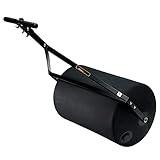
- NEW Easy-Turn Tethered Plug: Brinly Rollers now feature a new drum plug…
- Push/Pull Combination: Convenient push or tow-behind design provides…
- 28 Gallon Capacity: Sturdy roller holds up to 28 gallons (270 lbs.) of…
- Durable Construction: Sturdy poly roller drum won’t dent or rust, and…

- NEW Easy-Turn Plug: Brinly Rollers now feature a new drum plug design,…
- Ideal for large yards: 36″ Rolling width and 690 lb. capacity is perfect…
- 76 gallon capacity: The heaviest and most powerful in the Brinly line, this…
- Durable construction: Sturdy poly roller drum won’t dent or rust, and…
- NEW Easy-Turn Tethered Plug: Brinly Rollers now feature a new drum plug…
- Push/Pull Combination: Convenient push or tow-behind design provides…
- 28 Gallon Capacity: Sturdy roller holds up to 28 gallons (270 lbs.) of…
- Durable Construction: Sturdy poly roller drum won’t dent or rust, and…

- Rolls Garden Effectively: Our push and tow-behind design of the drum roller…
- Rugged Round Steel Cylinder: The drum of the sod roller is constructed of a…
- Holds Up to 10 Gallons: The drain plug on the side of the yard roller tow…
- U-shaped Handle: The U-shaped handle is comfortable for pull and push use….
Credit: www.spyker.com
Lawn Roller Types
Lawn rollers help create a smooth, even lawn surface. They press soil, seeds, and sod firmly. Different types of lawn rollers suit various needs and lawn sizes. Choosing the right type ensures better lawn care results.
Below are the main lawn roller types and their features.
Push Rollers
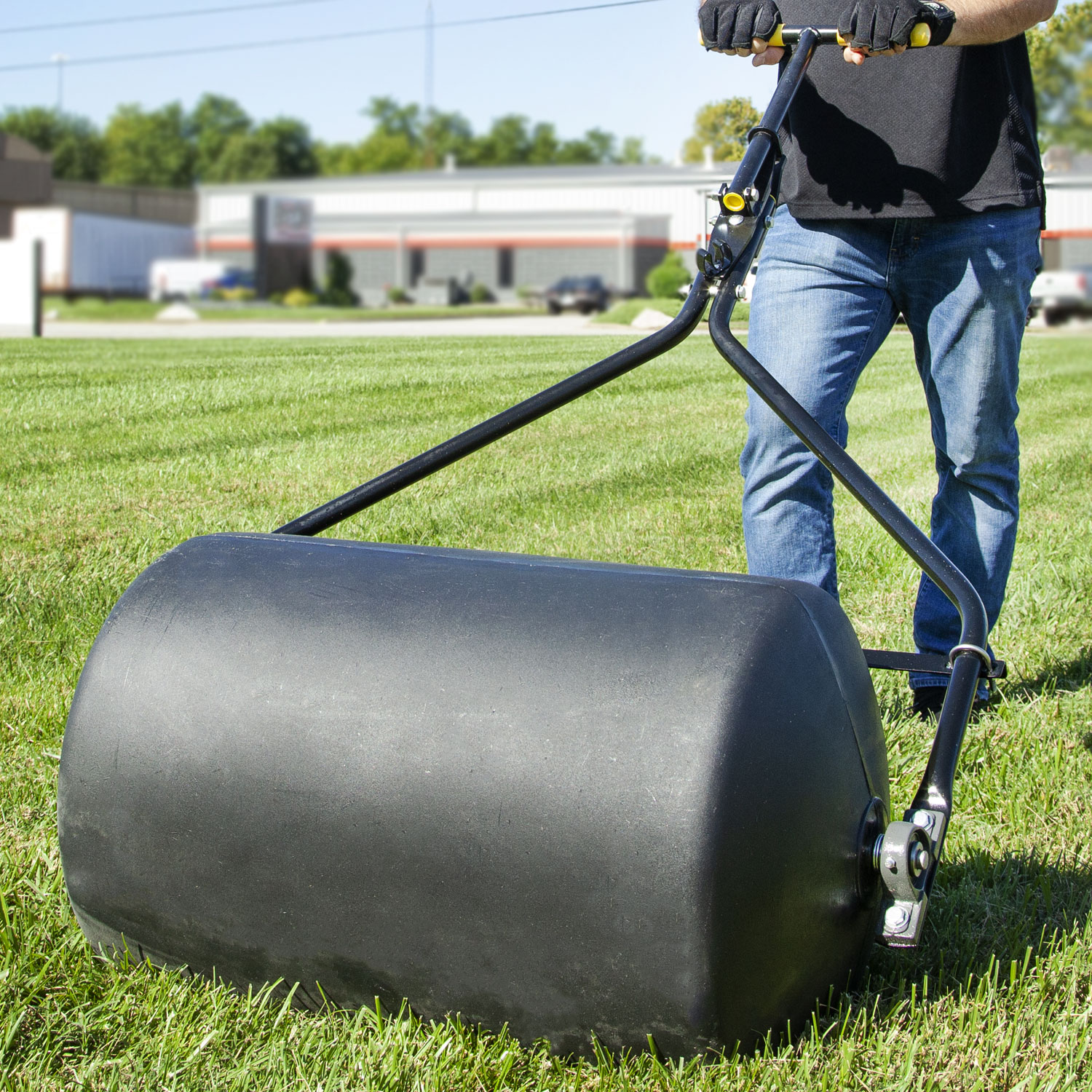
Push rollers are small and lightweight. You move them by hand across the lawn. They are ideal for small yards and light tasks. Push rollers are easy to control and store. They usually hold less water or sand for weight.
Tow-behind Rollers
Tow-behind rollers attach to tractors or riding mowers. They cover large areas quickly. These rollers are heavier and more powerful. They work well on big lawns or sports fields. Tow-behind rollers often have larger drums for better soil compression.
Material Options
Lawn rollers come in steel or polyethylene. Steel rollers are heavy and durable. They give strong soil compaction but can be harder to move. Polyethylene rollers are lighter and rust-resistant. They fill with water or sand to add weight. Choose material based on lawn size and ease of use.
Typical Price Ranges
Understanding the typical price ranges of lawn rollers helps plan your budget better. Prices vary based on materials, size, and features. Choosing the right roller depends on your lawn needs and how often you will use it.
Polyethylene Rollers
Polyethylene rollers cost less than steel ones. They usually range from $50 to $150. These rollers are lightweight and easy to handle. Polyethylene models work well for small to medium lawns. They are rust-resistant and require low maintenance.
Steel Rollers
Steel lawn rollers are heavier and more durable. Prices start around $100 and can go up to $300 or more. These rollers are ideal for large lawns or tough soil. Steel models provide better compaction but are harder to move. They last longer with proper care.
Used And Discounted Options
Used rollers often cost 30% to 50% less than new ones. Check local listings or online marketplaces for deals. Discounted models may have minor scratches but work fine. Buying used can save money for occasional lawn care. Always inspect rollers before purchase to ensure good condition.
Factors Influencing Cost
The cost of a lawn roller depends on several key factors. Understanding these helps you choose the right tool for your lawn care needs. Prices vary widely based on material, size, weight, brand, and features. Each aspect impacts the value and durability of the roller.
Material Impact
The material of the lawn roller affects its price significantly. Steel rollers cost more but last longer and handle tough jobs. Polyethylene rollers are lighter and cheaper but less durable. The choice between steel and poly impacts both cost and performance.
Size And Weight
Larger lawn rollers with higher capacity hold more water or sand. Bigger rollers cover more ground but have higher prices. Heavier rollers press down soil better but may be harder to move. Size and weight balance cost and ease of use.
Brand And Features
Well-known brands often offer better quality and warranty. Extra features like tow-behind capability or ergonomic handles raise the price. Basic push rollers cost less but have fewer features. Brand reputation and added functions influence the final cost.

Credit: www.amazon.com
Key Benefits
Using a lawn roller offers several key benefits that improve your lawn’s health and appearance. It helps prepare the ground and supports grass growth. The tool makes lawn care easier and more effective. Below are the main advantages of using a lawn roller.
Smooths Uneven Ground
Lawn rollers flatten bumpy soil caused by frost or animals. They create a level surface. This makes mowing and walking safer and easier.
Improves Seed Germination
Rolling the soil presses grass seeds firmly into the ground. This contact helps seeds absorb moisture better. It leads to faster and more even germination.
Supports Sod Establishment
After laying sod, a lawn roller presses the pieces tightly together. This reduces air pockets and helps roots grow into the soil. The sod settles quickly and stays healthy.
Eases Lawn Maintenance
A smooth lawn reduces wear on mowers and trimmers. It also prevents damage to equipment. Regular rolling keeps the lawn looking neat and tidy.
Enhances Soil And Root Contact
Firm soil improves root contact and nutrient absorption. Lawn rolling compacts the soil gently without harm. This boosts root strength and lawn resilience.
Best Times To Use
Knowing the best times to use a lawn roller ensures healthy, even grass growth. Using it at the right moments helps fix uneven soil and supports new grass. Timing your lawn rolling prevents damage and improves the lawn’s look and feel.
Spring Lawn Preparation
Spring is ideal for lawn rolling. The ground is soft from melting snow and rain. Rolling then flattens bumps caused by winter frost. It also presses soil for better seed contact. This helps grass roots grow stronger and thicker.
After Seeding Or Sodding
Use a lawn roller right after planting seeds or laying sod. It presses seeds into the soil, improving germination. For sod, rolling removes air pockets beneath the grass. This makes the sod stay in place and grow well. Light rolling works best to avoid crushing young plants.
Post-pest Damage Repair
Rolling helps fix lawns damaged by pests or animals. It flattens raised dirt and holes left by digging. This prevents uneven spots that can harm lawn health. Rolling after pest repair helps new grass grow smoothly and evenly across the lawn.
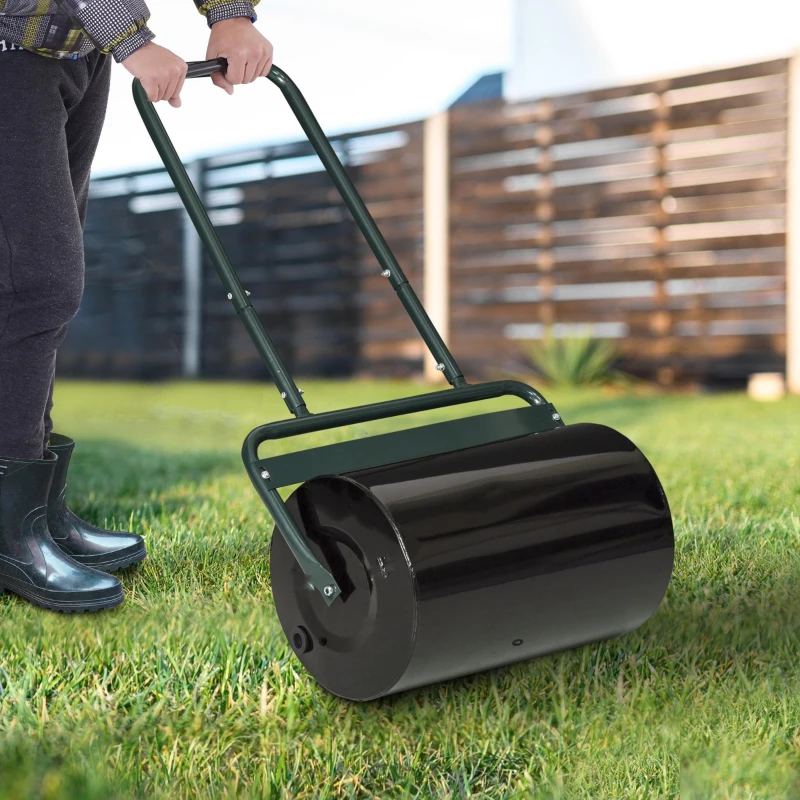
Credit: www.aosom.com
Avoiding Over-compaction
Using a lawn roller helps create a smooth, even lawn surface. It presses down soil and seeds for better growth. But over-compaction can harm your lawn. Over-compaction means pressing soil too hard or too often. This stops air, water, and nutrients from reaching roots. Grass can weaken or die. Avoiding over-compaction keeps your lawn healthy and green.
Choose The Right Weight
Heavier rollers press soil harder. Light rollers reduce risk of over-compaction. Use a roller weight that fits your soil type. Sandy soils need lighter rolling than clay soils. Adjust the weight by filling the roller with water or leaving it empty.
Limit Rolling Frequency
Rolling too often damages soil structure. Roll only when necessary. After seeding or sodding, one or two passes are enough. Avoid rolling wet soil to prevent compacting it too much. Let soil dry before rolling again.
Roll In Different Directions
Rolling in the same path compacts soil unevenly. Change direction with each roll. This spreads pressure evenly. It helps avoid hard patches and keeps soil loose. Cross-roll diagonally for best results.
Check Soil Moisture
Moist soil rolls better than dry or soggy soil. Dry soil resists rolling and compacts less. Wet soil compacts too much and causes damage. Test soil by squeezing it; it should feel damp but not muddy. Roll only under ideal moisture conditions.
Choosing The Right Size
Choosing the right size lawn roller is key for effective lawn care. The correct size helps cover your lawn evenly without extra effort. It also makes the rolling process quicker and less tiring.
Size depends on your lawn area and type of use. A roller too large can be hard to handle. A small roller may need many passes to finish the job.
Understanding Lawn Size And Roller Width
Measure your lawn before buying a roller. Wide rollers cover more ground in less time. Small lawns work best with narrow rollers for better control.
Large lawns benefit from rollers at least 24 inches wide. For small yards, 12 to 18 inches is ideal. Match the roller width to your lawn size for efficiency.
Considering Roller Weight And Material
Heavier rollers press the soil deeper and smooth better. But heavy rollers can be tough to move on small lawns. Light rollers are easier to handle but may need extra passes.
Steel rollers are heavy and durable. Polyethylene rollers are lighter and easier to push. Choose weight based on your strength and lawn needs.
Choosing Between Push And Tow-behind Rollers
Push rollers suit small to medium lawns. They give more control in tight spaces. Tow-behind rollers attach to a lawn tractor for large areas.
Tow-behind rollers cover big lawns fast. Push rollers are simple and low-cost. Pick the type that fits your lawn size and equipment.
Maintenance Tips
Proper maintenance keeps your lawn roller working well and extends its life. Regular care prevents rust, damage, and ensures smooth operation. Simple steps help preserve its condition through the year.
Cleaning And Storage
After each use, clean dirt and grass off the roller. Use a brush or hose to remove debris. Dry it completely to stop rust from forming.
Store the lawn roller in a dry place, away from rain and moisture. Cover it with a tarp or cloth to protect from dust. Avoid leaving water inside the drum to prevent corrosion.
Seasonal Care
Before winter, empty any water or sand inside the roller. Check for rust spots and treat them with rust remover or paint.
In spring, inspect the roller for damage or leaks. Lubricate moving parts to keep them smooth. Tighten bolts and fix any issues before use.
Where To Buy In Austin, Tx
Finding the right place to buy a lawn roller in Austin, TX matters for your lawn care needs. Several options exist, ranging from local stores to rental services. Each choice offers different benefits depending on budget and usage frequency.
This guide helps you explore where to buy or rent a lawn roller nearby. You can choose what fits your schedule and lawn size best.
Local Retailers
Austin has several local stores that sell lawn rollers. Big-box stores like Lowe’s offer a variety of models for different yard sizes. Northern Tool + Equipment carries quality lawn rollers and garden tools. Top Gunn Outdoor Power also stocks lawn equipment and may have rollers in stock.
Shopping locally lets you see the products before buying. Staff can help answer questions and suggest suitable rollers. Local retailers often provide pickup options for convenience.
Rental Options
Renting a lawn roller makes sense for one-time or occasional use. Rental centers in Austin offer push and tow-behind rollers at affordable daily or weekly rates. BigRentz is one rental company that provides heavy-duty rollers for larger lawns.
Rentals save money if you do not need a roller year-round. Equipment is usually well-maintained and ready to work. Pick up and return services add to rental ease.
Diy Lawn Rolling Tips
Lawn rolling improves lawn health and appearance. It flattens bumps and presses seeds for better growth. Rolling your lawn yourself saves money and ensures timely care. Follow these simple tips to get the best results with your lawn roller.
Proper Rolling Techniques
Start rolling when the soil is moist but not wet. Wet soil can compact too much and harm grass roots. Roll in one direction first, then roll perpendicular to that. This pattern ensures even pressure and smooths the surface well. Avoid rolling on very dry soil to prevent damage. Use a lawn roller with the right weight; too heavy can crush grass. Roll slowly and steadily for the best effect. Stop rolling once the surface feels firm and even.
Safety Precautions
Wear sturdy shoes to protect your feet during rolling. Check the roller for leaks or damage before use. Do not overload the roller with water or sand beyond the recommended level. Keep children and pets away while rolling. Use gloves to protect your hands from blisters. Avoid rolling on slopes or uneven ground to prevent slipping. Store the lawn roller safely after use to avoid accidents.
Frequently Asked Questions
Is It Good To Use A Roller On Your Lawn?
Using a lawn roller helps smooth uneven ground, improves seed contact, presses new sod firmly, and creates an even surface for mowing. It enhances lawn health and appearance by reducing bumps and aiding grass establishment. Use it carefully to avoid soil compaction.
Are Grass Rollers Worth The Money?
Grass rollers are worth the money for leveling soil, improving seed germination, and ensuring firm sod establishment. They create smoother, healthier lawns and make mowing easier. Investing in a quality roller enhances lawn appearance and durability, providing long-term benefits for lawn care enthusiasts.
When Should You Roller Your Lawn?
Roll your lawn in early spring or after seeding and sod installation. Avoid rolling wet or frozen ground to prevent damage.
How Heavy Should Your Lawn Roller Be?
A lawn roller should weigh between 50 to 100 pounds for push models and up to 500 pounds for tow-behind types. Choose weight based on soil type and lawn needs. Heavier rollers suit firming sod, while lighter ones prevent soil compaction.
Conclusion
A lawn roller helps create a smooth and even yard surface. It presses seeds and sod firmly for better growth. Using one can fix bumps caused by frost or animals. A level lawn looks nicer and is easier to mow.
Choosing the right lawn roller depends on your yard size and needs. Regular use supports healthy grass and a beautiful lawn. Simple, effective lawn care starts with the right tools. Try a lawn roller to improve your outdoor space today.