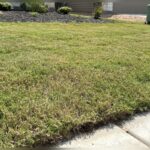
Are you struggling with uneven patches or bumps in your lawn? Choosing the right lawn roller can make a huge difference in achieving that smooth, professional-looking yard you want.
But with so many sizes and types out there, how do you know which one fits your lawn perfectly? Whether your space is small and cozy or large and sprawling, picking the right size roller is key to effective lawn care without damaging your grass.
You’ll discover exactly what size lawn roller you need, how to match it to your lawn’s size and condition, and insider tips to get the best results every time. Keep reading—your lawn’s transformation starts here!
You May Like
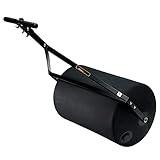
- NEW Easy-Turn Tethered Plug: Brinly Rollers now feature a new drum plug…
- Push/Pull Combination: Convenient push or tow-behind design provides…
- 28 Gallon Capacity: Sturdy roller holds up to 28 gallons (270 lbs.) of…
- Durable Construction: Sturdy poly roller drum won’t dent or rust, and…

- Exceptional Load Capacity: This lawn roller features a 61L large-capacity…
- Easy to Use & Store: The assembly process for this yard roller is simple…
- Durable & Long-Lasting: This sod roller features a thickened high-carbon…
- Effortless Operation: This lawn drum roller is thoughtfully designed with a…
- NEW Easy-Turn Tethered Plug: Brinly Rollers now feature a new drum plug…
- Push/Pull Combination: Convenient push or tow-behind design provides…
- 28 Gallon Capacity: Sturdy roller holds up to 28 gallons (270 lbs.) of…
- Durable Construction: Sturdy poly roller drum won’t dent or rust, and…

- DESIGN: Durable 18 inch diameter and 36 inch wide poly roller drum
- CAPACITY: 400 lb. weight with water to help flatten uneven grass and level…
- STORAGE: The roller weighs less than 50 lbs. without water for easy storage…
- SERVICE: This poly roller comers with a 3 year limited warranty on…

- 13-Gallon Large Capacity Design: The VEVOR lawn roller features a…
- Easy-Breezy Usage & Storage: Assembling and using this yard roller is a…
- Built to Last: The heavy-duty steel frame provides robust support and…
- Convenient and Thoughtful Details: The grass roller features an ergonomic…

Credit: www.walmart.com
Lawn Roller Types
Choosing the right type of lawn roller is crucial for effective lawn care. Each roller type has unique features suited to different lawn sizes and conditions. Understanding these types helps you pick the best roller for your needs.
Steel Rollers
Steel rollers are heavy and strong. They work well on large or uneven lawns. Their weight helps press down bumps and compact soil firmly. Steel rollers last long and handle rough terrain easily. They can cause damage if used on delicate grass or new seedlings.
Poly Rollers
Poly rollers are lighter and easier to move. They are often hollow and fillable with water or sand. This lets you adjust their weight for gentle rolling. Poly rollers suit small or newly seeded lawns. They are less likely to harm soft grass or seedlings.
Push Vs Tow-behind
Push rollers are small and designed for easy manual use. They fit well on small lawns or tight spaces. Tow-behind rollers attach to lawn tractors or mowers. They cover large areas quickly and reduce physical effort. Choose based on your lawn size and equipment availability.
Choosing Size By Lawn Area
Choosing the right lawn roller size depends largely on your lawn’s area. The size affects how easy it is to use and how well it works. A roller too big or too small can waste time and effort. Selecting the correct size helps you get smooth, even results efficiently.
Consider the total space you need to cover. This decision guides you to a roller that matches your lawn’s scale. It also influences the roller’s weight and handling needs. Below are practical tips for different lawn sizes.
Small Lawns
For small lawns, a push lawn roller works best. These rollers are lightweight and easy to control. Their smaller width fits tight spaces and garden corners well. Push rollers let you move at your own pace. They are ideal for lawns under 2,000 square feet. Using a compact roller helps avoid damaging soft grass or seedlings.
Medium To Large Lawns
Medium to large lawns need a tow-behind roller. These attach to lawn tractors or riding mowers. Tow-behind rollers cover more area quickly. They often measure between 24 to 36 inches wide. This size balances efficiency and control for lawns from 2,000 to 10,000 square feet. Tow-behind rollers reduce physical effort and save time.
Large Properties
Large properties require heavy-duty, wide rollers. These can be 40 inches or more in width. They provide strong compaction and smooth large patches fast. Heavy steel rollers fill with water or sand for extra weight. This added weight helps flatten bumps on uneven ground. Large rollers suit lawns over 10,000 square feet and commercial areas.
Weight Considerations
Choosing the right weight for your lawn roller affects both ease of use and lawn health. The weight helps press the soil evenly, reducing bumps and improving grass growth. Too light might not smooth well. Too heavy can harm the soil and grass. Understanding different weight options helps pick the best roller for your lawn.
Lightweight Rollers
Lightweight rollers are easy to handle and move around. They work best for small lawns or delicate grass areas. These rollers usually weigh less than 50 pounds. They press the soil gently, avoiding damage to new grass or seedlings. You can fill some with water or sand to add weight if needed.
Heavy Rollers
Heavy rollers weigh over 100 pounds or more. They are designed for larger lawns with uneven ground. The extra weight helps flatten bumps and compact the soil deeply. Use heavy rollers carefully to avoid soil compaction problems. They require more effort to push or pull but give strong results on tough terrain.
Adjustable Weight Options
Some lawn rollers let you adjust the weight by filling them with water or sand. This option adds flexibility for different lawn needs. You can start light and add weight as the job requires. Adjustable rollers suit medium to large lawns. They balance ease of use with effective soil pressing power.
Material Impact
The material of your lawn roller affects its performance and usability. Different materials offer unique benefits and drawbacks. Choosing the right material can make your lawn care easier and more effective.
Durability
Steel rollers are very strong and last a long time. They handle rough surfaces and heavy use without damage. Poly rollers are less durable but resist rust and corrosion well. They are ideal for lighter tasks and gentle on delicate lawns.
Ease Of Transport
Poly rollers are lighter and easier to move around your yard. You can fill them with water or sand to adjust the weight. Steel rollers are heavier and harder to transport but provide better compaction. Consider how much effort you want to spend moving your roller.
Storage Factors
Poly rollers take less space and do not rust, making storage simple. Steel rollers need dry storage to avoid rusting. Their weight means they need a sturdy place to keep them safely. Think about your storage space before choosing the material.
Timing Your Rolling
Timing your lawn rolling is key to getting a smooth and healthy lawn. The right time helps the soil settle and the grass to grow evenly. Rolling at the wrong time can harm your lawn by compacting the soil too much or damaging young grass. Understanding when and how to roll makes a big difference in your lawn care routine.
Best Seasons
Early spring is the best season for rolling your lawn. The grass starts to grow and the soil is soft enough to shape. Fall is another good time because the soil is still warm, helping grass recover quickly. Avoid rolling in summer when the soil is dry and hard. Winter rolling can freeze the soil and harm the grass roots.
Soil Moisture Tips
Soil moisture is crucial before rolling. The ground should be moist but not soggy. Rolling on dry soil will not smooth bumps properly. Wet soil may cause compaction and damage roots. Test the soil by pressing it with your hand. If it feels like damp clay, it is the right time to roll.
Avoiding Damage
Roll your lawn gently to avoid damage. Do not use a heavy roller on soft soil. Avoid rolling over newly seeded areas until grass is strong. Roll in straight lines and overlap slightly for even results. Stop if you see soil or grass being crushed. Proper timing and care protect your lawn’s health.
Using Rollers For Lawn Repair
Using rollers for lawn repair helps restore a smooth, even surface quickly. Lawn rollers press soil gently, fixing bumps and improving seed contact. The right roller size makes repair easier and more effective. Smaller rollers suit minor fixes, while larger ones cover broad areas efficiently. Understanding how rollers work assists in choosing the best size for your lawn’s needs.
Smoothing Bumps
Rollers press down uneven soil, reducing bumps and ridges. Light rolling after seeding or patching levels the surface. Avoid heavy rolling on wet soil to prevent damage. Use a roller that fits your lawn’s size for best results. Rolling in multiple directions helps achieve a flat, smooth lawn.
Dealing With Soil Compaction
Heavy rollers can compact soil too much, hurting grass roots. Choose a lighter roller for delicate lawns or new seed. Rolling on moist but firm soil reduces compaction risks. If soil feels hard, aerate before rolling. Proper rolling improves soil contact without crushing it.
When To Add Topsoil
Add topsoil before rolling if your lawn has deep dips or holes. Spread a thin layer evenly to fill low spots. Roll gently after spreading topsoil to press it down. This step helps grass roots grow strong and soil settle evenly. Avoid rolling dry soil after adding topsoil to keep it loose.
Matching Rollers To Equipment
Choosing the right lawn roller depends on the equipment you have. Matching rollers to your tools makes the job easier and more effective. Different rollers fit different machines. Some rollers work well with small mowers, while others attach to larger equipment. Understanding compatibility helps you pick the best size and type.
Compatibility With Mowers
Many lawn rollers are designed to fit specific mower types. Smaller push mowers usually need compact, lightweight rollers. These rollers are easy to maneuver and store. Larger riding mowers can handle bigger, heavier rollers. Check the mower’s hitch or attachment points before buying a roller. Using a roller not compatible with your mower can cause damage or poor performance.
Tow-behind Attachments
Tow-behind rollers connect to equipment with a hitch. These rollers are ideal for medium to large lawns. They allow you to cover more ground quickly. Ensure your mower or tractor has a compatible hitch size. The roller’s weight should not overload your machine. Tow-behind rollers often come in larger sizes for heavy-duty tasks.
Manual Vs Powered Use
Manual rollers require physical effort to push or pull. They work best on small lawns or flat areas. Powered rollers connect to machines and need less effort. They are better for large or uneven lawns. Consider your strength and lawn size before choosing. Manual rollers are lighter but may tire you out. Powered rollers provide more consistent pressure and save time.

Credit: www.turftimeeq.com
Transport And Storage
Transport and storage are important factors when choosing the right size lawn roller. A bulky roller can be hard to move and store. A compact and easy-to-handle roller saves time and effort. Consider the space available in your vehicle and storage area before buying.
Compact Designs
Compact lawn rollers fit easily in car trunks and garden sheds. They are lighter and easier to carry. Smaller rollers are ideal for tight spaces and small gardens. They reduce the hassle of moving the roller around your yard.
Filling Options
Many rollers allow filling with water or sand to add weight. Empty rollers are lighter for transport and storage. Fill them only when needed for lawn rolling. This feature helps keep the roller manageable when not in use.
Handling Difficult Areas
Smaller rollers work well in narrow or uneven spots. Their size lets you reach corners and slopes with ease. Large rollers struggle in tight spaces and uneven ground. Choose a size that moves well in your garden layout.
Expert Tips
Choosing the right lawn roller size is only part of the job. Proper use is key to healthy, even grass. Experts share simple tips that help you get the best results without damaging your lawn. These tips focus on how to avoid common problems and keep your roller in good shape.
Follow these expert tips to protect your lawn and improve your rolling experience.
Avoid Overcompaction
Too much rolling pressure can harm your grass roots. Use a roller size that matches your lawn size to prevent soil from becoming too hard. Roll only when the ground is moist, not soggy or dry. Light, frequent rolling is better than heavy, rare rolling. This keeps soil loose and allows water and air to reach roots easily.
Layering Techniques
For uneven lawns, try rolling in layers. Start with a light pass using a smaller roller. Then add more weight or use a larger roller for the next pass. This method gently firms the soil without crushing it. Layered rolling also helps fill low spots gradually. It encourages healthy grass growth and stops damage from heavy rollers.
Maintenance Advice
Keep your lawn roller clean and rust-free for longer use. Empty water or sand after each use to avoid corrosion. Check wheels and handles for damage regularly. Store your roller in a dry place, away from sunlight. Proper maintenance ensures smooth rolling and extends the life of your equipment.

Credit: yourpghlawyer.com
Frequently Asked Questions
What To Look For In A Lawn Roller?
Choose a lawn roller with suitable weight for your lawn size. Prefer durable materials like steel for heavy use. Ensure it’s compact for easy transport and effective on uneven areas. Select adjustable weight rollers for versatility and avoid excessive compaction on delicate grass or seedlings.
Can You Roll Out A Bumpy Lawn?
Yes, you can roll out a bumpy lawn using a lawn roller. Light rollers work best on soft soil. Avoid heavy rollers on dry or hard ground. For major bumps, add topsoil before rolling to prevent soil compaction and improve leveling results.
What Type Of Roller Is Best For Lawns?
A steel lawn roller is best for large, uneven lawns needing heavy compaction. Poly rollers suit small or new lawns to avoid damage. Choose based on lawn size and soil condition.
What Time Of Year Is Best To Use A Lawn Roller?
The best time to use a lawn roller is early spring when grass begins growing or after light rain when soil is soft but not soggy. Rolling during these times helps smooth the lawn without damaging the grass or compacting the soil excessively.
Conclusion
Choosing the right lawn roller size depends on your lawn’s size and needs. Small lawns benefit from a compact push roller. Medium to large lawns work well with a tow-behind roller for better coverage. Heavy compaction or large properties need a heavier steel roller for effective results.
Consider roller weight and material carefully to avoid damaging grass. Remember, rolling works best after light rain or in early spring. Use topsoil for big bumps before rolling. A well-chosen roller helps create a smooth, healthy lawn with less effort.