Choosing the best gardens in NYC means balancing your desire for quiet retreats against the need for practical travel info. These books differ by their focus, ranging from wide city overviews to specific borough studies and historical community perspectives. You should pick one that matches your travel style.
Best overall: New York Green, which offers a comprehensive look at the city’s most treasured parks and gardens for every type of visitor. Best for secret spots: Green Escapes, which focuses on hidden urban locations that are often missed by standard guidebooks. Best for history buffs: The Struggle for Eden, which documents the vital community-led efforts behind the city’s network of gardens.
These recommendations serve those who want to explore the natural side of New York beyond the usual tourist path.
How We Picked
We compared 30 different Amazon listings to find the most helpful resources for exploring New York’s green spaces. To earn a spot, each book had to provide a clear, distinct focus on either specific locations, historical context, or practical navigation. We excluded titles that lacked sufficient detail or overlapped too heavily with broader city guides. Our selection process focused on the unique value each book adds to a visitor’s experience, ensuring a variety of perspectives on the city’s diverse landscape.
All 10 products side by side — scroll sideways to see every column.
| Top Pick | Runner-Up | Also Great | Best for Queens | Best Botanical Garden | Best Rooftop Gardens | |||||
| Preview |  |  |  |  |  |  |  | 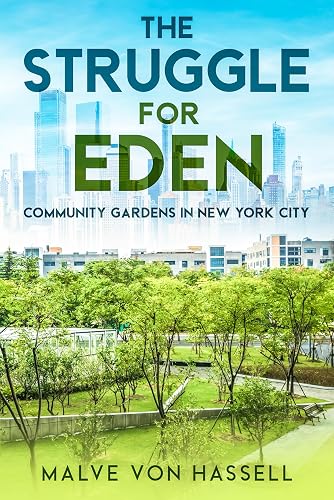 |  |  |
|---|---|---|---|---|---|---|---|---|---|---|
| Product | New York Green | Green Escapes | Secret Gardens of New York | Garden Guide NYC | New York City Gardens | Repose in the Metropolis | All the Queens Gardens | The Struggle for Eden | New York Botanical Garden | New York Rooftop Gardens |
| Best for | Top Pick | Runner-Up | Also Great | — | — | — | Best for Queens | — | Best Botanical Garden | Best Rooftop Gardens |
| More information | Buy on Amazon | Buy on Amazon | Buy on Amazon | Buy on Amazon | Buy on Amazon | Buy on Amazon | Buy on Amazon | Buy on Amazon | Buy on Amazon | Buy on Amazon |
1. New York Green
Best for: General visitors wanting a broad overview.
New York Green is designed as a primary resource for discovering the city’s most valued green spaces. It acts as a helpful companion for those who want to ensure they see the most important parks during their stay.
The book is structured to guide you through various neighborhoods, helping you plan your day effectively. It’s a straightforward choice for someone who wants to see the highlights without needing specialized knowledge.
If you’re a casual traveler looking to maximize your time between major landmarks, this guide provides the necessary framework to organize your route. It excels at keeping your itinerary logical by grouping nearby locations. However, if you’re a local enthusiast seeking obscure garden locations or deep historical analysis, you’ll likely find the content too brief.
The mistake many travelers make is assuming this guide covers every niche botanical corner of the five boroughs. Relying on it for academic research or off-the-beaten-path exploration will lead to disappointment. Use this book to secure a solid foundation for your trip, but supplement it with specialized maps if you intend to venture beyond the city’s most iconic, high-traffic green spaces.
Pros
- Covers the city’s most important parks.
- Useful for general travel planning.
- Clear and accessible for visitors.
Cons
- Lacks deep historical depth.
- Not focused on secret locations.
2. Green Escapes
Best for: Travelers seeking quiet, hidden gems.
Green Escapes centers on the secret urban gardens that often escape the notice of the average city walker. It’s an excellent resource for those who prefer to avoid crowds and find peaceful, quiet corners.
Use this guide when you have plenty of time to wander off the beaten path. It rewards the reader with unique, intimate views of the city that remain invisible to the hurried tourist. If your itinerary prioritizes major, well-known landmarks, this book will likely frustrate you. You should skip these entries if you’re on a strict schedule, as these secluded spots rarely sit near major transit hubs.
Most travelers make the mistake of visiting these gardens during peak weekend hours. This choice often ruins the intended experience of solitude. Instead, visit on a Tuesday or Wednesday morning to ensure the space remains truly quiet.
If you’re looking for a quick photo opportunity, look elsewhere. These spaces are designed for lingering, not for rapid sightseeing. The guide is best for those who value the atmosphere of a hidden park over the convenience of a central location. When you find yourself overwhelmed by the noise of the city center, turn to these pages to find your retreat.
3. Secret Gardens of New York
Best for: Finding green hideaways within the city.
Secret Gardens of New York highlights the lush, hidden pockets tucked away within the city’s dense architecture. It offers a sense of discovery for those seeking nature in unexpected, private corners rather than open public spaces.
The book is ideal if you enjoy the sharp contrast between concrete urban environments and secluded, verdant landscapes. Use this guide when you want to plan a weekend of quiet exploration. If you’re searching for a comprehensive list of all public parks, however, this selection will feel too narrow.
You should choose this guide if you prioritize intimacy and charm over accessibility. If you need a broad directory for daily jogging or large-scale recreation, look elsewhere. Relying on this book for a general park tour will leave you disappointed, as it intentionally ignores the city’s major public lawns.
Pros
- Focuses on unique urban hideaways.
- Highlights the city’s green contrast.
- Great for weekend explorers.
Cons
- Narrow scope of locations.
- Not a full park guide.
4. Garden Guide NYC
Best for: Those needing a practical reference.
Garden Guide NYC provides the essential facts required to navigate the city’s garden scene efficiently. It’s built to serve as a reliable reference tool that you can carry with you.
This book is useful for those who value utility and clear directions over narrative descriptions. It helps you keep track of opening hours and locations easily. The listing doesn’t mention whether Garden Guide NYC includes maps, transit information, or holiday hours.
However, don’t choose this book if you want long, descriptive stories or artistic photography of the gardens. Readers who expect a coffee-table book or a deep dive into botanical history will find the content sparse. If you’re looking for an immersive experience, look elsewhere.
If you prefer a lightweight manual that fits in a jacket pocket, this is the right choice. If you want a souvenir to display at home, you’ll be disappointed by the lack of visual flair.
Pros
- Highly practical and easy.
- Useful for quick reference.
- Essential logistical information included.
Cons
- Lacks descriptive narrative.
- Minimal focus on aesthetics.
5. New York City Gardens
Best for: A general city overview.
New York City Gardens offers a broad look at the various green spaces across the five boroughs. It’s a solid starting point for anyone unfamiliar with the scope of the city’s gardening culture.
This guide provides a balanced view that helps you understand the variety of landscapes available in New York. It’s simple to use and accessible for all levels of experience. If you’re looking for a deep dive into a specific borough or a specific type of garden, this title might feel too general.
Use this book if you’re a visitor or a new resident seeking a wide-angle lens on the city’s horticulture. If you need precise directions, historical data, or planting advice for your own terrace, look elsewhere. Readers often make the mistake of expecting a field guide or a technical manual from this text. That misunderstanding leads to frustration when they find only high-level summaries rather than actionable instructions.
If you want a quick survey of the city’s terrain, start here. If you need to navigate the specific maintenance schedules or rare plant collections of a single neighborhood, this general overview won’t suffice.
Pros
- Covers a wide range.
- Good for beginners.
- Simple, balanced perspective.
Cons
- Lacks specific borough depth.
- Very general in scope.
6. Repose in the Metropolis
Best for: Fans of private, quiet spaces.
Repose in the Metropolis explores the private gardens that define hidden pockets of the city. It offers a rare look at lush sanctuaries that are typically locked away from the public eye.
This book is ideal for those interested in the intricate design and quiet atmosphere of domestic New York landscapes. It fundamentally changes your perspective on what constitutes a city garden. If you seek a guide for public, accessible parks open for daily walking, this volume will leave you frustrated. Use this book instead to study the architectural intent behind exclusive green spaces that remain invisible to the average pedestrian.
The text serves as a reference for design enthusiasts rather than a map for tourists. If you want to understand how private owners cultivate nature within dense urban blocks, this is your primary resource. If you simply want a place to sit and read on a bench, stick to the city’s public park system.
Pros
- Unique look at private spaces.
- Focuses on design and atmosphere.
- Offers a rare perspective.
Cons
- Limited public access.
- Not for general park visitors.
7. All the Queens Gardens
Best for: Visitors focusing on the borough of Queens.
All the Queens Gardens highlights the everyday landscaping and diverse green spaces found in New York’s largest borough. It’s a specialized guide for those who want to spend time exploring Queens specifically.
This title is a great choice if you’re staying in or visiting Queens and want to see how the community maintains its local gardens. It provides a local perspective that broader guides often miss.
If your itinerary centers on Manhattan or Brooklyn, this book will likely frustrate you. It offers no utility for those seeking general citywide tours or major tourist landmarks. Use this guide only when your map is pinned entirely within the Queens borough limits.
Most travelers make the mistake of buying borough-specific guides before finalizing their hotel location. If you’re staying in Queens, this book is essential for discovering hidden neighborhood greenery. If you’re just passing through for a day trip, rely on a broader city guide instead.
Pros
- Focused borough coverage.
- Highlights diverse local landscapes.
- Unique community perspective.
Cons
- Borough-specific content only.
- Limited appeal for others.
8. The Struggle for Eden
Best for readers interested in the evolution of urban spaces through the lens of community history.
The Struggle for Eden chronicles the rise of community gardens across New York City. It centers on the archival history and the persistent, often grueling labor required to protect these green pockets from development.
This book serves those who prioritize the social narrative of the land over mere aesthetics. It offers the necessary context to turn a casual stroll past a garden fence into an informed observation of local heritage. If you seek a map of amenities or a list of open hours, you’ll find this text frustratingly silent. It’s a work of history, not a logistical handbook.
Use this book to understand why certain plots survived while others vanished under concrete. If your goal is to map a route, look elsewhere. If your goal is to understand the political and social friction that defined these neighborhoods, this is your primary resource.
Pros
- Deep historical context.
- Focuses on community efforts.
- Meaningful, informative reading.
Cons
- Not a practical travel guide.
- Less focus on logistics.
9. New York Botanical Garden
Best for: Those visiting the major landmark.
New York Botanical Garden is a revised guide focused specifically on this major city landmark. It serves as an essential companion for anyone planning a trip to this specific location.
This book helps you navigate the vast grounds and understand the importance of the displays. It’s a must-have for a serious visit to the institution.
If you’re planning a casual afternoon or hope to discover hidden neighborhood green spaces, these recommendations will disappoint. They aren’t useful for exploring smaller gardens or other public parks around the city. Relying on this book for a broader tour of New York’s horticultural scene will leave you without the maps or context you need for those secondary sites.
Use this text only when your itinerary is locked to the landmark itself. If your travel plans involve hopping between multiple boroughs or diverse botanical collections, look elsewhere.
Pros
- Dedicated to one landmark.
- Updated and revised information.
- Essential for landmark visitors.
Cons
- Limited to one location.
- Not for general exploration.
10. New York Rooftop Gardens
Best for: Exploring elevated, modern landscapes.
New York Rooftop Gardens showcases the unique, elevated landscapes that have become a signature of modern city architecture. It’s a fascinating look at how the city uses its vertical space.
This book changes the way you view the city skyline and the hidden greenery above the streets. It’s perfect for architecture and design enthusiasts. If you’re seeking traditional, ground-level public park experiences, look elsewhere. This guide is strictly for those interested in the specialized engineering and aesthetic choices required to sustain life high above the pavement.
Many readers mistakenly expect a general overview of New York’s public green spaces. This error leads to frustration, as the text ignores standard parks entirely. If your interest lies in how architects manipulate wind exposure and weight limits to build gardens on skyscrapers, this is your primary resource. If you want a list of places to picnic on the grass, you’ll find no value here.
Pros
- Focuses on modern design.
- Highlights unique urban spaces.
- Great for design fans.
Cons
- Limited to rooftop settings.
- Not for traditional park fans.
How to Choose in Sixty Seconds
Which garden book matters most for my trip?
If you’re a first-time visitor, prioritize a general overview like New York Green. It covers the most famous sites and gives you a solid foundation for your trip. If you already know the big parks and want to see something different, choose a specialized title like Green Escapes or Secret Gardens of New York. These books help you avoid the crowds and find quiet, intimate spaces that most tourists never find. The listing doesn’t mention the publication dates or update schedules for any of the featured books.
Should I buy a guide for every borough?
You generally don’t need a guide for every borough unless you’re planning an extended stay with deep exploration in mind. Most visitors find that a comprehensive city guide, such as New York City Gardens, provides enough information for a short trip. If you find yourself gravitating toward a specific area, like Queens, then picking up a borough-focused book like All the Queens Gardens can add value. However, carrying too many guides can be heavy and unnecessary. Start with one broad book, and if you need more detail, you can always look for specific resources later.
What should I confirm before I order?
Before ordering, check if the book focuses on public access or if it covers private spaces. Some titles like Repose in the Metropolis are great for reading but may not help you find a place to walk on a Tuesday afternoon. Also, confirm if the book includes maps or just descriptive text. Practical guides like Garden Guide NYC are better if you want maps and transit tips, whereas historical books like The Struggle for Eden are better for reading at home before your trip. Knowing the purpose of the book will save you from buying a title that doesn’t match your travel needs.
The York Botanical Garden is a classic choice for those who love large-scale horticultural displays. It remains a staple for anyone wanting to see the city’s most famous garden institution. For those interested in the natural history of the grounds, Magnificent Trees York Botanical Garden offers a detailed look at the species found there. Both books provide excellent, specialized information for your visit. For more information on maintaining these urban habitats, the U.S. Environmental Protection Agency provides resources on urban greening and environmental sustainability.
Related guides
- 10 Best Garden Hose for Pressure Washer Picks
- Best Garden Soaker Hose: 10 Top Picks Compared
- 10 Best Pointed Garden Spades for Tough Digging
Frequently Asked Questions
What does the guide need to work with?
These guides work best when you have a clear plan for your day. They provide descriptions and locations, but you must supply the time and interest to visit. Note that you will still need transit apps or maps to navigate between these specific garden locations.
What does owning these books ask of the buyer?
You should read these books in advance to select gardens that match your schedule and interests. They serve as active planning aids rather than simple display pieces. Always check current opening hours online before heading out, as these books are meant to supplement your travel research.
What usually goes wrong first with these guides?
Information like visiting hours and entry fees can change after a book is printed. Use these guides as inspiration and location scouts rather than as real-time authorities. Always check the official website of a managed park before traveling to ensure the gates are open.
Is the simplest guide on the list enough?
A simple reference like Garden Guide NYC is sufficient for a quick excursion to a single destination. It provides essential information for moving between gardens without the distraction of long-form content. These lightweight books are ideal if you prefer to focus on the experience rather than reading historical context.
Conclusion
Whether you’re seeking a hidden sanctuary in Brooklyn or a sprawling floral escape in the Bronx, there’s a perfect green space waiting for you. Grab a comfortable pair of walking shoes and head out this weekend to explore these spots. You’ll find that a little fresh air makes the city feel brand new.