The best wood router for a beginner depends on your initial projects, with the BOSCH PR20EVS Colt offering a reliable compact option and the WORKPRO Compact Router providing a versatile multi-base kit. Choosing the right model depends on whether you prioritize motor strength, depth control, or the constant run-time of a corded tool.
All 10 products side by side — scroll sideways to see every column.
| Top Pick | Best for Plunge Routing | Best for Precision | Best for Safety | Best for Cordless Use | Best for Dust Control | Best for Accessory Kits | Best for Mid-Size Work | |||
| Preview | 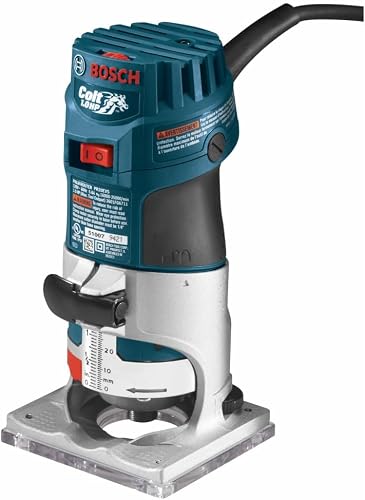 |  |  |  |  |  |  |  |  |  |
|---|---|---|---|---|---|---|---|---|---|---|
| Product | BOSCH PR20EVS Colt | Bosch 1617EVSPK | DEWALT DWP611 | SKIL RT1323-00 | Makita XTR01Z | AVID POWER Compact Router | VEVOR Compact Router | WORKPRO Compact Router | CRAFTSMAN V20 Router | BOSCH GOF13-25 |
| Brand | Bosch | Bosch | DEWALT | Skil | Makita | AVID POWER | VEVOR | WORKPRO | CRAFTSMAN | Bosch |
| Best for | Best Overall | Best for Plunge Routing | Best for Precision | Best for Safety | Best for Cordless Use | — | Best for Dust Control | Best for Accessory Kits | — | Best for Mid-Size Work |
| The listing says | 1.0 HP 5.6 amp motor, 16,000-35,000 RPM Includes straight edge guide and angled cord | 12-amp motor with adjustable speed Constant response circuitry for stable start-up | 1.25HP motor for tough applications Variable speed control | 10 Amp 2.0 HP fixed base motor Adjustable speed control | Brushless motor for accurate cuts Electronically controlled torque and RPM | 800W 1.25 HP 6.5-Amp motor, 10,000–32,000 RPM Rack-and-pinion depth adjustment system | 800W motor with plunge and tilt bases Smooth soft start feature | 6.5 amp motor, 12,000-30,000 RPM Rack and pinion depth adjustment | Includes edge guide and dust port adapter Brushless motor | Includes 1/4" collet, guides, and dust hood 1-3/4 HP motor, 11,000 to 28,000 RPM |
| More information | Check Latest Price on Amazon | Check Latest Price on Amazon | Check Latest Price on Amazon | Check Latest Price on Amazon | Check Latest Price on Amazon | Check Latest Price on Amazon | Check Latest Price on Amazon | Check Latest Price on Amazon | Check Latest Price on Amazon | Check Latest Price on Amazon |
1. BOSCH PR20EVS Colt 1.0 HP Variable-Speed Palm Router
Best for: Someone who wants a reliable, compact tool for everyday edge trimming.
The PR20EVS Colt focuses on maneuverability and stability for smaller woodworking tasks. Its 1.0 HP, 5.6 amp motor provides variable speeds from 16,000 to 35,000 RPM. The aluminum base offers a solid, durable feel during operation. The angled cord exit is a thoughtful touch, as it keeps the wire away from your work piece to prevent snags.
This router features a quick-clamp system that makes moving the motor between different bases straightforward. You should use the macro adjustment for large depth changes, then switch to the micro-adjustment system for final precision. If you’re struggling with stability, place your fingers into the dedicated support pockets built into the base.
The listing doesn’t mention the suitability for smaller jobs. It accepts bits up to 1 5/16 inches in diameter. If you’re changing bits, use the spindle lock with one wrench for speed, or two wrenches if you need extra leverage.
Good if:
- You prioritize a compact size for better control.
- You need a stable tool for edge trimming.
- You want a fast, micro-adjustable depth system.
Skip it if:
- You’re planning to do heavy-duty plunge routing.
- You need more than 1.0 HP for deep, aggressive material removal.
- You prefer a cordless setup for your workshop.
2. Bosch 1617EVSPK 2.25 HP Combination Plunge- and Fixed-Base Router
Best for: Someone needing a versatile tool for both fixed and plunge routing.
This model provides a 2.25 HP motor, which offers significantly more power for demanding tasks. It includes both fixed and plunge bases, allowing you to transition from simple edge work to complex groove cutting. The rounded hardwood handles are designed to improve your grip and control.
The constant response circuitry maintains speed under load for cleaner cuts, and the dust-sealed switch protects internal components from wood debris.
Good if:
- You want a professional-grade motor for varied projects.
- You need the precision of a dedicated plunge base.
- You plan to mount the tool to a router table.
Skip it if:
- You’re looking for a small, lightweight palm router.
- You have very limited storage space in your shop.
3. DEWALT DWP611
Best for: Someone who values clear visibility while working on detailed projects.
The DWP611 features dual LEDs that light up your work path, which is a major advantage for precision tasks. The soft-starting motor helps prevent the tool from jumping when you first turn it on, ensuring a smooth start to every cut. Its 1.25 HP motor provides a balance between power and portability.
If you’re working with delicate materials, rely on the electronic feedback system. It maintains consistent motor speed throughout the cut to prevent burning or uneven edges. You can optimize bit speed for different wood densities using the variable speed control, which protects both the bit and the workpiece.
The depth adjustment ring allows for fine changes to your cut depth within 1/64 of an inch. This precision is essential for tight tolerances. Use the spindle lock with multiple detents to perform bit changes with a single wrench. If the motor feels loose, tighten the clamping mechanism to ensure it remains locked in position.
It isn’t for someone who needs a large, high-horsepower motor for heavy furniture construction. If you require deep, aggressive passes in a single go, this 7.7-amp unit will lack the necessary torque.
Good if:
- You struggle to see layout lines while routing.
- You need high precision for detailed woodworking.
- You want a motor that remains steady through the cut.
Skip it if:
- You need massive power for deep cuts.
- You’re looking for a multi-base kit.
4. SKIL 10 Amp Fixed Base Corded Router —RT1323-00
Best for: A first-time user who wants a simple, safe, and powerful tool.
The SKIL RT1323-00 features a 10 Amp, 2.0 HP motor that handles standard routing tasks with consistent force. Use the speed control dial to match the rotation to your specific material; set it lower for hardwoods to prevent burning and higher for softer woods to achieve a clean cut.
The live tool indicator light provides a critical safety check, confirming the router is energized before you touch the bit. If the light is off, the tool is disconnected. The soft-start function prevents the initial jerk common in high-powered motors, ensuring the tool stays steady in your hands the moment you flip the switch.
The die-cast housing offers long-term durability, while the shaped handles provide the leverage needed for steady control. If you feel the router pulling away during a cut, adjust your grip to favor the handles’ ergonomic shape.
This model is a straightforward machine that avoids unnecessary complexity. However, it isn’t for users who need specialized features like a plunge base for depth-controlled cuts or advanced electronic speed stabilization for constant torque under heavy loads. If your project requires frequent depth changes or one-handed operation, look for a plunge or palm router instead.
Good if:
- You’re a beginner who wants a simple setup.
- You want a clear visual indicator that the tool has power.
- You prefer a solid, ergonomic design.
Skip it if:
- You require a plunge base for your projects.
- You need a compact palm router for small jobs.
5. Makita XTR01Z 18V LXT Lithium-Ion Brushless Cordless Compact Router
Best for: A woodworker who wants the convenience of a cordless tool.
The Makita XTR01Z uses a brushless motor that adjusts its torque and speed to match the resistance of the material. This makes it efficient for a variety of tasks where a cord might get in the way. It maintains a constant speed under load, which is impressive for a battery-powered device.
The on/off button includes a separate lock to prevent accidental starts, adding a layer of safety. It’s a great choice for those who move around their shop or work on-site. It isn’t for someone who expects the unlimited run-time of a corded model, as you’ll need to manage battery levels.
Good if:
- You want to work without a cord getting in your way.
- You own other 18V LXT battery-powered tools.
- You need a portable tool for remote work.
Skip it if:
- You only work in one spot near a power outlet.
- You’re on a strict budget and can’t buy extra batteries.
6. AVID POWER 6.5 Amp 1.25 HP Compact Router Tools
Best for: Someone who wants a complete, ready-to-use kit at a low entry point.
This router comes as a full package, including five bits, edge and roller guides, and both 1/4″ and 3/8″ collets. The rack-and-pinion system allows for precise depth adjustments, while the dual LEDs help you see your cut path clearly. It also includes a dust hood that connects to a shop vac, keeping your workspace cleaner.
The rubber-covered handle is designed to reduce fatigue during longer sessions. Use lower speeds (down to 10,000 RPM) for hard oak to prevent burning, and higher speeds (up to 32,000 RPM) for soft pine or laminates. If you notice smoke or charring, drop the speed setting immediately.
This is a versatile tool for various DIY tasks. It isn’t for professional users who might need a tool built for daily, heavy-duty industrial wear.
Good if:
- You want to start your project immediately without buying extra bits.
- You need a dust collection solution included.
- You want an all-in-one compact kit.
Skip it if:
- You prefer to buy professional-grade, individual accessories.
- You need a heavy-duty motor for constant, thick hardwood production.
7. VEVOR Compact Router 1.25HP With Fixed Base
Best for: A beginner who wants to experiment with different base types.
The VEVOR kit includes fixed, plunge, and tilt bases, offering the flexibility to practice various routing techniques without needing multiple tools. Its soft-start feature and variable speed control make it easier for beginners to manage the machine.
If you’re working with hardwoods, set your speed toward the 30,000 RPM maximum to prevent burning. For softer materials, dial the speed down toward 10,000 RPM to maintain a cleaner cut. The rack-and-pinion system uses clear scales in both inches and millimeters, which helps with setting accurate depths.
A common mistake is failing to engage the quick-release cam lock before starting a cut. This oversight can cause the depth to slip, ruining your workpiece. Always verify the lock is tight after adjusting the base.
It isn’t for someone who prefers a simpler, single-base machine, as the additional components require more storage. If you find yourself frequently switching between tasks, keep the dust hood attached to maintain a clean job site.
Good if:
- You want to learn plunge and tilt routing.
- You like having many accessories in one box.
- You want a tool that can grow with your skills.
Skip it if:
- You only need a basic fixed-base router.
- You feel overwhelmed by having too many parts.
8. WORKPRO 6.5 Amp Compact Router Combo Kit
Best for: A beginner who wants a comprehensive combo kit.
The WORKPRO kit provides both fixed and plunge bases, along with a variety of bits and guides. The rack-and-pinion adjustment is smooth, and the rubber-wrapped handles help keep the tool steady. Its speed dial allows you to match the RPM to the material you’re cutting.
Use the 6.5 amp motor’s speed dial to select one of the six settings between 12,000 and 30,000 RPM. Match lower speeds to delicate materials to prevent burning, while higher speeds provide the clean finish required for hardwoods. If you’re performing edge planing or grooving, always engage the spindle lock with the provided wrenches before starting the motor to ensure the bit remains secure.
The listing doesn’t mention the suitability for a newcomer. The dust hood and template guides are included to help with common tasks like cabinet making. If the wood chips obscure your view, adjust the transparent dust hood to maintain visibility of the processing area. It isn’t for someone who already owns a collection of bits and guides, as you might find the included accessories redundant.
Good if:
- You’re setting up your workshop for the first time.
- You want to try both fixed and plunge routing.
- You need a variety of guides for different projects.
Skip it if:
- You have already purchased your own set of router bits.
- You only need the most basic, minimalist tool.
9. CRAFTSMAN V20 Router Tool
Best for: Someone already using the V20 battery system.
The CRAFTSMAN V20 provides the convenience of cordless operation with a powerful brushless motor. It features an LED light to help you see the work area and a variable speed dial for different tasks. The depth adjustment knob is straightforward and easy to use.
This is a “bare tool” option, meaning it’s perfect if you already have the batteries. It isn’t for someone who doesn’t own this specific battery platform, as buying the system from scratch is a larger commitment.
Good if:
- You already own CRAFTSMAN V20 batteries.
- You want a cordless tool for quick tasks.
- You need a simple, reliable fixed-base router.
Skip it if:
- You don’t own any compatible batteries.
- You need a plunge base for deeper work.
10. BOSCH GOF13-25 1-3/4 HP Mid-Size Plunge Router
Best for: A woodworker looking for a mid-size plunge router.
The GOF13-25 offers a 1-3/4 HP motor, fitting between compact models and large professional routers. The plunge mechanism is precise, featuring eight-stop increments for multi-pass projects. Its slim grip and ergonomic handles are designed for comfort during longer tasks.
If you’re choosing between this and a trim router, look at the motor. If your task requires the 11,000 to 28,000 RPM range for cabinetry or deep stock removal, the GOF13-25 provides the necessary torque. Use the included parallel guide for edge alignment, but skip this if you need a palm-sized tool for light trimming. This machine is built for stationary, precision routing rather than one-handed edge work.
The package includes the router, a 1/4″ collet, a wrench, and a centering pin. You also get a dust hood for surface routing. If you frequently switch between depths, the eight-stop scale prevents the common mistake of over-cutting, which saves both time and material.
Good if:
- You need more power than a compact router.
- You want a dedicated plunge router with good depth control.
- You prefer a balanced, mid-size tool.
Skip it if:
- You want a small router for edge trimming.
- You need a fixed-base option for table mounting.
Choosing the Best Wood Router for Beginners
Most of these routers aim to shape, groove, or trim wood with high precision. For beginners, the most important shared feature is variable speed control, which helps you understand how different wood species react to various RPMs. Models like the BOSCH PR20EVS Colt and WORKPRO Compact Router also feature similar rack-and-pinion depth systems.
The main difference is the “kit” approach versus the “specialized” approach. Brands like VEVOR and WORKPRO pack their kits with multiple bases and bits, making them excellent for someone who wants to try everything immediately. In contrast, tools like the BOSCH PR20EVS Colt or the Makita XTR01Z are more specialized—the former is a compact master, while the latter is a cordless powerhouse. If you’re choosing between the corded compact options, look at the included accessories. If you have the space for a full kit, you’ll save time later. If you want the best possible performance for a single task, like edge trimming, go for the specialized compact unit.
Still Not Sure?
How often will I really use it?
If you only plan to trim an occasional edge or make a small project once a year, you don’t need a massive kit. You should focus on a simple fixed-base router that’s easy to store and comfortable to hold. A smaller tool like the BOSCH PR20EVS Colt is easy to set up and put away, ensuring it doesn’t become a permanent piece of clutter on your workbench. If you think your hobby will grow, consider one of the combo kits so you have room to learn.
What do I already own that this has to work with?
This is the most critical question for cordless tools. If you already have a collection of batteries for a specific brand, such as Makita or CRAFTSMAN, you should stay within that ecosystem. Using the Makita XTR01Z or the CRAFTSMAN V20 Router allows you to share power sources, which keeps your shop organized and saves you from needing to buy more chargers. If you don’t have any batteries, the corded options like the DEWALT DWP611 provide constant power for long days.
What am I most likely to regret choosing?
Many beginners regret buying a router that’s too small for the projects they eventually want to build. While a compact router is great for edges, it struggles with deep grooves or large furniture parts. If you have any interest in building tables, cabinets, or larger items, you’ll eventually want a router with a plunge base. Choosing the VEVOR Compact Router or the WORKPRO Compact Router from the start gives you the extra bases you might need later, preventing the need to buy a second tool when your skills improve.
Safety is paramount when operating power tools. Always ensure you’re using the correct bit for the material and that your work piece is secured before starting the motor. You can find comprehensive safety guidelines and operational best practices on the Occupational Safety and Health Administration website.
The right router for you depends on your immediate plans and your future goals. If you want a simple, high-quality tool for quick tasks, the BOSCH PR20EVS Colt is an excellent choice. If you want a complete set of tools to explore different techniques like plunge routing, the WORKPRO Compact Router is a strong starting point. Take a moment to look at your current battery tools or your available storage space, and then pick the model that fits your shop best. You can then head to the product pages to check current availability and get your new router delivered.
Frequently Asked Questions
What is the difference between a fixed-base and a plunge router?
A fixed-base router stays at a set depth for consistent edge work, while a plunge router allows you to lower the bit into the wood for interior grooves. Many beginner kits, such as the WORKPRO Compact Router, include both bases. This combo approach lets you master both techniques using a single machine.
Do I need to buy extra bits for my router?
Most routers include at least one starter bit, though kits like the AVID POWER Compact Router provide a larger set. These are sufficient for basic edge rounding and simple grooves. Always verify your router’s collet size—typically 1/4 inch—to ensure future bits fit your tool correctly.
Why does the speed of the router matter?
Variable speed control is essential because different bit sizes and materials require specific RPMs to cut cleanly. Hardwoods generally require slower speeds to prevent burning, while softwoods allow for faster speeds. Routers like the BOSCH 1617EVSPK offer a wide range to help you achieve smooth finishes.
Can I use a corded router on a router table?
Many corded routers can be mounted to a table for stable, accurate work. The Bosch 1617EVSPK, for example, features a threaded three-hole pattern for secure attachment. If you plan on frequent table use, ensure your router base is compatible with standard table plates.
Conclusion
Once you’ve picked your tool, don’t jump straight into a large furniture build. Instead, grab some scrap wood and practice making simple grooves or decorative edges. You’ll feel much more confident once you’ve gotten a feel for how the machine handles. It’s the best way to start your woodworking journey safely.