
Choosing the right book is the first step in learning guitar. You’re deciding between structured methods, song-based guides, and quick-start manuals. These picks differ by their teaching style, whether they focus on music theory or practical playing, and how much extra media they include to help you learn.
Best overall: Hal Leonard Guitar Method provides a standard, reliable path for students and adults to learn the instrument through a combination of exercises, songs, and notation. Best for theory: Essential Elements Guitar is the right choice for those who want to understand music theory alongside their practical lessons using a clear, step-by-step approach. Best for speed: Guitar for Beginners focuses on helping the reader play their first song in just seven days, making it ideal for those who want to see results immediately.
This guide is for anyone looking to start their musical journey with a physical book.
How We Picked
We compared 16 different Amazon listings to find the most effective tools for learning guitar. A product had to clearly state its teaching method, intended audience, and included instructional materials to earn a spot on our list. We excluded titles that lacked sufficient information about their content or focus. Our goal was to select resources that offer distinct advantages based on the specific needs of different types of learners.
All 10 products side by side — scroll sideways to see every column.
| Top Pick | Runner-Up | Also Great | Best for Song Learning | Best for Adults | Best for Electric | |||||
| Preview | 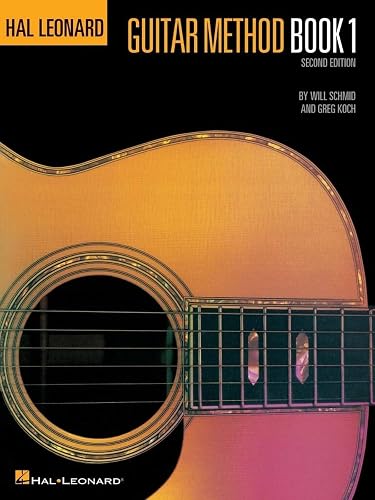 |  |  |  |  |  |  |  |  |  |
|---|---|---|---|---|---|---|---|---|---|---|
| Product | Hal Leonard Guitar Method | Teach Yourself Play Guitar | Essential Elements Guitar | Guitar Book Adult Beginners | Guitar for Beginners | Guitar For Dummies | Guitar Lessons Beginners | Learn Play Guitar Adults | Best Beginning Guitar Book | Beginner Electric Guitar Lessons |
| Best for | Top Pick | Runner-Up | Also Great | Best for Song Learning | — | — | — | Best for Adults | — | Best for Electric |
| More information | Price on Amazon | Price on Amazon | Price on Amazon | Price on Amazon | Price on Amazon | Price on Amazon | Price on Amazon | Price on Amazon | Price on Amazon | Price on Amazon |
1. Hal Leonard Guitar Method
Best for: Students and adults seeking a structured, reliable method.
This book offers a traditional approach to learning that includes a mix of chords, songs, and technical exercises. It’s designed to work for both acoustic and electric players, making it a versatile resource for a beginner who hasn’t yet decided on their preferred style.
The structure allows for steady progress, which is helpful for those who prefer a classroom-style learning experience. The listing doesn’t mention the book’s feedback mechanisms.
The listing doesn’t mention the book’s focus on printed material. The listing doesn’t mention audio or video content for this book.
Pros
- Covers both acoustic and electric guitar.
- Includes chords, songs, and technical exercises.
- Suitable for both adults and students.
Cons
- Lacks video or audio integration.
If you skip these, you’ll likely find the later songs impossible to play.
2. Teach Yourself Play Guitar
Best for: Beginners wanting a clear, step-by-step learning path.
This guide uses a step-by-step format that simplifies the learning process for acoustic and electric guitar players. By focusing on tablature, it allows beginners to start playing music without needing to read complex traditional notation immediately.
If you’re a student who wants to play songs quickly, use this book to bypass the initial hurdle of standard sheet music.
The book is written for a wide range of ages, including teens and adults. It isn’t for the learner who requires a heavy emphasis on music theory, as the focus here is on practical application. Avoid this guide if your primary goal is to master complex music theory or sight-reading skills, as those areas aren’t the priority.
Pros
- Uses easy-to-read tablature.
- Covers acoustic and electric guitars.
- Designed for all beginner age groups.
Cons
- No listed drawbacks in the provided data.
3. Essential Elements Guitar
Best for: Learners who value music theory integration.
This method weaves music theory into every practical lesson. It helps students understand the “why” behind the notes rather than just memorizing finger placements. You’ll find a steady stream of popular songs included to keep your practice sessions engaging while you build essential technical skills.
The step-by-step progression works well for self-taught students or those working alongside a teacher. If you prefer to skip theory entirely to focus exclusively on strumming chords, look elsewhere.
Beginners who prioritize a structured, academic path will find the most value here. Those seeking a quick-start guide focused only on popular riffs may find the theory-heavy approach slows their progress.
Pros
- Integrates music theory with practice.
- Includes popular songs for engagement.
- Suitable for students and teachers.
Cons
- No listed drawbacks in the provided data.
4. Guitar Book Adult Beginners
Best for adult learners who want to prioritize playing famous songs over repetitive, abstract exercises. This book integrates essential music theory and technique directly into the process of learning recognizable tracks.
The included streaming video lessons serve as a critical visual aid.
This guide is built for adults who need to see tangible progress to stay motivated. It isn’t suitable for children, as the pacing assumes a level of focus and patience specific to adult cognitive habits. If you prefer a purely text-based method, you’ll find the constant reference to video content distracting. However, if you learn best by watching a technique demonstrated before attempting it yourself, this hybrid approach will significantly shorten your initial learning curve.
5. Guitar for Beginners
Best for: Those who want to play a song quickly.
This book is built for the absolute beginner who wants to play their first song in one week. It removes the intimidation of starting an instrument by focusing on the most essential skills needed to make music immediately.
The quick-start nature of this guide is perfect for someone who is worried about losing interest before seeing results. If you need a structured path to finish a song within seven days, this is your primary tool. However, if you’re looking for a comprehensive manual on music theory or complex fingerstyle techniques, you’ll find this guide insufficient.
Many beginners make the mistake of buying encyclopedic volumes that lead to early burnout. They get lost in technical jargon before ever striking a chord. This book avoids that trap by prioritizing output over theory. If your goal is to master a single song quickly, follow this program. If your goal is to become a fluent musician over several years, use this as a starting point before moving to advanced curriculum.
Pros
- Designed for very fast results.
- Perfect for the absolute beginner.
- Removes intimidation from the process.
Cons
- Limited scope for long-term study.
6. Guitar For Dummies
Best for readers who want a comprehensive, all-in-one reference, this guide provides a deep dive into the instrument. It covers everything from basic maintenance to advanced techniques in a style accessible to anyone, regardless of prior musical knowledge.
Because it covers so much ground, it serves as a reliable reference book to keep on your shelf for years. Use this text if you prefer a structured, encyclopedic approach to learning that builds a foundation across multiple skill levels.
Avoid this book if you want a thin, minimalist guide to get started in a single afternoon. If you need immediate, bite-sized lessons to play your first song today, the sheer volume of this reference will likely overwhelm your progress.
When you encounter a specific technical hurdle, treat this book as a manual rather than a linear workbook. If you have some experience, jump directly to the advanced technique sections to refine your existing skills.
7. Guitar Lessons Beginners
Best for: Learners who prefer a multimedia approach.
This book comes with video and audio resources, which is excellent for those who learn best by seeing and hearing the music. With 50 songs included, there’s plenty of material to keep a student practicing for a long time.
The multimedia integration makes it easier to correct your own technique at home. You should choose this guide if you struggle to interpret written tablature alone and need to hear the rhythm or watch finger placement in real-time. If you find yourself guessing the tempo or articulation of a melody, these files provide the definitive reference you need to stay on track.
Relying solely on the printed text will cause you to miss the core value of this specific curriculum.
Pros
- Includes both video and audio.
- Contains 50 songs to learn.
- Good for visual and auditory learners.
Cons
- Requires device access for media.
8. Learn Play Guitar Adults
Best for: Adults seeking a guided, play-along experience.
This book focuses on step-by-step lessons specifically meant to be played along with. The inclusion of play-along songs helps the learner develop rhythm and timing, which are critical skills for any guitarist. If you struggle to maintain a steady beat while practicing alone, these tracks provide the necessary structure to keep your playing consistent.
The pacing is designed to respect the limited time many adults have for practice. You should choose this approach if you want to see tangible progress during short, focused sessions. However, this isn’t for the reader looking for a deep dive into complex music theory. If your goal is to understand the mathematical construction of scales or advanced chord substitutions, you’ll need supplementary materials.
Most beginners fail by attempting to memorize theory before they can physically play a song. By prioritizing the play-along experience, this book ensures you build muscle memory first. Use this method if you want to play music immediately; look elsewhere if you require formal academic instruction.
9. Best Beginning Guitar Book
Best for: Beginners who want a simple, straightforward method.
This book uses a simplified method to teach essential chords and techniques. It’s designed to take the confusion out of the early stages of learning, which is helpful for those who feel overwhelmed by complicated manuals.
If you struggle to identify where to place your fingers on the fretboard, this method provides the clarity needed to start playing immediately. Most beginners fail by attempting complex theory too early, which leads to frustration and quitting within the first month. By sticking to these core essentials, you build the muscle memory required for later success.
The focus is on making the learning process as easy as possible for teens and adults. It isn’t for the advanced player or someone looking for a wide variety of musical styles. If you seek mastery of specific genres like jazz or classical, this book will feel too restrictive. Use this text if your goal is basic competency; look elsewhere if you require technical depth.
10. Beginner Electric Guitar Lessons
Best for: Those exclusively interested in electric guitar.
This book is specifically tailored to the electric guitar, including lessons that make use of online video and audio. It addresses the unique techniques required for electric playing that aren’t always covered in acoustic-focused books.
Because it’s specialized, it’s the best choice for someone who knows they only want to play electric. If you’re still deciding between acoustic and electric instruments, choose a general method book instead. Picking this specialized volume before you’re certain can leave you without the foundational skills needed for an acoustic guitar later.
The inclusion of online video and audio components allows you to hear the exact tone and sustain expected from an electric instrument. Use these files to match your playback to the instructor’s timing.
Pros
- Specialized for electric guitar.
- Includes online video and audio.
- Covers specific electric techniques.
Cons
- Too narrow for acoustic learners.
- Lacks versatility for those exploring different guitar styles.
How to Choose in Sixty Seconds
Which teaching style should I choose?
You should choose a teaching style based on your personal motivation. If you want to play a song quickly, look for a guide that focuses on “quick-start” methods or song-based learning, such as Guitar for Beginners. If you’re a student who wants to master the instrument properly, a comprehensive method like Hal Leonard Guitar Method is a better fit. Always check if the book includes multimedia like video or audio, as these resources are often the best way to learn the nuances of rhythm and hand placement that are hard to describe in text alone. Decide if you want to learn music theory or just play songs, as this will narrow down your list significantly.
Do I need a book with video and audio?
While not strictly necessary, books with video and audio are often easier to use for self-taught students. Being able to hear exactly how a chord should sound or see how a finger should move helps prevent bad habits. If you’re a visual learner, choose a book like Guitar Lessons Beginners or Beginner Electric Guitar Lessons. If you prefer to focus solely on reading music notation and tablature, a text-based book might be less distracting. Consider your own learning habits; if you find yourself struggling to follow written instructions for rhythm or timing, a book with integrated audio is a smart investment that will save you time in the long run.
Is it better to focus on one book or many?
It’s usually better to start with one solid, comprehensive book and stick with it until you have mastered the basics. Jumping between too many different methods can lead to confusion because different books use different terminology and pacing. Pick one that matches your specific goal—such as learning electric guitar or understanding theory—and finish it. Once you have a strong foundation, you can move on to other materials to expand your knowledge. If you get stuck, use your book’s resources to practice the same section until you’re comfortable. Consistency is more important than having a large library of books you haven’t finished.
Frequently Asked Questions
What equipment do I need to work with these books?
You need a guitar in good working order and a quiet practice space to get the most out of these books. Many methods include digital files requiring a computer or smartphone for access. Check your specific book listing to see if accessories like an amplifier or tuner are required.
What does consistent practice look like for a beginner?
Consistent practice means spending a small amount of time every day rather than cramming into one infrequent session. Daily practice is essential to build the muscle memory required for new players. Use your book to guide these sessions, starting with the chords or exercises in the first few chapters.
What is the first thing that usually goes wrong for beginners?
The most common issue for beginners is finger soreness and frustration with chord transitions. It’s normal for your fingertips to feel sensitive when you first start pressing down on the strings. Another common mistake is trying to play too fast before you have mastered the basic finger placement for a chord. Your book is a tool, so use it to go back and repeat lessons as often as you need.
Is the simplest book on the list enough to get me started?
A simple book is the best way to start because it avoids the complexity that leads to early discouragement. Titles like Best Beginning Guitar Book focus on the essential chords and strumming patterns needed to play your first song. Master these basics before moving on to more comprehensive reference books.
Closing
For most learners, the Hal Leonard Guitar Method stands out as the most reliable, well-rounded choice for starting your journey. If you’re an adult who wants a more tailored experience with play-along songs, Learn Play Guitar Adults is a fantastic alternative that keeps the process engaging.
If you struggle with consistency, choose a book that promises rapid results, such as the seven-day approach for your first song or the ten-minute daily exercise guide. These are best for those who fear burnout. If you prefer a visual guide, prioritize books that include streaming video or audio, such as the lessons for electric guitar or those designed for kids and teens.
Regardless of the path you choose, the most important thing is to pick a book that fits your specific goal and stick to a daily practice routine. Whether you’re interested in electric or acoustic playing, focusing on one structured method will provide the foundation you need to keep progressing. Once you have your book, clear a quiet space, set aside time for practice, and start with the first lesson today.