Finding the best stainless steel soil scoop for gardening for your gardening kit isn’t about picking the one with the most bells and whistles. It’s about matching the scoop’s design to your specific workflow, whether you’re filling tiny seed trays or moving heavy compost into large garden beds. Factors like handle comfort, bowl capacity, and the presence of serrated edges for cutting through roots will define your experience. While some tools prioritize sheer volume for quick potting, others focus on ergonomic grip or precision for delicate transplanting. The Haliaeetus Potting Soil Scoop is often the go-to for general potting tasks, whereas the Garden Works Original Scoop is the choice for those needing to slice through tough roots in the ground.
All 10 products side by side — scroll sideways to see every column.
| Best Choice | ||||||||||
| Preview |  |  | 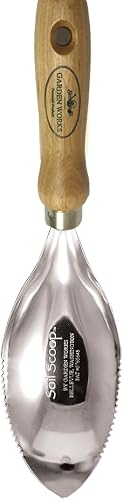 |  |  |  |  |  |  |  |
|---|---|---|---|---|---|---|---|---|---|---|
| Product | Haliaeetus Potting Soil Scoop | Edward Tools Soil Scoop | Garden Works Original Scoop | AMES Stainless Soil Scoop | Burpee Stainless Soil Scoop | Corona ComfortGEL Soil Scoop | Oversized Wood Handle Scoop | Barebones Garden Scoop | Garden Guru Stainless Trowel | Saihisday Bonsai Scoop |
| Brand | Haliaeetus | Edward Tools | Garden Works | AMES | Burpee | Corona Clipper | Berry&Bird | Barebones | Garden Guru Lawn & Garden Tools | Saihisday |
| Best for | Best Overall | Highest Capacity | Most Durable Design | Best Ergonomic Grip | Best Traditional Build | Most Comfortable Handle | Best Wood Handle | Best for Transplanting | Best Heavy Duty | Best for Bonsai |
| The listing says | Stainless steel resists bending and corrosion Ergonomic wooden handle reduces hand strain | Twice as large as leading brands Ergonomic comfort grip handle | 18 Gauge stainless steel blade Stainless steel and wooden construction | Used for soil and fertilizer Handle includes gel cushion insert | Stainless steel head with oak handle High back keeps mixes in place | Large metal scoop capacity Premium rust-resistant stainless steel | Wide and deep stainless steel bowl Mirror polished anti-rust blade | Wide scoop-shaped blade Mirror polished stainless steel head | Used for planting and mixing soil Thick rust-resistant stainless steel blade | Ideal for transplanting and weeding Durable stainless steel construction |
| More information | Price on Amazon | Price on Amazon | Price on Amazon | Price on Amazon | Price on Amazon | Price on Amazon | Price on Amazon | Price on Amazon | Price on Amazon | Price on Amazon |
1. Haliaeetus Potting Soil Scoop
Best for: Someone who spends a lot of time repotting indoor plants.
This scoop is built for those who find standard trowels spill too much dirt between the bag and the pot. Its one-cup volume helps you move material quickly, making it a solid choice for filling containers without constant back-and-forth trips. The wooden handle is sanded for a smooth finish, which is helpful if you prefer gardening without gloves.
The stainless steel construction is designed to resist bending under the weight of loose soil or compost. The listing doesn’t mention if this tool is intended for heavy-duty digging in hard, rocky ground. If you primarily work with potting mixes and indoor containers, the depth of the bowl will keep your workspace much tidier.
Good if:
- You want a deep bowl to reduce soil spillage.
- You prefer a smooth, polished wooden grip.
- You need a tool backed by a lifetime warranty.
Skip it if:
- You need to cut through thick, established root systems.
- You require a tool for heavy-duty excavation in hard dirt.
2. Edward Tools Soil Scoop
Best for: Someone who needs to move large volumes of material quickly.
This tool is built for speed and efficiency, especially when you have a lot of potting or soil moving to do. Its design is significantly larger than many standard trowels, allowing you to move double the volume of soil, fertilizer, or even pet food in one go. The curved shaft is intended to make the scooping motion more natural for your wrist.
Because it’s made from stainless steel, it’s designed to be rust-proof and bend-proof even when handling heavy loads. It’s a utilitarian choice for someone who prioritizes capacity over fine detail work. This scoop isn’t designed for delicate tasks like small-scale transplanting, as its large size can make precision difficult in tight spaces.
Good if:
- You want to move large amounts of soil fast.
- You need a rust-proof stainless steel tool.
- You prefer an ergonomic, comfort-focused handle.
Skip it if:
- You work mostly with small, narrow-necked pots.
- You need a tool for intricate, precision planting.
3. Garden Works Original Soil Scoop™
Best for: A gardener who needs to cut through roots and compact soil.
This scoop stands out because of its integrated serrated edges. These allow you to slice through root systems or compacted ground without needing a separate knife or saw. It’s a versatile choice for someone who does a mix of transplanting and digging in established garden beds.
The 18-gauge stainless steel construction provides the necessary leverage for firmer ground. Its compact 13.13″ x 2.88″ x 3″ profile is designed for accuracy, ensuring you only dig the hole you need rather than disturbing surrounding plants. If you find your current trowel bends when hitting rocky earth, the steel blade here offers the rigidity required to drive into stubborn ground.
This isn’t the tool for someone who needs to move massive amounts of loose potting soil. The bowl is shaped for precision rather than high volume. Use this tool when you must navigate between established stems. If you’re working in an open, empty container, a wider scoop will save you time.
Good if:
- You need to cut through roots while planting.
- You want a tool made with domestic manufacturing standards.
- You prefer a compact design for tight garden spaces.
Skip it if:
- You’re only moving loose soil between pots.
- You need the largest possible capacity for bulk work.
4. AMES 2445400 Stainless Steel Hand Soil Scoop with Ergo Gel
Best for: Someone who experiences hand fatigue during long gardening sessions.
This tool features a unique gel insert in the handle, which is designed to cushion your hand while you work. It’s a practical choice for container gardening where you might be scooping and filling for extended periods. The stainless steel head ensures the tool remains durable and rust-resistant, even when exposed to moisture.
The 13-inch size is specifically tailored for container gardening, making it easy to maneuver in smaller spaces. If you’re working with large, deep pots, this length provides the reach needed to navigate around existing stems without damaging them. However, if your tasks involve moving heavy bags of mulch or bulk compost, the smaller head capacity will force you to make more trips.
While it offers excellent comfort, it lacks the specialized serrated edges or massive capacity found in specialized landscaping models. Use this tool for precision tasks like potting or fertilizing. If you need to slice through tough, compacted roots or break up heavy, clay-dense ground, choose a forged steel trowel instead. This scoop is a straightforward, comfortable tool for general maintenance rather than heavy-duty landscaping.
Good if:
- You want extra cushioning for your hands.
- You do a lot of container gardening.
- You need a tool with a convenient hang-up hole.
Skip it if:
- You need to slice through tough, compacted roots.
- You’re looking for maximum soil-holding capacity.
5. Burpee 15″ Stainless Steel Soil Scoop
Best for: A gardener who values traditional materials and a classic feel.
This scoop combines a polished stainless steel head with an oak handle, giving it a classic, sturdy feel. It includes a leather wrist strap, which makes it easy to hang in your shed or garage. The high-back design of the scoop is intentional, helping to keep soil and compost from spilling as you move it.
It’s designed to be a durable companion for general potting tasks. The handle is contoured to fit the hand, which helps reduce strain during use. While it’s a high-quality tool, it doesn’t have the specialized features like serrated edges or gel grips that some other models offer, making it a more traditional, no-frills option.
If you’re working with heavy, compacted soil, rely on the bend-proof stainless steel head to maintain its shape. The 13-inch total length provides enough leverage for quick work, while the 5-inch handle keeps your grip secure.
Choose this tool if you want a reliable, rust-resistant implement that avoids the complexity of modern plastic or rubberized components. It’s the right pick for potting and moving compost where spill prevention matters most. If you need to cut through tough roots or require a soft-touch grip for long sessions, look elsewhere.
Good if:
- You appreciate classic, high-quality wood and steel construction.
- You want a tool with a leather strap for storage.
- You prefer a high-back design to prevent spills.
Skip it if:
- You need specific ergonomic features like gel grips.
- You require serrated edges for cutting through roots.
6. Corona Tools Corona CT 3364 Premium ComfortGEL Stainless Steel Scoop
Best for: Someone who needs a secure grip and extra hand protection.
The standout feature of this scoop is the ComfortGEL grip, designed to provide lasting comfort and control during repetitive tasks. It also includes a finger guard, a critical addition if you worry about your hand slipping toward the metal head while digging. The wide, reinforced tang adds structural strength to the connection between the handle and the scoop, ensuring the tool doesn’t bend under pressure.
This tool is built for those who prioritize safety and a secure hold. It’s well-suited for general scooping and soil management. If you’re moving loose potting mix or transferring compost, the large metal scoop offers maximum holding power. Because the design is focused on the handle and grip, it’s less specialized for cutting tough roots or massive bulk transport, but it remains a reliable choice for everyday garden tasks.
The stainless steel construction ensures the tool won’t rust, even if left in damp soil. Choose this model if you want the durability of steel paired with ergonomic support. If you require a tool for heavy-duty excavation or prying, look for a model with a sharpened blade rather than this rounded scoop.
Good if:
- You want a finger guard for added safety.
- You prefer a soft, comfortable gel grip.
- You need a tool with a reinforced tang.
Skip it if:
- You prefer a traditional wooden handle.
- You need an exceptionally large bowl for bulk work.
7. Oversized Wood Handle Scoop
Best for: Someone who wants a balance of large capacity and natural aesthetics.
This scoop features a wide, deep bowl that’s designed to hold a significant amount of soil or compost. It’s crafted with an FSC-certified ash wood handle, appealing to those who prefer sustainably sourced materials. The mirror-polished surface is intended to reduce dirt adhesion, making it easier to rinse off after a long day in the garden.
The tool is versatile enough for potting, transplanting, and shifting compost. It’s a great middle-ground option: it has more capacity than a standard trowel but maintains a classic look. However, it lacks the specialized serrated edges for cutting through roots, so it’s best suited for loose soil rather than hard, compacted ground.
Good if:
- You want a high-capacity scoop made with sustainable wood.
- You like a polished surface that’s easy to clean.
- You need a tool with a built-in leather loop.
Skip it if:
- You need to cut through tough root systems.
- You prefer a gel-based ergonomic grip.
8. Barebones Garden Scoop
Best for: A gardener who needs a versatile tool for transplanting.
This tool is shaped like a deep spoon, which makes it very effective for transplanting seedlings or digging in small areas. The mirror-polished stainless steel head helps minimize dirt adhesion, and the ash handle provides a natural, ergonomic grip. It’s designed to be a multipurpose tool for digging, loosening, and planting.
While it’s excellent for precision transplanting, the scoop-shaped blade is smaller than the bulk-moving models. This makes it ideal for delicate work but less efficient if you have many large pots to fill at once. It’s a solid choice for someone who does a lot of fine-tuning in their garden beds.
If you’re working with seedlings or delicate root systems, use the scoop to move soil with minimal disturbance. If you’re handling heavy composting or large-scale bed preparation, reach for a larger spade instead. The listing doesn’t mention the handle’s durability under heavy-duty digging.
Good if:
- You need a versatile tool for transplanting and digging.
- You want a polish that resists dirt.
- You prefer a naturally sourced ash handle.
Skip it if:
- You need to fill large containers quickly.
- You require a tool for heavy-duty, large-scale digging.
9. Garden Guru Heavy Duty Garden Trowel Hand Shovel
Best for: Someone who needs a rugged tool for heavy-duty tasks.
This is a heavy-duty trowel that goes beyond simple scooping. It features a thick, concave stainless steel blade built for digging, removing weeds, and mixing soil. The handle includes a thumb rest and finger grooves, aiming for a secure grip that minimizes hand fatigue.
If you’re digging in rocky soil or removing deep-rooted weeds, the thick blade provides the necessary leverage. Use this tool for high-resistance tasks like transplanting or scooping heavy fertilizer. If your work involves delicate, small-scale potting, this tool may feel too aggressive. Choose a lighter, narrower scoop when precision is more important than raw strength.
The manufacturer emphasizes environmental responsibility, making this a smart choice if you prefer tools with a smaller carbon footprint. The product is certified carbon neutral, with all emissions offset from manufacturing to the end of its lifecycle. As a member of 1% For The Planet, the brand also works to replenish resources.
Good if:
- You need a durable tool for digging or weeding.
- You want a handle with an ergonomic thumb rest.
- You prefer products with a focus on environmental impact.
Skip it if:
- You only need a light tool for gentle potting.
- You prefer a classic, simple wooden handle.
- You require a fine-tipped tool for delicate, small-scale work.
10. Saihisday Stainless Steel Bonsai Scoops Garden Planting Tool Bucket Shovel
Best for: Bonsai enthusiasts and those working with succulents.
These scoops come in a set of three different sizes, which is perfect if you work with various pot sizes. They’re specifically designed for Bonsai and succulent work, making it easy to add soil around the edges of crowded pots. The stainless steel structure is solid, even though the scoops are smaller than the standard garden varieties.
If you’re transplanting delicate vegetable seedlings or cacti, reach for the smallest scoop to maintain precision. Use the larger options when filling pots to ensure you don’t spill soil over the sides. The listing notes these tools are suitable for scooping pet food.
While they’re excellent for precise, indoor, or small-scale gardening, they aren’t intended for heavy yard work. You wouldn’t use these to dig a hole for a tree, but they’re essential for anyone who maintains small, decorative plants where standard trowels are too cumbersome.
Good if:
- You need multiple sizes for different pots.
- You specialize in Bonsai or succulents.
- You need to work in very tight spaces.
Skip it if:
- You need to move bulk compost or large amounts of soil.
- You need a tool for heavy-duty digging.
Where These Overlap
Many of these scoops share a common foundation: polished stainless steel heads that resist rust and bending. If you compare the Burpee Stainless Soil Scoop, the Oversized Wood Handle Scoop, and the Haliaeetus Potting Soil Scoop, you’ll find they’re very close in their intended use. All three favor a traditional aesthetic with wooden handles and deep bowls. The main difference between them often comes down to the specific wood type, the presence of a leather hanging loop, or subtle differences in the bowl’s depth.
For the average gardener, any of these will serve well for potting and transplanting. The choice between them is more about your personal preference for the feel of the wood or the specific shape of the handle. However, the category genuinely splits when you look at the specialized tools. The Garden Works Original Scoop and the Garden Guru Stainless Trowel are clearly built for tougher, more aggressive jobs, while the Saihisday Bonsai Scoop is intended for the opposite end of the spectrum. When choosing, consider if you’re maintaining a landscape or a collection of small containers. According to the Environmental Protection Agency, managing your soil and compost effectively is a key part of sustainable gardening, and having the right tool for that specific medium makes the process easier.
Still Not Sure?
How often will I really use it?
If you only repot a few plants once a year, a basic, durable scoop like the Burpee Stainless Soil Scoop will last a lifetime. You don’t need the extra-large capacity or the specialized serrated edges. However, if you’re a daily gardener who manages a greenhouse or dozens of pots, you should look for comfort features like the gel grip on the Corona ComfortGEL Soil Scoop. Frequent use highlights the importance of ergonomic design.
What do I already own that this has to work with?
Think about your existing tool set. If you already have a sturdy trowel for digging, you don’t need the Garden Guru Stainless Trowel. Instead, you should complement it with a specialized potting scoop like the Haliaeetus Potting Soil Scoop. If you already have a small shovel but find it spills soil constantly, the high-back design of the Burpee Stainless Soil Scoop will solve that specific problem without replacing your entire kit.
What am I most likely to regret choosing?
The most common regret is choosing a tool that’s either too large or too small for your specific pots. If you buy the Edward Tools Soil Scoop for small succulent pots, you’ll find it impossible to use. Conversely, if you buy the Saihisday Bonsai Scoop for filling large garden planters, you’ll be frustrated by how long it takes. Always match the tool size to the container size you use most often.
Frequently Asked Questions
Which stainless steel scoop is best for cutting through tough roots?
The Garden Works Original Scoop is designed for this task with integrated serrated edges. These edges allow you to slice through root systems and compacted ground while you dig. This feature is necessary for efficiency when working in an established garden bed.
Can I use these scoops for tasks other than gardening?
Yes, many of these tools are versatile enough for tasks beyond moving potting soil. The Edward Tools Soil Scoop and Saihisday Bonsai Scoop are often used for pet food or fertilizer. Ensure the material handled is not corrosive to stainless steel.
Do I need to worry about the handles rotting over time?
Most wooden handles listed are finished to resist the elements, but they require basic care. Keeping them dry and storing them indoors will significantly extend their life. The AMES Stainless Soil Scoop offers a synthetic gel grip if you prefer rot-resistant materials.
How do I choose the right size for my containers?
Choose a scoop size proportional to your pot openings. Small-scale tools like the Saihisday Bonsai Scoop set are ideal for bonsai, while medium-to-large scoops like the Burpee Stainless Soil Scoop suit standard pots. High-capacity tools like the Edward Tools Soil Scoop are best for large beds.
Conclusion
Choosing the right tool makes your time in the dirt much more enjoyable. Once you’ve picked your favorite, head out to the shed and clear some space for your new addition. You’ll find that a sturdy, reliable scoop doesn’t just save your hands; it’s a simple upgrade that’ll last for years.