Choosing the best shade plants depends on your USDA hardiness zone and light levels, with most buyers selecting between Hosta Mixed Bare Roots for low-maintenance greenery or Crimson Sky Caladium Bulbs for bold, vibrant color. Whether you prefer hardy perennials or instant foliage, matching these options to your specific garden goals ensures a successful display.
All 10 products side by side — scroll sideways to see every column.
| Top Pick | Best for Moist Soil | Also Great | Best for Pollinators | Best for Leaf Variety | Best for Textured Foliage | Best for Windowsills | Best for Vertical Interest | Best for Borders | ||
| Preview |  |  |  |  |  |  |  |  | 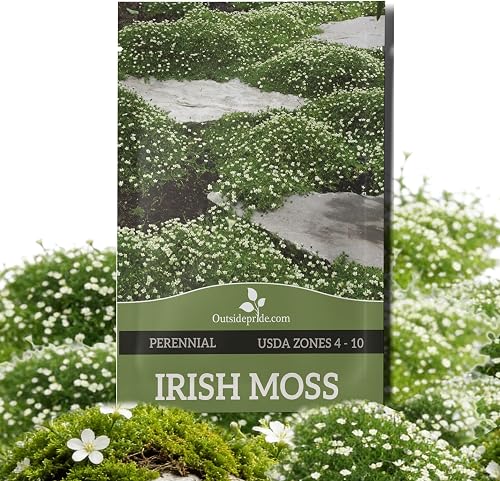 |  |
|---|---|---|---|---|---|---|---|---|---|---|
| Product | Hosta Mixed Bare Roots | Crimson Sky Caladium Bulbs | Encore Azalea Live Plant | Shade Tolerant Wildflower Seeds | Rainbow Coleus Seeds | Mixed Heuchera Live Plants | Purple Shamrock Oxalis Bulbs | Cinnamon Fern Roots | Irish Moss Seeds | Solomon's Seal Seeds |
| Brand | Touch Of ECO | CZ Grain | PERFECT PLANTS | FAMILY SOWN | Sow Right Seeds | CZ Grain | KCT GARDEN | Generic | Outsidepride | BuggyBeds |
| Best for | Best Overall | Best for Moist Soil | Also Great | Best for Pollinators | Best for Leaf Variety | Best for Textured Foliage | Best for Windowsills | Best for Vertical Interest | — | Best for Borders |
| The listing says | Pack of 6 bare root hostas Plant in fall or early spring | Six crimson red caladium tubers Space tubers 8–12 inches apart | Not for California or Arizona residents Red funnel-shaped flowers bloom repeatedly | Contains 14,000 wildflower seeds Curated mix for limited sunlight areas | Coleus Rainbow Mix seeds Grows 18-30” tall, 8-12” spread | 5 live Heuchera starter plugs Assorted purple, burgundy, and lime foliage | 12 dormant Oxalis triangularis bulbs Deep purple leaves with lavender flowers | 5 Cinnamon Fern roots Golden-brown fertile fronds emerge in spring | Mat-forming perennial ground cover Grows 1-2 inches tall | White bell-shaped flowers on arching stems Thrives in partial to full shade |
| More information | Price on Amazon | Price on Amazon | Price on Amazon | Price on Amazon | Price on Amazon | Price on Amazon | Price on Amazon | Price on Amazon | Price on Amazon | Price on Amazon |
1. Hosta Mixed Bare Roots
Best for: A gardener wanting low-maintenance perennials that return every single year.
These plants are a staple for shade because they’re hardy in zones 3-9 and grow into reliable, lush clumps. Because they arrive as dormant bare roots, they need a little patience while they settle into the soil. Once established, the heart-shaped foliage fills in shady beds or borders, providing consistent greenery through the season.
They’re easy to grow if you plant the crown at soil level, but they aren’t for someone who wants immediate, full-sized foliage the day they arrive. Since they ship dormant, you’ll need to wait for the weather to warm up before you see the new shoots emerge.
If your ground is already frozen when your shipment arrives, don’t force the planting. Keep the roots in their bag in a cool spot between 35-45°F and wait to plant in early spring. If the ground can still be worked, plant them in the fall so the roots settle in over the winter.
Good if:
- You want a plant that returns reliably each season.
- You need something for a shady border or under trees.
- You’re a beginner looking for an easy-care garden addition.
Skip it if:
- You want a plant that looks finished and full immediately.
- You have no patience for dormant planting cycles.
2. Crimson Sky Caladium Bulbs
Best for: Adding a focused, vibrant splash of red color to shaded areas.
Caladiums are prized for their dramatic, colorful leaves rather than flowers. The six tubers allow you to create a specific focal point in a planter or a small garden bed. You must wait for the soil to warm up completely before planting to avoid rot, which makes them a true warm-season project.
Plant these tubers with the knobby side facing up, burying them about 2 inches deep. If you’re planting them directly into a garden bed, space each tuber 8–12 inches apart. This ensures the leaves have enough room to develop without crowding.
These are tender perennials, meaning they aren’t for gardeners who want a plant that stays in the ground through a freezing winter. In cold climates, you’ll need to lift and store the tubers before the first frost arrives. If you leave them in cold, damp soil, you risk losing the bulbs entirely.
Good if:
- You want bold, red-toned foliage in a dark corner.
- You’re comfortable with seasonal planting and storage.
- You have a container with good drainage for your patio.
Skip it if:
- You live in a region with very cold, long winters.
- You’re looking for a plant that provides spring flowers.
3. Perfect Plants Autumn Bonfire Encore Azalea
Best for: A gardener who wants a flowering shrub with year-round presence.
This evergreen shrub provides both lush green foliage and repeat blooms from spring through winter. It’s a great choice for mass planting or as a structured accent piece in your landscape. Because it’s a 1-gallon live plant, it offers an immediate, established look that seeds or bare roots can’t match.
Expect a mature height and spread of 3 feet. While the plant is drought-tolerant once established, it requires 4-6 hours of sun and moist, well-drained, slightly acidic soil to thrive.
Apply fertilizer every spring to ensure the brightest red, semi-double flowers. Skipping this step often results in fewer blooms during the later months.
It isn’t for residents of California or Arizona due to state shipping restrictions.
Good if:
- You want a shrub that keeps its leaves all winter.
- You enjoy frequent, funnel-shaped flowers in bright red.
- You want a plant that’s already established in a pot.
Skip it if:
- You live in California or Arizona.
- You have an area with very deep, total shade.
4. Shade Tolerant Wildflower Seeds
Best for: Someone wanting to create a natural, pollinator-friendly woodland sanctuary.
This mix contains 14,000 seeds designed to thrive in spots with limited light, such as tree lines or woodland borders. It’s a forgiving, low-maintenance option that’s excellent for new gardeners who want a more natural, informal look. The seeds are freshly processed and packed for the 2026 season to ensure strong germination.
These seeds require the filtered light typical of woodland edges to bloom effectively. If your area receives zero light, these will struggle; look for sites that offer at least dappled sun throughout the day.
This isn’t for someone who wants a structured or manicured garden design. Because it’s a wildflower mix, the results will appear more like a natural meadow than a formal flower bed.
Good if:
- You want to attract bees and butterflies to your yard.
- You have a large, dim corner that needs filling.
- You prefer a natural, soft look over formal rows.
Skip it if:
- You prefer a highly controlled, geometric garden layout.
- You need a fast, single-plant solution for a small pot.
5. Rainbow Coleus Seeds
Best for: Gardeners who want a wide variety of leaf colors in one packet.
Coleus is a fun, tropical plant that offers a stunning array of maroon, pink, red, and yellow shades. With about 800 seeds in a packet, you get plenty of material to fill containers or beds. They germinate quickly in warm soil and provide a unique, felt-like texture to your space.
Success depends on precise temperature control. If your soil stays below 70°F, germination will likely fail. You must keep the soil between 70-75°F for the 10-14 day window to see results.
These plants are tender perennials. If you live in an area with freezing winters, treat them as annuals or move your pots indoors before the first frost. While they thrive in partial shade, they won’t survive year-round outdoor exposure in cooler climates.
Good if:
- You love vibrant, multi-colored foliage.
- You want the flexibility to grow indoors or outdoors.
- You enjoy starting plants from seed for a large display.
Skip it if:
- You can’t provide the warmth needed for germination.
- You want a plant that survives harsh winters outdoors.
6. Mixed Heuchera Live Plants
Best for: Creating texture and contrast in a partially shaded garden bed.
These live starter plugs are selected to provide a mix of colors like purple, plum, burgundy, rose, lime green, chartreuse, bronze, and silver. Heuchera is prized specifically for its scalloped, textured leaves that look good for the entire growing season. Because they come as established plugs, they’re easier to handle than tiny seeds.
If you’re choosing a planting spot, aim for partial shade. Deep, dark corners often lack the light required for these plants to maintain their vibrant foliage colors. While established plants may produce delicate flower spikes, you should view these as a secondary feature. If you prioritize large, showy blooms, you’ll likely be disappointed, as the primary value here is the foliage.
Good if:
- You want a variety of foliage colors in one purchase.
- You value interesting leaf textures for your garden.
- You prefer starting with established live plugs.
Skip it if:
- You’re looking for big, bright flowers.
- You only have access to very dark, deep shade.
- You need a plant that relies on blooms for color rather than textured leaves.
7. Purple Shamrock Oxalis Bulbs
Best for: A gardener who wants a unique, deep purple accent for a windowsill.
The deep purple, triangular leaves of this plant stand out beautifully against typical green houseplants. You receive 12 dormant bulbs, also called rhizomes, which provide enough density for a thick, vibrant display in a single pot.
Place these bulbs in loose, moist soil soon after they arrive. If your soil remains soggy, the bulbs may struggle, so ensure your container has proper drainage. While these thrive in bright light, they react to their environment: bright light keeps the purple pigment rich, while deep shade causes the foliage to lose its intensity.
It isn’t for someone who wants a plant that stays the same year-round. These bulbs naturally slow down during winter months.
Good if:
- You want a striking, deep-purple indoor or outdoor plant.
- You enjoy watching delicate pink flowers rise above foliage.
- You have a bright spot on a windowsill.
Skip it if:
- You only have dark, deep shade to offer.
- You want a plant that remains active in the winter.
8. Cinnamon Fern Roots
Best for: Transforming wet, boggy areas into a lush, tropical-looking sanctuary.
These ferns are architectural giants that provide dramatic vertical interest. They’re perfect for those difficult, consistently moist spots in a garden where other plants might struggle or rot. The unique golden-brown plumes that appear in spring offer a special, seasonal visual treat.
If your soil drains quickly, these ferns will fail. They require constant moisture to survive, so avoid planting them in standard, well-draining garden beds.
Use these rhizomes to turn problem areas into focal points. Their massive, arching fronds create a canopy effect, effectively transforming dark corners into an exotic, jungle-like space.
Good if:
- You have a wet, boggy, or pond-side garden area.
- You want a dramatic, tall, tropical look.
- You appreciate seasonal changes in foliage and plumes.
Skip it if:
- Your garden is dry or has fast-draining soil.
- You have a very small space that can’t fit a large plant.
9. Outsidepride Irish Moss Ground Cover Seeds
Best for: Filling gaps between stones or creating a soft, green pathway.
This is a perfect low-growing ground cover that stays only 1-2 inches tall. It creates a dense, carpet-like mat that’s perfect for rock gardens or lawn alternatives in shady, low-traffic areas. It’s very adaptable and can handle both partial shade and sun.
Use this plant when you need a filler that survives the winter, as its perennial nature ensures it returns each year. If you’re planting between pavers, ensure the soil remains moist and well-drained. This helps the moss retain its soft, carpet-like texture throughout the season.
It isn’t for high-traffic areas where you walk frequently, as it’s a delicate, moss-like plant. It also needs consistent moisture to thrive, so it isn’t for a gardener who forgets to water.
Good if:
- You need a soft, low-growing filler for stone paths.
- You want a lawn alternative for a shady, quiet spot.
- You want a plant that adds white blooms in spring.
Skip it if:
- You have a high-traffic area with heavy foot traffic.
- You live in an area with very dry, hot summers.
10. Solomon’s Seal Seeds
Best for: Adding an elegant, sophisticated touch to a woodland-style garden.
The arching stems and pendulous white flowers of this plant create a refined, classic look. It’s an ideal perennial for low-light environments, specifically under trees or near walls where other flowers fail. Once established, these hardy plants return year after year, developing into lush clumps of deep green foliage. This structural beauty persists throughout the growing season until the first frost.
If you’re planting in a hot, dry, or full-sun site, choose another variety. These seeds require cool, moist spots to thrive. You should also avoid this plant if you need an aggressive grower to fill space quickly.
Use these 18 high-quality seeds to start a collection for naturalized borders or decorative ground cover. If you have a shaded area, these plants provide the unique vertical texture and architectural interest that standard flowers can’t match.
Good if:
- You want a classic, elegant look for a woodland bed.
- You have a cool, moist, and shady spot under trees.
- You want a perennial that’s reliable and long-lasting.
Skip it if:
- You need a plant that fills space very quickly.
- You have a hot, dry, or full-sun garden site.
Where These Overlap
In the world of shade-loving plants, many of our choices overlap in how they function. Hosta Mixed Bare Roots, Mixed Heuchera Live Plants, and Solomon’s Seal Seeds are all classic perennial choices that prioritize lush foliage and reliability. If you’re looking for a permanent, recurring garden feature, these are the most similar in terms of maintenance and long-term behavior. They all thrive in cool, moist, shady conditions and are designed to return year after year.
However, the differences become clear when you look at your specific needs. If you need a structural, architectural giant for a wet spot, the Cinnamon Fern Roots are in a league of their own. Conversely, if you want quick, seasonal color, the Crimson Sky Caladium Bulbs and Rainbow Coleus Seeds are far more effective than the perennials. The choice between these groups comes down to whether you’re building a permanent, low-maintenance foundation or adding temporary, high-impact color. For those interested in the science of light, the USDA Forest Service provides excellent resources on how plants adapt to different canopy densities.
Still Not Sure?
How much time do I actually have for maintenance?
If you’re a busy gardener who wants to “plant and forget,” you should look for hardy perennials. The Hosta Mixed Bare Roots and Solomon’s Seal Seeds are excellent because they’re designed to return every year without needing you to dig them up or store them. If you enjoy the process of starting seeds or managing seasonal tubers, you might enjoy the Rainbow Coleus Seeds or Crimson Sky Caladium Bulbs. Be honest about your schedule; if you struggle to keep up with watering, choose something like the Hosta Mixed Bare Roots.
What do I already have in my garden?
Look at your current garden setup before you buy. If you have a damp, boggy area near a pond, the Cinnamon Fern Roots will turn a problem spot into a feature. If you have stone pavers or a rock garden, the Irish Moss Seeds are a perfect fit for filling those gaps. If you have a blank bed under a tree, the Mixed Heuchera Live Plants will add color and texture where grass won’t grow. Match the plant to your existing soil and structure to ensure the highest success rate.
Which look will I regret missing?
Think about the “vibe” you want. If you want a lush, mysterious, jungle-like atmosphere, the Cinnamon Fern Roots or the rich purple of the Purple Shamrock Oxalis Bulbs will give you that. If you want a bright, cheerful, informal space, the Shade Tolerant Wildflower Seeds or the colorful Rainbow Coleus Seeds are better. Regret usually comes from picking a plant that requires more care than you can provide, or one that doesn’t match the style of your home. If you want a sophisticated, classic look, start with Solomon’s Seal Seeds.
The choice between these plants comes down to whether you want a permanent, low-maintenance perennial or a high-impact, seasonal splash of color. For a reliable, evergreen presence that returns every year, Hosta Mixed Bare Roots remain a top choice for most shade gardeners. If you prefer a bold, artistic color display, Crimson Sky Caladium Bulbs offer the best foliage impact. Assess your soil moisture and the time you have for seasonal care, then choose the option that fits your specific garden spot. If you’re still undecided, start with one small pack of perennials to see how they perform in your soil.
Frequently Asked Questions
How do I know if my garden spot is truly “shade”?
A shade garden usually receives less than four hours of direct sunlight, or it gets only filtered, dappled light throughout the day. Most of the plants listed here, such as Hosta Mixed Bare Roots and Solomon’s Seal Seeds, thrive in these conditions.
Can I mix these different plants together in one bed?
Yes, you can mix these plants if you group them by their specific moisture requirements. Cinnamon Ferns need consistently moist soil, while Crimson Sky Caladiums require well-draining soil to prevent rot. Always verify individual needs to ensure your plants thrive together without competing for resources.
Should I plant my bare roots or bulbs immediately upon arrival?
Yes, you should plant dormant roots and bulbs as soon as possible after they arrive. These products are shipped dormant to protect them, but they can dry out if left in their packaging for too long. If frozen ground prevents immediate planting, store them in a cool, dark place.
Do these shade plants require special fertilizer?
Many of these plants benefit from a balanced, slow-release fertilizer applied in the spring, but it isn’t always strictly necessary. For a flowering shrub like the Encore Azalea Live Plant, a spring application helps encourage better blooming. Always read the specific instructions included with your product, as each type has different nutritional needs.
Conclusion
Once you’ve picked your favorites, take a walk through your yard to spot the darkest corners that need a little life. You’ll be surprised how quickly these plants transform a dull area into a lush retreat. Don’t wait for the perfect season; grab your trowel and start planting this weekend.