When it’s time to replace your lawn mower blades, you want to choose the best option for your lawn and mower. The right blade can make your grass look healthier, cut cleaner, and even help your mower run more smoothly.
But with so many types available—high-lift, mulching, or standard—it’s easy to feel overwhelmed. What if you picked the wrong blade? What if it wears out too fast or doesn’t cut well? In this guide, you’ll discover which replacement lawn mower blades truly stand out, how to match blades to your lawn’s needs, and tips to keep your mower in top shape.
Keep reading, and you’ll be ready to make the smartest choice for your lawn.
Credit: vixencomposites.com
Types Of Lawn Mower Blades
Choosing the right lawn mower blade helps keep your grass healthy and your mower efficient. Different blades suit different types of grass and mowing styles. Knowing blade types improves your lawn care results. Below are the main types of lawn mower blades.
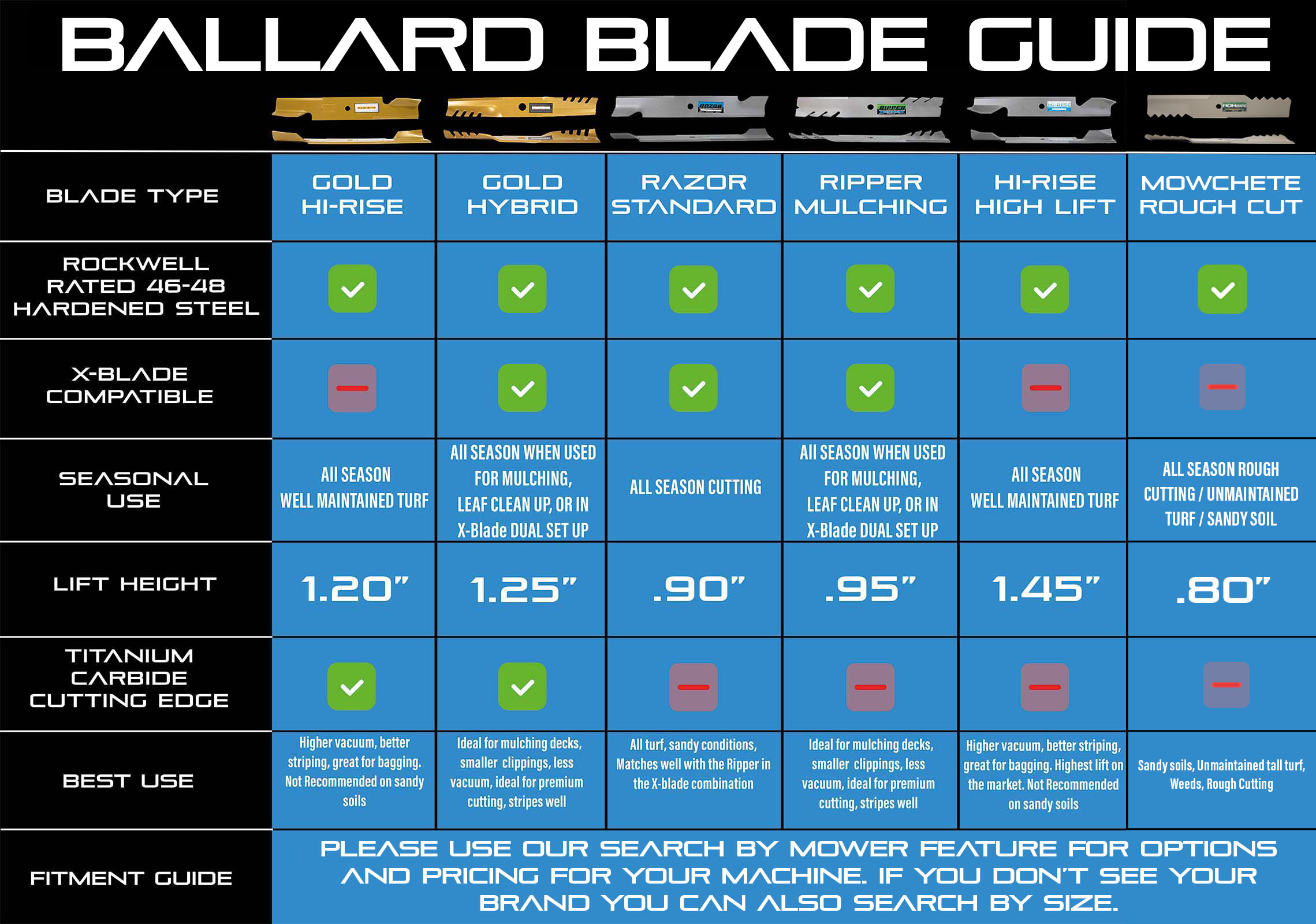
High-lift Blades
High-lift blades have tall, curved edges that create strong suction. This lifts grass up for a clean, even cut. They work well for thick, tall grass and bagging clippings. High-lift blades also help move grass clippings into the mower’s collection bag.
Low-lift Blades
Low-lift blades have a smaller curve and less suction. They are ideal for sandy or dusty lawns. These blades reduce the chance of kicking up dust and debris. Low-lift blades suit shorter, finer grass where less airflow is needed.
Mulching Blades
Mulching blades cut grass into very small pieces. They have extra cutting edges to chop clippings finely. These blades help return nutrients to the soil. Mulching blades are best for lawns where you want to keep clippings on the grass.
Standard Blades
Standard blades offer a balance between cutting and airflow. They work well for general lawn mowing tasks. These blades provide good performance on most grass types. Standard blades are a solid choice for everyday lawn care.
Choosing Blades For Lawn Conditions
Choosing the right lawn mower blades depends on your lawn’s condition. Different grass types and soil affect blade performance. Selecting proper blades improves cutting quality and mower efficiency. It helps maintain a healthy and neat lawn.
Thick And Tall Grass
Use high-lift blades for thick and tall grass. These blades create strong airflow to lift grass upright. They cut evenly and help collect clippings in a bag. High-lift blades reduce clogging and improve mowing speed. They keep your mower running smoothly in dense grass.
Short And Fine Grass
Low-lift blades work well on short and fine grass. They produce less suction and prevent tearing. These blades give a clean, precise cut without damaging grass blades. Low-lift blades help maintain a smooth lawn surface. They also reduce power use and wear on your mower.
Sandy Or Dusty Lawns
Sandy or dusty soils need special blade care. Use blades with harder steel or special coatings to resist wear. Blades must stay sharp longer despite abrasive particles. Changing or sharpening blades often keeps cutting sharp. This protects your mower and gives a neat lawn look.
Top Replacement Blades On The Market
Choosing the right replacement blades can improve your lawn mower’s performance. Sharp, durable blades cut grass cleanly and evenly. They also help your mower run efficiently and last longer. Many brands offer blades with different features. Here are some top replacement blades on the market that suit various needs and budgets.
Laseredge Blades
LaserEdge blades have a unique design for sharp, clean cuts. They use laser cutting for precise edges. This helps maintain sharpness longer than regular blades. Many users report less need for frequent sharpening. These blades work well on thick and tall grass. They also reduce wear on your mower’s engine.
Gator Blades
Gator blades feature a serrated edge that tears grass for a finer cut. This design improves mulch and clipping distribution. They are made from strong steel for durability. These blades can handle tough grass and debris better. Gator blades often help improve your lawn’s health by mulching better.
Oem Blades
OEM blades come from the original mower manufacturer. They match your mower’s specs exactly. This ensures proper fit and balanced cutting. OEM blades offer reliable performance and safety. They may cost more but guarantee compatibility. Choosing OEM blades reduces the risk of damage or poor cuts.
Craftsman And Oregon Blades
Craftsman and Oregon blades are popular for quality and value. Craftsman blades fit many models and cut cleanly. Oregon blades are known for strength and sharpness. Both brands offer options for mulching, bagging, and standard cutting. Their blades often resist rust and last longer in tough conditions.
Blade Durability And Sharpness
Blade durability and sharpness are crucial for a clean and efficient cut. Strong blades maintain sharp edges longer, reducing the need for frequent sharpening. Sharp blades cut grass cleanly, promoting healthier lawns and a better finish. Choosing blades with high durability saves time and money over the long term.
Self-sharpening Features
Some mower blades come with self-sharpening designs. These blades maintain their edge during use by grinding against a surface inside the mower deck. This feature helps keep the blade sharp without manual sharpening. Self-sharpening blades reduce maintenance and keep cutting performance steady.
Lifespan Comparison
Blade lifespan varies by material and design. High-quality steel blades last longer than cheaper metal options. Some blades stay sharp for 20 to 30 hours of mowing. Others dull quickly and need sharpening after every few uses. Investing in durable blades reduces replacement frequency and keeps your mower ready.
Impact Of Lawn Conditions
Lawn conditions directly affect blade sharpness and durability. Rocky or sandy areas cause blades to dull faster. Thick, tough grass requires sharper blades for a clean cut. Wet or muddy lawns can cause rust or corrosion. Choose blades suited for your lawn type to ensure longer life and better cutting.
Sharpening Vs. Replacing Blades
Deciding between sharpening or replacing lawn mower blades affects your mower’s performance and lawn health. Sharpening blades keeps them cutting cleanly and saves money. Replacing blades ensures safety and optimal cutting when sharpening is no longer effective.
Benefits Of Sharpening
Sharpening blades restores a clean edge for smooth cuts. Sharp blades reduce lawn damage and improve grass health. It costs less than buying new blades. Sharpening also extends the blade’s lifespan. Regular sharpening keeps mowing efficient and prevents clumping.
When To Replace Blades
Replace blades if they are bent, cracked, or severely worn. Deep nicks or missing chunks reduce cutting quality and cause uneven cuts. Blades that vibrate excessively during use need replacement. If sharpening fails to restore a sharp edge, get new blades. Fresh blades improve mower safety and performance.
Keeping Extra Blades Handy
Having spare blades ready saves time during mowing season. Swap blades quickly to avoid long breaks. Store extra blades in a dry, safe place to prevent rust. This prepares you for sudden blade damage or dullness. Keeping spares ensures your lawn stays neat without interruption.
Blade Design And Performance
The blade design plays a big role in the lawn mower’s performance. It affects how well the mower cuts grass and handles clippings. Different blade styles offer various benefits. Choosing the right blade design helps maintain a healthy and tidy lawn.
Wing And Fin Shapes
Blade wings and fins control how grass is lifted and cut. Curved wings create a strong lift. This lifts tall or wet grass for a cleaner cut. Straight fins focus on slicing grass close to the ground. Some blades mix both for balanced cutting.
Airflow And Vacuum Effects
Blade design also impacts airflow under the mower deck. High-lift blades generate strong vacuum power. This pulls grass upward for bagging clippings easily. Low-lift blades create less airflow. They work well on dry or sandy lawns, reducing dust and wear.
Cut Quality And Clipping Handling
Sharp, well-shaped blades cut grass cleanly without tearing. Clean cuts help grass heal faster and stay green. Blades with good clipping handling spread grass evenly. This prevents clumps that can suffocate your lawn. The right blade keeps your yard looking neat and healthy.
Specialized Blades For Specific Uses
Choosing the right lawn mower blade enhances cutting performance and lawn health. Specialized blades serve unique purposes and improve mowing efficiency. Each blade type suits different lawn care needs. Understanding these blades helps maintain a beautiful lawn with less effort.
Bagging Blades
Bagging blades create strong airflow to lift grass clippings. They direct clippings into the mower’s bag for easy collection. These blades work best on dry grass to avoid clogging. Using bagging blades keeps your lawn clean and free of debris. They are ideal for those who prefer a tidy lawn appearance.
Side-discharge Blades
Side-discharge blades cut grass and eject clippings out the mower’s side. They prevent clumping and allow faster mowing. These blades suit lawns where clippings can naturally decompose. Side-discharge blades handle thick, tall grass well. They keep the mower from clogging during heavy cutting.
Mulching Blades For Nutrient Recycling
Mulching blades finely chop grass into tiny pieces. These pieces fall back onto the lawn as natural fertilizer. Mulching blades help recycle nutrients and improve soil health. They reduce the need for chemical fertilizers and watering. Using mulching blades supports a greener, healthier lawn environment.
Credit: www.ballard-inc.com
Where To Buy Replacement Blades
Finding the right place to buy replacement lawn mower blades is key to keeping your mower in top shape. Blades wear out and need swapping to ensure a clean, even cut. Various stores offer blades that fit different mower models and budgets. Choose reliable shops for quality and convenience. Here are some trusted options to consider.
Home Depot
Home Depot carries a wide range of mower blades. Their selection includes OEM and universal blades. Prices vary from budget-friendly to premium options. You can buy online or visit a local store. Free delivery is often available for online orders. Staff can help you find the correct blade type for your mower.
Lowe’s
Lowe’s offers many replacement blades for lawn mowers. They stock blades suitable for popular brands and models. You can shop in-store or order online. Delivery options include free shipping on many items. Lowe’s also provides helpful guides to choose the right blade. Their customer service supports easy blade replacement.
Tractor Supply Company
Tractor Supply Company is ideal for rural and farm equipment needs. They sell durable blades for lawn tractors and riding mowers. Their blades come in various sizes and styles. Purchase options include online shopping and in-store pickup. Tractor Supply often has expert advice on blade types and maintenance.
Local Hardware Stores
Local hardware stores often carry replacement lawn mower blades. These stores provide a personal touch and quick service. You can get expert advice and see the blades before buying. Supporting local shops helps your community and ensures faster access. Check nearby stores for availability and prices.
Maintaining Your Lawn Mower Blades
Maintaining your lawn mower blades is key to a healthy, even lawn. Sharp, clean blades cut grass smoothly, preventing damage and disease. Proper care also extends the life of your blades and mower. Follow simple steps to keep blades in top shape.
Cleaning After Use
Remove grass clippings and dirt from blades after each mow. Use a brush or cloth to clear debris. Avoid water directly on the blade to prevent rust. Clean blades help maintain sharpness and cutting efficiency.
Regular Inspection
Check blades often for nicks, cracks, or dull edges. Damaged blades can tear grass instead of cutting it. Replace or sharpen blades when needed. Regular checks keep your lawn mower working well and your lawn healthy.
Proper Storage
Store your mower in a dry, sheltered place to avoid moisture. Moisture causes rust and blade damage. Remove blades if storing for a long time. Proper storage preserves blade sharpness and prevents corrosion.
Credit: www.esseg.eu
Frequently Asked Questions
What Type Of Lawn Mower Blades Are Best?
The best lawn mower blades match your lawn type. Use high-lift blades for thick, tall grass and bagging. Choose low-lift blades for sandy or fine grass areas. Mulching blades finely chop clippings to fertilize lawns. Select blades based on cutting needs and grass conditions.
What Mower Blades Stay Sharp The Longest?
LaserEdge mower blades stay sharp longest by cutting themselves sharp. They require minimal sharpening and outlast standard blades in many tests.
Is It Better To Sharpen A Lawn Mower Blade Or Buy A New One?
Sharpen lawn mower blades to save money and maintain clean cuts. Replace blades if damaged, bent, or excessively worn for best performance.
Do I Want High-lift Or Mulching Blades?
Choose high-lift blades for bagging or side-discharging tall grass cleanly. Pick mulching blades to finely chop clippings and nourish your lawn. High-lift blades excel with long grass; mulching blades recycle nutrients effectively in shorter grass. Select based on your lawn care needs.
Conclusion
Choosing the right replacement lawn mower blade improves your mower’s performance. Sharp blades cut grass cleanly, helping your lawn stay healthy. Think about your grass type and lawn size before buying. Keep blades balanced and sharpened for best results. Regular blade checks save time and effort in the long run.
A good blade means less strain on your mower’s engine. Replace dull or damaged blades promptly to avoid uneven cuts. A well-maintained blade keeps your lawn looking neat and fresh all season.