Choosing the right tool depends on your specific garden needs, whether you’re clearing large patches of weeds or performing delicate pruning. The main differences lie in material durability, handle length for back relief, and specialized blade shapes designed for specific tasks like root cutting or soil aeration.
Best overall: Grampa’s Weeder Original, because its simple, long-handled design lets you remove weeds and roots while standing, which saves your back and knees from unnecessary strain during long garden sessions.
Best for heavy-duty use: Root Slayer Garden Shovel, as its V-shaped serrated tip is engineered specifically to slice through dense ground and stubborn roots that would stop a standard shovel in its tracks.
Best for beginners: Garden Tools 3-Pack, because it provides the three essential hand tools—a trowel, a rake, and a transplanter—needed for most daily tasks in one durable, rust-resistant aluminum alloy set.
This guide is for home gardeners who want reliable tools that perform as promised without unnecessary complexity.
How We Picked
We compared 48 different gardening tool listings to find options that clearly state their materials, intended uses, and physical dimensions. A product earned a spot only if the manufacturer provided specific details about its construction, such as blade material or handle composition, and included clear instructions or intended use cases. We excluded items that lacked clear specifications or failed to explain how their design helps the user. This selection focuses on tools built for durability and ease of use in common residential garden settings.
All 10 products side by side — scroll sideways to see every column.
| Top Pick | Best for Live Stems | Best for Digging | Best for Measuring | Best for Thick Branches | Best for Flower Beds | Best for Reaching | Best for Lawn Edging | Best for Shock Control | ||
| Preview |  |  |  |  |  |  |  |  |  | 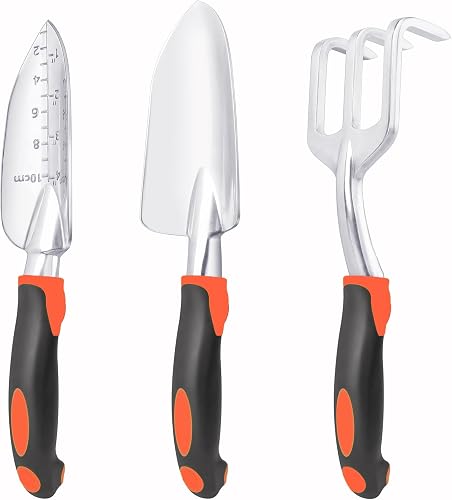 |
|---|---|---|---|---|---|---|---|---|---|---|
| Product | Grampa's Weeder Original | gonicc Professional Pruning Shears | Root Slayer Garden Shovel | Nisaku Hori Hori Knife | Fiskars Bypass Loppers | Edward Tools Hand Tiller | Fiskars Extendable Hedge Shears | Edger Lawn Tool | Fiskars Pro IsoCore | Garden Tools 3-Pack |
| Brand | Grampa's Weeder | gonicc | Root Slayer | Nisaku | Fiskars | Edward Tools | Fiskars | CKLT | Fiskars | MECHEER |
| Best for | Top Pick | Best for Live Stems | Best for Digging | Best for Measuring | Best for Thick Branches | Best for Flower Beds | Best for Reaching | Best for Lawn Edging | Best for Shock Control | — |
| The listing says | 45" long handle for standing Removes weeds and roots | Drop-forged construction SK-5 steel blade with titanium coating | Serrated design reduces wrist strain V-shaped root cutting tip | Stainless steel serrated and straight blade Includes inch markings | 28" steel bypass lopper Cuts up to 1.5" thick branches | Carbon steel blade and head Ergonomic rubber handle | Steel blade plant shears Extendable handles for reach | Serrated tempered spring steel blade 8-inch wide footplate | Dual pick mattock design IsoCore shock control system | 3 piece set with trowel and rake Thickened aluminum alloy material |
| More information | Buy on Amazon | Buy on Amazon | Buy on Amazon | Buy on Amazon | Buy on Amazon | Buy on Amazon | Buy on Amazon | Buy on Amazon | Buy on Amazon | Buy on Amazon |
1. Grampa’s Weeder Original Stand Up Weed Puller Tool with Bamboo
Best for: Gardeners who want to weed without bending over.
This tool features a 45-inch handle that allows you to stand while working, removing weeds and roots through a simple 4-claw mechanism. Its design has been in use since 1913, proving that a straightforward approach often works best for clearing garden beds without chemicals.
The tool works best in softer soil, especially after you have watered the ground or it has recently rained. If you have a garden with very hard clay or rocky soil, this tool may not perform as well as you expect.
People often overthink the mechanics of this device. If the claws fail to penetrate, the soil is likely too dry or dense; wait for a rainfall rather than forcing the handle. Because it relies on the 4-claw design to grip the root system, it’s safest for children and pets since it requires no chemical sprays.
Pros
- Saves your back and knees.
- Simple, time-tested claw design.
- No harmful chemicals needed.
Cons
- Struggles in hard, rocky soil.
- Requires specific soil moisture to function effectively.
2. gonicc 8″ Professional Premium Bypass Titanium Pruning Shears(GPPS-1003)
Best for: Trimming live plants and stems cleanly.
These shears use an 8-inch bypass design with SK-5 steel blades that have a titanium coating for rust resistance. The handles are made of aluminum wrapped in PVC, which keeps the tool lightweight while providing a steady grip for repetitive tasks. Drop-forged construction provides the sturdiness needed for long-term, heavy garden use.
A built-in sap groove helps keep the blades moving smoothly, preventing the sticky buildup that often slows down pruning work. If you notice a slight oil residue on the blade when you first open the package, don’t wipe it off immediately. This thin layer of anti-rust oil is intentionally applied to protect the steel during shipping.
If you plan to cut thick, dry woody branches larger than 3/4 inch, these shears aren’t the right choice for that specific job. Stick to live plants and lighter stems to maintain the integrity of the blade.
Pros
- Sharp titanium-coated steel blades.
- Lightweight, ergonomic aluminum handles.
- Built-in sap groove prevents sticking.
Cons
- Not for branches over 3/4 inch.
3. Root Slayer 22011 Garden Shovel
Best for: Digging in dense or compacted soil.
This shovel features a specialized V-shaped tip that’s serrated to help you cut through roots and packed dirt with less effort. The shaft is made of resin-encased steel, which adds strength when you’re working in demanding landscaping areas or garden beds.
The ergonomic design is meant to improve leverage, making it easier to maintain control during heavy digging. If you encounter a large rock or a deeply embedded object, stop immediately. This tool isn’t intended for prying or using excessive leverage, and forcing it against immovable obstacles can compromise the structural durability of the steel shaft.
Use this shovel for tasks like planting shrubs, transplanting flowers, or slicing through stubborn root systems. If your soil is loose and sandy, a standard shovel may suffice, but the carbon steel blade and powder-coated finish on this model are specifically engineered for the resistance of packed ground.
Pros
- Serrated V-shaped cutting tip.
- Durable carbon steel blade.
- Ergonomic design reduces wrist strain.
Cons
- Not for prying heavy objects.
4. NISAKU NJP650 The Original Hori Hori Namibagata Stainless Steel Weeding
Best for: Versatile weeding and precise planting.
This Japanese-made knife features a 7.25-inch stainless steel blade with both serrated and straight edges, making it useful for cutting, digging, and weeding. The blade includes depth markings so you can easily measure exactly how deep you’re planting bulbs or seeds. Use the inch markings on the blade to ensure plants are placed at the desired depth.
The 5.25-inch wooden handle provides a secure grip for longer sessions, and the tool can hang on a peg rack for easy storage. Weighing 10 oz, it balances portability with durability. While it excels at weeding and landscaping, avoid using it as a pry bar for heavy rocks. It isn’t a replacement for a heavy-duty shovel or a large pair of loppers. If the soil is tightly packed or rocky, reach for a dedicated spade instead to prevent blade damage.
Pros
- Dual serrated and straight edges.
- Convenient blade depth markings.
- Includes sturdy wooden handle.
Cons
- Not for heavy digging tasks.
5. Fiskars 28” Garden Bypass Loppers
Best for: Trimming branches high up or out of reach.
These 28-inch loppers are designed to glide through branches up to 1.5 inches in diameter, helping you maintain the health of your trees and shrubs. The blades feature a low-friction coating that resists rust and prevents the tool from gumming up during heavy use.
The handles are built to provide extra control, making it easier to reach into dense foliage without scratching your arms. These are strictly for bypass cutting of live branches. If you encounter dead or brittle wood, choose a different tool; using these on hard, dry material risks dulling the steel edges prematurely.
If the branch diameter exceeds 1.5 inches, don’t force the blades. Pushing beyond this limit puts unnecessary strain on the pivot point and can compromise the clean, smooth cut required for plant recovery. When you stay within the specified capacity, the steel blades provide lasting value and consistent performance.
Pros
- Cuts branches up to 1.5 inches.
- Low-friction rust-resistant coating.
- Backed by a lifetime warranty.
Cons
- Avoid cutting overly thick wood.
- Not suitable for dead or hardened branches.
6. Edward Tools Hoe and Cultivator Hand Tiller
Best for: Loosening soil and preparing garden beds.
The tiller features a carbon steel head built to handle heavy-duty soil work like breaking up dense clumps and weeding. It uses a solid oak handle paired with a rubber grip, which provides the strength you need for digging and the comfort required for repetitive motion.
This tool is ideal for flower and vegetable gardens where you must aerate the soil before planting. If you’re working in clay-heavy soil, use the carbon steel blade to score the surface first, then leverage the oak handle to break the crust. This prevents the tool from skipping over hardened ground.
This is a specialized instrument for cultivation. It won’t work well if you’re trying to move large volumes of dirt or dig deep holes. Avoid using it as a pry bar to remove large rocks, as the focus is on soil refinement rather than excavation. If you encounter significant resistance, stop and clear the obstruction by hand to protect the integrity of the oak handle.
Pros
- Heavy-duty carbon steel blade.
- Comfortable rubber ergo grip.
- Durable solid oak handle.
Cons
- Not for moving large dirt.
- Limited to surface cultivation.
7. Fiskars 25″-33″ Power-Lever Extendable Garden Hedge Shears
Best for: Shaping hedges and reaching distant stems.
These shears feature handles that extend from 25 to 33 inches, allowing you to reach high or awkward spots in your garden. The blades are self-sharpening and have a low-friction coating to ensure that every cut you make stays clean and crisp. This coating prevents gumming and improves rust resistance.
The Power-Lever design is meant to provide more control, especially when you’re working at full extension. These are best used for trimming soft stems and light hedge growth, so don’t use them on thick woody branches that require a lopper. Using these shears on heavy, woody material can dull the blades prematurely or strain the mechanism. If the branch requires significant force or has a thick, bark-covered diameter, switch to a dedicated lopper to protect your investment.
Pros
- Adjustable length handles.
- Self-sharpening steel blades.
- Backed by a lifetime warranty.
Cons
- Not for thick woody branches.
8. Edger Lawn Tool 41in Border Edger with Tempered Spring Steel
Best for: Creating clean borders along driveways or beds.
This edger uses a tempered spring steel blade that’s serrated to provide a clean, sharp cut against sidewalks and flower beds. The 8-inch wide footplate lets you use your body weight to push the blade into the ground, which is much easier than using a standard flat shovel. If you’re struggling with deformation or dull edges, this spring steel resists bending and maintains its sharpness under heavy use.
Because it’s a manual tool, it’s much quieter and more eco-friendly than gas-powered trimmers. It works effectively in wet conditions where electric motors might fail. The tool is designed for defining edges and small trenching, such as laying irrigation lines or cables. Don’t attempt to use this for clearing large areas of overgrown lawn, as it’s built for precision rather than volume.
The rust-resistant coating ensures the blade remains reliable after exposure to damp soil. Its compact frame is ideal if you have limited storage space.
Pros
- Serrated spring steel blade.
- Wide footplate for leverage.
- Quiet and eco-friendly operation.
Cons
- Not for large scale clearing.
9. Fiskars Pro IsoCore 14″ 2-in-1 Pickaxe & Hoe
Best for: Breaking up hardened or rocky ground.
This 2-in-1 tool combines a pickaxe and a hoe, using a patented shock reduction system to absorb vibrations before they reach your hands. The riveted, forged steel head is designed to stay secure even when you’re swinging with significant force.
The handle has a textured, non-slip grip that helps minimize blisters during long work sessions. If you’re clearing roots or prying rocks, the shock control system transfers twice as little vibration as a standard pickaxe. This keeps your muscles from fatiguing during demanding landscaping projects.
This is a heavy-duty tool for tough jobs. It’s likely more than you need if you’re only doing light gardening or potting. However, for construction and heavy soil work, the inseparable riveted head ensures the tool remains intact under pressure. The shock-absorbing technology is designed to reduce user fatigue. The lifetime warranty protects your investment against mechanical failure.
Pros
- Reduces shock and vibration.
- Durable forged steel construction.
- Secure, non-slip handle grip.
Cons
- Heavy for light gardening.
10. Garden Tools 3-Pack
Best for: New gardeners starting their first beds.
This set includes a shovel, a transplant trowel with measurement marks, and a hand rake, covering the basic needs for planting and soil maintenance. The tools are made from thickened aluminum alloy, which is designed to be rust-resistant and sturdy enough for rocky soil.
The 0.08-inch thick hand shovel is suitable for digging and transplanting. When you need to aerate or remove weeds, the 0.28-inch thick rake provides the necessary leverage.
The handles feature contoured finger grips to reduce strain on your hands while you work. Use the graduated scale on the transplant trowel to ensure consistent depth for potted plants. This set is perfect for general tasks, but it isn’t intended to replace heavy-duty equipment like loppers or full-sized shovels.
Pros
- Includes three essential tools.
- Rust-resistant aluminum alloy.
- Ergonomic, comfortable handles.
Cons
- Not for heavy-duty digging.
How to Choose in Sixty Seconds
Which garden tool material is the most durable?
For hand tools, aluminum alloy or carbon steel are the best choices for long-term use. Aluminum alloy is naturally rust-resistant and lightweight, which helps reduce hand fatigue during long planting sessions. Carbon steel, especially when powder-coated, offers superior strength for heavy-duty tasks like digging in compacted soil or severing roots. Always check if the manufacturer mentions a rust-resistant coating, as this significantly extends the life of your blade. If you garden in wet conditions, prioritize rust-resistant materials or those with anti-rust oil coatings to ensure your equipment remains in good working order.
How can I avoid back pain while gardening?
The best way to avoid back pain is to use long-handled tools that allow you to work while standing upright. Tools like the Grampa’s Weeder Original are designed to eliminate the need for bending, pulling, or kneeling, which puts the most strain on your back. For digging, choose tools with ergonomic handle designs that improve leverage. This allows your legs and body weight to do the work instead of your lower back. If you’re breaking up hardened ground, use tools with shock-reduction systems to transfer less vibration to your body. Using properly fitted, ergonomic tools prevents physical strain and improves your safety while working outdoors.
Should I buy a starter set or individual tools?
A starter set is the better choice if you’re new to gardening or need to replace several basic tools at once. Sets like the 3-pack of aluminum alloy tools provide the essential trowel, rake, and transplanter needed for daily tasks like loosening soil and planting. However, if you have a specific problem, such as stubborn roots or high hedges, you must buy a specialized tool. A multi-purpose knife like the Nisaku Hori Hori can handle many small weeding and digging jobs, but it can’t replace a dedicated tool for pruning thick branches or edging borders. Start with the basics, then add specialized equipment as you identify the specific challenges in your garden.
If you’re dealing with branches over 3/4 inch thick, don’t rely on standard shears; you need bypass loppers for the required capacity. If you have extensive roots, a V-shaped root cutting shovel is necessary to slice through dense ground. Always match the tool to the specific soil type. A 4-claw stand-up weeder works best in soft soil after a rain, but it won’t perform well on hard clay or rocky surfaces. In those tougher conditions, a heavy-duty pickaxe or a serrated root-cutting shovel is the correct choice.
Frequently Asked Questions
What does proper tool maintenance involve?
Proper maintenance keeps your tools working for years. Wipe dirt off blades after every use to prevent buildup and rust. Keep wooden handles dry and store them off the ground to prevent rot.
Is the simplest tool on the list enough for a beginner?
A starter set of essential hand tools is sufficient for daily tasks like planting flowers or loosening soil. These tools cover common needs without requiring complex machinery. You may add specialized tools as your garden grows.
What goes wrong first on most gardening tools?
Handles and connection points are usually the first parts to show wear. High-quality tools use secure rivets to prevent this, but handles can still loosen if used for unintended tasks. Always use tools only for their stated purpose.
Can I use these tools in wet weather?
Most modern garden tools are built to handle moisture, though they vary in rust resistance. Tools with a rust-resistant coating perform well in damp conditions. Always clean and dry your tools before storage to ensure they stay in good condition.
Conclusion
The Grampa’s Weeder Original and the Root Slayer Garden Shovel are excellent additions to any shed, helping you tackle weeds and tough soil with ease. Whether you’re clearing your first garden bed or maintaining a landscape, choosing the right tool for the job saves you time and physical effort.