There is no single best tool for weeding, as the right choice depends on your physical needs, garden size, and weed type. The best tools for weeding gardens generally fall into two categories: long-handled stand-up pullers like the Fiskars Deluxe Stand-Up Weeder and precision hand tools like the SUIZAN Nejiri Kama.
All 10 products side by side — scroll sideways to see every column.
| Top Pick | Best for Softer Soil | Best for Large Areas | Best for Manual Cutting | Best for Tight Spaces | Best Hand Weeder | Best for Dandelions | Best for Dual Tasks | Best for One-Handed Use | ||
| Preview |  |  |  |  |  |  |  |  | 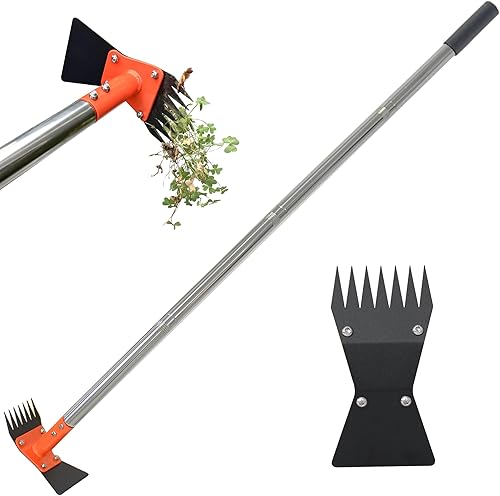 |  |
|---|---|---|---|---|---|---|---|---|---|---|
| Product | Fiskars Deluxe Stand-Up Weeder | Grampa's Weeder Original | Walensee Action Hoe | Nisaku Hori Hori Knife | Japanese Weeding Sickle | Garden Guru Patio Weeder | Fiskars Ergo Hand Weeder | Garden Guru Dandelion Weeder | 2-in-1 Garden Hoe Rake | Suizan Nejiri Kama |
| Brand | Fiskars | Grampa's Weeder | Walensee | Nisaku | MASAKIYO | Garden Guru Lawn & Garden Tools | Fiskars | Garden Guru Lawn & Garden Tools | CKLT | SUIZAN |
| Best for | Best Overall | Best for Softer Soil | Best for Large Areas | — | Best for Manual Cutting | Best for Tight Spaces | Best Hand Weeder | Best for Dandelions | Best for Dual Tasks | Best for One-Handed Use |
| The listing says | Lightweight long shaft with easy-eject design Offset handle with four serrated claws | 45" stand up long handle Original design used since 1913 | Adjustable 66 inch handle Loop stirrup hoe for multiple uses | Japanese stainless steel serrated blade Includes inch markings on blade | High carbon steel Japanese weeder Handmade Japanese sickle | Stainless steel L-shaped head Rust-resistant finish | Cast-aluminum angled head Ergonomic handle with SoftGrip | Stainless steel two-pronged fork tip Rust-resistant finish | Dual-function 3.75-inch rake and hoe Tempered spring steel construction | High-quality two-layer carbon steel blade One-handed digging and cutting tool |
| More information | Buy on Amazon | Buy on Amazon | Buy on Amazon | Buy on Amazon | Buy on Amazon | Buy on Amazon | Buy on Amazon | Buy on Amazon | Buy on Amazon | Buy on Amazon |
1. Fiskars Deluxe Stand-Up Weed Puller Tool
Best for: Someone who wants a quick way to remove weeds while standing.
This tool is designed to remove dandelions and thistles without you needing to bend or kneel. It uses a long shaft and a foot-activated pedal to drive four serrated stainless steel claws deep into the ground. Once the claws grab the weed, an easy-eject mechanism clears the debris. It works best in moist or soft soil, so you may need to water your lawn before use if your ground is hard or clay-heavy.
The offset handle design aims to reduce wrist strain during the pulling motion. Because the tool is 39 inches long, it’s a smart choice for gardeners who struggle with back aches. It isn’t for someone who needs to clear large areas of dense weeds quickly, as it’s meant for targeting individual plants one at a time. It comes with a lifetime warranty.
Good if:
- You have back or knee pain.
- You need to remove individual invasive weeds.
- You prefer to stay standing while gardening.
Skip it if:
- You have very rocky or compacted soil.
- You need to clear a large, dense weed patch.
2. Grampa’s Weeder Original Stand Up Weed Puller Tool with Bamboo
Best for: A gardener looking for a simple, classic, lever-based weed puller.
This tool uses an old-school design that has been around since 1913. It features a 45-inch bamboo handle that allows you to remove weeds without bending or kneeling. You position the four-claw head over the center of the weed, step on the lever, and pull back to lift the plant and its root out of the soil.
The design is meant to be simple, but the manufacturer suggests watching their product videos to master the lever motion. It works best in softer soil types, especially after a rainfall. It isn’t suitable for hard clay or rocky surfaces, where the claws might struggle to penetrate. It’s a family-owned, American-made option.
Good if:
- You want a time-tested, simple design.
- You prefer a long handle to save your back.
- You work primarily in soft, garden-bed soil.
Skip it if:
- You have hard, rocky, or clay-heavy ground.
- You aren’t willing to learn the specific lever technique.
3. Walensee Action Hoe
Best for: Someone clearing large areas of weeds in a vegetable bed.
This is a stirrup-style hoe that uses a push-pull motion to cut weeds just below the surface. It features an adjustable handle that can reach between 36 and 66 inches. The triangular head is designed to get into tight spaces and cultivate the soil around your flowers or vegetables.
The tool is made of heat-treated steel and includes a rubberized, cushioned grip to reduce stress on your hands. Because it uses a sweeping motion, it’s much faster than pulling weeds one by one. If you’re working on a large plot, use the push-pull motion to slice through shallow roots; this is far more effective than manual digging.
However, this isn’t the right tool if you need to remove deep-rooted, individual weeds like large dandelions. The blade is designed for surface-level cutting, not for extracting long taproots. If you force it against deep, thick roots, you risk damaging the blade or wasting your energy.
Good if:
- You have a large garden bed to maintain.
- You want to work quickly by pushing and pulling.
- You need an adjustable length for different tasks.
Skip it if:
- You only need to remove a few isolated weeds.
- You’re dealing with deep, thick taproots.
- You require a heavy-duty tool for digging deep holes rather than surface cultivation.
4. NISAKU NJP650 The Original Hori Hori Namibagata Stainless Steel Weeding
Best for: A gardener who wants one versatile tool for many tasks.
This Japanese-made knife features a 7.25-inch stainless steel blade with both a straight edge and a serrated edge. It’s designed for digging, cutting, and weeding in various soil conditions. The blade includes depth markings to help you plant bulbs at the correct measurement. Use these etched marks to ensure every bulb sits at the precise depth required for optimal growth.
The wooden handle provides a secure grip for extended sessions. Measuring 5.25 inches, the handle balances the 10-ounce weight, offering control when you’re clearing dense roots or transplanting. The listing doesn’t mention hanging storage.
Because it’s a handheld knife, it requires you to be on your knees or bending over while you work. If you experience back pain or stiffness, this tool will likely prove uncomfortable during long tasks. Opt for a long-handled spade if your primary goal is to maintain an upright posture.
Good if:
- You want a tool that digs and cuts.
- You need to measure planting depth accurately.
- You prefer a high-quality, durable stainless steel blade.
Skip it if:
- You have limited mobility and can’t kneel.
- You need a long-handled tool for leverage.
5. Japanese Weeding Sickle
Best for: Someone who wants a sharp, precise, and fast weeding tool.
This Japanese-made sickle is crafted from high carbon steel. It’s designed to be very sharp, allowing you to slice through weeds at the base with minimal effort. It’s a lightweight, one-handed tool that works well for quick, repetitive weeding tasks in garden beds. Each unit is handmade one by one by a manufacturer specializing in Japanese gardening tools.
Because it’s a manual, handheld tool, it’s best for gardeners who are comfortable kneeling or working close to the ground. If you have limited mobility or back pain, the lack of a long handle makes this tool a poor choice for your needs. The edge is designed to stay sharp through heavy use, but it requires careful handling due to its extreme sharpness.
If you’re working in tight, crowded flower beds, use the sickle to slice weeds at the soil line without disturbing nearby roots. If you’re clearing large, open fields, choose a long-handled hoe instead to avoid fatigue.
Good if:
- You want a very sharp, efficient cutting edge.
- You’re experienced with hand-weeding techniques.
- You need a lightweight tool for long sessions.
Skip it if:
- You need a long-handled tool for your back.
- You’re uncomfortable using a very sharp blade.
6. Garden Guru Patio Crack Weeder Tool with Ergonomic Handle
Best for: Removing weeds from tight cracks in driveways or patios.
This is a specialized handheld tool with an L-shaped stainless steel head. It’s specifically designed to fit into narrow cracks in sidewalks, driveways, and patios to pull weeds by the roots. The handle is ergonomic with contoured finger grips to help reduce fatigue.
The tool is rust-resistant and built to be durable without bending. It includes a large hole for hanging storage. Since this is a specialized crack-weeding tool, it isn’t useful for general weeding in garden beds or lawns. It’s a niche tool for specific hardscape areas.
If you’re clearing a long driveway, use the L-shaped head to hook the base of the weed and pull upward in one motion. This ensures you remove the entire root system rather than snapping the stem.
Good if:
- You struggle with weeds in sidewalk cracks.
- You need a tool that fits in tight spaces.
- You prefer an ergonomic grip for your hand.
Skip it if:
- You need a tool for general garden beds.
- You want to remove weeds from a lawn.
- You require a wide-blade tool to dig large holes.
7. Fiskars Ergo Garden Hand Weeder Tool
Best for: Precision weeding in small garden spaces.
This hand weeder features a cast-aluminum angled head that provides extra leverage for pulling weeds from tough soil. The handle has a SoftGrip coating to help with control and comfort during use. It is rust-resistant.
Like other hand tools, this requires you to work while kneeling or leaning. It’s ideal for maintaining herb gardens or pulling specific weeds like dandelions and thistles. If you’re clearing a dense patch of invasive weeds, use the angled head to pry deep roots rather than pulling from the surface. This prevents the root from snapping, which often leads to the weed quickly regrowing.
It isn’t for someone who needs a long-handled tool to avoid bending over, as it’s strictly a handheld implement. If your garden covers a large area, the time spent kneeling will cause significant fatigue. Use this tool for targeted maintenance rather than clearing entire beds.
Good if:
- You need a durable, rust-resistant hand tool.
- You work in small, confined garden areas.
- You appreciate extra leverage from the angled head.
Skip it if:
- You need to avoid kneeling or bending.
- You have a very large garden to clear.
8. Garden Guru Dandelion Weeder Tool with Ergonomic Handle
Best for: A gardener who needs to target dandelions without digging large holes.
This stainless steel tool features a two-pronged fork tip designed to grab weeds by the root. The shaft acts as a lever against the ground, helping you lift stubborn weeds out without disturbing the surrounding plants. It includes a comfortable, ergonomic handle.
The tool is lightweight and rust-resistant, making it a reliable choice for lawn maintenance. Like other handheld pullers, it requires you to be close to the ground. It isn’t for someone who wants to stand up while weeding. It also comes with a lifetime warranty and a satisfaction guarantee.
If you struggle with hand or wrist fatigue, the contoured finger grips provide the necessary control to work longer without strain. Use this tool when you have isolated weeds in tight spaces where a spade would cause collateral damage to your flowers or vegetables. If you’re clearing an entire bed or a large meadow, choose a long-handled tool instead; this handheld version is built for precision, not volume.
Good if:
- You need to remove dandelions from your lawn.
- You want to keep surrounding plants intact.
- You prefer an ergonomic handle for your grip.
Skip it if:
- You have back pain and can’t bend.
- You need a tool for broad-area weeding.
9. 2-in-1 Garden Hoe and Weed Puller Rake 61 Inch Spring
Best for: Someone who wants a single, long-handled tool for multiple tasks.
This tool features a dual-function head with a 3.75-inch rake and a sharp trapezoid hoe. The 61-inch handle is adjustable into four sections, allowing you to customize the length for different areas like raised beds or open yards. It’s made from tempered spring steel for durability.
The tool is designed to help you loosen soil and pull weeds by the roots. It’s a good choice for those who need to avoid bending, as it allows for an upright posture. If you struggle with back pain, use the full 61-inch extension to maintain a neutral spine while you clear large patches of lawn or gravel driveways.
Use the sharp rake teeth to snag stubborn dandelions or deep-rooted weeds.
It isn’t for someone who needs a small, delicate tool for fine hand-weeding in tight flower arrangements. While the handle adjusts, the heavy-duty head is built for leverage, not surgical precision. Choose this if you have a wide variety of terrain, but stick to a hand trowel for delicate container gardening.
10. SUIZAN Nejiri Kama Weeding Sickle 13″- Japanese Hand Hoe Weed
Best for: Precision weeding in very tight garden spaces.
This is a traditional Japanese hand hoe made from two-layer carbon steel. It is designed for multi-purpose use to dig and cut weeds with soil. It’s very lightweight at 7.05 oz and features a durable oak or zelkova wood handle, making it a precise alternative to pulling weeds by hand.
Because it’s small and sharp, it’s perfect for vegetable gardens and flower beds where you need to avoid damaging nearby plants. If you’re clearing dense patches, use the blade to slice cleanly through the root system. This prevents the regrowth common with surface-level pulling.
The tool’s 125mm blade allows for surgical accuracy in crowded beds. However, don’t use this for heavy-duty clearing of large, overgrown areas. It isn’t for someone who needs a long-handled tool to maintain an upright position. If you have back pain, the 13-inch length will force an uncomfortable, stooped posture.
Good if:
- You need to weed in very tight spaces.
- You prefer a sharp, traditional carbon steel blade.
- You’re doing fine, detailed work in a garden.
Skip it if:
- You need a long-handled tool for your back.
- You aren’t experienced with sharp, handheld blades.
Where These Overlap
Many of these tools are designed to solve the same problem—removing weeds—but they differ significantly in their reach and technique. The Fiskars Deluxe Stand-Up Weeder and Grampa’s Weeder Original are very similar in their intent; both are long-handled, lever-based tools that allow you to stand up while you extract individual taproot weeds like dandelions. If you’re choosing between these two, the main difference is the design style, as they both rely on a similar foot-operated leverage system.
Conversely, tools like the Walensee Action Hoe and the 2-in-1 Garden Hoe Rake are quite different from the individual pullers. These are meant for broad-area maintenance and soil cultivation. They don’t remove a single weed as effectively as a dedicated claw-puller, but they’re far superior for clearing an entire bed of small, emerging weeds. The handheld options, such as the Nisaku Hori Hori Knife, the Japanese Weeding Sickle, and the Suizan Nejiri Kama, represent a distinct approach to weeding. These are precision tools for the gardener who wants to be close to their plants. The choice between these depends on your comfort with a blade versus a digging fork.
Still Not Sure?
How often will I really use it?
If you’re a casual gardener who only spends a few minutes a week on maintenance, a versatile tool like the Nisaku Hori Hori Knife is likely your best bet. It handles digging, cutting, and weeding without needing a large storage space. If you’re a daily gardener with a large vegetable patch or flower beds, you’ll get much more value from a long-handled tool like the Walensee Action Hoe. It covers more ground in less time, making it worth the investment for frequent use. Choose the Nisaku Hori Hori Knife.
What do I already own that this has to work with?
Think about the soil conditions you already deal with in your garden. If you own a lot of garden beds with soft, loose soil, a Japanese Weeding Sickle or the Suizan Nejiri Kama will feel like an extension of your hand. However, if your garden is mostly lawn or hard-packed dirt, these delicate hand tools will be frustrating. In that case, you need a high-leverage tool like the Fiskars Deluxe Stand-Up Weeder to penetrate the ground effectively. For lawn-heavy gardens, go with the Fiskars Deluxe Stand-Up Weeder.
What am I most likely to regret choosing?
The most common regret for new gardeners is choosing a tool that is either too cumbersome for tight spaces or physically demanding to use. If your garden is full of delicate, crowded plantings, a large, clunky stand-up weeder will likely damage your flowers. Conversely, if you have a bad back, you’ll regret buying a handheld tool that forces you to kneel on the ground for hours. Always match the tool’s reach to your physical mobility. For those with back concerns, the 2-in-1 Garden Hoe Rake allows for an upright posture.
Frequently Asked Questions
Which weeding tool is safest to use?
Safety depends on your physical condition and the tool’s design. Long-handled tools like the Fiskars Deluxe Stand-Up Weeder help prevent back and knee strain by keeping you upright. Always exercise caution when using sharp, professional-grade blades.
Can I use a stand-up weeder in clay soil?
Stand-up weeders are primarily designed for soft or moist soil. If you have hard, compacted clay, the claws on tools like the Grampa’s Weeder or Fiskars Deluxe may not penetrate deeply enough. Watering the area 30 to 60 minutes before weeding can improve performance.
How do I know if I need a stirrup hoe?
A stirrup hoe is the most efficient tool for clearing large areas of young, surface-level weeds. It cuts weeds just below the soil line, saving significant time compared to manual pulling. Note that this tool is not designed for removing large, deep-rooted weeds.
Do I need to sharpen my weeding tools?
Handheld tools like the Nisaku Hori Hori Knife or the Suizan Nejiri Kama benefit from periodic sharpening to maintain their precision. A sharp blade makes weeding much easier and cleaner, requiring less force to cut through roots.
Conclusion
Choosing the right equipment makes a tedious chore feel much more manageable. Before you head outside, take a quick look at your soil conditions to see which design fits your needs best. You’ll find that when you have the proper gear in hand, keeping your garden tidy doesn’t have to be exhausting.