Choosing the right weeding tool depends on your garden size, soil type, and your physical comfort needs. While stand-up tools reduce back strain, handheld options provide the precision required for delicate flower beds. Consider whether you need to clear large patches quickly or target individual weeds carefully.
All 10 products side by side — scroll sideways to see every column.
| Top Pick | Best for Lawn Weeding | Best for Large Areas | Best for Tight Spaces | Best for Precision | Best Hand Weeder | Best for Dual Tasks | Best for Taproots | Best Claw Weeder | ||
| Preview |  |  |  |  |  |  |  | 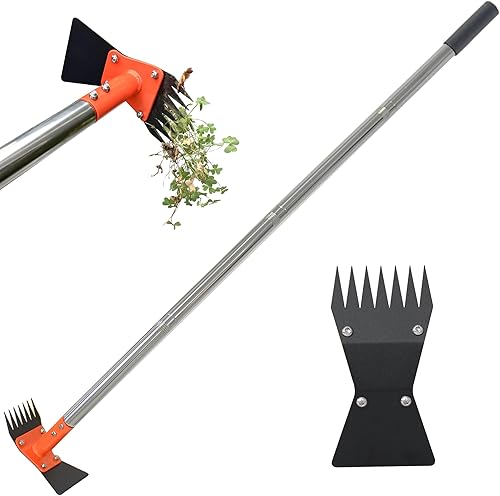 |  | 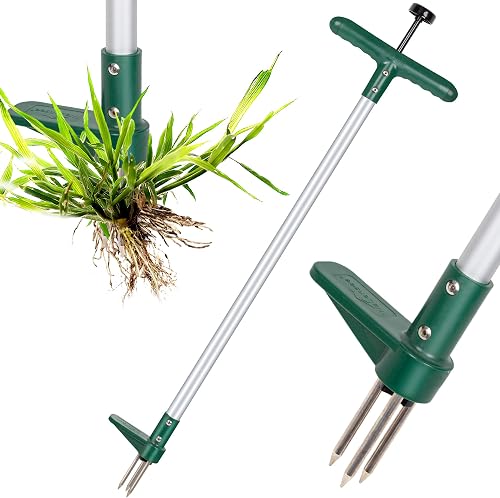 |
|---|---|---|---|---|---|---|---|---|---|---|
| Product | Fiskars Deluxe Weed Puller | Grampa's Weeder | Stirrup Hoe Cultivator | Nisaku Hori Hori | Garden Guru Crack Weeder | Suizan Nejiri Kama | Fiskars Ergo Hand Weeder | 2-in-1 Garden Hoe | Workpro Dandelion Weeder | Walensee Weed Puller |
| Brand | Fiskars | Grampa's Weeder | Oliynedy | Nisaku | Garden Guru Lawn & Garden Tools | SUIZAN | Fiskars | CKLT | WORKPRO | Walensee |
| Best for | Best Overall | Best for Lawn Weeding | Best for Large Areas | — | Best for Tight Spaces | Best for Precision | Best Hand Weeder | Best for Dual Tasks | Best for Taproots | Best Claw Weeder |
| The listing says | Lightweight long shaft with easy-eject design Offset handle and four serrated steel claws | 45" long handle for standing Original design since 1913 | 4-tine cultivator for heavy duty use Carbon steel blade for scraping or digging | Stainless steel serrated and straight blades Includes inch markings on blade | Stainless steel L-shaped head Ergonomic soft-grip handle | Two-layer Japanese carbon steel blade 13-inch length and 7.05 oz weight | Cast-aluminum angled head Ergonomic SoftGrip handle | Dual-function 3.75-inch rake and hoe head Tempered spring steel construction | Stainless steel two-pronged fork Ergonomic non-slip soft-grip handle | 39" tall handle with foot pedal Three 2.75" steel teeth |
| More information | Buy on Amazon | Buy on Amazon | Buy on Amazon | Buy on Amazon | Buy on Amazon | Buy on Amazon | Buy on Amazon | Buy on Amazon | Buy on Amazon | Buy on Amazon |
1. Fiskars Deluxe Stand-Up Weed Puller Tool
Best for: Someone who wants to remove deep-rooted weeds while standing upright.
This tool is designed to eliminate the need for kneeling or bending, which is a major benefit for those with back or knee concerns. It features four stainless steel claws that grab weeds and roots for permanent removal. The easy-eject design helps you move to the next weed quickly.
The offset handle is shaped to reduce wrist strain during use. To get the best results, you should use this in moist or recently watered ground, as the claws need to penetrate the soil to reach the full root. It isn’t recommended for use in hard, compacted, or clay-heavy soil unless you soften the ground with water about 30–60 minutes before you start.
Good if:
- You have a large lawn with scattered dandelions.
- You want to avoid bending over for long periods.
- You prefer a tool with a long-term manufacturer warranty.
Skip it if:
- You have very hard, rocky, or dry clay soil.
- You need to weed in very tight spaces between plants.
2. Grampa’s Weeder Original Stand Up Weed Puller Tool with Bamboo
Best for: Gardeners who prefer a simple, long-standing design for lawn weeding.
This tool uses a classic 4-claw design that has been in use for over a century. It features a 45-inch long handle that allows you to remove weeds and their roots without any bending, pulling, or kneeling. It’s built to be a simple, durable solution for homeowners looking to clear their yard without chemicals.
The tool works best on softer soil types, particularly after a good rain or a thorough watering. Because the design relies on the leverage of the claw, it may not perform as well on extremely hard clay or rocky surfaces. You should watch the instructional videos to ensure you’re using the leverage mechanism correctly, as it’s simple but specific.
Good if:
- You appreciate a tool with a long history of use.
- You want to keep your gardening routine chemical-free.
- You’re tall and need a longer handle for comfort.
Skip it if:
- You’re working with very compacted or rocky ground.
- You’re looking for a tool to use in narrow flower beds.
3. Stirrup Hoe Cultivator
Best for: Taming weeds across large vegetable beds or open farm areas.
This tool features a loop-action blade that slides just under the soil to cut weeds at the root. The carbon steel head includes a sharp end, allowing you to either scrape the top layer of dirt or dig deeper to rip out stubborn growth.
The handle adjusts between 32 and 62 inches. This range is vital for comfort; set it to the shorter length for sitting tasks or extend it fully to maintain an upright posture while working. The 1 1/7-inch diameter stainless steel construction ensures the pole is sturdy.
Assembly takes five minutes. Simply attach the hoe head to the pole with the provided bolt and screw the remaining sections together. No extra tools are required.
Because it covers a wider path than individual pullers, it’s excellent for clearing space between rows. However, don’t use this in crowded beds. The wide blade lacks the precision needed for delicate plants, where you might accidentally sever a desired root.
Good if:
- You have large vegetable beds to maintain.
- You need to clear top-layer weeds quickly.
- You want a handle length that adjusts to your height.
Skip it if:
- You’re looking to remove individual deep-rooted weeds.
- You have a very small garden with no open rows.
- You need to work in tight spaces around fragile flowers.
4. NISAKU NJP650 The Original Hori Hori Namibagata Stainless Steel Weeding
Best for: Gardeners who need one versatile knife for digging, cutting, and weeding.
This Japanese-made tool is a multi-purpose knife with both a serrated and a straight edge. It’s built from high-quality stainless steel and includes inch markings on the blade to help you plant bulbs or seeds at the correct depth. The 5.25-inch wooden handle provides a secure grip for extended sessions in the garden.
Because it’s a handheld tool, it’s perfect for precision weeding in tight spaces or for digging out stubborn roots that a long-handled tool might miss. If you’re working in loose soil, use the straight edge for clean cuts. Switch to the serrated edge when you encounter thick, woody roots that require extra grip.
Many gardeners make the mistake of using the tip for heavy prying. This can damage the 7.25-inch blade.
Good if:
- You want a tool that does more than just weed.
- You need to measure planting depth accurately.
- You prefer a tool that can be hung on a peg rack.
Skip it if:
- You struggle with kneeling or bending down.
- You have a large area that requires a long handle.
- You need a tool for heavy-duty prying in rocky ground.
5. Garden Guru Patio Crack Weeder Tool with Ergonomic Handle
Best for: Cleaning weeds out of narrow spaces like patio or sidewalk cracks.
This L-shaped tool is specifically designed to reach into tight gaps where standard weeders can’t fit. The stainless steel head is rust-resistant and built to grab weeds by the roots without needing to dig wide holes in your driveway or patio surface. It includes an ergonomic soft-grip handle to reduce wrist fatigue.
If you struggle with arthritis or find thin, hard handles painful, the contoured finger grips provide the necessary leverage to maintain control. Use this tool only for narrow, paved crevices. If you attempt to use this for broad-area weeding in open soil, you’ll find it takes significantly longer than using a standard hoe or stand-up puller.
The tool is lightweight and features a hang hole for easy storage. Backed by a lifetime warranty, it serves as a durable choice for detail work.
Good if:
- You have paved areas with persistent weeds in the cracks.
- You need a small, precise tool for detail work.
- You have difficulty holding tools with thin, hard handles.
Skip it if:
- You need to clear weeds from soil-based garden beds.
- You’re looking for a tool for large-scale lawn maintenance.
6. SUIZAN Nejiri Kama Weeding Sickle 13″- Japanese Hand Hoe Weed
Best for: Precision weeding in flower beds and vegetable patches.
This Japanese weeding sickle is designed for one-handed use, allowing you to dig, cut, and remove weeds along with a bit of soil. The high-quality two-layer carbon steel blade is sharpened by artisans, providing a clean cut through roots. At 7.05 ounces, the tool is lightweight and easy to handle for long periods.
The handle is crafted from durable Japanese oak or zelkova wood, which provides a reliable grip. Because the 4.92-inch blade is honed like a sword, it requires careful handling. If you’re working in dense, rocky soil, use the tip to slice horizontally rather than prying, as this preserves the edge. It’s meant for precision work and isn’t a replacement for a heavy-duty cultivator or a stand-up lawn weeder.
Good if:
- You need to remove weeds very close to your plants without damaging roots.
- You prefer a lightweight, traditional design built with a 400-year sword-making legacy.
- You do frequent garden maintenance in tight, confined spaces.
Skip it if:
- You want a long-handled tool that keeps you standing while you work.
- You’re uncomfortable using a sharp, exposed carbon steel blade.
- You need to clear large, overgrown areas where a heavy-duty mechanical cultivator is required.
7. Fiskars Ergo Garden Hand Weeder Tool
Best for: A reliable, basic hand weeder for general flower bed maintenance.
The cast-aluminum head is angled to provide leverage, which helps when you’re uprooting weeds in tougher soil. The ergonomic handle features a soft grip to help reduce hand fatigue during use. It’s a rust-resistant tool designed to last, supported by a lifetime warranty.
This is a classic hand tool for uprooting dandelions and thistles. While it’s very effective for garden beds, it doesn’t offer the reach of a long-handled tool. It’s best suited for gardeners who don’t mind working at ground level and want a sturdy, simple tool. If you’re clearing a dense herb garden, the angled head provides the precision needed to remove invasive roots without disturbing your nearby plants.
Good if:
- You need a standard tool for common garden weeds.
- You prefer an ergonomic grip for your hands.
- You want a tool with a solid warranty.
Skip it if:
- You have a large yard that requires stand-up tools to cover significant acreage.
- You need to reach weeds in deep or inaccessible areas where a short handle limits your range.
- You’re dealing with heavy brush that requires industrial-grade equipment rather than a handheld garden tool.
8. 2-in-1 Garden Hoe and Weed Puller Rake 61 Inch Spring
Best for: Gardeners who want a versatile tool for both raking and hoeing.
This tool features a dual-function head with a 3.75-inch rake on one side and a sharp trapezoid hoe on the other. The rake’s teeth grab stubborn weeds like dandelions by the roots, which prevents regrowth. The handle is made of four sections that lock together, reaching up to 61 inches. This allows you to stand upright while working, which is helpful for those who want to avoid bending.
The tempered spring steel construction is designed to resist bending or snapping under pressure. Unlike carbon steel, this material provides spring-back resilience during heavy levering. It’s suitable for both hard soil and fine detail work between plants. If you’re working in raised beds or flower pots, quickly shorten the handle to your preferred length.
Because it’s a long-handled tool, it isn’t meant for tight, indoor, or very small container garden use. Use the hoe side to loosen compacted soil and the rake side to clear debris. The bolts ensure the head remains tightly connected to the handle.
Good if:
- You want a single implement capable of handling both raking and hoeing tasks.
- You need an adjustable handle for different garden areas.
- You have hard, compacted soil that needs loosening.
Skip it if:
- You have a tiny garden with very little open space.
- You prefer a small handheld tool for precision work.
9. WORKPRO 11.5″ Dandelion Weeder Puller Tool with Soft Handle
Best for: Specifically targeting deep taproots like dandelions or thistles.
This tool features a two-pronged stainless steel fork designed to cut into the soil and grip the root. Because it’s crafted from high-hardness polished steel, it resists rust and corrosion even when left in damp soil. The ergonomic, non-slip handle improves your control while reducing wrist fatigue during repetitive tasks.
At 11.5 inches long and weighing only 5.3 ounces, it’s a compact, lightweight option for precise spot-weeding. Use it in tight spaces like bonsai pots, flower beds, or small garden patches where a larger tool would damage surrounding plants. If you’re working in a dense garden, leverage the fork to lift the root cleanly without disturbing nearby vegetation.
Good if:
- You have a lawn plagued by stubborn, deep-rooted weeds.
- You want a durable, rust-resistant hand tool that won’t bend under pressure.
- You need a space-saving design that hangs easily via the integrated lanyard hole.
Skip it if:
- You have chronic back pain and require a long-handled, stand-up tool.
- You need to clear a large field or an expansive garden plot.
- You’re looking for a tool to cultivate soil rather than extract individual weeds.
10. Walensee Weed Puller
Best for: A sturdy claw-style weeder for lawn-based weeds.
This tool uses a 3-claw design to grab roots. It has a 39-inch handle and a foot pedal, allowing you to apply downward force to penetrate the ground. It’s effective for taprooted weeds like thistles, dandelions, plantain, and burdock.
To ensure the roots don’t grow back, push the 2.75-inch steel tines directly into the base of the weed. Tilt the handle to one side to secure your grip before pulling. If you struggle to penetrate the earth, your soil is likely too dry. Always moisten the land before starting to help the claws slide into the ground without excessive strain.
Avoid using this tool in gravelly or rocky soil. The steel claws require soft, penetrable ground to function; hitting rocks will prevent the tines from closing around the root system. This is a dedicated lawn tool, not a precision instrument for delicate flower beds where you must minimize soil disturbance.
Good if:
- You want to remove lawn weeds without kneeling or bending.
- You prefer a 3-claw design for gripping deep taproots.
- You want to use your foot for extra leverage.
Skip it if:
- You’re weeding in gravel or rocky terrain.
- You need a tool for small, tight garden spaces.
Where These Overlap
In the world of weeding tools, the biggest divide is between long-handled stand-up tools and handheld precision tools. The Fiskars Deluxe Weed Puller, Grampa’s Weeder, Walensee Weed Puller, and the 2-in-1 Garden Hoe all share the goal of keeping the gardener upright. These are the best choices for lawn maintenance or large garden plots where kneeling for hours is simply not an option. Among the stand-up pullers, the choice often comes down to the claw design—3 claws versus 4—and your personal preference for the handle feel.
Conversely, tools like the Nisaku Hori Hori, Suizan Nejiri Kama, Fiskars Ergo Hand Weeder, and Workpro Dandelion Weeder are built for the detail-oriented gardener. These tools are far more effective for working in flower beds, containers, or between vegetable rows where a large rake or claw would cause too much damage to your prized plants. The Garden Guru Crack Weeder occupies its own niche for hardscaping. If you have a diverse garden, you’ll likely find that a combination of long-handled and handheld tools is necessary to maintain your space effectively.
Still Not Sure?
How often will I really use it?
If you have a large lawn and find yourself spending every weekend on your knees, a stand-up tool is a necessity rather than a luxury. These tools are designed to reduce the physical toll of yard work, making it more likely that you’ll keep up with weeding. If you only have a few weeds popping up occasionally in a small patio garden, a heavy-duty stand-up tool might feel like overkill. For a small area, a handheld tool like the Workpro Dandelion Weeder is usually easier to grab and store.
What do I already own that this has to work with?
Think about the soil conditions you face. If you already struggle with hard, clay-heavy soil, a tool that relies on manual penetration, like the Walensee Weed Puller, will require you to pre-water the ground to be effective. If your garden has a mix of open rows and tight spaces, the multi-functional garden hoe provides the most utility by allowing you to adjust the handle length. Always check if the tool you’re considering is meant for the specific terrain of your yard, such as gravel driveways versus loose topsoil.
What am I most likely to regret choosing?
The most common regret is choosing a tool that’s too specialized for your actual needs. If you buy a precision sickle like the Suizan Nejiri Kama but have a massive weed problem in a large yard, you’ll be disappointed by the time it takes to finish the job. Conversely, buying a large stand-up claw tool for a tiny container garden will leave you frustrated by its lack of maneuverability. When in doubt, look at the size of your garden and choose the tool that matches the scale of the work.
Related guides
- Diy Fruit Picking Pole: Top Adjustable Tools for Easy Harvesting
- 10 Best Garden Hoe Tool for Effortless Weeding and Soil Cultivation
Frequently Asked Questions
Which tool is best for removing deep-rooted weeds like dandelions?
Use a specialized tool like the Workpro Dandelion Weeder to penetrate the soil and grip taproots. These tools use a two-pronged fork to extract the entire root system. Moistening the soil beforehand helps ensure the root pulls out fully without snapping.
Can I use these tools in hard or rocky soil?
Stand-up claw weeders work best in soft soil, while stirrup hoes are superior for hard clay or rocky ground. These hoes break up the surface rather than relying on deep penetration. Note that these tools may struggle in extremely compacted or gravel-heavy areas.
How do I maintain my weeding tools to prevent rust?
Most weeding tools are crafted from stainless steel or treated aluminum to prevent rust. Simply wipe dirt from the blades and handles after each use to maintain their condition. If your tool features a wooden handle, store it in a dry area to prevent rotting.
Do I need to buy different tools for my lawn and my flower beds?
Use stand-up tools like Grampa’s Weeder for large lawn areas to avoid bending. For smaller flower beds, choose precise handheld options like the Fiskars Ergo Hand Weeder. Using the correct tool for your specific space prevents accidental damage to surrounding plants.
Conclusion
Once you’ve picked your favorite implement, head outside and test it on a small patch of dirt. You’ll quickly see how much easier the work becomes when you’re using the right gear. Don’t wait for the weeds to take over; spend a few minutes each week keeping your garden tidy and stress-free.