The best garden edging tool for your yard depends on how much soil you need to move and how your back feels after a day of work. These manual options ditch the noise and gas of power tools, relying instead on your own weight and leverage. They differ mainly in handle length, blade shape, and how they distribute pressure.
Best overall: Fiskars Manual Long-Handled Edger, thanks to its 14-gauge hardened steel construction that provides a sturdy, reliable build for cutting through dense turf without needing to bend or stoop.
Most durable blade: Root Slayer Serrated Edger, which features a powder-coated carbon steel blade with aggressive serrated teeth, making it an excellent choice for those who need to cut through tough, shallow roots.
Best for comfort: Yard Butler Step Edger, because it uses a long-handled design with cushioned grips to maximize leverage while specifically targeting reduced back strain during repetitive lawn maintenance tasks.
This guide is for homeowners who want to maintain clean garden borders using manual, eco-friendly tools.
How We Picked
To earn a spot, a product had to provide clear technical specifications, such as blade material, handle length, and weight-bearing capabilities. Our focus remained on tools that offer a functional alternative to gas-powered equipment for residential landscaping.
All 10 products side by side — scroll sideways to see every column.
| Top Pick | Runner-Up | Best for Clean Borders | Best for Trenching | Best for Foot Operation | Best for Precise Edging | Best for Shared Use | Best for Wide Footing | |||
| Preview |  | 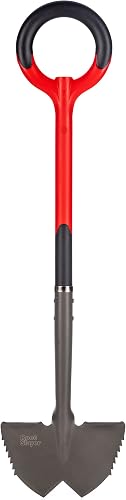 |  |  |  |  |  |  |  |  |
|---|---|---|---|---|---|---|---|---|---|---|
| Product | Fiskars Manual Long-Handled Edger | Root Slayer Serrated Edger | Colwelt Saw-Tooth Edger | Garden Weasel Edger-Chopper | Radius Garden Pro-Lite Edger | Wheel Rotary Edger | Yard Butler Step Edger | Corona Tools Edge Master | Manual Adjustable Border Edger | Edger Lawn Tool |
| Brand | Fiskars | Root Slayer | Colwelt | GARDEN WEASEL | Radius Garden | BARAYSTUS | Yard Butler | Corona Clipper | BlumeTrec | CKLT |
| Best for | Best Overall | Runner-Up | Best for Clean Borders | Best for Trenching | — | — | Best for Foot Operation | Best for Precise Edging | Best for Shared Use | Best for Wide Footing |
| The listing says | Steel lawn edger with steel pole Large step for digging power | Manual half-moon blade edger Serrated V-shaped cutting tip | Arched steel blade with saw teeth Extra-wide foot platform | Sturdy edging blade for ground penetration Designed and packaged in the USA | Elevated forward step for leverage Carbon steel blade and fiberglass shaft | Wheeled rotary edger with serrated blades Stainless steel handle with anti-rust plating | Foot operated lawn edger Cushioned handles and powder coated steel | 5.8-inch wide cutting blade 34-inch handle for leverage | Manganese steel saw-tooth blade Extra-wide footplate | Serrated tempered spring steel blade 8-inch wide footplate |
| More information | Check Latest Price on Amazon | Check Latest Price on Amazon | Check Latest Price on Amazon | Check Latest Price on Amazon | Check Latest Price on Amazon | Check Latest Price on Amazon | Check Latest Price on Amazon | Check Latest Price on Amazon | Check Latest Price on Amazon | Check Latest Price on Amazon |
1. Fiskars 38″ Manual Long-Handled Steel Edger
Best for: Homeowners seeking a reliable, all-purpose garden edger.
This edger uses a long steel handle to remove the need for kneeling or bending, which helps prevent soreness during long sessions. Its 14-gauge hardened steel blade is welded to the shaft, designed for durability when slicing through tough soil. The large step platform allows you to use your body weight effectively to drive the tool into the ground.
If you struggle with dense turf, use the step to apply your full weight for a clean, precise slice. If you’re working in soft, loose soil, a lighter touch is sufficient to prevent over-penetration. You should avoid using this tool to pry out large rocks, as the fixed steel construction is optimized for slicing rather than leverage.
This tool isn’t for gardeners who need a short, compact edger for tight, indoor, or small-space container gardening. Because of its 38.5-inch length and steel construction, it’s intended for full-sized lawns and garden beds.
Pros
- Sturdy 14-gauge hardened steel construction.
- Long handle prevents back strain.
- Large step for maximum power.
Cons
- Heavier than fiberglass-shaft alternatives.
- Fixed height isn’t adjustable.
- Requires more physical effort than powered models.
2. Root Slayer 22611 Serrated Garden Edger
Best for: Gardens with thick turf and shallow roots.
The V-shaped cutting tip and serrated teeth make this tool stand out when you need to cut through difficult, compact soil. It acts as a quiet, manual alternative to gas-powered trimmers, which helps keep your landscaping borders clean without noise or emissions.
If you’re working along curved flower beds or straight walkways, use the pointed tip to pierce the turf first. This anchors the tool, allowing the serrated teeth to slice through shallow roots with less physical strain. The resin-encased steel shaft provides the necessary stability when you apply downward pressure to drive the blade into the ground.
This tool isn’t for users who prefer a perfectly smooth, non-serrated edge. The aggressive teeth are designed specifically to grab and slice through roots, which may leave a slightly different finish than a flat-edged blade.
Pros
- Aggressive serrated teeth for roots.
- Durable powder-coated carbon steel blade.
- Resin-encased steel shaft for strength.
Cons
- Serrated edge requires careful cleaning.
- No height adjustment options.
3. Colwelt Saw-Tooth Edger Lawn Tool
Best for: Creating deep, clean borders along sidewalks, driveways, and garden beds.
This 39-inch tool uses an arched blade with saw-tooth edges to slice through dense turf. The extra-wide foot platform is a highlight, as it lets you apply your full body weight to drive the blade deep into the ground. Its T-handle comes with a soft cushion to improve your grip and maneuverability as you work.
If you’re installing plastic edging, the saw-tooth blade is your best choice for cutting a precise trench. However, if your soil is extremely loose or sandy, the saw-tooth design may drag rather than slice. In those conditions, use a steady, vertical downward motion rather than a rocking motion to keep your lines clean.
The primary mistake users make is attempting to edge when the ground is bone-dry. If the soil is hard, wait until after a light rain or watering. This prevents the steel blade from binding and makes the job significantly easier on your back.
Pros
- Extra-wide foot platform for leverage.
- Comfortable T-handle with cushion.
- Durable powder-coated steel construction.
Cons
- Requires steady footing on hard soil.
- Not suitable for very small beds.
4. Garden Weasel Edger-Chopper
Best for: Heavy-duty trenching and edging tasks.
This tool is built for those who need a sturdy blade to handle both edging and light trenching. Its design is intended for long-term use, and it comes with a lifetime guarantee against defects in materials and workmanship. The channeled design helps the blade move through the soil and makes it easier to remove from the ground after a cut.
If you’re maintaining established garden beds or clearing overgrown grass along a driveway, use the T-grip to apply consistent downward pressure. The blade is designed to penetrate tough sod cleanly. If you encounter significant resistance, rock the handle slightly to leverage the channeled design for an easier exit.
This tool isn’t for users who want a lightweight, portable edger for light trimming. It’s a substantial, professional-grade piece of equipment designed for durability over a long period. Avoid using it on rocky terrain that might chip the steel edge.
Pros
- Designed for decades of use.
- Effective channeled blade design.
- Includes lifetime warranty coverage.
Cons
- Heavier than basic plastic-handled models.
5. Radius Garden 25602 Pro-Lite Carbon Steel Edger
Best for: Gardeners who prefer a lightweight tool.
This edger uses a fiberglass shaft to keep the weight manageable while still offering a heat-treated carbon steel blade for digging. It features an elevated forward step that provides leverage while helping you keep your balance. The design is modern and meant to make the process of maintaining sleek garden edges more enjoyable.
If you struggle with balance during yard work, the extra-wide step platform is your primary advantage. It allows you to use your body weight for deeper cuts without the instability found in thinner, traditional designs.
This tool isn’t for users who perform extremely heavy-duty daily construction work, as it’s designed specifically for residential lawn maintenance. You should wipe the blade clean after every use to prevent rust and maintain its quality.
Pros
- Lightweight fiberglass shaft construction.
- Elevated step for better leverage.
- Heat-treated carbon steel blade.
Cons
- Blade requires regular cleaning.
- Not for heavy professional trenching.
6. Wheel Rotary Edger
Best for: Long, straight stretches along driveways.
The wheeled design allows you to push the tool along a border, letting the weighted wheel do much of the heavy lifting. The self-sharpening blades are designed to cut through grass and sod with a consistent motion. You can adjust the handle to three different heights—30.7, 44.5, or 58.3 inches—making it adaptable for users of different sizes.
If your path contains stones or sticks, stop immediately. These obstacles cause the tool to snag, which ruins the clean edge you’re trying to achieve. Clear the ground first to ensure an uninterrupted process. Use a steady, pushing motion rather than jerking or forcing the tool; let the blade and wheel do the work.
This tool isn’t for irregular or highly curved garden beds where the wheels might struggle to maintain contact. It’s best suited for long, straight lines along sidewalks or driveways. Regularly clear grass and debris from the wheel axle to prevent winding and increased resistance.
Pros
- Adjustable handle height up to 58.3 inches.
- Self-sharpening rotary blades.
- Wheeled design reduces pushing effort.
Cons
- Requires clear path free of stones.
- Axle needs regular debris cleaning.
7. Yard Butler Step Edger
Best for: Users prioritizing ergonomic comfort.
This tool focuses on user comfort by pairing cushioned handles with a long-handled design that keeps you upright. The powder-coated steel is built to resist rust, which helps the tool stand up to repeated use in damp garden conditions. It’s a straightforward, foot-operated edger meant to deliver sharp, professional lines.
If you struggle with back pain, the long handle and sturdy foot bar allow you to apply pressure with your weight rather than your spine. This design choice prevents the strain common with shorter, handheld tools. However, don’t expect a custom fit. This model features a fixed-length design, meaning it can’t be adjusted to suit different heights. If you’re exceptionally tall or short, test your reach before committing to the fixed frame.
This tool is built for simplicity and long-lasting performance, replacing the need for plastic or metal alternatives that break after a single season.
Pros
- Ergonomic, cushioned handle design.
- Rust-resistant powder-coated steel.
- Simple, foot-operated edging action.
Cons
- Fixed handle length only.
- Basic design lacks extra features.
8. Corona Tools LG 3684 Edge Master
Best for: Small-scale, precise landscaping touch-ups.
With a 5.8-inch wide cutting blade, this tool provides a smaller, more controlled surface for precise turf separation. The 34-inch handle is designed to provide just enough leverage for maintaining clean borders without the bulk of a full-sized digging shovel. It’s a simple, effective choice for keeping grass contained along patios and flower beds.
If you’re maintaining established garden beds or walkways, the manual design allows for the control needed to avoid damaging nearby plants. However, if you’re cutting a new edge into heavy, compacted soil, the 34-inch handle may not provide the mechanical advantage required for deep trenching. In such cases, the tool will feel inefficient and physically taxing.
Stick to this model for routine maintenance and crisping up existing lines. If the ground is dry or overgrown, you’re better off using a powered edger to break the initial surface.
Pros
- Compact 5.8-inch blade for precision.
- Lightweight for easy control.
- Ideal for flower bed maintenance.
Cons
- Shorter handle provides less leverage.
- Not for deep, heavy-duty digging.
9. Manual Adjustable Border Edger
Best for: Households with multiple users of different heights.
The key feature is the three-position adjustable handle that reaches up to 42 inches. You adjust the height by inserting the screw into the desired hole. This ensures the tool remains comfortable for different people.
It uses a heavy-duty manganese steel blade with saw-tooth edges. This design helps it cut through dense turf, grass roots, and weeds effectively. The extra-wide footplate gives you a stable spot to apply your body weight. Using your weight improves cutting efficiency and reduces strain on your legs and lower back.
If you’re working on uneven terrain, lean into the footplate to maintain balance. If the blade struggles to penetrate, check that the saw-tooth edge is clear of debris.
This tool isn’t for those who want a completely maintenance-free tool. The adjustable parts mean there are more connection points to check periodically. You must tighten the screws regularly to keep the handle secure. It’s best for those who value customization over a fixed, single-piece design.
Pros
- Three-height adjustable handle.
- Manganese steel saw-tooth blade.
- Wide, stable footplate.
Cons
- More parts than fixed-handle models.
- Requires periodic screw tightening.
10. Edger Lawn Tool 41in Border Edger with Tempered Spring Steel
Best for: Simple, straightforward edging in all weather.
This tool features a tempered spring steel blade that’s known for its ability to resist deformation. The 8-inch wide footplate offers plenty of room for any shoe size, ensuring you can apply pressure comfortably. It’s a no-frills, low-maintenance choice for those who need a tool that works effectively in wet conditions where power tools might be risky.
If you’re cutting along driveways or sidewalks, use the blade to create crisp straight lines. For garden beds, use the same motion to carve smooth curves. If you need to install irrigation lines, drainage pipes, or low-voltage cables, the reinforced blade digs small trenches efficiently.
This tool isn’t for people who need advanced features like height adjustment or rotary wheels. It’s designed to be a simple, reliable shovel-style edger for standard landscaping tasks. While electric or gas trimmers require fuel or oil, this manual tool functions in any weather without noise or emissions.
Pros
- Tempered spring steel blade resists bending.
- Wide 8-inch footplate for leverage.
- Effective in wet conditions.
Cons
- Very basic, no extra features.
- Limited to manual operation only.
How to Choose in Sixty Seconds
Which blade shape is best for me?
Consider the density of your soil and the type of grass you have. A half-moon blade is the standard for creating smooth, curved edges around flower beds or trees. If you have thick, established turf or lots of shallow roots, a saw-tooth or serrated blade will perform much better because it grabs and slices through the roots rather than pushing them aside. For deep trenching or creating drainage lines, a heavier-duty blade with a channeled design helps you move more soil at once. Always check that the blade material is made of hardened or manganese steel to ensure it holds its edge over many seasons of use.
Does handle length really make a difference?
Yes, the handle length is the most critical factor for your comfort. A tool that’s too short forces you to bend over, which leads to back strain during extended yard work. Look for a handle that keeps your back straight while your foot is on the step. If multiple people will use the tool, an adjustable handle is a smart choice. For those who find it hard to balance while pushing down, consider a tool with a wide footplate or a wheeled design, as these features distribute your body weight more evenly and provide better stability while you work.
How do I maintain a manual edger?
Manual tools are low-maintenance, but they aren’t “no-maintenance.” The most important step is to wipe the blade clean of mud and debris after every use to prevent rust, especially if you have been working in wet soil. If your tool has moving parts, such as an adjustable handle or a wheel, check the bolts and axles occasionally to ensure they’re tight and free of grass buildup. For safe landscaping tool maintenance, store the tool in a dry shed or garage to protect the steel from moisture. Keeping the blade sharp with a file will also make your work much easier.
Related guides
Frequently Asked Questions
Is a manual edger enough for a large yard?
A manual edger can handle a large yard if you are willing to invest the time and effort. These tools offer precision and quiet operation without the need for fuel. Note that a wheeled model may be necessary to reduce physical strain on very long driveways.
What goes wrong with these tools first?
Common issues include loose connection points and dull blades caused by debris or rust. Regular cleaning and checking hardware before use will keep your tool rigid and efficient. Note that steel blades require drying after use to prevent rust from forming and increasing resistance.
Do I need to sharpen the blade myself?
Manual edgers arrive sharpened but will dull over time depending on soil conditions and contact with rocks. You can easily restore the edge using a standard metal file. Note that models like the Wheel Rotary Edger feature self-sharpening blades to eliminate the need for manual maintenance.
Is the simplest tool on the list enough?
A simple, non-adjustable tool like the Yard Butler Step Edger is sufficient for most homeowners to achieve professional results. These models feature fewer parts, reducing the likelihood of components rattling loose over time. Note that you only need complex, adjustable options if you require specific handle heights or wheeled support.
Conclusion
The Fiskars Manual Long-Handled Edger stands out as the most reliable choice for general use due to its durable construction, while the Root Slayer Serrated Edger is the top pick for those dealing with thick, root-filled soil. Simply choose the model that best fits your height and the soil conditions in your specific area to keep your yard looking its best.