Have you ever wondered if you can use a reel mower on wet grass without damaging your lawn or struggling with your mower? If you’ve faced the challenge of a soggy lawn and still needed to get the job done, this question probably crossed your mind.
Using a reel mower on wet grass isn’t as simple as it sounds. It can impact how cleanly your grass gets cut and how easy it is to push your mower. You’ll discover the real facts about mowing wet grass with a reel mower, the risks involved, and smart tips to help you protect your lawn and equipment.
Keep reading to find out if you should wait for dry conditions or if your reel mower can handle the wet work today.
You May Like
No products found.
Reel Mower Basics
Understanding the basics of reel mowers helps decide their use on wet grass. Reel mowers offer a different mowing experience than powered rotary mowers. They use a simple design and rely on manual power. This makes them quiet, eco-friendly, and easy to maintain. Knowing how they work and their benefits aids in lawn care choices.
How Reel Mowers Work
Reel mowers have a set of blades arranged in a cylinder. These blades spin as you push the mower forward. The spinning blades cut the grass against a fixed bed knife. This scissor-like action results in a clean, even cut. No motor or electricity is needed. The mower’s speed controls the blade rotation.
Advantages Over Rotary Mowers
Reel mowers cut grass with less damage to the blades. They produce less noise and pollution than rotary mowers. They are lighter and easier to store. The blades stay sharper longer due to their cutting method. Reel mowers also promote healthier grass by cutting rather than tearing. This helps lawns look greener and fuller.
Challenges Of Wet Grass
Mowing wet grass presents unique challenges for any lawn mower user. Wet blades of grass behave differently than dry ones. They tend to bend, clump, and stick together. These conditions make cutting more difficult and less effective.
Reel mowers are designed for precision cutting but can struggle with wet grass. Understanding the challenges helps prepare for better lawn care and prevents damage to both the mower and lawn.
Why Wet Grass Is Hard To Cut
Wet grass blades bend instead of standing upright. This bending prevents the reel mower from making a clean cut. The blades often get pushed down or matted together, causing uneven cutting.
Water on the grass also creates a slippery surface. This can cause the mower to skid or slip. Such movement reduces control and cutting accuracy. Moisture can stick to the mower blades, slowing them down and leading to clogging.
Common Problems With Wet Lawn Mowing
Wet grass clumps and sticks to the mower’s blades and reel. This clumping can jam the mower and stop the blades from spinning smoothly. It forces frequent stops to clear the mower, making the job longer.
Wet conditions increase the risk of damaging the lawn. Wet soil is softer and more prone to ruts from mower wheels. These ruts can harm grass roots and cause uneven ground.
Using a reel mower on wet grass also requires more effort. The mower can become heavier to push due to wet clippings sticking to the blades. This extra resistance tires the user quickly.
Using Reel Mowers On Wet Grass
Mowing wet grass with a reel mower raises some important questions. The unique design of reel mowers affects their performance on moist lawns. Understanding the capabilities and challenges helps you decide when to use them. This section explores whether mowing wet grass is possible and what issues may arise.
Is It Possible To Mow Wet Grass?
Yes, you can mow wet grass with a reel mower, but it is not ideal. Wet grass tends to bend and clump, which can cause uneven cutting. The blades may struggle to deliver a clean cut. Mowing right after rain or heavy dew requires extra care to avoid damage.
Slipping And Traction Issues
Wet grass can make the mower slip, reducing traction. This happens because moist soil is softer and slippery. It becomes harder to push the mower steadily. Slipping may cause uneven cutting and tiredness while mowing. Wearing shoes with good grip helps maintain control.
Blade Performance In Moist Conditions
Moisture affects the reel mower blades by making grass stick to them. Sticky blades reduce cutting efficiency and can clog the mower. Keeping blades sharp and clean improves performance on wet grass. Stopping frequently to clear the blades helps maintain smooth operation.
Expert Tips For Wet Grass Mowing
Mowing wet grass with a reel mower needs special care. Grass blades are slippery and can clog the mower. Following expert tips helps you get a clean cut without damaging your lawn or mower. Proper timing, mower adjustments, and maintenance keep your reel mower working well on wet grass.
Optimal Timing And Conditions
Choose the right time to mow wet grass. Avoid mowing right after heavy rain or when water pools on the lawn. Early morning dew is fine, but wait until the grass stops dripping. Wet grass bends easily, so mow slowly to avoid uneven cuts. Stop if the mower starts to clog or slip.
Adjusting Cutting Height
Raise the cutting height on your reel mower before mowing wet grass. Taller blades reduce stress on wet grass and prevent scalping. Cutting too low can tear wet grass, causing damage and disease. Adjust the mower blades to a higher setting for a safer, cleaner cut. This helps protect your lawn’s health.
Maintenance For Wet Grass Use
Clean your reel mower after each wet grass session. Wet grass clippings can stick to blades and rollers, causing rust and dullness. Use a brush or cloth to remove debris and dry the mower parts well. Lubricate moving parts to keep them running smoothly. Regular sharpening ensures sharp blades cut through wet grass easily.
Risks And Precautions
Mowing wet grass with a reel mower carries certain risks. Taking precautions helps protect your lawn and mower. Understanding these risks can save time and money. Proper care keeps your lawn healthy and your mower working well.
Potential Damage To Lawn
Wet grass is softer and bends easily. A reel mower can tear the grass instead of cutting cleanly. This tearing stresses the grass and slows growth. Soil is also softer when wet. Mowing can cause ruts or compact the soil. Compacted soil blocks air and water from roots. This weakens the lawn over time.
Avoiding Clogs And Jams
Wet grass clumps and sticks more than dry grass. These clumps can clog the mower blades. Clogs reduce cutting efficiency and strain the mower. Regularly stop and clear the blades. Use a brush or cloth to remove stuck grass. Keep the blades sharp for smoother cuts. Sharp blades reduce the chance of jams.
Safety Considerations
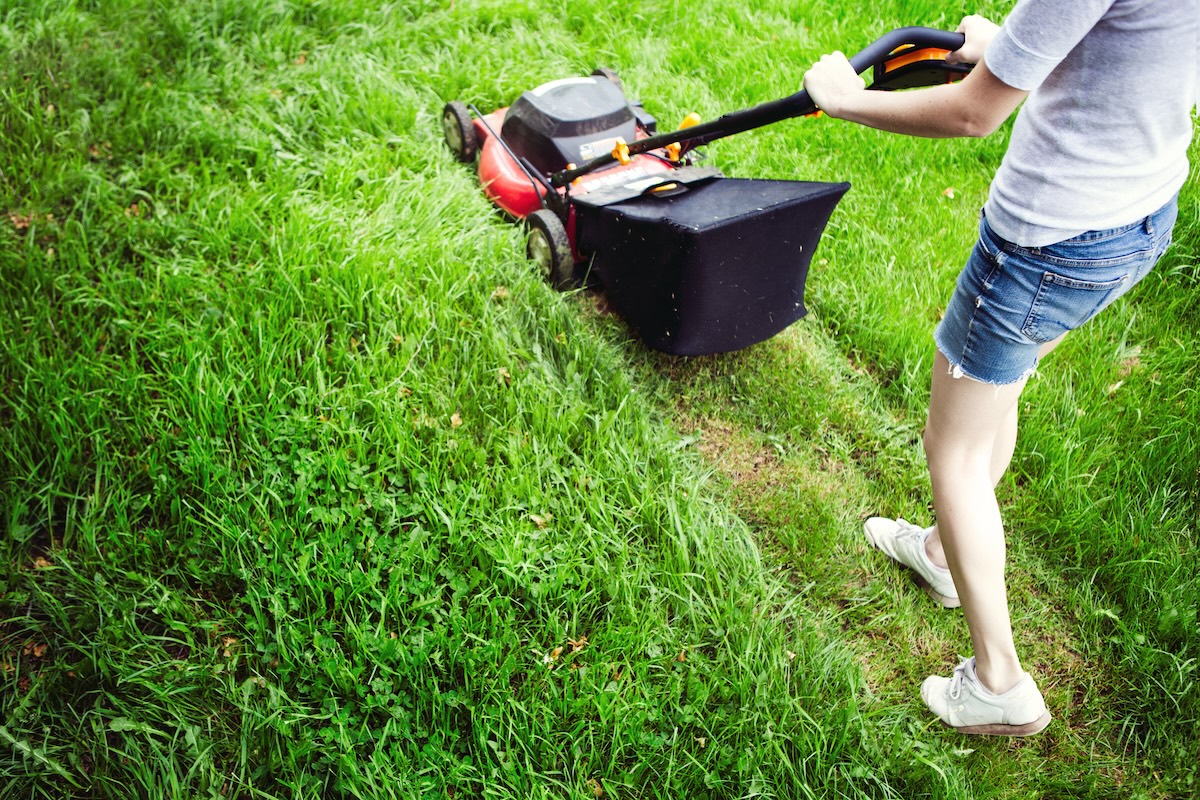
Wet grass makes the ground slippery. Slips and falls are more likely when pushing a reel mower. Wear shoes with good grip and walk carefully. Avoid mowing on steep slopes or uneven ground. Wet mower parts can be slippery, so handle with care. Keep hands and feet away from blades at all times. Stay alert to prevent accidents.
:strip_icc()/BHG-Can-You-Mow-Wet-Grass-1180791660-dd85a1324371466c93b7bb720858953d.jpg "Can You Use a Reel Mower on Wet Grass? Expert Tips Revealed")
Credit: mariethebird.com
Alternatives For Wet Grass
Mowing wet grass poses challenges for many lawnmowers, especially reel mowers. Wet grass blades tend to clump and stick, making it harder to get a clean cut. Choosing the right tool and timing can protect your lawn and equipment.
Several alternatives work better on damp or wet grass. These options help avoid damage to your lawn and mower while ensuring a neat appearance.
Best Mower Types For Wet Conditions
Rotary mowers with sharp blades handle wet grass well. Their fast-spinning blades cut cleanly through wet, bent grass. Self-propelled models reduce slipping on slick surfaces.
Hover mowers float above the ground, reducing soil compaction on wet lawns. Electric mowers often offer better control and lighter weight, which helps on slippery terrain.
Some walk-behind mowers have wide tires for better traction. Mulching mowers shred wet clippings finely, preventing clumps and improving lawn health.
When To Delay Mowing
Avoid mowing during heavy rain or when grass is soaked. Wet soil compacts easily, damaging roots and lawn structure. Mowing at these times can create ruts and uneven cuts.
Wait until the grass dries enough to stand upright. Morning dew or light moisture usually dries by midday, making it safer to mow. Delaying mowing also reduces risk of mower clogging and blade damage.
Check weather forecasts and soil moisture before planning mowing. Patience ensures your lawn stays healthy and your equipment lasts longer.
Cleaning And Care After Mowing Wet Grass
Cleaning and caring for your reel mower after mowing wet grass keeps it in good shape. Wet grass can stick to the blades and frame. This buildup can cause rust and dull the blades. Proper cleaning and maintenance help your mower last longer and work better.
Preventing Rust And Corrosion
After mowing, remove all grass clippings from the mower. Use a brush or cloth to clean hard-to-reach spots. Dry the mower completely to stop moisture from causing rust. Store the mower in a dry place. Spray a light coat of oil on metal parts. This oil layer protects against corrosion and keeps blades smooth.
Proper Blade Sharpening
Wet grass can dull the blades faster than dry grass. Check blade sharpness often for a clean cut. Use a sharpening kit made for reel mowers. Follow the manufacturer’s instructions carefully. Sharpen blades in a well-lit, safe area. Sharp blades reduce effort and improve cutting quality. Proper care during sharpening also avoids damage to the mower.

Credit: www.youtube.com
Credit: www.bobvila.com
Frequently Asked Questions
What Are The Downsides Of A Reel Mower?
Reel mowers struggle with tall, thick grass and can jam on sticks or rocks. Sharpening blades requires professional help. They need more physical effort and don’t work well on uneven terrain.
Can I Use A Mower On Wet Grass?
Using a mower on wet grass can cause uneven cuts and clogging. It may damage both the lawn and mower. Wait for dry conditions to ensure a clean, efficient mow and protect your equipment.
Is October Too Late To Mow?
October is not too late to mow if the grass grows. Mow regularly until growth slows or stops due to cold.
What Type Of Mower Is Best For Wet Grass?
A reel mower suits wet grass best due to its clean, precise cutting action. Avoid rotary mowers, which clog easily. Reel mowers glide over damp grass without tearing, preventing clumps and damage. Ensure the ground isn’t waterlogged to avoid slipping or lawn harm.
Conclusion
Using a reel mower on wet grass is possible but tricky. Wet grass can clog the blades and cause uneven cuts. Push slowly and avoid standing water to protect your lawn and mower. Wait for drier moments when you can for the best results.
Taking care helps keep your grass healthy and your mower working well. Choose the right time to mow for a neat, clean lawn every time.