Have you ever wondered what it really means to take care of your lawn? Lawn care is more than just mowing the grass—it’s about keeping your outdoor space healthy, green, and vibrant throughout the year.
Whether you want to impress your neighbors, create a relaxing spot for your family, or simply boost your home’s curb appeal, understanding lawn care is the first step. You’ll discover what lawn care involves, why it matters, and how simple habits can transform your yard into the lush, beautiful space you’ve always wanted.
Ready to unlock the secrets to a thriving lawn? Let’s dive in!
You May Like
No products found.
Lawn Care Basics
Lawn care basics are essential for anyone wanting a healthy, green yard. Understanding the core elements helps maintain your lawn’s beauty and health. This section breaks down what lawn care means and the main services involved.
Definition And Purpose
Lawn care means keeping your grass healthy and attractive. It includes regular actions that support growth and prevent damage. The purpose is to create a clean, green space for relaxation and outdoor activities. A well-maintained lawn improves your home’s look and increases property value.
Key Lawn Care Services
Several services make up basic lawn care. Mowing cuts the grass to a proper height for growth. Watering provides the moisture grass needs to stay alive. Fertilizing adds nutrients to the soil, helping grass grow strong. Weed control removes unwanted plants that compete for space and nutrients. Aeration punches small holes in the soil to improve air and water flow. Seeding fills bare spots with new grass. These services work together to keep lawns lush and healthy.
Essential Lawn Care Practices
Essential lawn care practices keep your grass healthy and green all year. Regular care helps the lawn grow thick and resist weeds and pests. These simple steps improve your yard’s beauty and value. Follow them to enjoy a lush, vibrant lawn.
Mowing Techniques
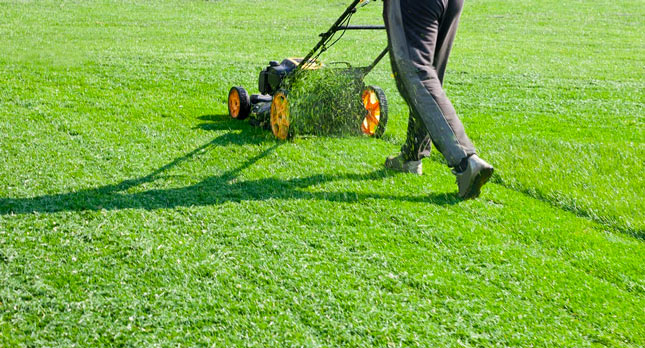
Cut grass regularly to keep it neat and healthy. Avoid cutting more than one-third of the blade at a time. Use sharp blades for clean cuts. Change mowing patterns to prevent soil compaction. Leave grass clippings on the lawn for natural fertilizer.
Watering Tips
Water deeply but less often to encourage strong roots. Early morning is the best time to water. Avoid watering in the heat of the day to reduce evaporation. Use a sprinkler for even coverage. Adjust watering during rainy or dry periods.
Fertilization Schedule
Feed your lawn with the right nutrients at the right time. Apply fertilizer in early spring and fall for cool-season grass. Use slow-release fertilizers to avoid burning. Follow package instructions for amounts. Water the lawn after fertilizing to help absorption.
Weed And Pest Control
Keep weeds and pests under control to protect your lawn. Pull weeds by hand or use safe herbicides. Spot treat areas with heavy weed growth. Monitor for pests like grubs or insects. Apply natural or chemical treatments as needed.
Aeration And Seeding
Aerate the soil to improve air, water, and nutrient flow to roots. Use a lawn aerator once a year, especially in compacted areas. Overseed thin or bare spots to thicken the grass. Choose seeds that match your lawn type. Keep new seeds moist until they grow.
Soil Health And Testing
Soil health is the foundation of a beautiful, thriving lawn. Healthy soil supports strong grass roots and helps your lawn resist pests and diseases. Testing your soil reveals its current condition and what it needs to grow well. This step is crucial for effective lawn care. Understanding soil health and testing helps you create the best environment for your grass.
Importance Of Soil Testing
Soil testing shows nutrient levels and pH balance. It tells you what your soil lacks or has in excess. Without testing, you may apply wrong treatments that harm your lawn. Testing saves money by guiding proper fertilization and amendments. It also prevents overuse of chemicals that can damage soil life.
Amendments And Nutrients
Amendments improve soil texture and nutrient content. Common amendments include compost, lime, and gypsum. Nutrients like nitrogen, phosphorus, and potassium are vital for grass growth. Applying the right nutrients at the right time boosts lawn health. Amendments help soil retain water and air, promoting strong roots and lush grass.

Credit: gomow.com
Seasonal Lawn Care
Seasonal lawn care means caring for your lawn based on the time of year. Each season has special tasks that help the grass grow strong and stay healthy. Following a seasonal plan keeps your lawn green and beautiful all year long.
Spring Preparation
Spring is the time to wake up your lawn. Remove dead leaves and debris first. Aerate the soil to help air and water reach the roots. Apply fertilizer to give nutrients needed for new growth. Plant grass seeds in bare spots. Mow regularly but keep the blade high.
Summer Maintenance
Summer heat can stress your lawn. Water deeply but less often to encourage strong roots. Mow often, but never cut too short. Pull weeds before they spread. Use fertilizer sparingly. Watch for pests and treat early to avoid damage.
Fall Cleanup
Fall prepares your lawn for winter rest. Rake leaves to prevent mold growth. Aerate again to relieve soil compaction. Apply a slow-release fertilizer for root strength. Overseed to fill thin areas. Keep mowing until grass stops growing.
Winter Care
Winter is a quiet time for your lawn. Avoid walking on frozen grass to prevent damage. Clear heavy snow from small areas if possible. Do not apply fertilizer or water. Plan for spring by checking your tools and equipment.
Choosing The Right Grass
Choosing the right grass is a key part of lawn care. The grass type affects how your lawn looks and grows. Different grasses suit different climates and soil types. Picking the right grass saves water and reduces maintenance. It helps your lawn stay green and healthy all year.
Cool Season Grasses
Cool season grasses grow best in cooler climates. They thrive in spring and fall. These grasses slow down in hot summer months. Common types include Kentucky bluegrass, fescue, and ryegrass. They have fine blades and form dense turf. Cool season grasses need more water in summer heat.
Warm Season Grasses
Warm season grasses prefer hot weather. They grow fast in summer and go dormant in winter. Bermuda, zoysia, and St. Augustine are popular warm season grasses. These grasses have thick blades and resist drought well. They need less watering and stay green in heat. Warm season grasses recover quickly from wear and tear.
Grass Selection Tips For Austin, Tx
Austin has a warm climate with hot summers. Warm season grasses fit best here. Bermuda grass is common and easy to care for. Zoysia grass looks dense and tolerates shade. St. Augustine grass works well in shady spots. Avoid cool season grasses that struggle in Austin’s heat. Test your soil before planting. Choose grass that matches your lawn’s sunlight and use.
Lawn Care Tools And Equipment
Lawn care requires the right tools and equipment for healthy, green grass. These tools make maintenance easier and more effective. Using proper equipment helps keep your lawn neat and thriving all year.
Mowers And Edgers
Mowers are essential for cutting grass evenly. They come in various types, including push mowers and riding mowers. Edgers help create clean, sharp lines along sidewalks and flower beds. Together, they give your lawn a polished look.
Irrigation Systems
Irrigation systems supply water to your lawn automatically. Sprinklers cover large areas, ensuring grass stays hydrated. Drip irrigation targets specific plants, saving water and reducing waste. Proper watering supports deep root growth and a lush lawn.
Robotic Lawn Mowers
Robotic mowers cut grass without human effort. They move on their own, following set schedules. These mowers keep grass trimmed regularly, promoting healthy growth. They save time and reduce the work of lawn care.
Diy Vs. Professional Lawn Care
Deciding between DIY and professional lawn care can shape your yard’s health and look. Each option offers unique advantages. Choosing the right approach depends on your time, skills, and lawn needs. Understanding these differences helps make a smart choice.
Benefits Of Diy Maintenance
Doing lawn care yourself saves money on service fees. It offers full control over products and schedules. You learn about your lawn’s specific needs and problems. DIY work builds a personal connection with your outdoor space. It allows immediate action when issues arise. Basic tools and knowledge cover most routine tasks. Mowing, watering, and simple weed control are easy to manage. It also provides a satisfying sense of accomplishment.
When To Hire Experts
Experts help with complex lawn problems beyond basic care. They use professional tools and specialized treatments. Pest infestations, soil testing, and fertilization often require expert skills. Professionals save time and effort, especially for large yards. They provide consistent care through all seasons. Experts know local climate and grass types well. Hiring reduces risks of damage from incorrect care. It ensures a healthy, green lawn with less hassle.
Selecting A Lawn Care Service
Choose a company with good reviews and local experience. Verify licensing and insurance for safety and reliability. Ask about services offered and treatment methods. Check if they use eco-friendly products to protect your family and pets. Compare prices but prioritize quality and results. Look for clear communication and customer support. A trustworthy service provides regular updates on lawn health. Pick a provider who understands your lawn’s unique needs.
Credit: www.thegrassmaster.com
Common Lawn Care Mistakes
Taking care of your lawn is more than just watering and mowing. Many people make common mistakes that harm their grass and soil. These errors can cause weak, patchy lawns instead of lush green yards. Understanding these mistakes helps you avoid them and keep your lawn healthy.
Overwatering And Underwatering
Water is essential for grass, but too much or too little can cause damage. Overwatering makes roots weak and invites fungus. It also wastes water and increases your bill. Underwatering causes dry, brown patches and stressed grass. Water deeply and less often to encourage strong roots.
Incorrect Mowing Height
Cutting grass too short or too long harms your lawn. Mowing too low stresses grass and exposes soil to sun. It also invites weeds and pests. Mowing too high leaves grass weak and uneven. Set your mower to the right height for your grass type. Change blades regularly for a clean cut.
Ignoring Pest Problems
Pests damage grass and soil if left unchecked. Bugs, grubs, and other pests can kill your lawn. Look for signs like brown spots, holes, or wilting. Treat pest problems early with natural or chemical controls. Regular checks help catch issues before they spread.
Credit: pristinelandscapingandlighting.com
Frequently Asked Questions
What Is The Meaning Of Lawn Care?
Lawn care means maintaining a lawn’s health and appearance through mowing, fertilizing, weed control, aeration, and watering. It keeps grass green and thriving year-round.
Is Lawn Care The Same As Landscaping?
Lawn care focuses on maintaining an existing lawn’s health through mowing, fertilizing, and weed control. Landscaping involves designing and creating outdoor spaces with features like patios, plants, and irrigation systems. Lawn care is routine upkeep, while landscaping is a project-based transformation of your yard.
What’s Another Name For Lawn Care?
Another name for lawn care is lawn maintenance. It involves mowing, fertilizing, weed control, aeration, and overall lawn health upkeep.
What Is Included In Lawn Care Services?
Lawn care services include mowing, fertilizing, weed and pest control, aeration, seeding, and soil testing. They maintain lawn health and appearance.
Conclusion
Lawn care keeps your grass healthy, green, and attractive. It involves regular tasks like mowing, watering, and fertilizing. Controlling weeds and pests protects your lawn from damage. Aeration and soil care help grass roots grow strong. Consistent lawn care improves your yard’s appearance and value.
A well-maintained lawn creates a pleasant outdoor space. Simple steps can make a big difference over time. Taking care of your lawn is rewarding and satisfying. Start with basic tasks and watch your lawn thrive.