Are you looking to smooth out your lawn without spending a fortune on a lawn roller? You’re not alone.
Many homeowners in Austin, Texas, and beyond want an easy, effective way to level their grass or press seeds into the soil without buying bulky equipment. The good news? You don’t always need a traditional lawn roller to get the job done.
You’ll discover smart, budget-friendly alternatives that you can make or find around your home. These simple solutions can save you time and money while giving your lawn that neat, professional look you want. Ready to transform your yard? Keep reading to find the perfect lawn roller alternative for your needs!
Diy Lawn Roller Ideas
Creating a smooth and even lawn surface often requires a lawn roller. Buying one can be costly and bulky. Building your own DIY lawn roller is a smart and budget-friendly option. These simple ideas use common materials and deliver great results.
Pvc Pipe Roller
A large PVC pipe makes a handy lawn roller. Fill it with sand or water for weight. Wrap the pipe with cloth or old carpet to protect grass. Attach handles or a sturdy rope for easy pulling. This roller is lightweight when empty and easy to store.
Weighted Log Roller
A heavy log serves well as a natural lawn roller. Choose a thick, solid log about 3 to 4 feet long. Remove bark and smooth the surface to avoid damaging grass. Add a handle or rope to pull it across your lawn. This method uses materials you may already have.
Water-filled Drum Roller
A plastic drum or barrel becomes a strong roller when filled with water. Use a drum with a smooth surface to avoid tearing the lawn. Fill it halfway to control the weight and ease movement. Attach a rope or handle to guide it across the lawn. Empty it for easy storage and transport.

Credit: www.youtube.com
Household Items As Rollers
Household items can serve as effective lawn rollers. These common tools help press soil and seeds gently. They provide an affordable way to keep your lawn smooth. Using items around the house saves money and effort. Here are some practical household roller alternatives.
Using A Paint Roller
A paint roller is handy for small lawn jobs. Choose a large, sturdy roller with a metal frame. Attach a long handle to reach the ground easily. Wrap the roller with a damp cloth to protect grass. Roll slowly over the lawn to press seeds or soil. This method works best for patchy or thin areas.
Heavy Duty Pipes
Heavy duty pipes make excellent lawn rollers. Use a metal or PVC pipe about 6 to 12 inches wide. Fill the pipe with water or sand for extra weight. Seal the ends tightly to avoid leaks. Roll the pipe over the lawn in straight lines. The pipe’s weight helps compact soil evenly without damage.
Concrete Blocks
Concrete blocks provide a strong pressing force for lawns. Lay a smooth block flat on the ground. Attach a sturdy handle or rope to control it. Push or pull the block slowly over the lawn surface. Avoid sharp edges to protect grass from tearing. This method is best for small or uneven lawn areas.
Tools For Soil Compaction
Soil compaction is essential for a healthy lawn and garden. It helps seeds stay in place and soil settle evenly. Different tools can compact soil effectively without a traditional lawn roller. These tools fit various project sizes and budgets. Understanding each option helps you pick the right tool for your needs.
Manual Plate Tamper
A manual plate tamper is a simple tool for small areas. It has a flat metal base and a handle. You lift it and press down repeatedly to compact soil. This tool works well for garden beds and patches of lawn. It requires physical effort but gives good control over soil firmness.
Gasoline-powered Tamper
This tamper uses a small motor to deliver powerful impacts. It is ideal for larger or tougher soil compaction jobs. The machine vibrates and pounds the soil quickly. It saves time and reduces manual labor. Keep safety in mind and use protective gear while operating.
Vehicle Rolling Techniques
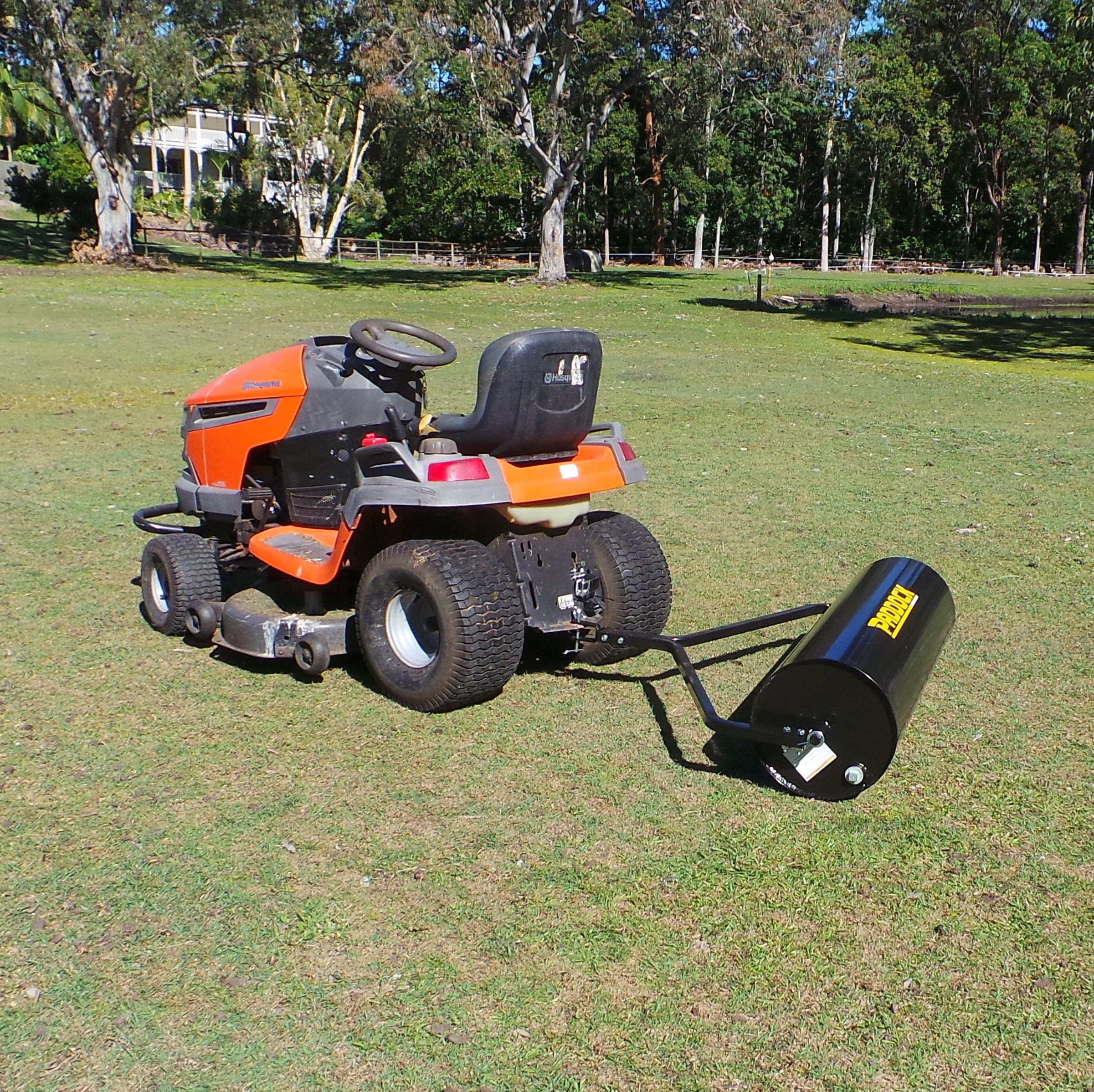
Driving a vehicle slowly over the soil can also compact it effectively. A truck or tractor with enough weight presses the ground evenly. This method suits large areas like new lawns or fields. Make sure the soil is dry enough to avoid damage. Repeat passes until the soil feels firm underfoot.
Seed-to-soil Contact Methods
Ensuring good seed-to-soil contact is crucial for successful lawn seeding. Seeds need to touch the soil firmly to absorb moisture and start growing. Without proper contact, seeds can dry out or wash away. Lawn rollers help with this, but there are simple alternatives that work well. These methods press seeds gently into the soil to boost germination.
Hand Pressing Techniques
Hand pressing uses your hands to press seeds into the soil. This method works best for small areas or garden beds. Spread seeds evenly, then pat the soil lightly with your palms. Avoid pressing too hard to keep soil loose around the seeds. Hand pressing is simple and needs no special tools.
Garden Drag Alternatives
A garden drag is a tool made from a board or metal frame with chains or ropes. Drag it across seeded soil to press seeds down gently. You can create a DIY drag by attaching old chains to a wooden board. Pull it behind a lawn mower or walk with it. This method is effective for larger areas.
Using A Board Or Flat Surface
A flat board or piece of plywood can replace a lawn roller. After spreading seeds, place the board on the soil. Step on it carefully to press seeds into the ground. Move the board over the entire seeded area. This method helps improve seed contact without heavy equipment.
Material Wrapping Tips
Wrapping materials properly helps protect your lawn roller alternative. It prevents damage to your tools and keeps surfaces safe. Wrapping also improves the rolling effect by adding cushioning. Use common household fabrics for easy and affordable wrapping solutions. Follow simple steps to secure the materials firmly. This ensures smooth and safe rolling on your lawn or garden soil.
Cloth Wrapping For Protection
Cloth acts as a soft barrier around your roller. It prevents scratches and dents on the roller surface. Cloth also stops soil from sticking to the roller. Choose thick, durable cloth for better protection. Wrap the cloth tightly to avoid slipping during use. This method keeps the roller clean and extends its life.
Using Old Towels Or Blankets
Old towels or blankets work well for wrapping purposes. They are thick and absorb shock when rolling. Towels can cover uneven surfaces on the roller. Blankets provide extra padding for delicate lawns. Cut them into manageable sizes for easy wrapping. These materials are often available at home, making them cost-effective.
Securing With Rope Or Tape
Use rope or strong tape to hold the wrapping in place. Wrap the rope tightly around the cloth or towel layers. Tape works best on smooth surfaces to keep cloth from slipping. Ensure the wrapping stays secure during rolling tasks. This prevents the material from coming loose and causing damage. Proper securing improves the roller’s performance and safety.
Credit: www.scintex.com.au
Cost-effective Lawn Tools
Maintaining a lush lawn does not require expensive tools. Cost-effective lawn tools can help achieve great results without straining your budget. These alternatives to traditional lawn rollers are simple, practical, and easy to make or find.
Using affordable options saves money and encourages sustainable gardening habits. Small investments in DIY or repurposed tools often deliver excellent results for lawn care.
Repurposing Old Equipment
Old equipment can serve as great lawn rollers with minor changes. For example, a large metal drum or a sturdy plastic barrel can be filled with water or sand. This adds weight, allowing it to press the soil evenly. Wrapping them with cloth prevents damage to the grass.
Look for unused items in your garage or shed. Repurposing avoids buying new tools and reduces waste. It is a smart choice for budget-conscious gardeners.
Building Lightweight Rollers
Lightweight rollers offer ease of use and are affordable to build. Using PVC pipes is a popular method. Fill the pipe with sand or water to add weight. Attach handles on both sides for easy rolling over the lawn.
This type of roller is easy to store and carry. Lightweight rollers are perfect for small to medium lawns and provide good soil compaction.
Diy Seed Rollers On A Budget
Creating a seed roller yourself helps improve seed-to-soil contact without spending much. A simple wooden board with a smooth surface can work well. Attach a weighted cylinder or heavy pipe to the board.
Roll this tool gently over freshly seeded areas to press seeds into the soil. This improves germination and helps your lawn grow healthier. DIY seed rollers are quick to make and use everyday materials.
Safety And Lawn Care Tips
Using a lawn roller alternative can help smooth your lawn and improve seed-to-soil contact. It is important to follow safety and lawn care tips to protect your grass and soil. Proper care prevents damage and promotes healthy growth.
Rolling your lawn the right way ensures good results without harming the sod. Understanding when and how to roll keeps your lawn in top shape. Skipping rolling at the wrong time avoids problems like soil compaction and grass damage.
Avoiding Sod Damage
Wrap your roller alternative with a soft cloth or towel. This protects the sod from direct pressure and tearing. Roll gently and avoid heavy pressure on new sod. Wet sod is fragile and can easily break. Wait until sod roots are strong before rolling.
Proper Rolling Techniques
Roll slowly and evenly in one direction first. Then roll at a right angle to the first pass. Avoid rolling back and forth too many times. Use light pressure to avoid soil compaction. Roll only enough to press seeds or sod firmly into the soil.
When To Skip Rolling
Do not roll if the soil is very wet or muddy. Rolling on wet soil can compact it and harm roots. Avoid rolling on dry, hard soil that cannot compress. Skip rolling if the lawn shows signs of stress or damage. Let the grass grow and recover before rolling again.

Credit: www.youtube.com
Frequently Asked Questions
What Can I Use Instead Of A Sod Roller?
Use a large PVC pipe filled with sand, wrapped in cloth, or a weighted log to roll sod without a sod roller.
How To Make A Homemade Grass Roller?
Fill a sturdy PVC pipe with sand and seal the ends. Wrap it with cloth to protect sod, then roll over your lawn evenly.
What Can You Use As A Garden Roller?
You can use a large PVC pipe filled with sand, wrapped in cloth, or a heavy log as a garden roller alternative.
How To Compact Soil Without A Lawn Roller?
Use a heavy flat board or plate tamper to press soil firmly. Walk repeatedly over the area to improve compaction. Fill a large PVC pipe with sand, wrap it in cloth, and roll it over soil as a DIY roller alternative.
Conclusion
Choosing a lawn roller alternative can save time and money. Simple tools like a PVC pipe filled with sand work well. Wrapping it in cloth protects your grass from damage. You can also use a heavy board or a garden tamper to press the soil.
These easy options help ensure good seed-to-soil contact. Try what fits your budget and materials at hand. Rolling your lawn doesn’t have to be hard or expensive. Give these ideas a try for a healthy, smooth lawn surface.