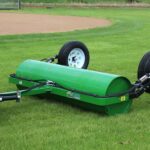
If you want your lawn to look perfectly smooth and healthy, a tow behind lawn roller might be just what you need. Whether you’re dealing with uneven ground, freshly seeded grass, or winter damage, this simple tool can make a big difference.
Imagine easily pulling your roller behind your tractor or ATV, gently pressing the soil to help seeds settle and create a flat, even surface. You’ll discover how a tow behind lawn roller works, why it’s a smart addition to your lawn care routine, and how to choose the right one for your needs.
Keep reading to transform your yard into the lush, flawless lawn you’ve always wanted.
You May Like
No products found.
Choosing Lawn Roller Weight
Choosing the right weight for your tow behind lawn roller is key. The weight affects how well the roller compacts soil and smooths your lawn. Too heavy can damage grass and roots. Too light might not do the job. Balance is important for healthy, even lawns.
Lightweight Options For Residential Lawns
Lightweight lawn rollers work well on most home lawns. They gently press soil without crushing grass. These rollers are easy to pull behind small tractors or lawn tractors. They help settle seed and topsoil after planting. Choose a roller under 200 pounds for safe, effective lawn care.
When To Use Heavy Rollers
Heavy rollers suit larger or uneven areas. They press down deep bumps and firm up soft ground. Use heavy rollers on new construction sites or after soil repairs. Avoid using heavy rollers on delicate grass or wet soil. Excess weight can harm roots and cause soil compaction.
Water-filled Rollers Benefits
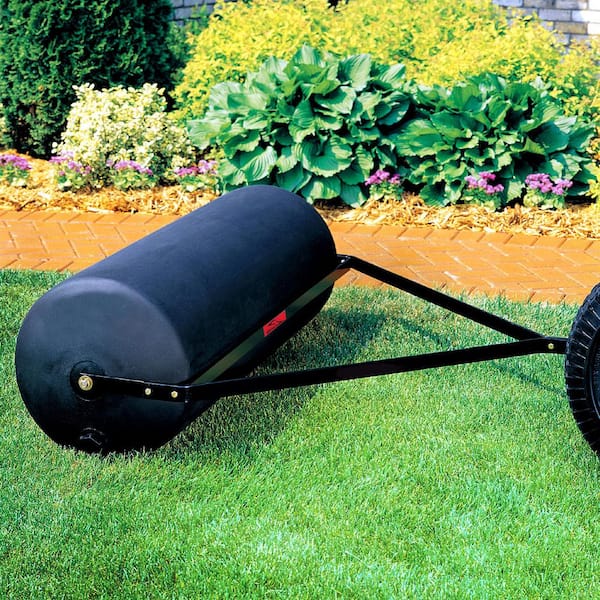
Water-filled rollers offer flexible weight options. Fill them partially or fully based on your lawn needs. They are easy to transport when empty. Water weight provides strong soil compaction when needed. These rollers work well for both light and heavy tasks. They save space and add convenience.
Benefits Of Lawn Rolling
Lawn rolling offers many advantages for a healthy, neat lawn. It helps improve the soil and grass condition. Using a tow behind lawn roller makes this task easier and faster. Here are some key benefits of lawn rolling.
Improved Water Absorption
Rolling the lawn helps the soil become firm and even. This allows water to soak in more deeply and evenly. Better water absorption means grass roots get enough moisture. It also reduces water runoff and puddles on the lawn.
Even Grass Cutting
A smooth lawn surface lets your mower cut grass evenly. Rolling fills small holes and bumps in the soil. This prevents the mower blades from missing patches or cutting unevenly. The lawn looks uniform and well-maintained after mowing.
Easier Dethatching
Dethatching removes dead grass and debris from the lawn. A rolled lawn is flatter, making dethatching simpler and more effective. The dethatcher can reach all parts of the lawn easily. This helps grass grow healthier and reduces lawn diseases.
Fixing Frost Heaves
Frost heaves cause soil to lift and create bumps in winter. Rolling the lawn in early spring pushes the soil back down. It restores a level surface for grass to grow evenly. This prevents damage to lawn equipment and improves lawn appearance.
Rolling Techniques
Using a tow behind lawn roller correctly improves lawn health and appearance. Proper rolling helps smooth the soil and press seeds firmly. It also makes the ground level and easier to mow.
Different rolling methods suit different lawn conditions. Understanding these methods saves time and prevents damage.
Pulling Vs Pushing The Roller
Tow behind rollers are designed to be pulled, not pushed. Pulling keeps the roller steady and avoids soil disruption. Pushing can cause uneven pressure and damage the turf.
Pulling allows better control and a smoother finish. It reduces the risk of scalping or tearing the grass.
Avoiding Soil Compaction
Heavy rolling can compact soil and harm roots. Use a lightweight roller or fill it halfway with water. Roll only when soil is moist, not wet or dry.
Roll in different directions to prevent deep compaction. Avoid rolling the same spot multiple times.
Rolling After Seeding Or Sodding
Rolling after seeding presses seeds into the soil for better contact. This helps seeds germinate evenly and quickly. Roll gently to avoid moving or burying seeds too deep.
After laying sod, roll to remove air pockets and improve root contact. Roll soon after installation but avoid heavy rolling on new sod.
Credit: www.homedepot.com
Best Time To Roll Your Lawn
Rolling your lawn at the right time helps improve its health and appearance. It smooths out bumps and presses seeds into the soil. Choosing the best moment ensures you do not harm the grass or soil structure.
Timing depends on weather, soil moisture, and grass growth. Let’s explore when to roll for the best results.
Early Spring Rolling
Early spring is a good time to roll your lawn. The soil starts to thaw and soften after winter. Rolling now helps settle the soil and smooth rough spots. It also pushes seeds into the earth for better germination. Avoid rolling too early before the ground thaws fully.
Soil Moisture Considerations
Soil moisture affects rolling success greatly. The soil should be damp but not wet. Damp soil compacts easily and holds seeds well. Dry soil is hard and resists rolling. Check the soil by pressing your finger into it. If it feels moist and soft, it is ready for rolling.
Avoiding Saturated Ground
Never roll on saturated or muddy ground. Rolling on wet soil damages grass roots and causes soil compaction. This blocks air and water from reaching roots. Wait until the lawn dries after rain or heavy watering. Rolling on dry or just damp ground keeps the lawn healthy and strong.
Popular Tow Behind Lawn Rollers
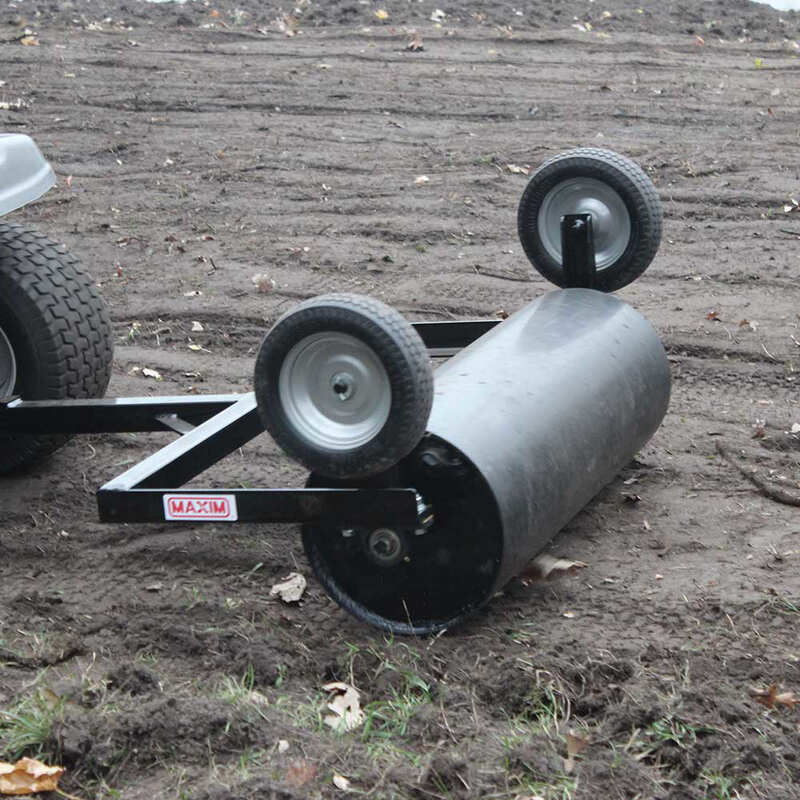
Tow behind lawn rollers help keep your lawn smooth and even. They press down bumps and help seeds settle into the soil. Many lawn owners in Austin, Texas, find these rollers useful. They come in different sizes and weights. You can choose one to match your lawn size and tractor power.
Top Brands And Models
Some popular brands make reliable tow behind lawn rollers. John Deere by Brinly-Hardy Co is well-known for durable models. Ohio Steel offers strong steel rollers. VEVOR provides affordable, lightweight options. SVOpes also has good models for small lawns. These brands focus on quality and user satisfaction.
Price Ranges And Deals
Prices vary from budget to premium. Basic models start around $80 to $200. Mid-range rollers cost between $200 and $400. Heavy-duty and large rollers can go up to $450. Many stores in Austin offer seasonal deals and free delivery. Discounts often reduce prices by 20% to 30%.
Where To Buy In Austin, Texas
Home Depot in Austin stocks several tow behind lawn rollers. Tractor Supply Company carries brands like Ohio Steel and others. Lowe’s also offers a good selection with competitive prices. Local garden centers sometimes have models for immediate pickup. Online shopping with local delivery is a popular choice too.
Credit: rootrevivedirect.com
Maintaining Your Lawn Roller
Maintaining your tow behind lawn roller is key to its long life and best performance. Regular care prevents damage and keeps it working smoothly. Simple steps can protect your investment and save money on repairs.
Follow these maintenance tips to keep your lawn roller clean, rust-free, and ready for use. A little effort after each use goes a long way in preserving its condition.
Cleaning And Storage Tips
After each use, remove dirt and grass from the roller surface. Use a brush or cloth to clean thoroughly. Avoid using high-pressure water that may damage parts.
Store your lawn roller in a dry, covered place. Keep it off the ground to prevent moisture buildup. Cover it with a tarp if stored outside to shield from rain and sun.
Preventing Rust And Damage
Apply a light coat of oil or rust inhibitor on metal parts. This helps stop rust from forming. Check the roller drum for scratches or dents and fix them promptly.
Keep the roller dry to avoid corrosion. Avoid leaving water inside the roller if it is a water-filled type. Drain it after use to prevent freezing or rust.
Regular Inspection Checklist
- Check tires for proper inflation and wear.
- Inspect the hitch and connections for tightness.
- Look for signs of rust or paint peeling.
- Test the roller for smooth rotation.
- Examine the frame for cracks or damage.
- Lubricate moving parts as needed.
Perform these checks monthly or after heavy use. Early detection of issues saves time and cost on repairs. A well-maintained lawn roller works efficiently and lasts longer.
Tips For A Perfect Lawn Finish
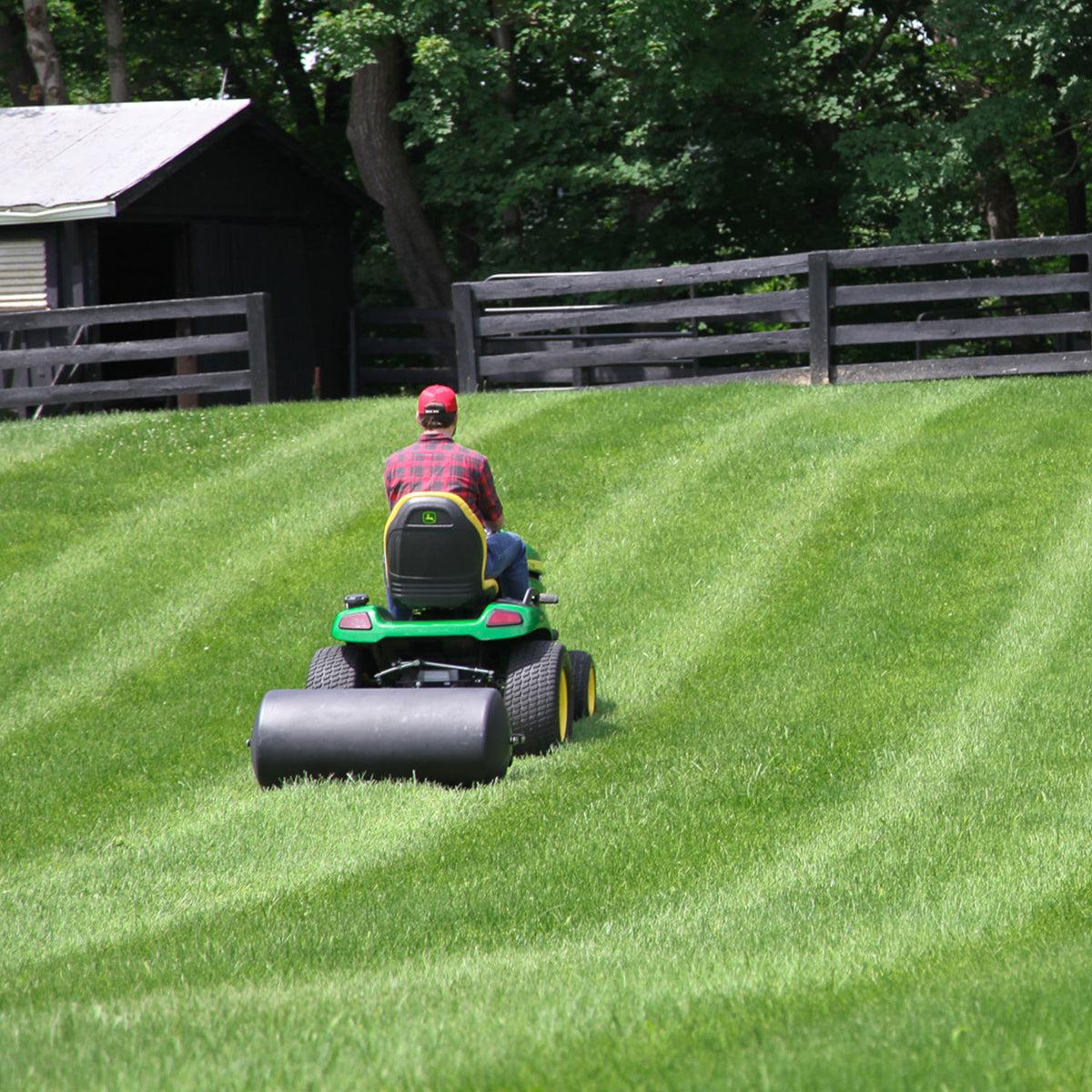
Achieving a perfect lawn finish takes more than just using a tow behind lawn roller. Proper techniques and timing can greatly improve your lawn’s appearance. Follow these tips to get smooth, even, and healthy grass that looks great all year.
Combining Rolling With Other Lawn Care
Rolling works best when combined with other lawn care tasks. Aerate the soil before rolling to relieve compaction. Spread grass seed or fertilizer after rolling to help them settle evenly. Water your lawn lightly to aid seed germination and soil recovery. Mowing your lawn regularly keeps grass at a healthy height for rolling. This combination creates a firm, even surface that promotes healthy grass growth.
Avoiding Over-rolling
Using the lawn roller too often can harm your grass roots. Over-rolling compacts the soil and blocks air and water from reaching roots. Roll only when the soil is moist but not soggy. Limit rolling to once or twice a year, usually in spring or fall. Watch your lawn for signs of stress like yellowing or thinning grass. Stop rolling immediately if you notice damage to protect your lawn.
Seasonal Lawn Care Strategies
Different seasons need different rolling approaches. In spring, roll after the soil thaws to smooth bumps and settle seeds. Summer is not ideal for rolling because dry soil can compact easily. Use fall to roll again, helping repair summer damage and prepare the lawn for winter. Winter rolling is usually unnecessary and can damage frozen soil. Adjust your rolling schedule based on local weather and grass type for best results.
Credit: brinly.com
Frequently Asked Questions
How Heavy Should Your Lawn Roller Be?
A lawn roller should be light to medium weight, typically 50-100 pounds for residential lawns. Use half-filled water rollers for seeding or top dressing. Avoid heavy rollers to prevent soil compaction and damage. Choose weight based on lawn size and soil condition for best results.
Does Lawn Rolling Really Work?
Lawn rolling works by smoothing uneven ground and improving seed-to-soil contact. It also helps water absorb evenly and reduces frost heaves. Use a lightweight roller in early spring for best results without compacting the soil.
Why Is Pulling The Lawn Roller Preferred Than Pushing The Lawn Roller?
Pulling a lawn roller reduces friction by lowering downward force, making it easier to move than pushing, which increases friction and effort.
What Time Of Year Should You Roll Your Lawn?
Roll your lawn in early spring after frost melts and soil stays moist. Also, roll after seeding or laying sod to improve soil contact. Avoid rolling when soil is soggy or during hot, dry periods to prevent damage.
Conclusion
A tow behind lawn roller helps keep your lawn smooth and even. It makes seeding and top dressing easier and more effective. Choose a roller weight that fits your lawn size and needs. Using it regularly improves water absorption and mower performance.
A well-rolled lawn looks neat and healthy. Consider one if you want simple lawn care with good results.