Is your lawn looking dull, patchy, or brown? You’re not alone, and the good news is that getting your lawn green again is easier than you think.
Imagine stepping outside to a lush, vibrant yard that makes your home the envy of the neighborhood. You don’t have to be a gardening expert or spend hours on maintenance to achieve that. In this guide, you’ll discover simple, effective steps that will bring life back to your grass quickly.
Ready to transform your lawn into a green paradise? Let’s dive in and get started!
Assess Lawn Condition
Before fixing your lawn, you must assess its condition. This step helps you understand what is wrong and how to improve it. By checking your lawn carefully, you can save time and money. It also helps you choose the right solutions to make your grass green again.
Identify Problem Areas
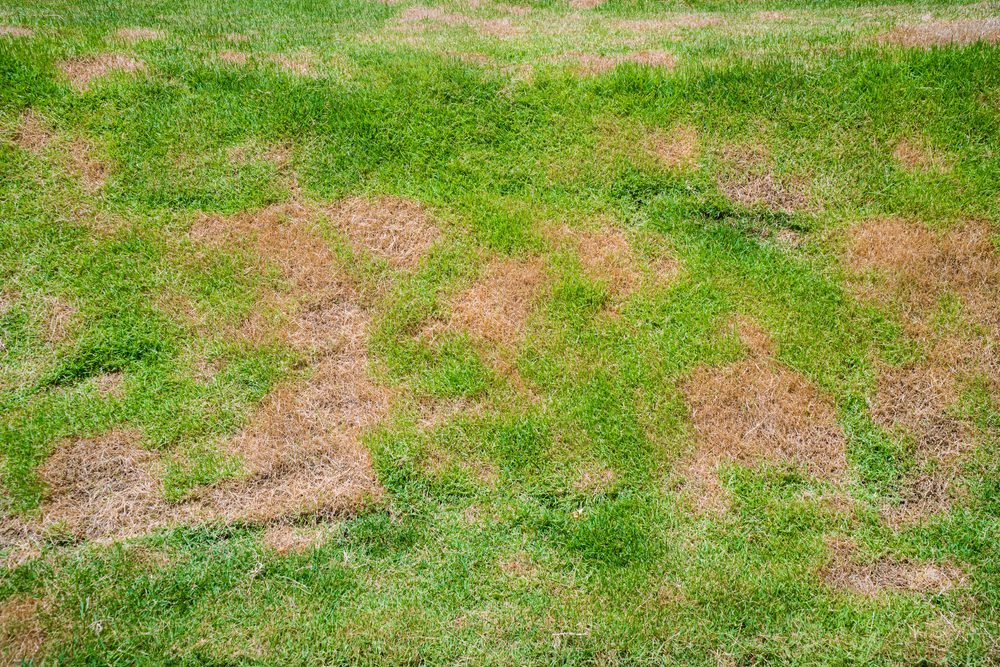
Walk around your lawn and look closely. Notice spots where grass is thin, brown, or missing. These areas might have pests, disease, or damage from foot traffic. Mark these spots to treat them later. Knowing exact problem areas helps focus your efforts.
Check Soil Health
Healthy soil is key for green grass. Take small soil samples from different parts of your lawn. Test the soil for pH, nutrients, and texture. Many garden centers offer simple soil tests. Poor soil may need fertilizer, lime, or organic matter to improve.
Evaluate Watering Habits
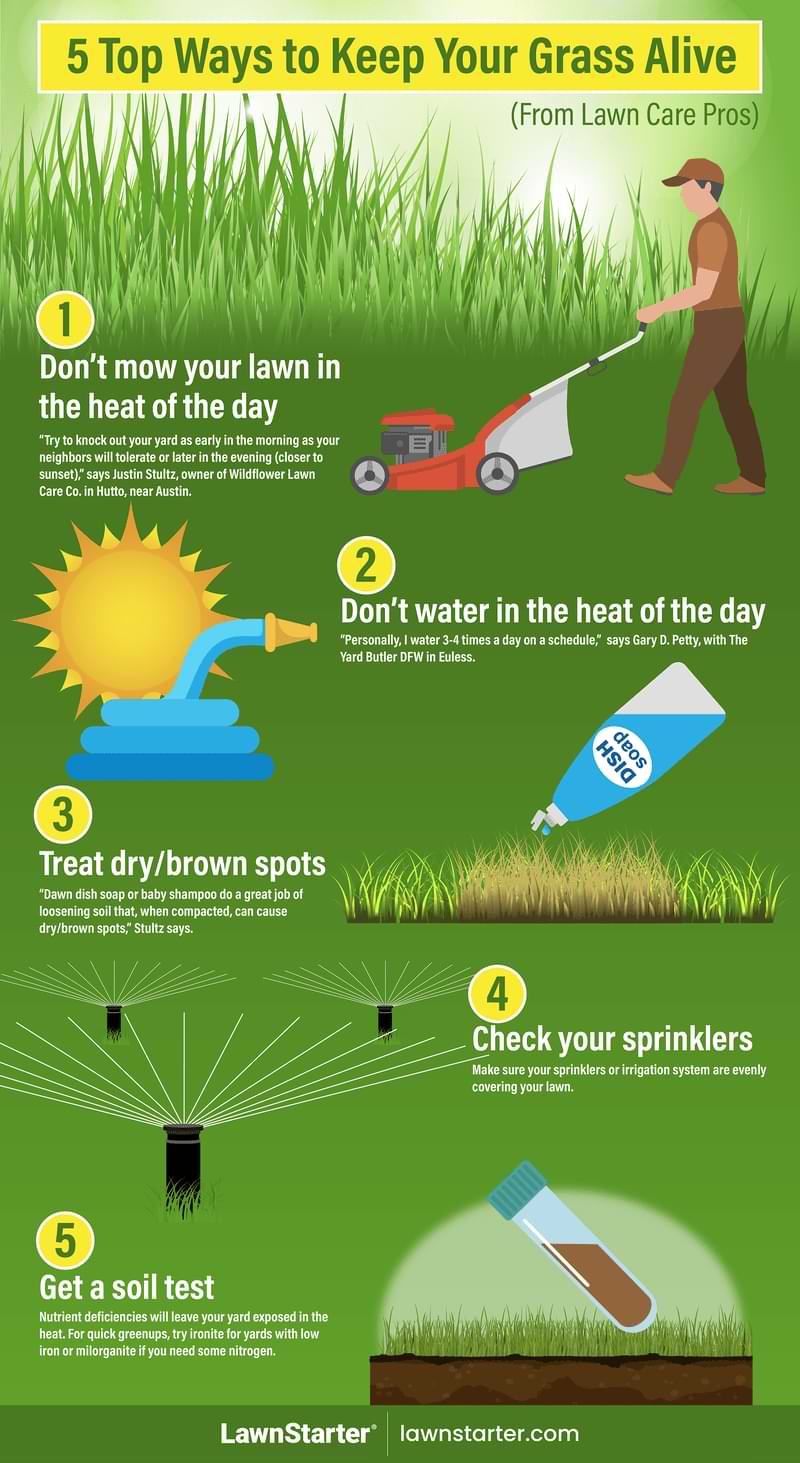
Water affects lawn health greatly. Check how often and how much you water your lawn. Too little water causes dry, brown grass. Too much water leads to shallow roots and disease. Water early in the morning for best results. Adjust your watering schedule based on your lawn’s needs.
Credit: experigreen.com
Improve Soil Quality
Improving soil quality is key to bringing your lawn back to life. Healthy soil supports strong grass roots and helps retain water. It also provides essential nutrients for green, lush grass. Simple steps can make your soil richer and your lawn healthier.
Test Soil Ph
Soil pH affects how well grass absorbs nutrients. Test your soil with a kit or send a sample to a lab. Aim for a pH between 6.0 and 7.0 for most grasses. Adjust pH by adding lime to raise it or sulfur to lower it. Correct pH improves nutrient uptake and grass growth.
Add Organic Matter
Organic matter enriches soil and improves texture. Spread compost, manure, or leaf mold over your lawn. Work it into the topsoil with a rake or tiller. Organic matter helps soil hold water and nutrients. It also feeds beneficial microbes that support grass health.
Aerate Compacted Soil
Compacted soil blocks air, water, and roots. Use a lawn aerator to create small holes in the soil. Aeration relieves compaction and improves drainage. It helps roots grow deeper and absorb nutrients better. Aerate your lawn during the growing season for best results.
Choose The Right Grass
Choosing the right grass is key to having a green lawn again. Not all grass types grow well in every place. Picking the correct grass helps your lawn stay healthy and green. It saves water and needs less care. Here are some tips to choose the best grass for your lawn.
Select Grass Type For Climate
Grass grows best in certain climates. Warm-season grasses like Bermuda and Zoysia thrive in hot areas. Cool-season grasses like Kentucky bluegrass and fescue do well in cooler places. Know your climate zone before choosing. This helps your lawn grow strong and green all year.
Use Quality Seeds Or Sod
Good seeds or sod make a big difference. High-quality seeds grow into thick, green grass. Low-quality seeds may have weeds or thin spots. Sod gives instant green but must be fresh and healthy. Always buy seeds or sod from trusted sellers for best results.
Consider Shade And Sun Exposure
Grass needs the right amount of sunlight. Some grasses grow well in full sun. Others do better in shade or mixed light. Measure your lawn’s sun and shade areas. Choose grass types that match these conditions. This helps your lawn stay green and lush.
Credit: www.lawnstarter.com
Effective Watering Techniques
Watering your lawn correctly helps it stay green and healthy. Using the right watering techniques saves water and prevents lawn problems. Focus on watering deeply and at the best time of day. Avoid watering too much to keep grass strong.
Water Deeply And Infrequently
Watering deeply encourages roots to grow strong and deep. This helps grass survive dry periods. Watering a little every day makes roots stay shallow. Water your lawn so water reaches about 6 inches deep. This usually means watering for 20 to 30 minutes each time.
Best Time To Water
Water your lawn early in the morning. Water before 10 a.m. to reduce evaporation. Morning watering lets grass dry during the day. This stops fungus and diseases from growing. Avoid watering in the middle of the day when sun is hot.
Avoid Overwatering
Too much water can harm your lawn. It causes weak roots and encourages weeds. Water only when the soil feels dry about 1 to 2 inches deep. Use a screwdriver or soil probe to check soil moisture. Stop watering if water pools or runs off the lawn.
Fertilize For Growth
Fertilizing is a key step to make your lawn green again. It feeds your grass with nutrients. These nutrients help grass grow thick and healthy. Without fertilizer, grass can look thin and yellow.
Choosing the right fertilizer and applying it properly can bring your lawn back to life. Follow these tips to get the best results.
Select Appropriate Fertilizer
Pick a fertilizer made for lawns. Look for one with nitrogen, phosphorus, and potassium. Nitrogen helps grass grow green and lush. Phosphorus supports root growth. Potassium strengthens the grass against stress.
Check the label for numbers like 10-10-10 or 20-5-10. These show the nutrient amounts. Choose a mix based on your soil needs. You can test your soil to find out.
Apply Fertilizer Correctly
Spread fertilizer evenly over the lawn. Use a spreader for best coverage. Avoid dumping too much in one spot. This can burn the grass.
Water the lawn after applying fertilizer. Water helps nutrients soak into the soil. It also prevents fertilizer from staying on leaves, which can cause damage.
Timing Fertilizer Applications
Fertilize during the growing season. For cool-season grasses, early spring and fall work well. For warm-season grasses, late spring through summer is best.
Avoid fertilizing during extreme heat or drought. Grass may get stressed and not absorb nutrients well. Follow the product instructions for how often to apply fertilizer.
Control Weeds And Pests
Controlling weeds and pests is key to a green, healthy lawn. These unwanted plants and insects compete with grass for nutrients and water. They can cause patches, yellow spots, and slow growth. Regular care helps keep your lawn strong and vibrant.
Identify Common Lawn Weeds
Know the weeds in your lawn. Dandelions, clover, and crabgrass are common offenders. Each weed looks different and grows in various spots. Spotting them early stops their spread. Pull small weeds by hand before they flower. This simple step saves time and effort later.
Use Safe Herbicides
Choose herbicides that target weeds but are safe for grass. Read labels carefully. Apply herbicides on calm, dry days. Avoid using too much product, which can harm grass. Follow instructions for the best results. Use spot treatments to protect the rest of your lawn.
Manage Lawn Pests
Check your lawn for signs of pests. Look for chewed leaves, brown spots, or holes. Common pests include grubs, chinch bugs, and armyworms. Use natural methods like beneficial insects or neem oil first. If pests persist, consider safe insecticides. Healthy grass can resist pests better, so keep your lawn well-watered and fertilized.
Mowing Tips
Mowing is a key step to bring your lawn back to life. Proper mowing helps grass stay healthy and green. Cutting too short or too long can hurt the lawn. Follow simple mowing tips to improve your grass’s look and growth.
Set Proper Mowing Height
Adjust your mower to the right height for your grass type. Cutting grass too short stresses the roots. It can cause brown patches and weeds. Keep the mower blade higher to protect the grass. Taller grass holds water better and grows stronger.
Maintain Sharp Blades
Dull mower blades tear grass instead of cutting it clean. Torn grass can turn brown and get diseases. Check your mower blades often. Sharpen or replace them to keep cuts smooth. Sharp blades help grass heal faster and look better.
Mow Regularly
Cut your lawn often during the growing season. Regular mowing stops grass from getting too tall. Tall grass can block sunlight and slow growth. Mowing every week or ten days works well. Keep the grass at the right height for health and green color.
Prevent Lawn Diseases
Preventing lawn diseases is key to keeping your grass green and healthy. Diseases can cause brown patches, thin grass, and slow growth. Taking simple steps stops diseases before they spread. Healthy lawns resist damage and look fresh all season.
Recognize Disease Symptoms
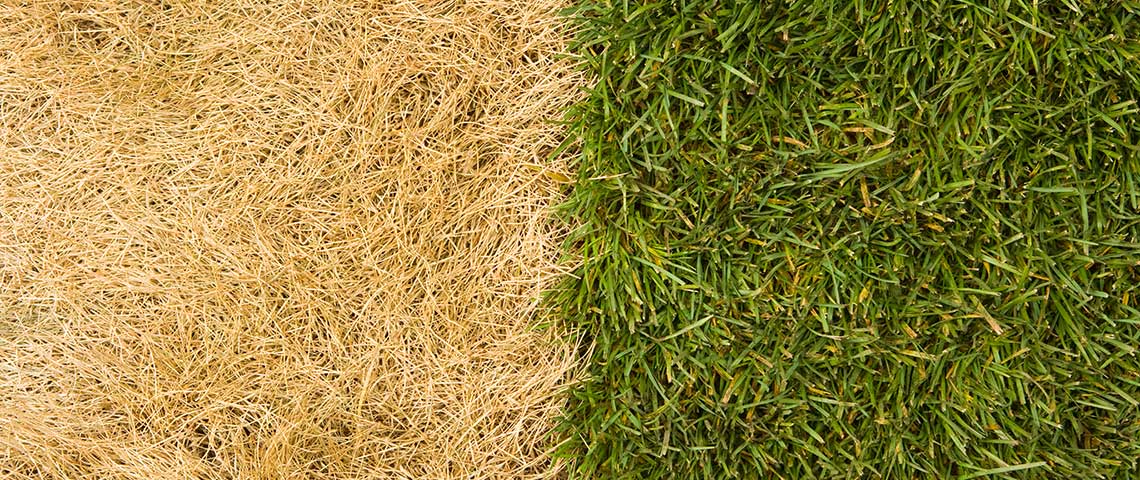
Spotting early signs helps control lawn diseases fast. Look for spots that are yellow, brown, or red. Patches with dead grass or slimy mold also signal trouble. Check blades and roots for unusual colors or softness. Catching problems early makes treatment easier and more effective.
Promote Good Air Circulation
Air movement reduces moisture that causes disease. Avoid thick grass that traps humidity. Use a rake or lawn aerator to thin the soil. Trim bushes and trees near the lawn for better airflow. Dry grass is less likely to develop fungal infections.
Apply Fungicides When Needed
Fungicides control fungal diseases and protect your lawn. Use them only if you see clear symptoms. Choose products made for your grass type. Follow the instructions carefully for safe and effective use. Overuse can harm grass and the environment.
Seasonal Lawn Care
Seasonal lawn care helps keep your grass healthy all year. Each season needs special work. This care supports green, strong grass. It also stops weeds and diseases.
Understanding what to do in spring, summer, and fall brings great results. Timing the tasks right makes your lawn thrive. Let’s explore what each season asks from you.
Spring Lawn Preparation
Spring is the start of new growth. Remove dead leaves and debris first. Rake the lawn to clear thatch. Aerate the soil to let air and water in. Apply a balanced fertilizer to feed grass roots. This helps grass grow thick and green. Plant grass seed on bare spots. Water lightly but often to help seeds sprout.
Summer Maintenance
Summer can stress your lawn with heat. Water deeply early in the morning. Avoid watering in the hot afternoon. Mow regularly but don’t cut grass too short. Leave grass blades longer to shade roots. Watch for pests and diseases. Treat problems quickly to protect grass. Fertilize lightly to keep grass nourished without burning it.
Fall Cleanup And Seeding
Fall is the best time to repair and strengthen grass. Remove fallen leaves to stop mold growth. Rake and aerate the lawn again. Spread fertilizer rich in potassium for root health. Overseed thin areas with cool-season grass seed. Water regularly to help new seeds grow. Fall care prepares your lawn for winter rest.
Credit: www.pennington.com
Frequently Asked Questions
How Can I Make My Lawn Green Again Quickly?
To revive your lawn fast, water deeply early morning. Use fertilizer rich in nitrogen. Remove weeds and mow regularly at the right height.
Why Is My Lawn Turning Brown Instead Of Green?
Brown grass often indicates drought stress, poor soil, or pests. Check watering habits and soil quality. Treat pests or diseases promptly.
What Is The Best Fertilizer For A Green Lawn?
Choose a nitrogen-rich fertilizer with balanced phosphorus and potassium. Apply in spring and fall for healthy, green grass growth.
How Often Should I Water My Lawn To Keep It Green?
Water your lawn deeply about 1-2 times per week. Early morning watering reduces evaporation and promotes deeper root growth.
Conclusion
A green lawn needs care and patience. Water regularly but not too much. Use good soil and choose the right grass seeds. Remove weeds and keep pests away. Mow your lawn at the right height. Small steps make a big difference.
Your lawn will soon look healthy and fresh. Enjoy the green space you create. Keep up the effort, and your grass will thrive. A nice lawn is worth the work.