The right tool for edging garden beds depends on your soil type, border length, and physical comfort. For the fastest results with minimal effort, the WORX Electric Lawn Edger is ideal, while those preferring manual control for detailed work often choose the Fiskars Manual Steel Edger.
All 10 products side by side — scroll sideways to see every column.
| Top Pick | Best for Heavy Soil | Best for Clearing Roots | Best for Saw-Tooth Cuts | Best for Soil Removal | Best for Elevated Steps | Best for T-Grip Users | Best for Spring Steel | Best for Compact Spaces | ||
| Preview |  |  | 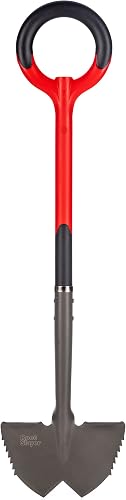 |  |  |  |  |  |  |  |
|---|---|---|---|---|---|---|---|---|---|---|
| Product | WORX Electric Lawn Edger | Fiskars Manual Steel Edger | Root Slayer Serrated Edger | Colwelt Saw-Tooth Edger | Garden Weasel Edger-Chopper | Radius Garden Pro-Lite Edger | Wheel Rotary Edger | AMES Saw-Tooth Border Edger | Edger Lawn Tool 41in | Corona Tools Edge Master |
| Brand | WORX | Fiskars | Root Slayer | Colwelt | GARDEN WEASEL | Radius Garden | BARAYSTUS | AMES | CKLT | Corona Clipper |
| Best for | Top Pick | Best for Heavy Soil | Best for Clearing Roots | Best for Saw-Tooth Cuts | Best for Soil Removal | Best for Elevated Steps | — | Best for T-Grip Users | Best for Spring Steel | Best for Compact Spaces |
| The listing says | 12 Amp motor, 7.5” blade, 4700 RPM 3 depth adjustments: 1”, 1-1/4”, 1-1/2” | Steel lawn edger with steel pole Large step for digging power | Half-moon blade with inverted V tip Serrated teeth for cutting roots | Arched steel blade with saw teeth Powder coated steel construction | Channelled design for soil removal | Extra-wide elevated forward step Carbon steel blade, fiberglass shaft | Wheeled rotary edger with serrated blades Stainless steel handle | Serrated 15-gauge steel blade Includes footplate | Serrated spring steel blade 8-inch wide footplate | 5.8-inch wide cutting blade 34-inch handle |
| More information | Buy on Amazon | Buy on Amazon | Buy on Amazon | Buy on Amazon | Buy on Amazon | Buy on Amazon | Buy on Amazon | Buy on Amazon | Buy on Amazon | Buy on Amazon |
1. WORX Electric Lawn Edger
Best for: Someone who wants to maintain long, straight lawn borders quickly.
The 12 Amp motor on this tool provides consistent power, making it a strong choice for those with extensive landscaping who find manual edging too slow. The 4700 RPM blade speed is designed for professional-looking lines, and the adjustable shaft helps you find a comfortable position regardless of your height. You’ll need an extension cord to reach all areas of your yard, as this is a corded electric unit.
This tool isn’t for gardeners who need a portable, cordless option for remote areas of a large property, as it requires a constant power connection. The listing doesn’t mention specific maintenance beyond general use, so ensure your work area is clear of large rocks or debris before starting.
Good if:
- You have long stretches of sidewalk or driveway to edge.
- You prefer powered equipment over manual labor.
- You want to adjust the depth of your trench between 1″ and 1-1/2″.
Skip it if:
- You don’t have an outdoor power outlet or extension cord.
- You prefer a silent tool for early morning work.
2. Fiskars 38″ Manual Long-Handled Steel Edger
Best for: Gardeners who want a reliable, long-lasting manual tool for heavy soil.
This edger uses a 14-gauge steel blade and an 18-gauge steel handle, providing a sturdy build that’s meant for cutting through dense turf. The large step platform allows you to use your body weight to drive the blade into the ground, which reduces the need for excessive arm strength. Because it’s a manual tool, it’s completely silent and requires no fuel or electricity to operate.
This tool isn’t for someone who struggles with balance or finds it difficult to apply downward pressure with their foot to sink a blade into the earth. The listing doesn’t mention the soil types the tool is intended for.
Good if:
- You want a tool that comes with a full lifetime warranty.
- You need to avoid bending or kneeling while working.
- You prioritize high-quality, durable steel construction.
Skip it if:
- You have extremely rocky soil that makes manual digging difficult.
- You prefer a tool with a specialized serrated edge.
3. Root Slayer 22611 Serrated Garden Edger
Best for: Someone who needs to clear roots and compact soil from borders.
The half-moon blade features an inverted V cutting tip with aggressive serrated teeth. This design is specifically intended to bite into turf and shallow roots that flat blades might skip over. If you encounter dense, compacted soil, the V-shaped point allows for deeper penetration than standard flat-edged tools.
The resin-encased steel shaft and non-latex grip are designed to keep the tool stable in your hands as you push it into the ground. A common mistake is applying uneven pressure; keep your weight centered over the shaft to ensure the serrated teeth engage the soil uniformly.
This tool isn’t for users who prefer a simple, smooth edge for decorative borders, as the serrated teeth are designed for aggressive cutting. If your goal is a pristine, razor-thin finish on light soil, the teeth may leave a textured edge you find undesirable.
Good if:
- You have dense turf that’s difficult to cut.
- You need a quiet, emission-free tool for your garden.
- You want to create both straight lines and smooth curves.
Skip it if:
- You want a perfectly smooth, non-serrated cut.
- You’re sensitive to the vibration that can occur when cutting through roots.
4. Colwelt Saw-Tooth Edger Lawn Tool
Best for: Users who want a balance of comfort and cutting efficiency.
The saw-tooth design on the arched blade helps this tool slice through thick grass with less resistance than a plain edge. It includes a wide foot platform to maximize your downward force, which helps when you’re creating deep borders. The T-handle is cushioned to provide a better grip and more maneuverability as you move along the garden bed.
If you’re working through dense, overgrown turf, use your full body weight on the extra-wide foot platform to drive the steel blade home. This prevents the blade from skipping across the surface. If the tool feels stuck, don’t twist the handle laterally; instead, pull straight back to clear the teeth from the soil.
This tool isn’t for someone who needs to cut through heavy, clay-based soil, as the listing focuses on grass and turf. The listing doesn’t specify a weight limit for the user. The listing doesn’t mention the specific handle length.
Good if:
- You want an ergonomic T-grip to reduce hand fatigue.
- You’re looking for a tool that’s easy to store.
- You want to create deep, clean lines along driveways.
Skip it if:
- You have a very large property that requires a powered edger.
- You prefer a simple, non-toothed blade.
5. Garden Weasel Edger-Chopper
Best for: Someone who wants a tool designed for multiple landscaping tasks.
This edger works on garden beds, patios, and driveways. Its channelled blade design helps you remove the tool from the soil after a cut, saving time on long borders. The manufacturer includes a lifetime guarantee against defects in materials and workmanship, signaling confidence in its long-term durability.
If you’re working through heavy sod, use the T-grip to apply downward pressure for clean penetration. If the blade feels stuck, the channelled design is specifically engineered to release the soil quickly. Avoid using this for delicate, shallow flower beds where a lighter, handheld trowel is more appropriate.
Good if:
- You want a tool with a proven, long-standing design.
- You appreciate the security of a lifetime warranty.
- You need a tool that handles both soil and grass edges.
Skip it if:
- You prefer a lightweight, compact tool for small flower beds.
- You don’t need the specific chopping action provided by this design.
This tool isn’t for gardeners who only need a basic shovel-style edger, as the “chopper” design is more specialized. The listing doesn’t provide specific dimensions for the blade itself.
6. Radius Garden 25602 Pro-Lite Carbon Steel Edger
Best for: Someone who needs a lightweight but durable manual edger.
The Pro-Lite edger uses a fiberglass shaft to keep the overall weight down while maintaining the strength needed for heavy-duty digging. The extra-wide elevated step provides good leverage, helping you maintain your balance while you work. It’s a heat-treated carbon steel tool, which is designed to hold its edge well if you wipe it clean after every use.
If you find yourself struggling with heavy gas-powered equipment, this manual alternative offers a quieter, faster way to create crisp garden edges. The 9 x 5-inch blade is built for precision, while the 40.25-inch total length provides a comfortable reach for most users.
This tool isn’t for someone who wants a completely maintenance-free experience, as the carbon steel blade requires regular cleaning to prevent rust. If you notice dirt or moisture buildup, wipe the blade immediately to protect the metal. You can rely on the lifetime manufacturer guarantee if you’re located in the continental US.
Good if:
- You want a tool that’s easier to carry around the yard.
- You need a tool that offers stability through an elevated step.
- You prefer a modern, ergonomic design.
Skip it if:
- You’re unable to perform the routine cleaning required to prevent rust.
- You prefer a heavier, all-steel construction.
7. Wheel Rotary Edger
Best for: Gardeners who prefer a rolling motion over a stepping motion.
The wheel on this edger acts as a guide, allowing you to push the tool along the edge of a driveway or sidewalk while the rotary blade does the cutting. It features three adjustable height settings—30.7, 44.5, and 58.3 inches—making it adaptable to your specific reach and posture. The blades are self-sharpening and cleaning, which helps keep the tool running smoothly during your yard work.
If you struggle with back strain, select the 58.3-inch setting to maintain an upright posture. For tighter garden beds where you need more leverage, drop the handle to the 30.7-inch position. Always use a steady, pushing motion rather than jerking the tool; if you feel significant resistance, stop and clear debris from the wheel axle.
This tool isn’t for someone who needs to cut deep trenches or dig into very hard, dry soil, as it’s designed for surface edging. The listing notes that you must keep the axle clear of grass and debris to prevent resistance. If your work area contains many stones or sticks, skip this model, as these obstructions will interrupt the cutting process and potentially damage the CNC-ground blades.
Good if:
- You prefer pushing a tool rather than stepping on it.
- You need a tool that fits different user heights.
- You want a tool that’s easy to assemble.
Skip it if:
- You have a lot of large sticks or stones in your soil.
- You need to create very deep, wide trenches.
8. AMES 2917200 Saw-Tooth Border Edger with T-Grip
Best for: Users who want a simple, effective T-grip edger.
This edger features a 15-gauge steel blade with a saw-tooth edge, designed to slice through grass and earth in a single step. The T-grip handle provides a stable hold, while the footplate is positioned to help you apply consistent pressure. It’s a versatile tool that can handle both straight and curved borders with ease.
If you’re quite tall, the adjustable shaft may force you to hunch over, leading to back strain during extended projects. If you find yourself bending too far, stop and adjust your footing to keep the blade vertical. A vertical slice ensures the cleanest edge along driveways and sidewalks.
Most users mistake this for a shovel, but the 8-7/8 inch wide blade is designed specifically for slicing turf. Using it to pry heavy rocks or deep roots will likely bend the steel. Use it only for clean, finished borders.
Good if:
- You want a straightforward tool for lawn borders.
- You need to cut both straight and curved lines.
- You want a reliable footplate for consistent control.
Skip it if:
- You’re very tall and require a longer reach.
- You need a specialized tool for digging trenches.
9. Edger Lawn Tool 41in Border Edger with Tempered Spring Steel
Best for: Gardeners who want a durable, flexible spring steel blade.
The use of tempered spring steel sets this tool apart, as it resists deformation even when hitting tough roots or hard soil. The 8-inch wide footplate offers a large surface area for your foot, which helps with leverage and comfort. It’s designed to dig small trenches for irrigation or cable burial, making it more than just a surface edger.
If you’re working in thick, overgrown turf, use the serrated edge to saw through stubborn root systems rather than relying on downward force alone. This prevents the blade from bending or twisting under heavy pressure. For crisp, professional lines along driveways, maintain a consistent vertical angle; the tool’s weight is designed to do the work for you.
This tool isn’t for users who want the lightest possible option, as spring steel construction is built for strength. The listing doesn’t mention a specific warranty.
Good if:
- You need a tool that can handle occasional cable or pipe burial.
- You want a blade that maintains its sharpness well.
- You need to work in wet conditions where other tools might struggle.
Skip it if:
- You need a tool with a very specific, specialized grip.
- You prefer a tool that’s marketed as ultra-lightweight.
10. Corona Tools LG 3684 Edge Master
Best for: Someone who needs a compact tool for detailed, small-scale edging.
This tool is designed for precise, professional-looking borders around flower beds and patios. The 34-inch handle is shorter than many others, which offers great control for detailed work but may require more bending if you’re taller. It’s a purely manual tool, ideal for someone who wants to avoid the noise and maintenance of powered equipment.
However, if your primary goal is tackling long, straight driveway borders, the manual effort required over a large area will quickly become exhausting.
The rule is simple: use this for finish work and touch-ups on established borders. If you’re starting a brand-new edge in compacted soil, the lack of mechanical power will make the job significantly harder.
Good if:
- You need to perform highly detailed, precise work.
- You want a tool that’s easy to maneuver in tight spaces.
- You prefer a quiet, manual edging experience.
Skip it if:
- You’re tall and want to avoid bending over at all.
- You have a massive yard that requires a faster, powered solution.
Where These Overlap
Most manual edgers in this list, such as the Fiskars Manual Steel Edger, the Colwelt Saw-Tooth Edger, and the AMES Saw-Tooth Border Edger, share a fundamental design: a long handle, a sharp blade, and a footplate. The choice between these often comes down to the minor differences in handle shape—T-grip versus straight handle—and the specific blade profile. If your primary goal is to keep lawn edges tidy, these manual options all perform the same basic task of separating grass from a flower bed or walkway.
The differences are more pronounced when you compare the mechanical design. The Wheel Rotary Edger is fundamentally different because it relies on a rolling motion, whereas the WORX Electric Lawn Edger is in a league of its own due to the motorized blade. If you’re choosing between the manual models, look closely at the blade material and the footplate width. A wider footplate generally provides more leverage, which is useful if you have clay or compact soil. If you have soft, sandy soil, the specific tooth design of the blade matters much less than the overall weight and comfort of the handle.
Still Not Sure?
How often will I really use it?
If you only plan to tidy your garden edges once or twice a season, a heavy-duty manual tool like the Fiskars Manual Steel Edger is a great choice. It requires no maintenance, has no batteries to charge, and will likely last for many years. However, if you’re a frequent gardener who edges your beds every weekend, you might prefer the speed and power of the WORX Electric Lawn Edger to save time and energy.
What do I already own that this has to work with?
Think about the soil conditions in your yard. If your ground is hard or filled with thick roots, the Root Slayer Serrated Edger is built to handle that resistance. If you already own a collection of yard tools with T-grips, you might find the AMES Saw-Tooth Border Edger or the Colwelt Saw-Tooth Edger more comfortable to use. Ensure your storage space can accommodate the length of the tool, as some, like the Wheel Rotary Edger, offer adjustable lengths that save room.
What am I most likely to regret choosing?
The most common regret is choosing a tool that’s too short for your height, leading to back pain. If you’re tall, check the length of the handle; the Wheel Rotary Edger offers a very long 58.3-inch reach, which is excellent for avoiding strain. You might also regret choosing a powered tool if you don’t have an outdoor outlet nearby. For those who want the most control, the Corona Tools Edge Master is a solid, reliable choice for smaller, detailed garden work.
Maintaining a crisp edge helps prevent grass from encroaching into your flower beds, which is a key part of landscape maintenance.
Frequently Asked Questions
Do I need a powered edger for thick grass?
You don’t strictly need a powered edger for thick grass, as manual options like the Root Slayer or Colwelt Saw-Tooth Edger use serrated teeth to slice through dense turf. While manual tools require more physical effort, a well-sharpened blade is often sufficient for most residential lawns.
How do I choose between a half-moon blade and a saw-tooth blade?
A half-moon blade is best for clean lines along sidewalks, while a saw-tooth blade is superior for cutting through tough, overgrown roots. The Corona Tools Edge Master provides aesthetic precision, whereas the AMES Saw-Tooth or Root Slayer offer the necessary bite for dense, established grass.
Can I use these tools on curved garden beds?
Yes, most manual edgers are suitable for curved beds. Tools with smaller blade profiles, such as the Corona Tools Edge Master or Root Slayer, are easier to maneuver along curves than wider blades. Simply make shorter, overlapping cuts to follow the path of your garden bed.
How do I maintain my garden edger?
Maintenance depends on the type of tool you have. For manual carbon steel tools like the Radius Garden Pro-Lite Edger, you should wipe the blade clean after every use to prevent rust and corrosion. For the Wheel Rotary Edger, you must regularly clear grass and debris from the wheel axle to prevent the mechanism from binding.
Conclusion
Once you’ve picked your favorite, you’ll find that a crisp border makes your whole yard look polished. Don’t worry if it’s your first time; you’ll get the hang of the rhythm quickly. Grab your new tool this weekend and start with a small section to see how great your garden can look.